Why Surface Treatment Affects Tolerance Stackup
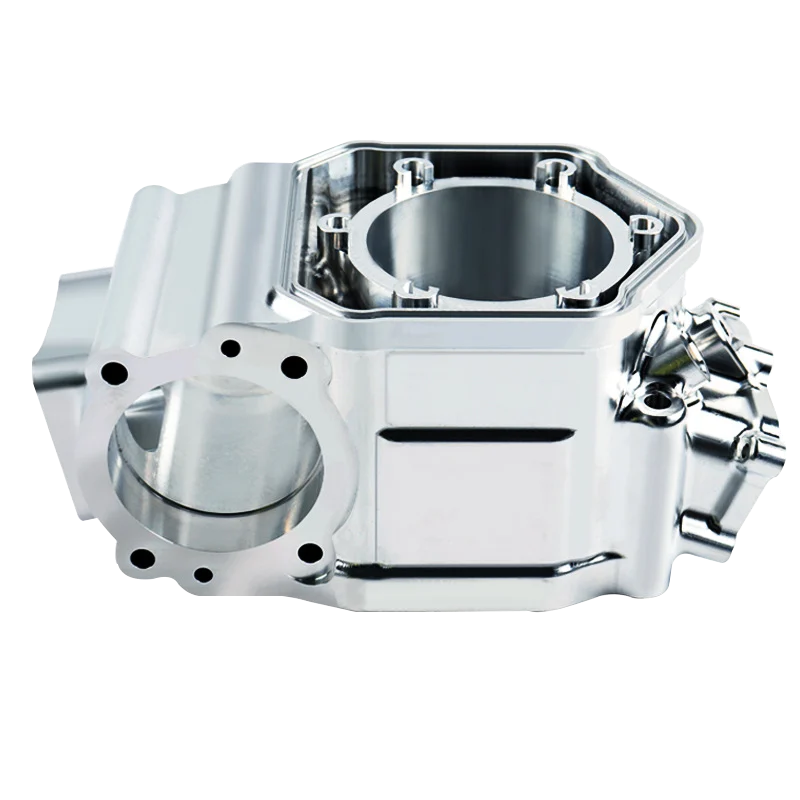
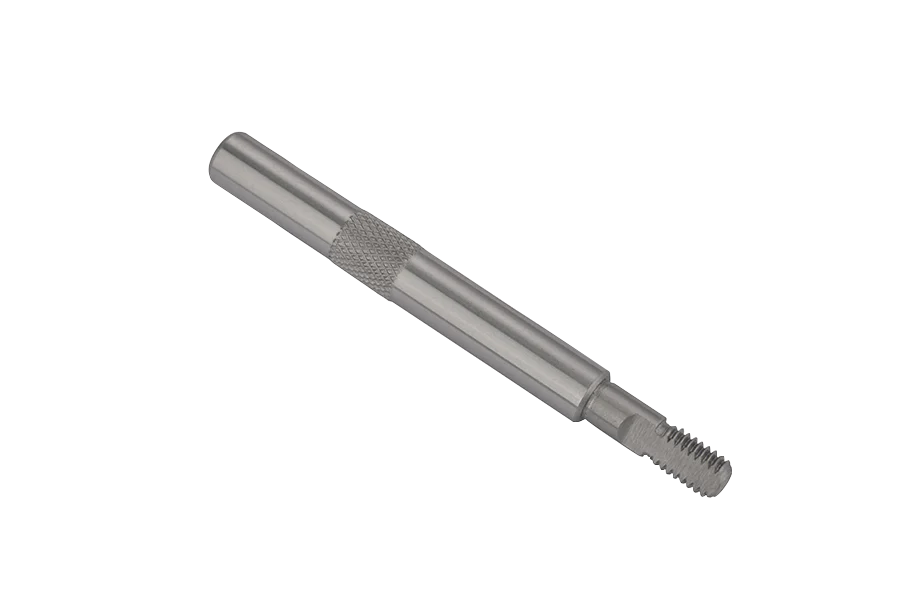
Surface treatments on machined steel parts do more than provide corrosion barrier protection. Plating, E-coating, Geomet, Dacromet and Delta apply measurable layer thicknesses that directly alter finished dimensions. When parts carry machining tolerances down to +/-0.005 mm on alloy CNC components or +/-0.01 mm on knurling shafts, post-machining finishes must be accounted for before cutting starts. Specifying the coating type on the drawing prevents finished shafts, bores and threads from binding during field assembly.
Barrier Coatings for Severe Operating Environments
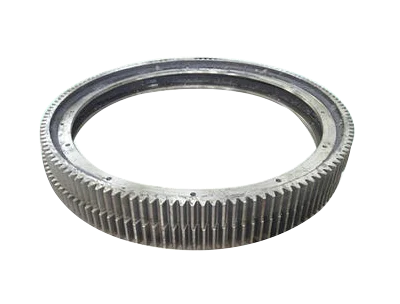
Standard machining finishes often require heavy-duty corrosion protection in outdoor machine construction, mining and agricultural equipment. Dip-spin or spray finishes like Dacromet, Geomet and Delta offer consistent coverage without hydrogen embrittlement risks common in heavy electroplating. E-coating provides uniform film deposition across complex geometries such as gear rings, while powder coating and industrial painting add durable outer shielding over pre-treated or sandblasted carbon steel and alloy steel substrates.
Alloy CNC Parts specifications
Plating and Oiling for Precision Functional Fits
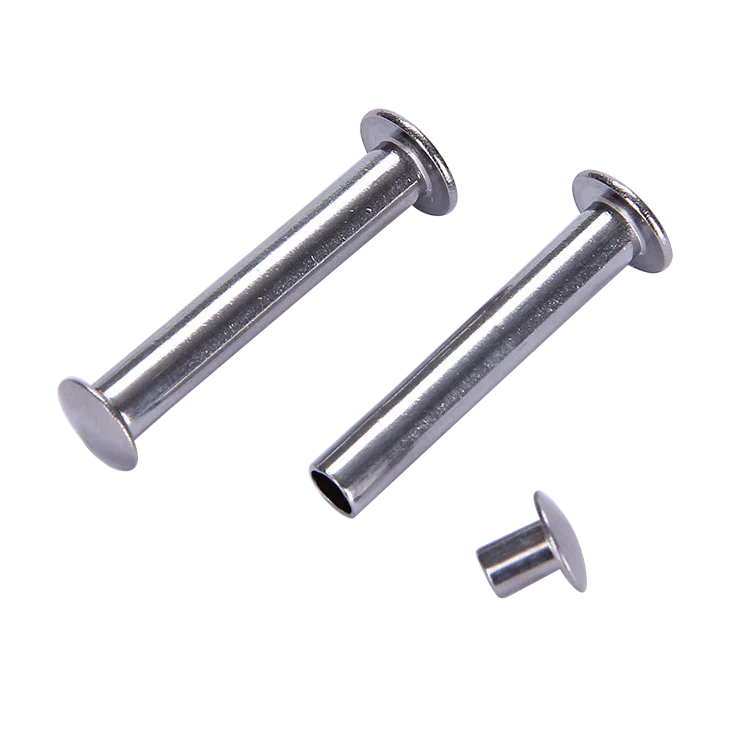
For turned shafts, fasteners and stamped rivets requiring tight dimensional control, electroplating such as zinc plating or nickel plating provides clean corrosion resistance with thin, controllable layer build-up. In applications where zero dimensional growth is permitted, light oiling protects ground surfaces between production and final mechanical assembly. Specifying brushing or polishing alongside plating provides smooth bearing seats or clean contact faces on carbon steel and stainless steel components.
Aligning Surface Treatment with Heat Treatment
Surface coatings must always be selected in coordination with the underlying heat treatment. Carburizing, carbonitriding, induction hardening, or quenching and tempering (QT) set the case depth and core toughness of the steel. Certain high-temperature finishing processes can temper back hardened surfaces or alter critical core properties if not planned in sequence. Specifying the heat treatment and surface finish together on the print ensures proper hardness retention alongside required corrosion ratings.