Syringe filters, chromatography vials, SPE and biotechnology products are produced according to the ISO 9001 standard system. [email protected] +86-15306778688
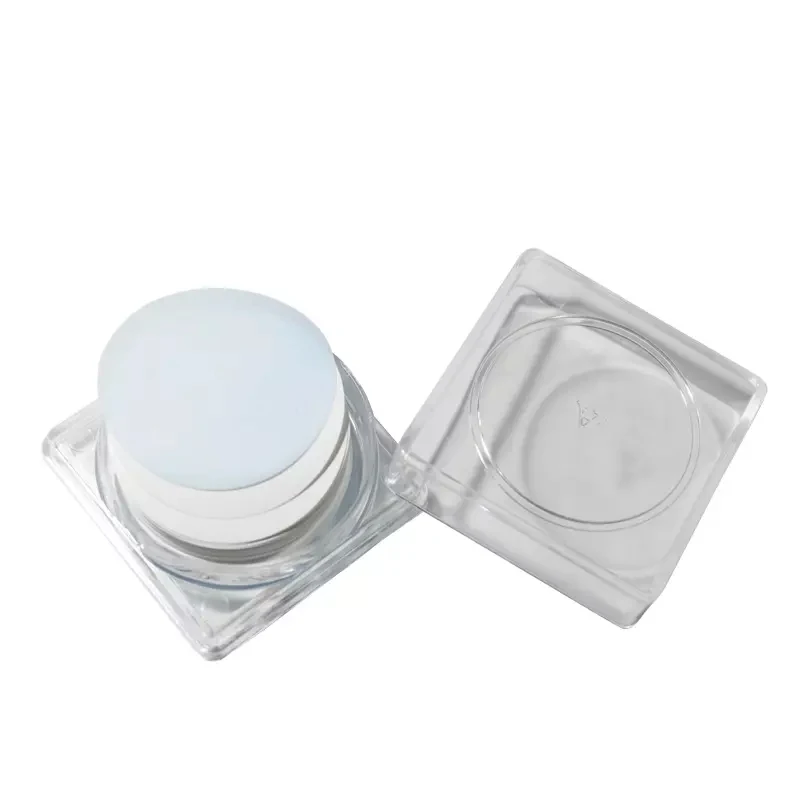
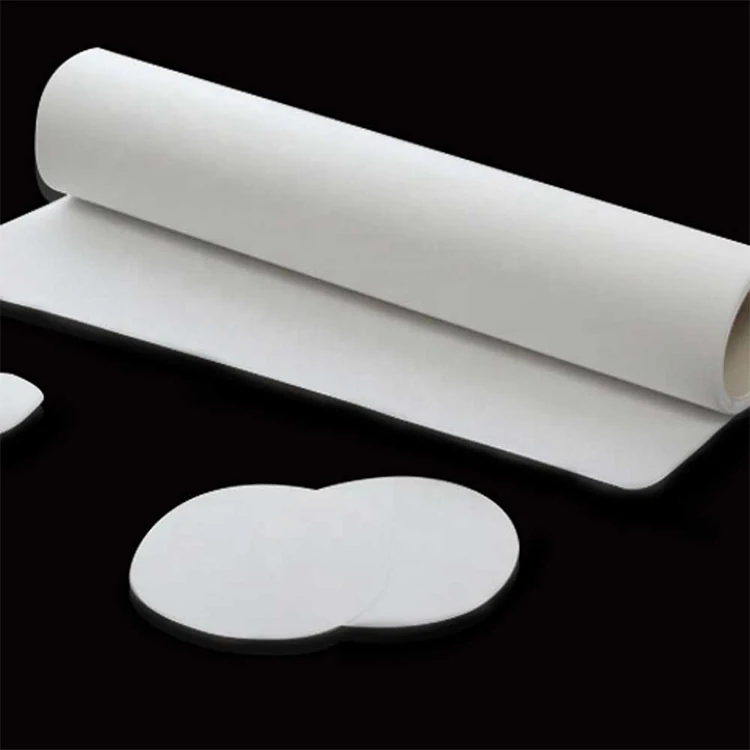
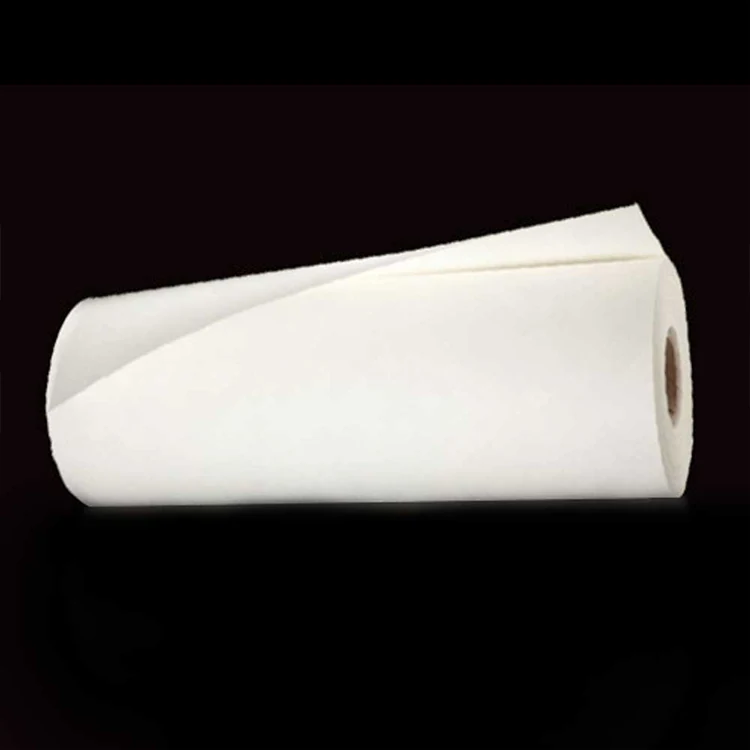
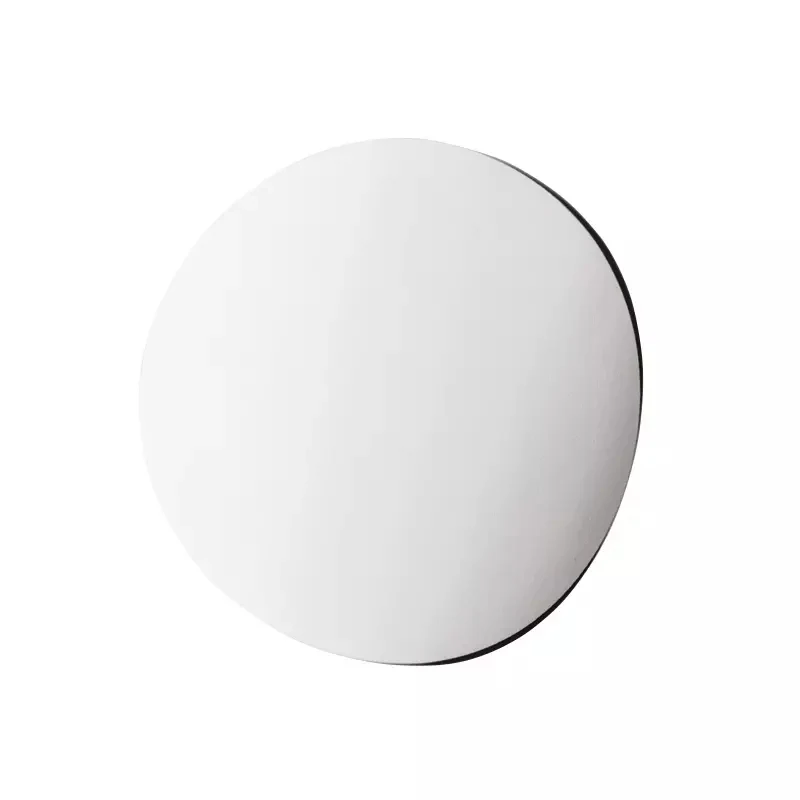
RC Membrane Filter product photo 1
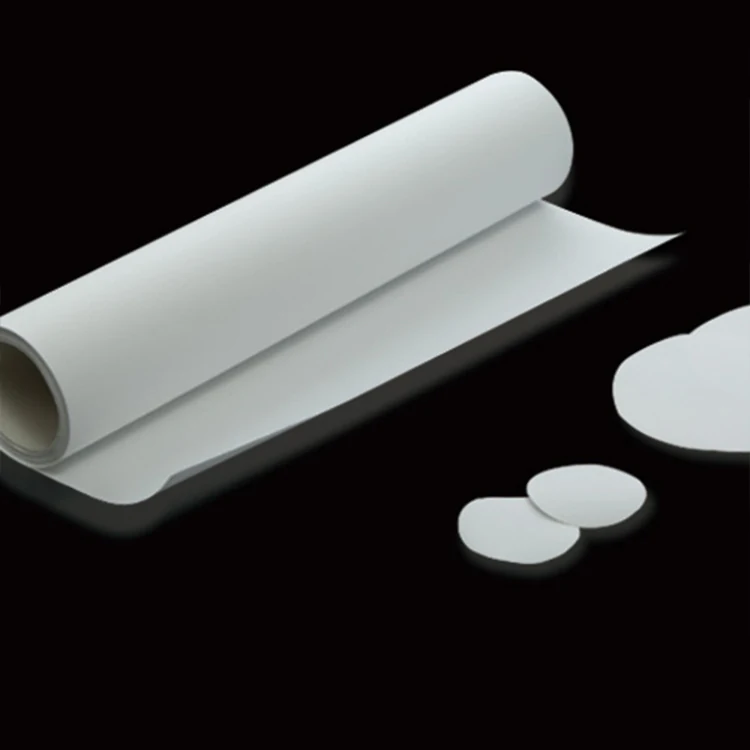
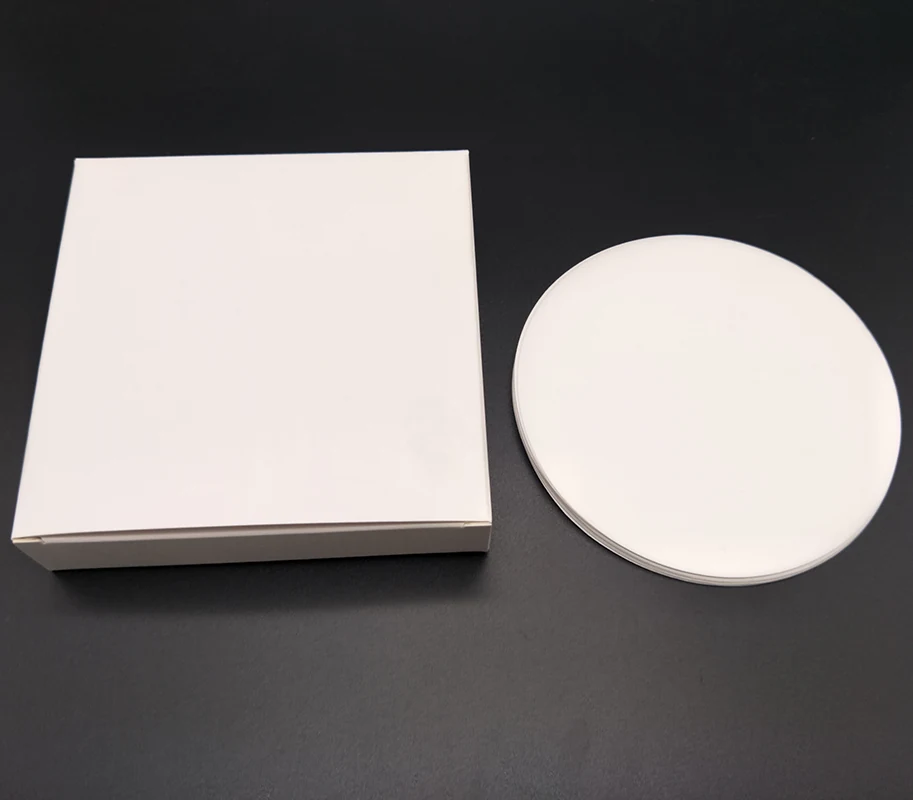
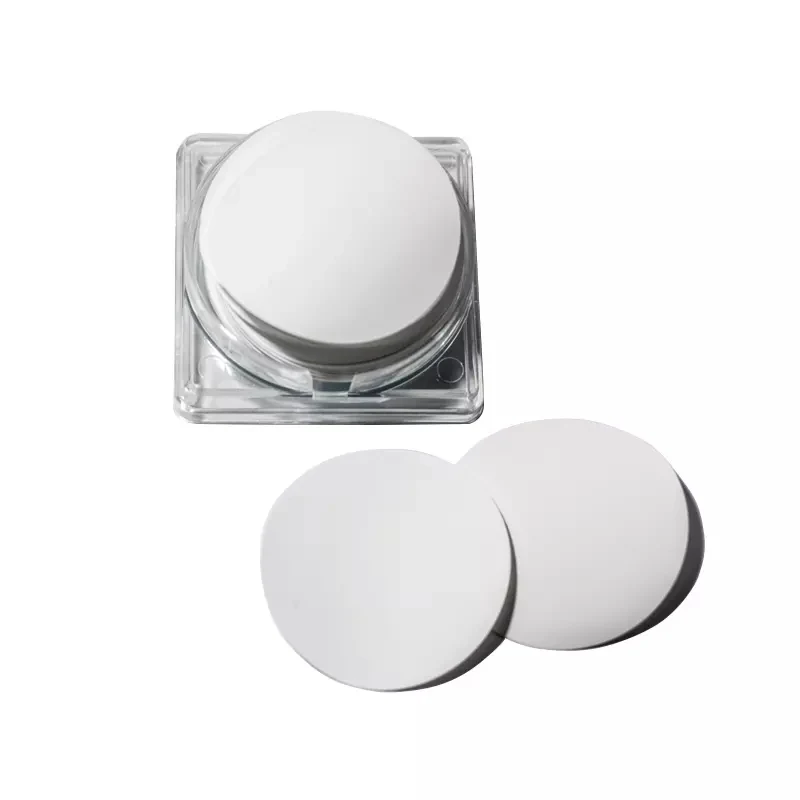
RC Membrane Filter product photo 2RC Membrane Filter product photo 3
Membrane Filter

RC Membrane Filter

RC Membrane Filters are made from regenerated cellulose with no added wetting agents and reinforced with nonwoven material. They offer ultra-low protein binding, high protein recovery, and excellent chemical resistance. Suitable for both aqueous and organic solvents, they are designed for routine chromatography sample and solvent preparation, particle removal, and microbiological quality control in analytical laboratories.

  • Ultra-low protein binding and high protein recovery for sensitive biological samples
  • No added wetting agents ensure low extractables and minimal interference in analytical methods
  • Hydrophilic surface with wide compatibility across aqueous and organic solvents
  • High permeability supports fast filtration without compromising particle retention
Key Benefits

What This Product Gives You

  • Ultra-low protein binding and high protein recovery for sensitive biological samples
  • No added wetting agents ensure low extractables and minimal interference in analytical methods
  • Hydrophilic surface with wide compatibility across aqueous and organic solvents
  • High permeability supports fast filtration without compromising particle retention
  • Stable microporous structure minimises impact on sample integrity during filtration
  • Membrane material: Regenerated cellulose (RC), reinforced with nonwoven material
  • Surface: White, plain, hydrophilic
  • Pore sizes: 0.1, 0.22, 0.45, 0.8, 1.0 micron
  • Maximum operating temperature: 90 °C
  • pH range: 3-12
  • Water flow rate at 25 °C and 0.07 MPa: ≥3.5 ml/min/cm² (0.1 μm), ≥7.5 (0.22 μm), ≥14 (0.45 μm), ≥49 (0.8 μm), ≥61 (1.0 μm)
  • Bubble point: 0.36-0.48 MPa (0.1 μm), 0.28-0.38 (0.22 μm), 0.18-0.29 (0.45 μm), 0.09-0.12 (0.8 μm), 0.7-0.9 (1.0 μm)
  • Sterilisation compatibility: Autoclave, ethylene oxide, E-beam, gamma irradiation
Where It Is Used

Applications And Buyers

Application Scenarios

  • Filtering mobile phases and solvents before HPLC and GC injection
  • Preparing chromatography samples from mixed aqueous and organic matrices
  • Removing particulates from protein-rich biological fluids in life-science testing
  • Routine microbiological quality control in pharmaceutical and environmental labs
  • Sample clean-up for residue analysis in food and beverage testing

Who It Is For

  • Pharmaceutical R&D and QC labs requiring low-protein-binding filters for protein-based assays
  • Environmental and food testing labs handling mixed solvent and aqueous samples
  • Contract research organisations standardising on a single membrane type across multiple projects
  • Laboratory distributors sourcing a clean, versatile membrane with consistent performance
  • OEM filter brands needing a reliable base membrane for custom filtration solutions

Problems It Solves

  • Protein loss due to high non-specific binding in sample preparation
  • Ghost peaks or baseline noise from extractables in sensitive chromatographic methods
  • Filter clogging from poor permeability in viscous or high-particulate samples
  • Inconsistent results when switching between membranes with different surface chemistries
  • Difficulty in filtering both aqueous and organic solvents with a single membrane type
Data

Specifications

Membrane MaterialRegenerated cellulose (RC)
SurfaceWhite, plain
WettabilityHydrophilic
Membrane FormatDisc, Roll, Sheet, Strip, Customizable
Thickness120±10 μm
Max Operating Temperature90 °C
pH Range3-12
Pore Size0.1, 0.22, 0.45, 0.8, 1.0 micron
Water Flow Rate≥3.5 ml/min/cm² (0.1 μm), ≥7.5 (0.22 μm), ≥14 (0.45 μm), ≥49 (0.8 μm), ≥61 (1.0 μm)
Bubble Point0.36-0.48 MPa (0.1 μm), 0.28-0.38 (0.22 μm), 0.18-0.29 (0.45 μm), 0.09-0.12 (0.8 μm), 0.7-0.9 (1.0 μm)
Sterilisation CompatibilityAutoclave, Ethylene Oxide, E-Beam, Gamma Irradiation

Materials

  • Regenerated cellulose (RC) membrane, reinforced with nonwoven material
  • No added wetting agents or surfactants

Customization Options

  • Available in disc, roll, sheet, strip, or custom formats
  • Pore sizes from 0.1 to 1.0 micron available
  • OEM die-cutting and packaging available through the Microlab OEM division
  • Custom roll sizes and packaging configurations can be arranged
How It Is Made

Manufacturing And Quality Control

Manufacturing Process

  • Membrane die-cutting from raw RC sheet
  • Nonwoven reinforcement integration during membrane formation
  • Quality inspection of membrane integrity and pore size
  • Packaging in specified formats: disc, roll, sheet, strip, or custom
  • Sterilisation compatibility verified through validation testing

Quality Control

  • Membrane thickness checked against 120±10 μm tolerance
  • Pore size verified using bubble point and flow rate tests
  • Wettability confirmed via contact angle or visual immersion test
  • Sterilisation compatibility tested per method (autoclave, E-beam, gamma, EO)
  • Visual inspection for surface defects and uniformity
Comparison

Compared With The Alternatives

Versus Nylon membrane

RC offers lower protein binding and higher protein recovery than nylon, especially in aqueous environments, but may have lower resistance to aggressive organic solvents

Versus PVDF membrane

RC has lower non-specific binding and better compatibility with aqueous samples, while PVDF offers superior chemical resistance in strong solvents

Versus CA membrane

RC has higher chemical resistance and lower extractables than CA, with better performance in both aqueous and organic solvents
Use Guide

How To Use It

  • Select pore size based on particle size: 0.22 μm for routine filtration, 0.45 μm for higher flow, 0.1 μm for ultra-fine particles
  • Use 0.22 μm for protein samples to minimise binding and maximise recovery
  • Ensure sample pH is within 3-12 and temperature below 90 °C
  • Pre-wet the membrane with water or compatible solvent before use to ensure full wetting
  • For sterilisation, choose autoclave, ethylene oxide, E-beam, or gamma irradiation based on equipment availability
  • Do not exceed 90 °C or pH outside 3-12 to avoid membrane degradation
Photos

Product Gallery

Also In This Category

Related Products

Read Next

Related Industries And Guides

FAQ

Questions Buyers Ask

What is the maximum temperature this RC membrane can withstand?

The RC membrane can operate up to 90 °C, making it suitable for moderate-temperature filtration applications.

Can this membrane be used for both aqueous and organic solvents?

Yes. The RC membrane is compatible with both aqueous solutions and organic solvents, with a pH range of 3-12.

Is the RC membrane suitable for protein sample filtration?

Yes. The RC membrane has ultra-low protein binding and high protein recovery, making it ideal for protein-based samples.

What sterilisation methods are compatible with this membrane?

The RC membrane is compatible with autoclave, ethylene oxide, E-beam, and gamma irradiation.

How are the filters packed?

Discs are packed in 200 pcs/pk (13 mm and 25 mm), 100 pcs/pk (47 mm to 142 mm), and 25 pcs/pk (293 mm). Rolls are packed 1 roll per pack.

Can I get custom sizes or formats?

Yes. Custom formats including sheet, strip, and roll sizes are available. Contact the OEM division for custom die-cutting and packaging.

Get A Quote For RC Membrane Filter

Tell us the membrane, pore size, diameter and quantity you need, or describe the sample and we will specify it.