Syringe filters, chromatography vials, SPE and biotechnology products are produced according to the ISO 9001 standard system. [email protected] +86-15306778688
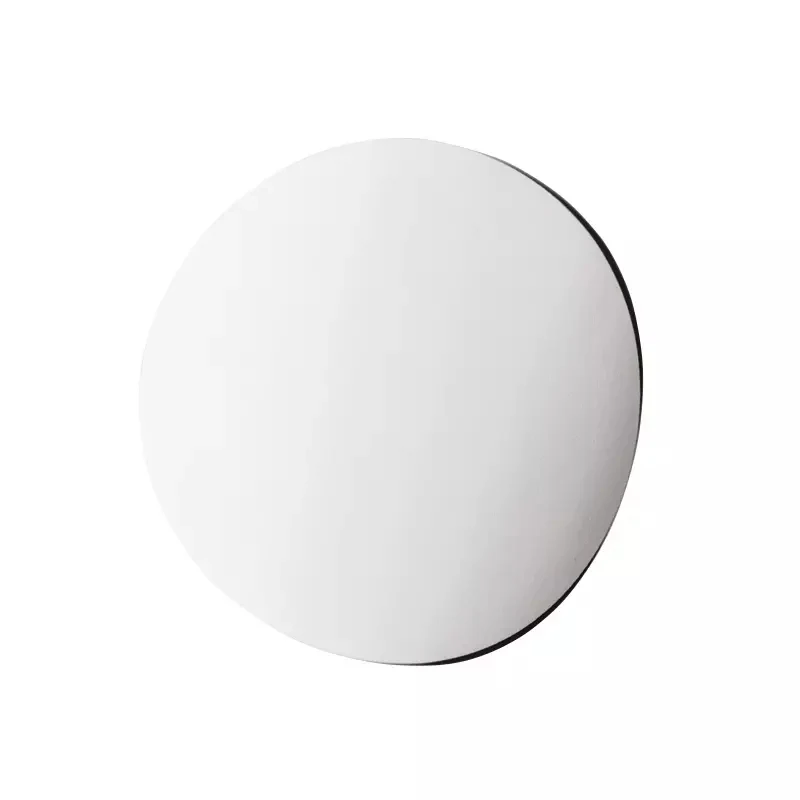
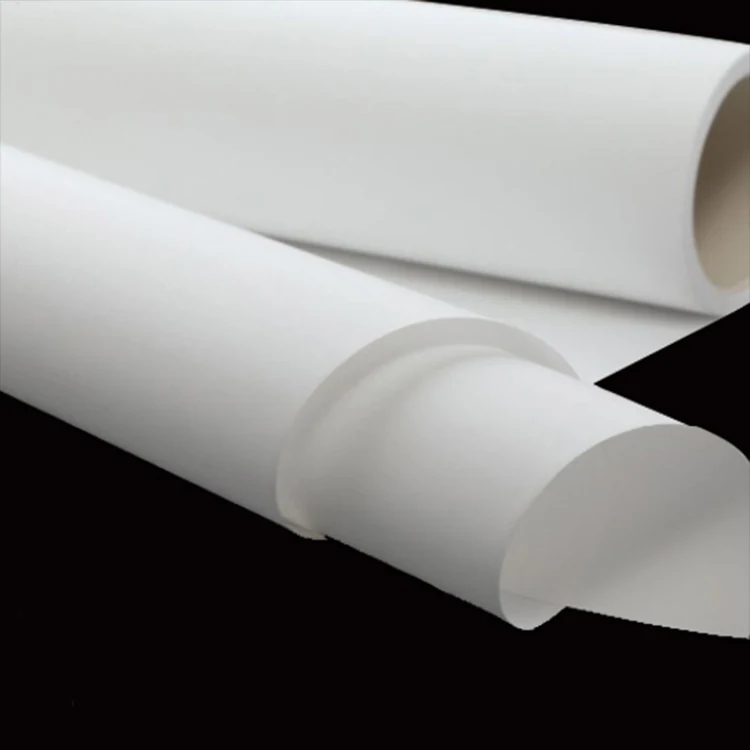
PP Membrane Filter product photo 1
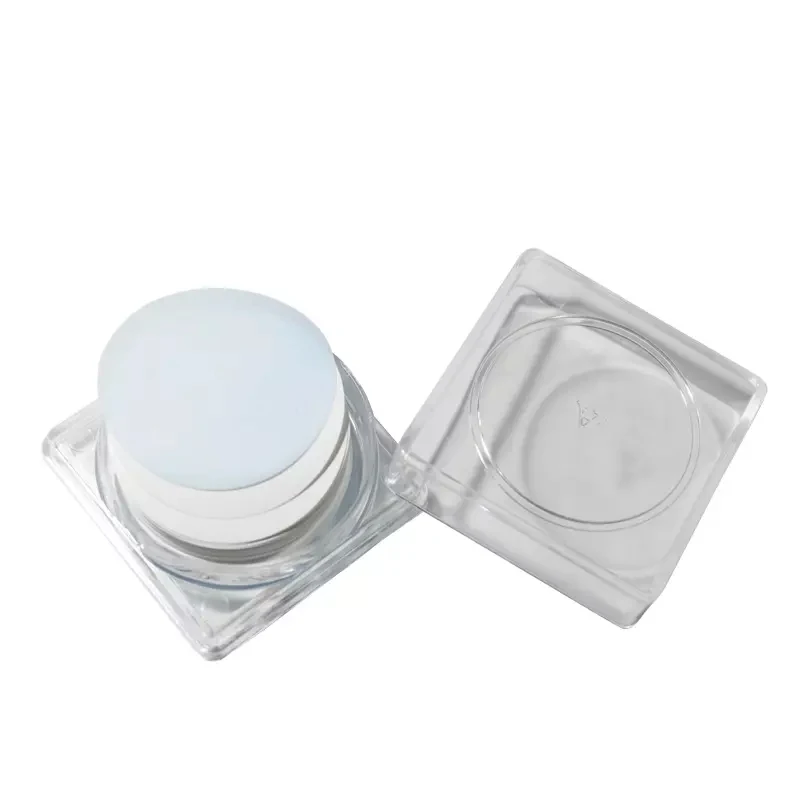
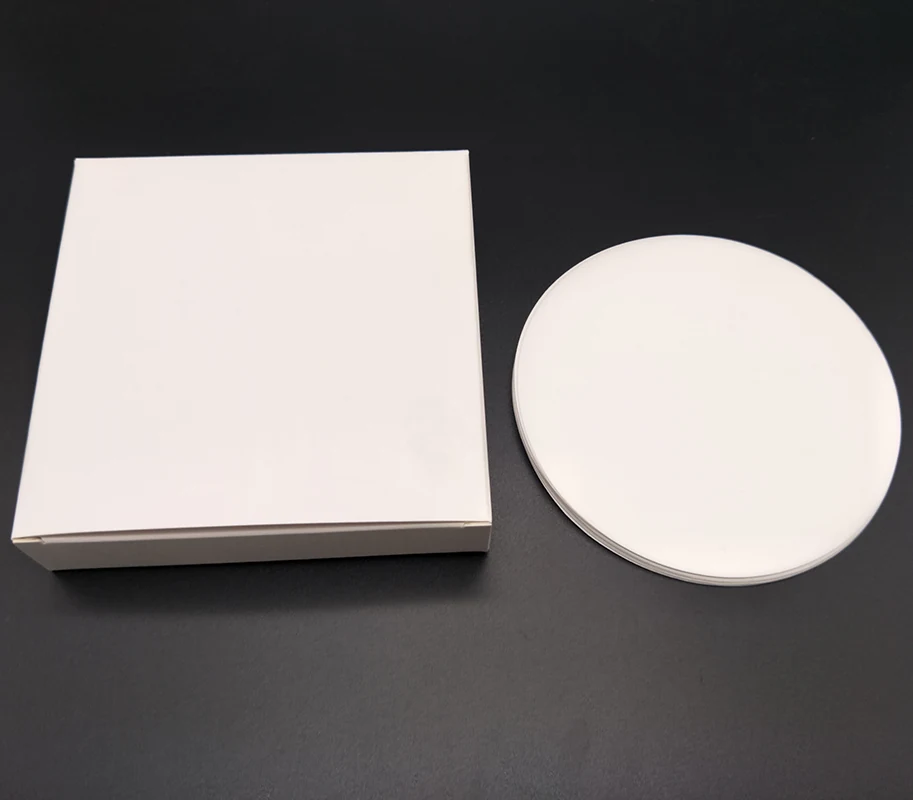
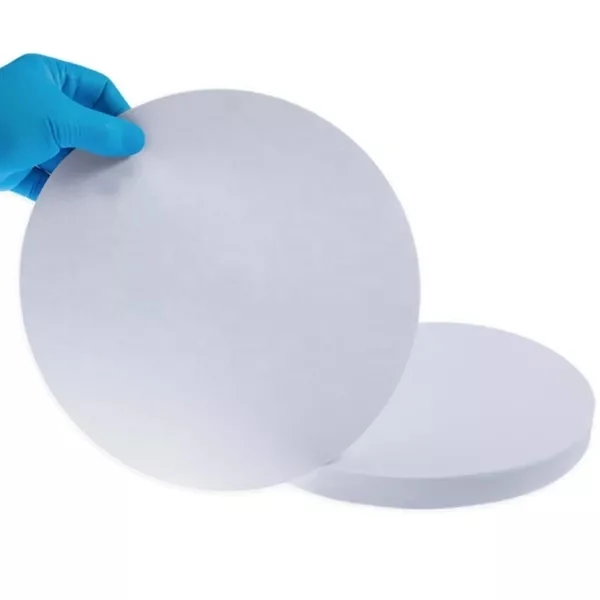
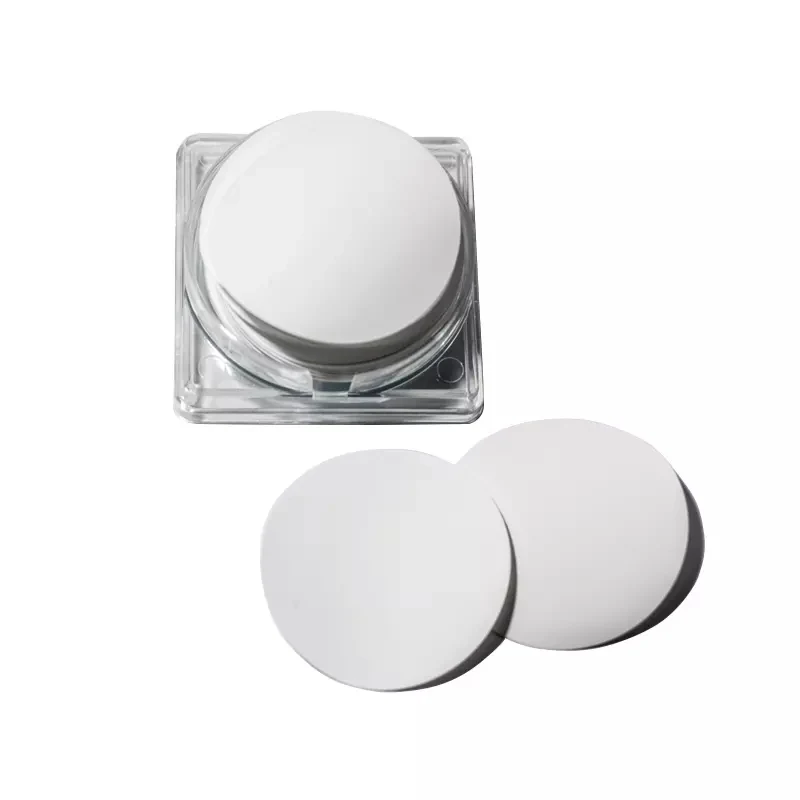
PP Membrane Filter product photo 2PP Membrane Filter product photo 3
Membrane Filter

PP Membrane Filter

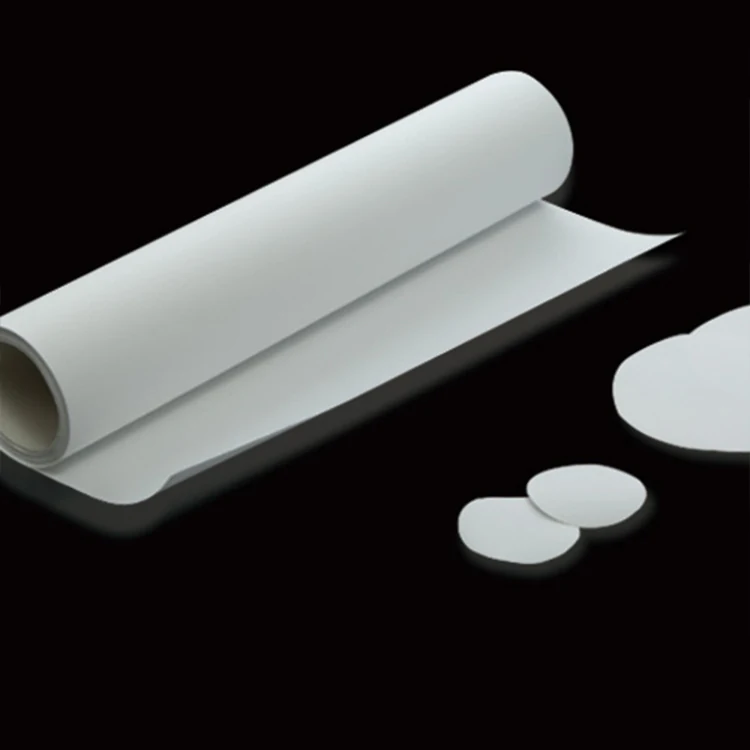
PP Membrane Filters are depth filters made from pure polypropylene microfiber, designed for pre-filtration in demanding analytical and industrial processes. They offer high dirt-holding capacity, excellent chemical resistance across pH 1-14, and thermal stability up to 80°C. The filters are hydrophobic, have low protein absorption, and are suitable for aqueous and organic solvent applications, including gas, ink, and water filtration. Available in disc, roll, sheet, strip, and customizable formats, they support a range of pore sizes from 0.1 to 10.0 micron.

  • Pure polypropylene construction ensures compatibility with aggressive solvents and a broad pH range from 1 to 14
  • Hydrophobic nature and low protein absorption make it suitable for gas and biological sample pre-filtration
  • High dirt-holding capacity reduces clogging during extended filtration of particulate-laden samples
  • Thermal stability up to 80°C allows use in high-temperature processes without degradation
Key Benefits

What This Product Gives You

  • Pure polypropylene construction ensures compatibility with aggressive solvents and a broad pH range from 1 to 14
  • Hydrophobic nature and low protein absorption make it suitable for gas and biological sample pre-filtration
  • High dirt-holding capacity reduces clogging during extended filtration of particulate-laden samples
  • Thermal stability up to 80°C allows use in high-temperature processes without degradation
  • Available in multiple formats including discs, rolls, sheets, strips, and custom shapes for flexible integration
  • Made from pure polypropylene microfiber with natural hydrophobic properties
  • Chemical compatibility across pH 1-14 and resistance to a wide range of organic solvents
  • Maximum operating temperature of 80°C without structural or functional degradation
  • Low protein absorption suitable for biological and pharmaceutical applications
  • High dirt-holding capacity for extended filtration runs before clogging occurs
  • Available in disc, roll, sheet, strip, and customizable formats for diverse application needs
  • Pore sizes from 0.1 to 10.0 micron to match particle size requirements
  • White plain surface with uniform membrane structure for consistent flow and filtration
Where It Is Used

Applications And Buyers

Application Scenarios

  • Pre-filtration of API intermediates and active pharmaceutical ingredients in pharmaceutical manufacturing
  • Gas filtration in industrial processes where solvent resistance and low extractables are required
  • Ink filtration in printing systems to prevent nozzle clogging and maintain print quality
  • Water purification systems requiring resistance to extreme pH and high particulate loads
  • Pre-treatment of aqueous and organic solvent samples before HPLC, GC, or mass spectrometry analysis

Who It Is For

  • Pharmaceutical and biotech labs requiring pre-filtration of sensitive compounds with minimal extractables
  • Industrial filtration teams handling aggressive solvents and wide pH ranges in process lines
  • Printing and coating manufacturers needing consistent ink filtration to avoid equipment damage
  • Water treatment facilities managing high-turbidity or chemically variable feed streams
  • Contract labs and OEMs needing customizable membrane formats for integrated filtration systems

Problems It Solves

  • Column or instrument blockage due to undetected particulates in pre-analytical samples
  • Filter degradation or failure when exposed to strong acids, bases, or organic solvents
  • Protein adsorption on filter surfaces leading to sample loss in biological workflows
  • Frequent filter changes caused by low dirt-holding capacity in high-load applications
  • Inconsistent filtration performance due to material incompatibility with process chemistry
Data

Specifications

Membrane MaterialPolypropylene (PP)
ColorWhite / Plain
Membrane FormatDisc, Roll, Sheet, Strip, Customizable
ThicknessAs per specification
Max Operating Temperature80°C
pH Resistance1-14
Flow Rate25°C, p=0.07 MPa (ml/min/cm²)
Bubble PointAs per specification
Sterilization CompatibilityAutoclave, Ethylene Oxide, E-Beam, Gamma Irradiation

Materials

  • Pure polypropylene microfiber membrane
  • No additional binders or coatings specified

Customization Options

  • Custom membrane formats including discs, rolls, sheets, strips, and bespoke shapes
  • Custom pore size and diameter options available upon request
  • Private-label printing and packaging available through the Microlab OEM division
  • OEM contract manufacturing and membrane die-cutting services for filter brands
How It Is Made

Manufacturing And Quality Control

Manufacturing Process

  • Polypropylene microfiber production and membrane formation
  • Die-cutting of disc, sheet, strip, or roll formats
  • Customization of size and shape upon request
  • Quality inspection of membrane uniformity and surface integrity
  • Packing according to order specifications: 200 pcs/pk for discs, 1 roll/pk for rolls

Quality Control

  • Visual inspection of membrane surface for defects and uniformity
  • Verification of pore size and thickness against specified values
  • Testing of chemical resistance and thermal stability within stated limits
  • Validation of sterilization compatibility through process validation
  • Final inspection of packing and labeling accuracy before dispatch
Comparison

Compared With The Alternatives

Versus Cellulose Acetate (CA) Membranes

PP has superior chemical stability and higher temperature resistance compared to CA, which degrades at elevated temperatures

Versus Nylon Membranes

PP has lower protein absorption and better solvent resistance than nylon, making it more suitable for organic solvent and biological applications

Versus Multi-layer Depth Filters

PP single-layer depth filters offer consistent flow and predictable performance, while multi-layer builds may introduce additional extractables and variable flow dynamics
Use Guide

How To Use It

  • Select pore size based on particle size: 0.1-0.45 micron for fine particulates, 1.0-10.0 micron for coarse pre-filtration
  • Use 0.22 micron for sterile-grade applications or when removing bacteria-sized particles
  • Ensure the filter is compatible with the solvent or sample matrix, especially in extreme pH or high-temperature conditions
  • For roll formats, ensure the width and length match the filtration system's design requirements
  • Pre-wet the filter with a compatible solvent if required for gas or organic solvent filtration
  • Do not exceed 80°C during operation to prevent membrane deformation or failure
  • Sterilize using autoclave, ethylene oxide, E-beam, or gamma irradiation as per process needs
Photos

Product Gallery

Also In This Category

Related Products

Read Next

Related Industries And Guides

FAQ

Questions Buyers Ask

What is the maximum temperature this filter can withstand?

The PP membrane filter can withstand a maximum operating temperature of 80°C without degradation.

Is this filter compatible with strong acids and bases?

Yes, the polypropylene membrane is resistant to pH 1-14, making it suitable for both acidic and alkaline applications.

Can I use this filter for gas filtration?

Yes, the hydrophobic nature and chemical stability of PP make it suitable for gas filtration applications.

What are the available formats?

Available in disc, roll, sheet, strip, and customizable formats depending on the order.

How are the filters packed?

Discs are packed at 200 pieces per pack for smaller diameters and 100 or 50 pieces per pack for larger sizes. Rolls are packed at 1 roll per pack.

Can you provide private-label packaging?

Yes, the Microlab OEM division offers private-label printing and packing for filter brands and distributors.

Get A Quote For PP Membrane Filter

Tell us the membrane, pore size, diameter and quantity you need, or describe the sample and we will specify it.