Syringe filters, chromatography vials, SPE and biotechnology products are produced according to the ISO 9001 standard system. [email protected] +86-15306778688
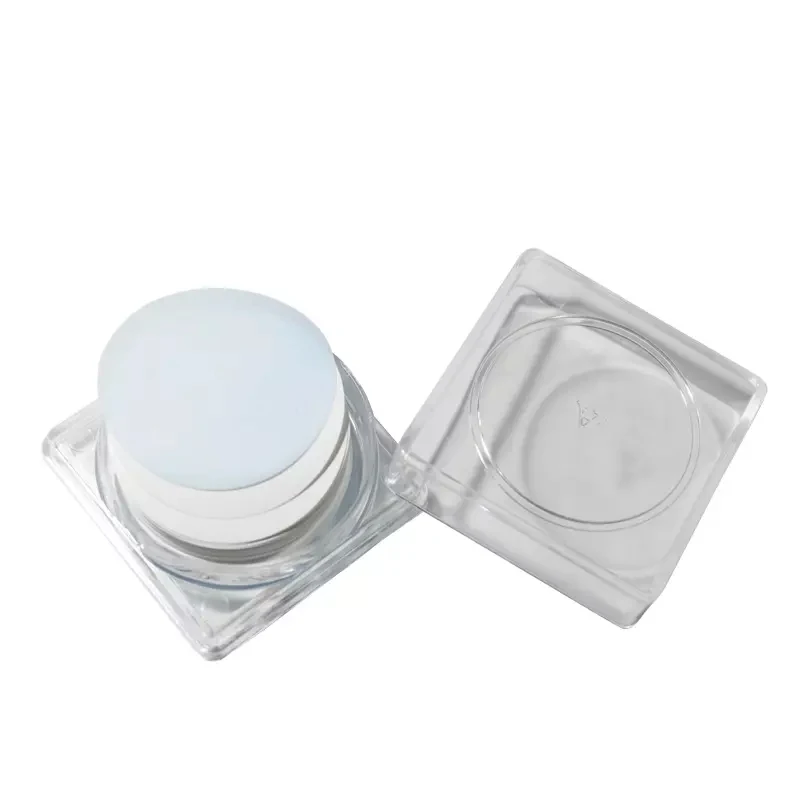
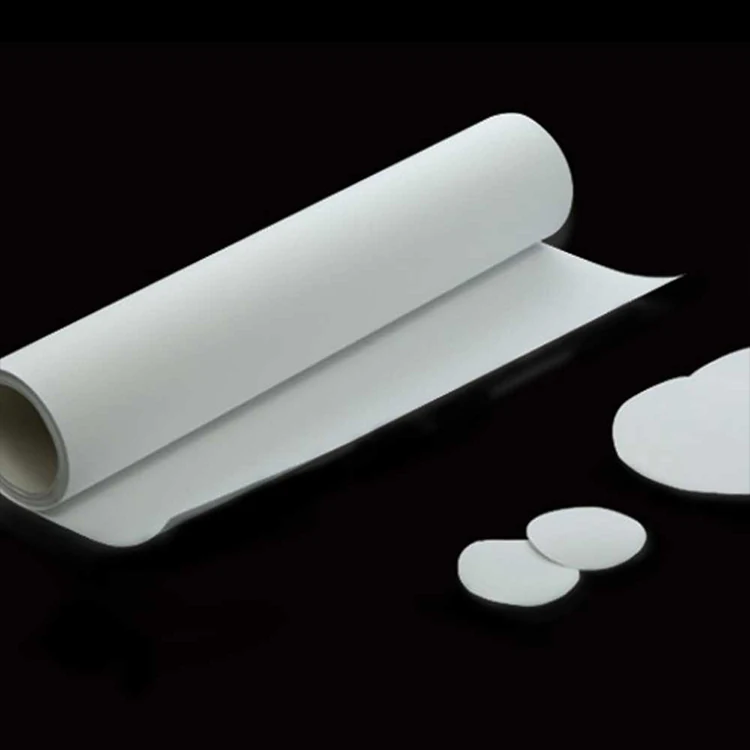
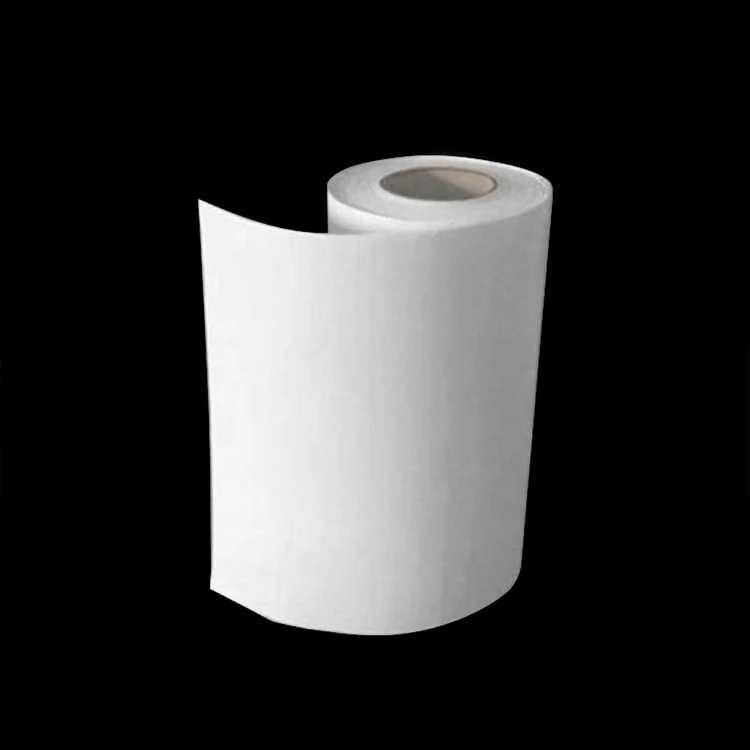
PVDF Membrane Filter product photo 1
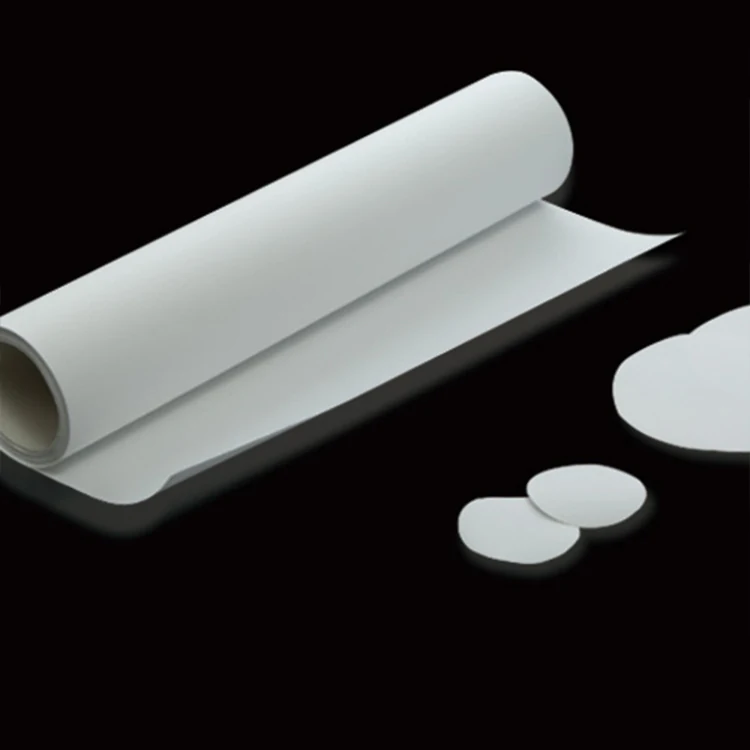
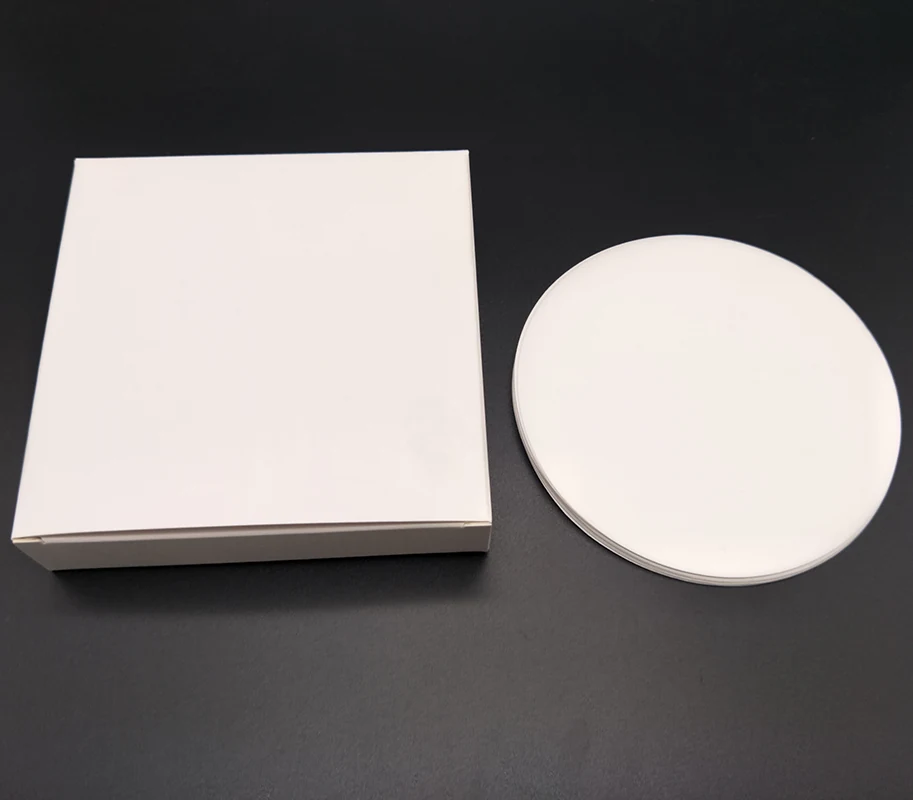
PVDF Membrane Filter product photo 2PVDF Membrane Filter product photo 3
Membrane Filter

PVDF Membrane Filter

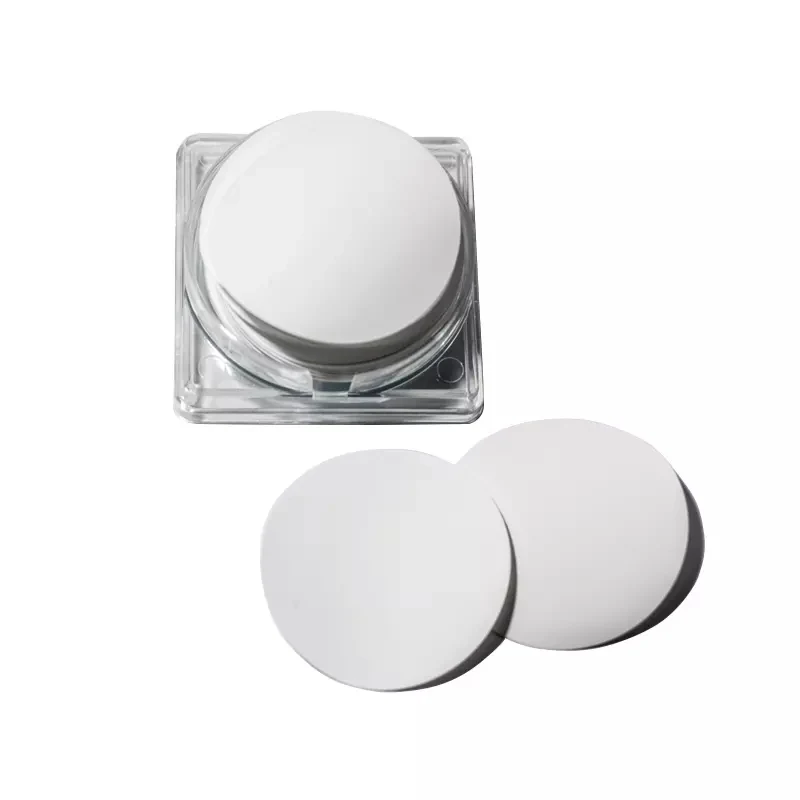
PVDF membrane filters are designed for high-performance liquid and gas filtration in analytical and biotech applications. Available in hydrophobic and hydrophilic variants, with or without a PET support layer, they offer high chemical resistance, thermal stability, and low protein binding. The hydrophobic version enables fast air flow for venting and gas purification, while the hydrophilic version ensures high recovery of proteins and sensitive biomolecules in aqueous and mixed-phase samples. The filters are suitable for sterilization by autoclave, ethylene oxide, E-beam, and gamma irradiation.

  • Hydrophobic PVDF provides fast air flow and excellent performance in gas venting and air filtration
  • Hydrophilic PVDF minimizes protein binding and maximizes recovery in cell culture, serum, and diagnostic reagent applications
  • PET-supported membranes offer enhanced mechanical strength for high-pressure or abrasive filtration tasks
  • Un-supported membranes provide high porosity and permeability for low-resistance liquid and gas flow
Key Benefits

What This Product Gives You

  • Hydrophobic PVDF provides fast air flow and excellent performance in gas venting and air filtration
  • Hydrophilic PVDF minimizes protein binding and maximizes recovery in cell culture, serum, and diagnostic reagent applications
  • PET-supported membranes offer enhanced mechanical strength for high-pressure or abrasive filtration tasks
  • Un-supported membranes provide high porosity and permeability for low-resistance liquid and gas flow
  • Compatible with pH 2-10 and a wide range of organic solvents, acids, and bases due to high chemical resistance
  • Available in hydrophobic and hydrophilic variants with or without PET support
  • Supports pore sizes from 0.1 to 5.0 micron across disc, roll, sheet, strip, and customizable formats
  • Maximum operating temperature of 90°C for both supported and unsupported membranes
  • Operates effectively across pH 1-13, including aggressive acids and bases
  • High porosity and permeability reduce filtration time and pressure drop
  • Compatible with autoclave, ethylene oxide, E-beam, and gamma irradiation sterilization
  • No need to distinguish front and back side during assembly for disc formats
Where It Is Used

Applications And Buyers

Application Scenarios

  • Sterilizing air or gas in medical device venting systems using hydrophobic PVDF
  • Clarifying cell culture media and buffer solutions with hydrophilic PVDF to maintain protein integrity
  • Filtering acidic or basic solvents in HPLC and GC sample preparation without membrane degradation
  • Pre-filtration of diagnostic reagents and ophthalmic solutions where low protein binding is critical
  • Handling high-viscosity or particulate-laden samples with supported PVDF membranes for improved durability

Who It Is For

  • Pharmaceutical and biotech labs requiring low protein binding for assay accuracy
  • Medical device manufacturers needing reliable venting filters for sterile packaging
  • Environmental and food testing labs processing aggressive solvents and mixed-phase samples
  • Contract labs running high-throughput assays where membrane consistency and sterility are essential
  • OEMs developing filtration systems for diagnostic instruments or lab-on-a-chip devices

Problems It Solves

  • Protein loss during filtration due to high binding on non-specific membranes
  • Slow air flow or clogging in venting filters caused by low permeability or hydrophobicity
  • Membrane failure under high pressure or chemical exposure due to poor mechanical or chemical resistance
  • Inconsistent lot-to-lot performance affecting method reproducibility
  • Difficulty in handling mixed aqueous and organic samples without switching membrane types
Data

Specifications

Membrane MaterialPolyvinylidene Fluoride (PVDF)
WettabilityHydrophobic, Hydrophilic
Support LayerPET supported, Unsupported
Pore Size0.1, 0.22, 0.45, 0.65, 0.8, 1.0, 2.0, 3.0, 5.0 micron
Max Operating Temperature90°C
pH Range1-13
Membrane FormatDisc, Roll, Sheet, Strip, Customizable
Thickness100±10 μm (Unsupported), 120±10 μm (Supported)
Sterilization CompatibilityAutoclave, Ethylene Oxide, E-beam, Gamma irradiation
Bubble Point (Hydrophobic)0.55-0.6 bar (0.1 μm), 0.4-0.45 bar (0.22 μm), 0.25-0.3 bar (0.45 μm), 0.2-0.23 bar (0.65 μm), 0.13-0.16 bar (0.8 μm), 0.1-0.13 bar (1.0 μm)
Water Flow Rate (Hydrophilic)≥6 ml/min/cm² (0.1 μm), ≥11 ml/min/cm² (0.22 μm), ≥30 ml/min/cm² (0.45 μm), ≥60 ml/min/cm² (0.65 μm), ≥100 ml/min/cm² (0.8 μm), ≥150 ml/min/cm² (1.0 μm)
Alcohol Flow Rate (Hydrophobic)≥3.5 ml/min/cm² (0.1 μm), ≥7.5 ml/min/cm² (0.22 μm), ≥14 ml/min/cm² (0.45 μm), ≥36 ml/min/cm² (0.65 μm), ≥49 ml/min/cm² (0.8 μm), ≥61 ml/min/cm² (1.0 μm)

Materials

  • Polyvinylidene Fluoride (PVDF) membrane
  • PET support layer (for supported variants)
  • No specific resin or polymer grade named beyond PVDF and PET

Customization Options

  • Custom membrane formats including disc, roll, sheet, strip, and bespoke sizes
  • Custom pore sizes and thicknesses available upon request
  • Private-label packaging and part numbering through the OEM division
  • OEM contract manufacturing and membrane die-cutting services available
How It Is Made

Manufacturing And Quality Control

Manufacturing Process

  • Membrane die-cutting from roll stock to disc, sheet, or strip formats
  • Precision alignment and assembly of supported membranes with PET backing
  • Quality inspection of pore size and surface integrity
  • Sterilization compatibility testing for autoclave, E-beam, and gamma irradiation
  • Packing in specified quantities per product code

Quality Control

  • Pore size verified against specification using bubble point and flow rate tests
  • Membrane integrity checked for defects and uniformity before packing
  • Lot-to-lot consistency confirmed through batch testing
  • Sterilization compatibility validated for all listed methods
  • Packaging verified per order information and part number
Comparison

Compared With The Alternatives

Versus PTFE membranes

PVDF offers better mechanical strength and easier handling than PTFE, especially in unsupported forms, while maintaining high chemical resistance

Versus Nylon membranes

PVDF has superior chemical resistance to strong acids, bases, and organic solvents compared to nylon

Versus CA and RC membranes

PVDF withstands a wider pH range and higher temperatures than cellulose acetate and regenerated cellulose

Versus Unsupported membranes

PET-supported PVDF provides greater mechanical strength for high-pressure or abrasive applications, though at slightly reduced flow rate
Use Guide

How To Use It

  • Select hydrophobic PVDF for air, gas, and solvent venting where fast flow and low resistance are needed
  • Choose hydrophilic PVDF for aqueous solutions, cell culture media, and protein-containing samples to minimize binding
  • Use supported PVDF for high-pressure or abrasive filtrations where mechanical strength is critical
  • Verify pore size based on particle size: 0.22 micron for sterile filtration, 0.45 micron for general clarification
  • Ensure the filtration system is compatible with the maximum operating temperature of 90°C
  • Do not exceed the specified pressure limits; monitor flow rate for signs of blockage
  • Sterilize using autoclave, ethylene oxide, E-beam, or gamma irradiation as required
Photos

Product Gallery

Also In This Category

Related Products

Read Next

Related Industries And Guides

FAQ

Questions Buyers Ask

What is the difference between supported and unsupported PVDF membranes?

Supported PVDF has a PET backing layer that increases mechanical strength for high-pressure or abrasive applications. Unsupported PVDF has higher porosity and flow rate but less structural integrity.

Which PVDF membrane should I use for protein samples?

Use hydrophilic PVDF for protein samples, as it has low protein binding and high recovery, especially in buffers, cell culture media, and serum.

What pore sizes are available?

Available pore sizes are 0.1, 0.22, 0.45, 0.65, 0.8, 1.0, 2.0, 3.0, and 5.0 micron across all formats.

How are the filters packed?

Discs are packed in 200, 100, or 50 pieces per pack depending on diameter. Rolls are packed as one roll per pack. Custom packing is available via OEM services.

Can I get custom sizes or formats?

Yes, custom disc diameters, roll sizes, and formats such as sheets and strips are available upon request through the OEM division.

Get A Quote For PVDF Membrane Filter

Tell us the membrane, pore size, diameter and quantity you need, or describe the sample and we will specify it.