Syringe filters, chromatography vials, SPE and biotechnology products are produced according to the ISO 9001 standard system. [email protected] +86-15306778688
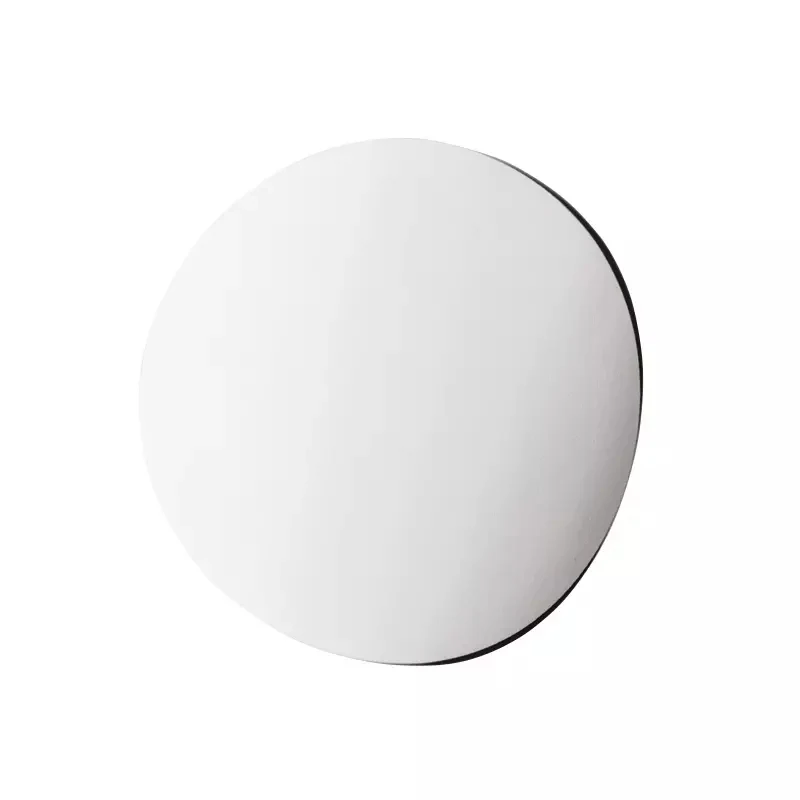
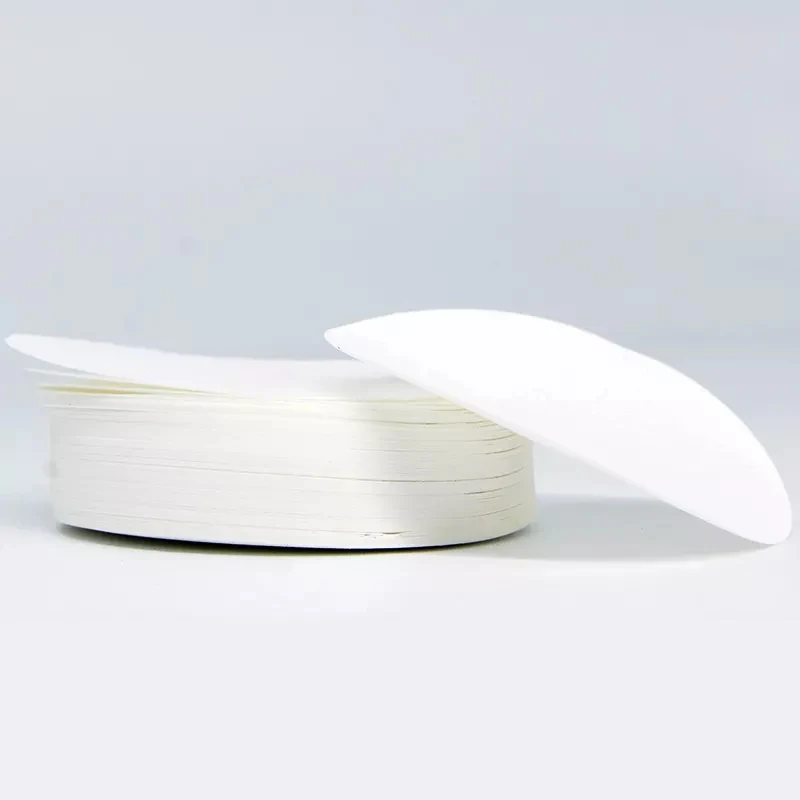
PES Membrane Filter product photo 1
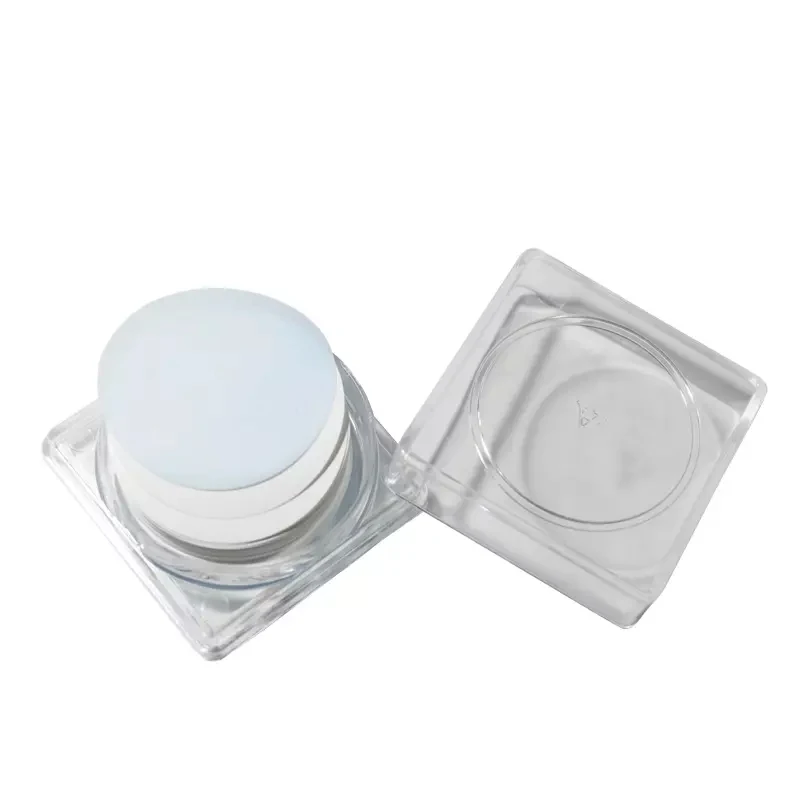
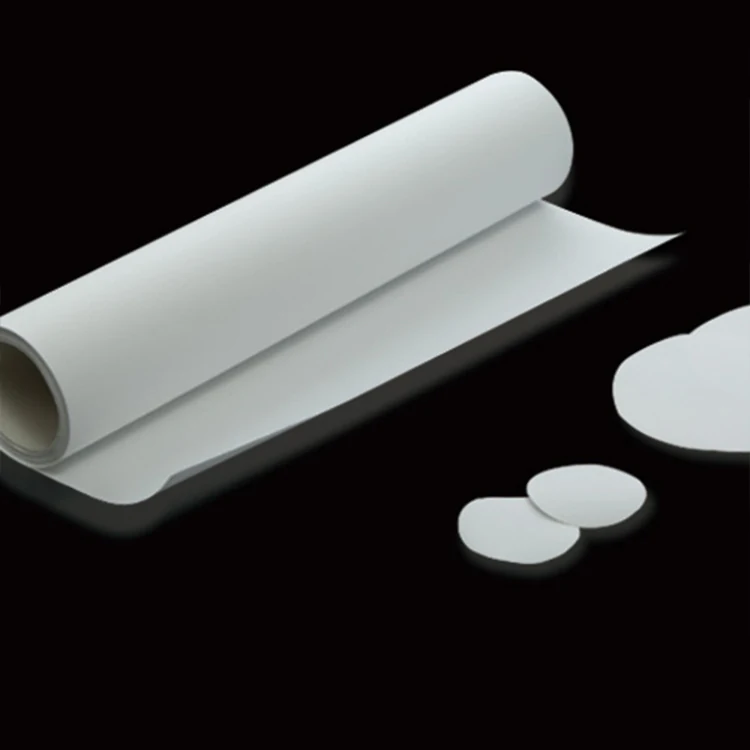
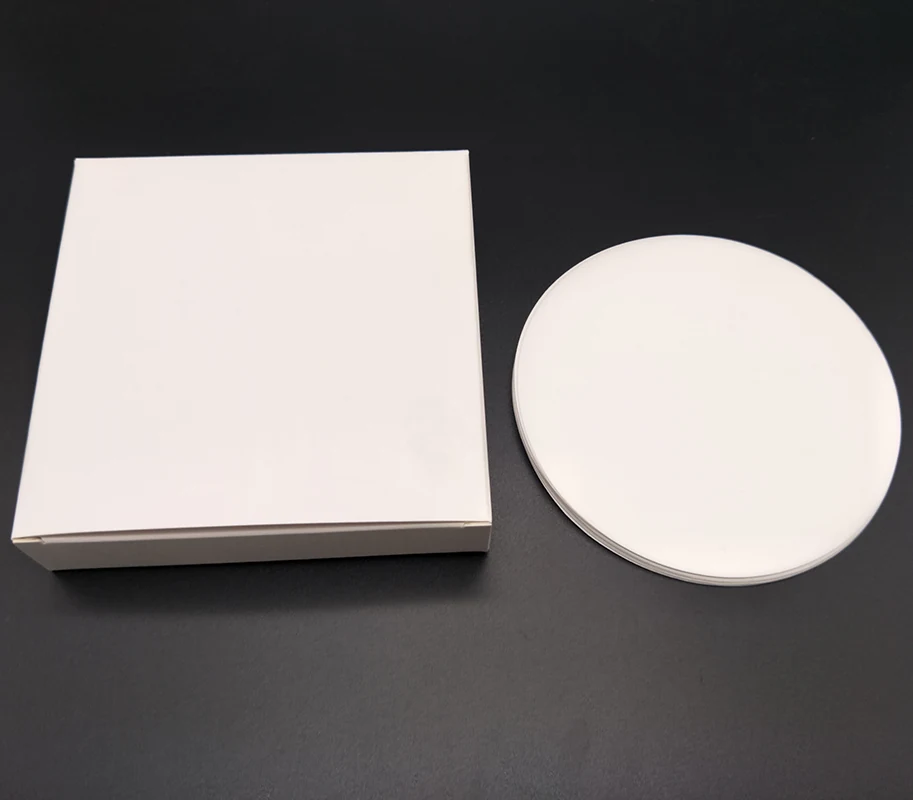
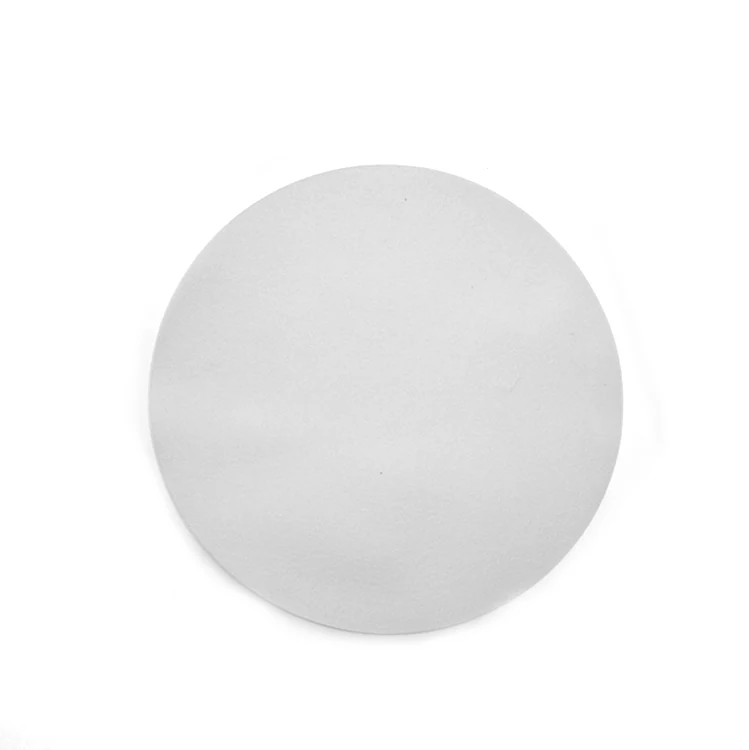
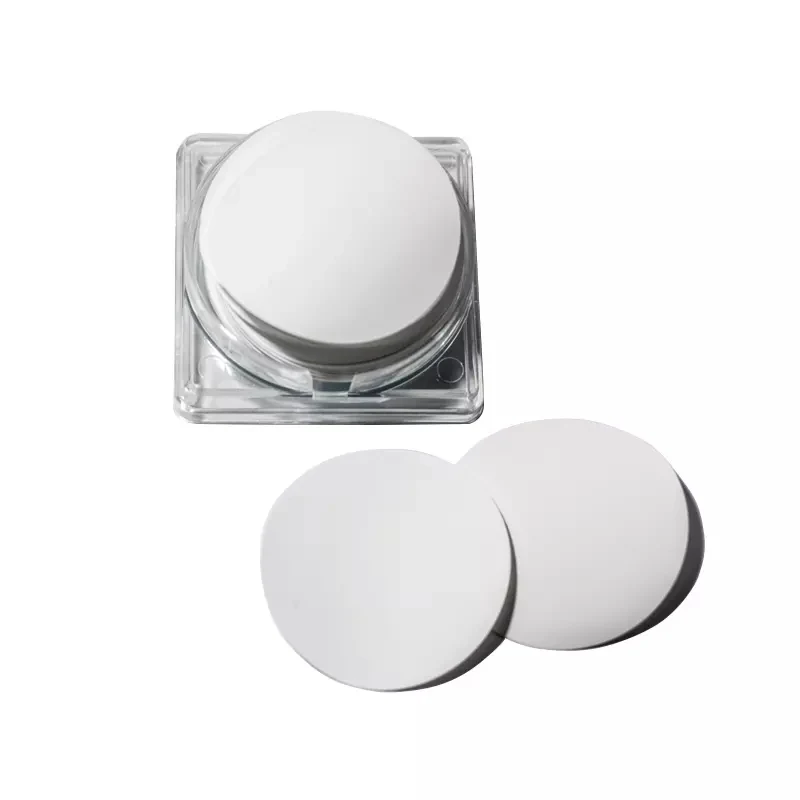
PES Membrane Filter product photo 2PES Membrane Filter product photo 3
Membrane Filter

PES Membrane Filter

PES Membrane Filters are designed for high-flow, low-adsorption filtration in life science and analytical applications. Made from polyethersulfone with an inherently hydrophilic surface, they deliver consistent performance across a wide range of pore sizes and operating conditions. The asymmetric structure provides high porosity and mechanical strength, enabling fast flow rates and long service life. These filters are suitable for sterile filtration of protein solutions, tissue culture media, and high-temperature liquids, with low extractables and minimal protein binding.

  • Inherently hydrophilic surface enables rapid wetting without surfactants
  • Low protein and drug adsorption preserves sample integrity in biological assays
  • High flow rates at low pressure reduce filtration time and improve throughput
  • Wide pore size range from 0.1 to 5.0 micron supports diverse particle retention needs
Key Benefits

What This Product Gives You

  • Inherently hydrophilic surface enables rapid wetting without surfactants
  • Low protein and drug adsorption preserves sample integrity in biological assays
  • High flow rates at low pressure reduce filtration time and improve throughput
  • Wide pore size range from 0.1 to 5.0 micron supports diverse particle retention needs
  • Consistent performance across lots ensures method reproducibility
  • High mechanical strength allows compatibility with various filter housings and assembly methods
  • Material: Polyethersulfone (PES), modified polymer with asymmetric structure
  • Wettability: Inherently hydrophilic, no surfactants required for wetting
  • Color: White, plain surface
  • Membrane formats: Disc, Roll, Sheet, Strip, Customizable
  • Thickness: 100±15 μm
  • Maximum operating pressure: 4.2 bar at 23°C
  • pH range: 6-13
  • Sterilization compatibility: Autoclave, Ethylene Oxide, E-Beam, Gamma irradiation
  • Endotoxin levels: <0.25 Eu/ml (tested using 400 cm²/400 ml S.W.F.I. per LAL)
  • Extractables: <1% (<0.015 mg/cm²)
  • BSA protein binding: <20 μg/cm²
  • Water flow rate at 25°C and ΔP = 0.07 MPa: >5 ml/min/cm² (0.1 μm), >8 (0.22 μm), >18 (0.45 μm)
  • Bubble point: ≥3.4 bar (0.1 μm), ≥2.7 (0.22 μm), ≥1.9 (0.45 μm), ≥1.1 (0.65 μm), ≥0.8 (0.8 μm), ≥0.6 (1.0 μm), ≥0.4 (1.2 μm), ≥0.4 (5.0 μm)
Where It Is Used

Applications And Buyers

Application Scenarios

  • Sterile filtration of protein solutions and monoclonal antibodies in biopharmaceutical development
  • Filtration of tissue culture media and additives to prevent microbial contamination
  • High-temperature liquid filtration in chemical and industrial processes
  • Removal of particulates from aqueous and mixed solvent samples before HPLC analysis
  • Filtration of water and chemical reagents requiring low extractables and high purity

Who It Is For

  • Life-science laboratories conducting protein purification and cell culture work
  • Pharmaceutical R&D labs requiring low-adsorption filters for drug stability studies
  • Environmental and food testing labs handling high-temperature or aggressive solvents
  • OEM filter brands seeking consistent, high-performance membrane substrates
  • Laboratory distributors sourcing reliable, multi-application membrane filters

Problems It Solves

  • Low flow rates due to poor wettability or high resistance in hydrophobic membranes
  • Protein loss during filtration caused by high binding to membrane surfaces
  • Sample contamination from extractables in low-purity or multi-layer membranes
  • Inconsistent performance across batches leading to failed method validation
  • Premature filter failure under high pressure or thermal stress due to weak membrane structure
Data

Specifications

Membrane MaterialPES (Polyethersulfone)
WettabilityHydrophilic
ColorWhite / Plain
Membrane FormatDisc, Roll, Sheet, Strip, Customizable
Thickness100±15 μm
Max Operating Pressure4.2 bar at 23°C
pH Range6-13
Pore Size0.1, 0.22, 0.45, 0.65, 0.8, 1.0, 1.2, 5.0 micron
Water Flow Rate>5 ml/min/cm² (0.1 μm), >8 (0.22 μm), >18 (0.45 μm)
Bubble Point≥3.4 bar (0.1 μm), ≥2.7 (0.22 μm), ≥1.9 (0.45 μm), ≥1.1 (0.65 μm), ≥0.8 (0.8 μm), ≥0.6 (1.0 μm), ≥0.4 (1.2 μm), ≥0.4 (5.0 μm)
Sterilization CompatibilityAutoclave, Ethylene Oxide, E-Beam, Gamma irradiation
Endotoxin Level<0.25 Eu/ml
Extractables<1% (<0.015 mg/cm²)
BSA Protein Binding<20 μg/cm²

Materials

  • Polyethersulfone (PES) membrane, modified polymer with asymmetric structure
  • Hydrophilic surface without surfactant additives
  • Compatible with standard filter housing materials and assembly methods

Customization Options

  • Custom membrane formats: Disc, Roll, Sheet, Strip, or bespoke shapes
  • Custom dimensions and packaging per order
  • OEM contract manufacturing and private-label packaging available
  • Sterilization options: Gamma, E-Beam, autoclave, or ethylene oxide
  • Part number and labeling tailored for client branding
How It Is Made

Manufacturing And Quality Control

Manufacturing Process

  • Polyethersulfone polymer casting into membrane sheets
  • Asymmetric structure optimization for high porosity and flow
  • Membrane die-cutting into disc, roll, sheet, strip, or custom formats
  • Quality inspection for uniformity and integrity
  • Sterilization (if specified) via gamma irradiation, E-Beam, autoclave, or ethylene oxide
  • Packing according to order specifications

Quality Control

  • Membrane thickness verified within 100±15 μm tolerance
  • Pore size and bubble point tested per lot
  • Flow rate measured at 25°C and ΔP = 0.07 MPa
  • Endotoxin levels confirmed via LAL test using 400 cm²/400 ml S.W.F.I.
  • Extractables tested to ensure <1% (<0.015 mg/cm²)
  • BSA protein binding measured to ensure <20 μg/cm²
  • Lot-to-lot consistency verified through performance testing
Comparison

Compared With The Alternatives

Versus Nylon membranes

PES offers superior chemical resistance and lower extractables, especially in aggressive solvents and high-temperature applications where nylon may degrade.
Versus Cellulose acetate membranes

Use Guide

How To Use It

  • Select pore size based on particle size: 0.22 μm for sterile filtration, 0.45 μm for routine clarification
  • Use 0.1 μm for ultrafine particulate removal in sensitive analytical applications
  • Ensure pH remains within 6-13 range to avoid membrane degradation
  • For high-temperature applications, confirm operating temperature does not exceed material limits
  • Sterilize using gamma irradiation, E-Beam, autoclave, or ethylene oxide as required
  • Avoid exposure to strong oxidizing agents or solvents outside the recommended range
  • Handle with care during installation to prevent membrane damage
Photos

Product Gallery

Also In This Category

Related Products

Read Next

Related Industries And Guides

FAQ

Questions Buyers Ask

What is the maximum operating pressure for PES membranes?

Maximum operating pressure is 4.2 bar at 23°C. Exceeding this may compromise membrane integrity.

Can PES membranes be sterilized?

Yes. PES membranes are compatible with autoclave, ethylene oxide, E-Beam, and gamma irradiation sterilization.

What pore sizes are available?

Available pore sizes are 0.1, 0.22, 0.45, 0.65, 0.8, 1.0, 1.2, and 5.0 micron.

Are these membranes suitable for protein filtration?

Yes. PES membranes have low protein adsorption and are ideal for filtering protein solutions and tissue culture media.

How are the filters packed?

Discs are packed in 100, 200, or 50 pieces per pack depending on diameter. Rolls are packed as 1 roll per pack.

Can you supply custom sizes or formats?

Yes. Custom membrane formats including disc, roll, sheet, strip, and bespoke shapes are available through OEM and customization services.

Get A Quote For PES Membrane Filter

Tell us the membrane, pore size, diameter and quantity you need, or describe the sample and we will specify it.