Syringe filters, chromatography vials, SPE and biotechnology products are produced according to the ISO 9001 standard system. [email protected] +86-15306778688
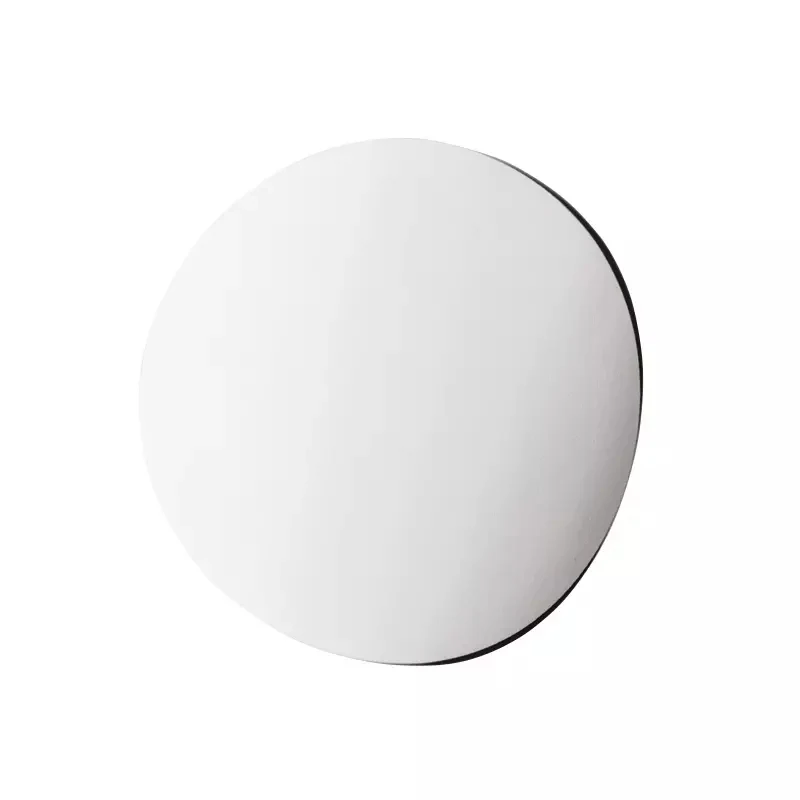
PTFE Membrane Filter product photo 1
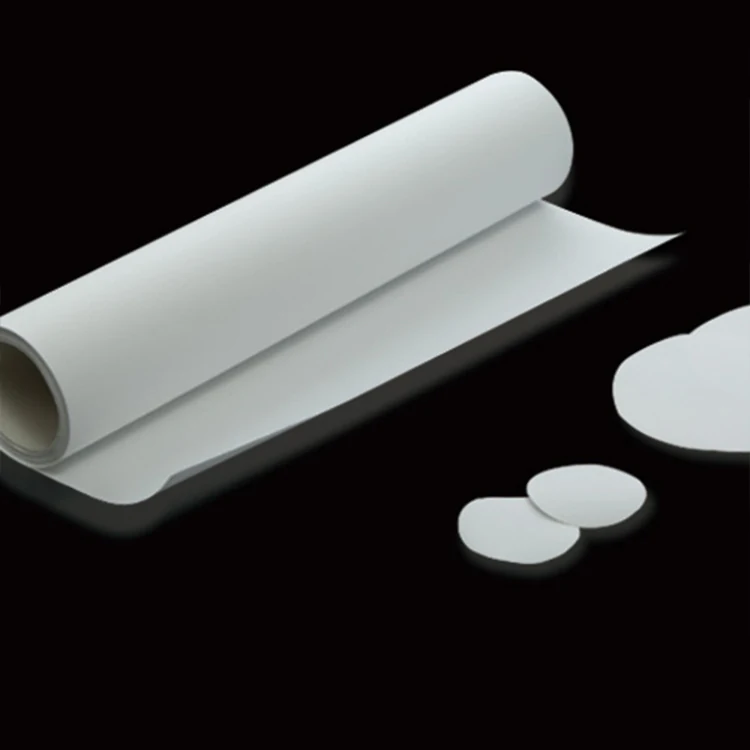
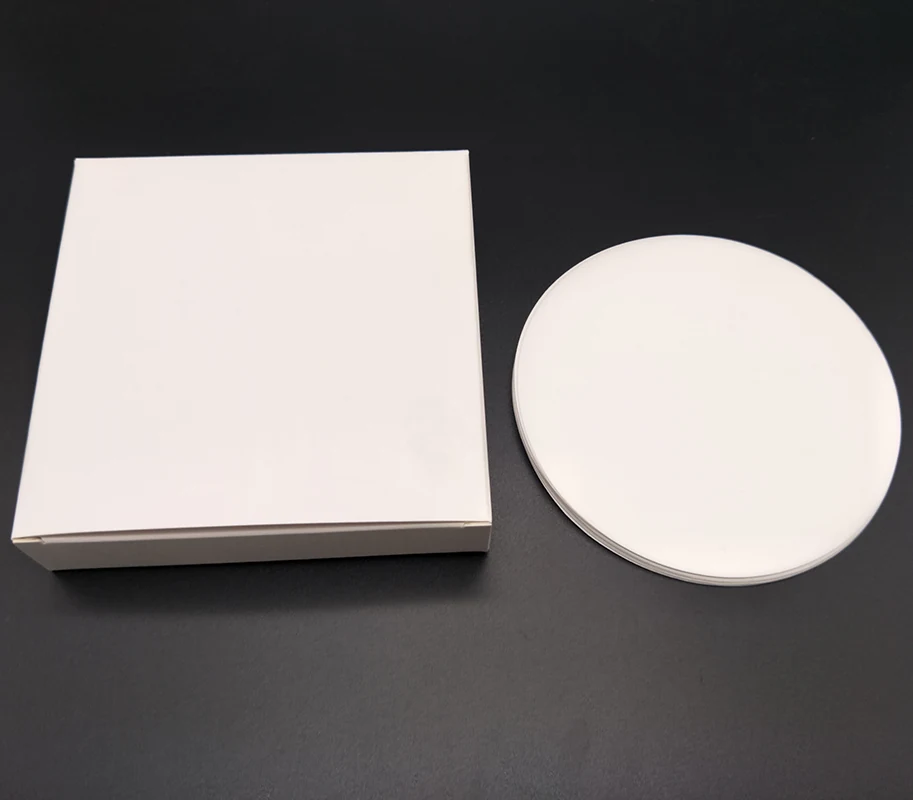
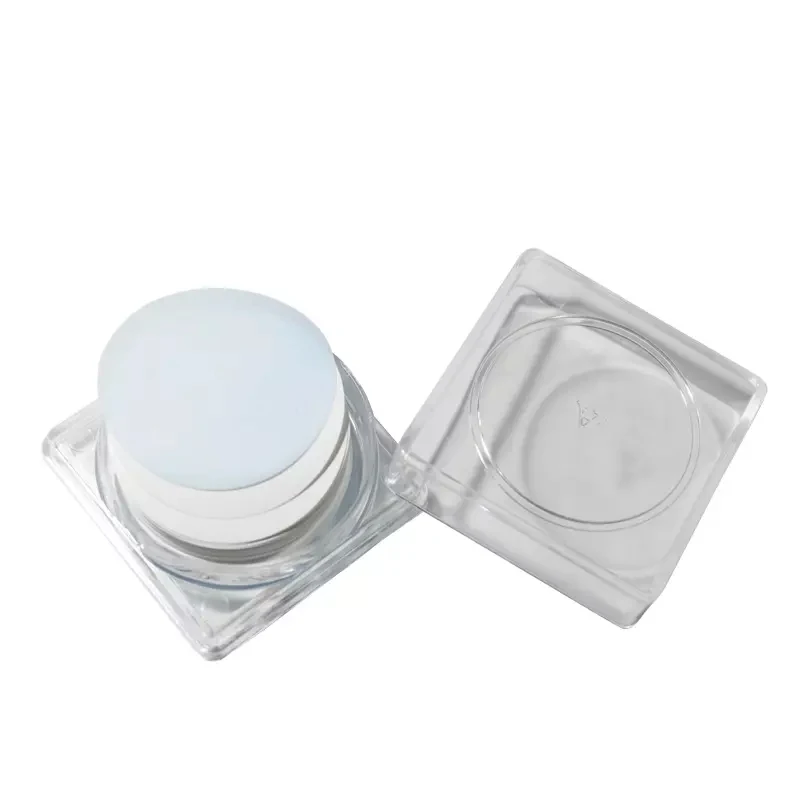
PTFE Membrane Filter product photo 2PTFE Membrane Filter product photo 3
Membrane Filter

PTFE Membrane Filter

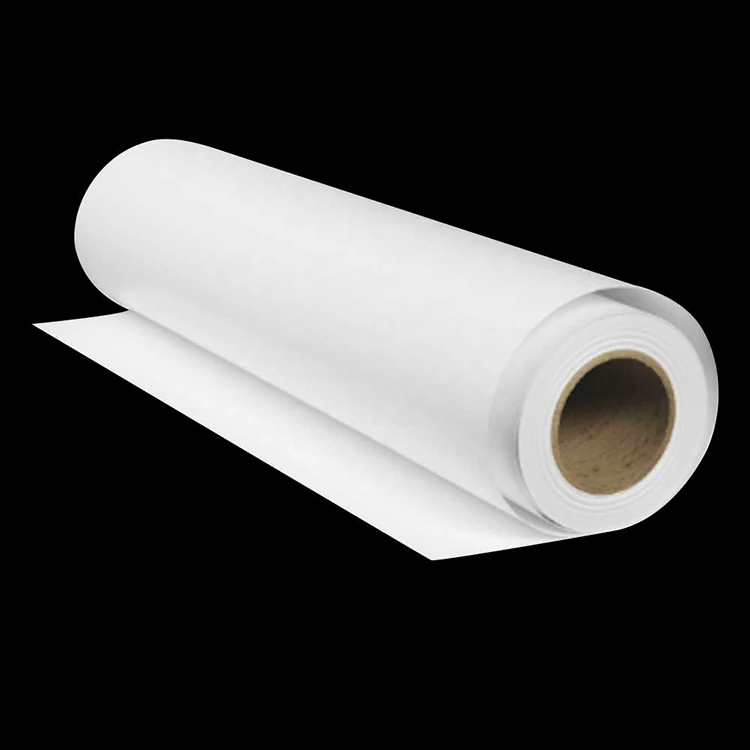
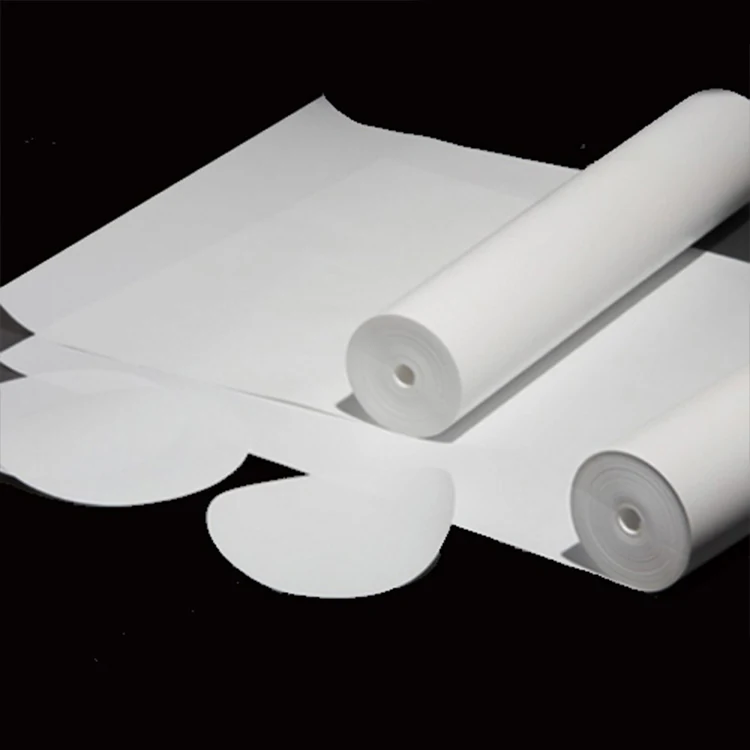
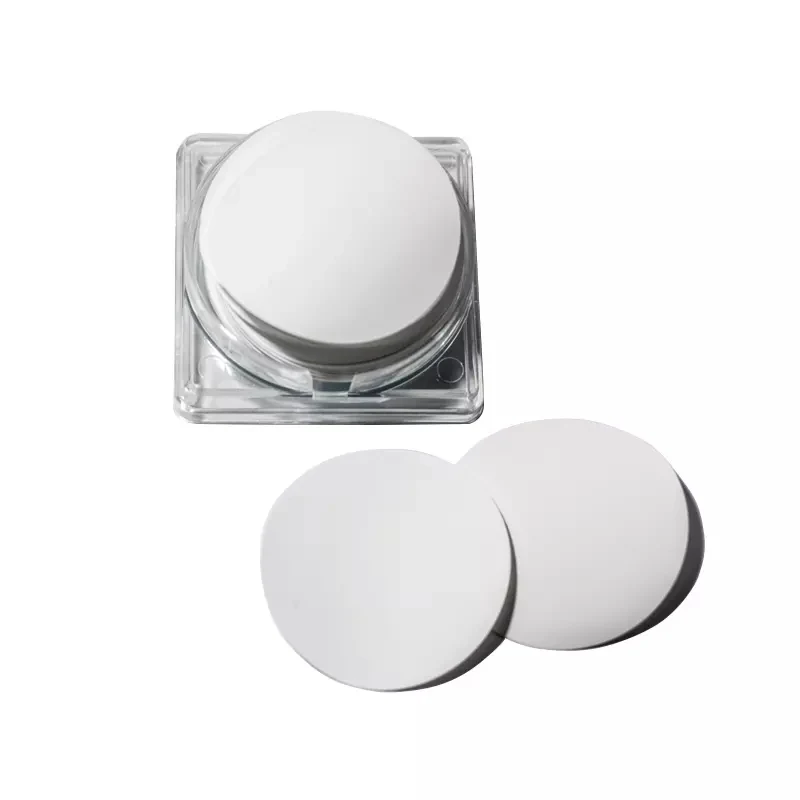
PTFE membrane filters are designed for challenging sample matrices requiring high chemical resistance and low extractables. The hydrophobic version is ideal for air monitoring, solvent clarification, and aggressive chemical handling. The hydrophilic variant enables filtration of both aqueous and organic mixtures without pre-wetting. Both types are supported by a polypropylene net for improved handling and are available in disc, roll, sheet, strip, and customizable formats. The membranes are manufactured using a unique biaxial and uniaxial expansion process to achieve high porosity and strength.

  • Hydrophobic PTFE resists acids, bases, solvents, and propellants without degradation
  • Hydrophilic PTFE enables direct filtration of aqueous and mixed solvent solutions without pre-wetting
  • Polypropylene net support improves handling and reduces membrane tearing during use
  • High porosity and air permeability reduce filtration time for gas and volatile samples
Key Benefits

What This Product Gives You

  • Hydrophobic PTFE resists acids, bases, solvents, and propellants without degradation
  • Hydrophilic PTFE enables direct filtration of aqueous and mixed solvent solutions without pre-wetting
  • Polypropylene net support improves handling and reduces membrane tearing during use
  • High porosity and air permeability reduce filtration time for gas and volatile samples
  • Biaxial and uniaxial expansion process ensures consistent pore structure and lot-to-lot reproducibility
  • Manufactured using biaxial and uniaxial expansion of polytetrafluoroethylene (PTFE)
  • Supported by a polypropylene net on the underside for improved handling
  • Available in hydrophobic and hydrophilic variants for broad application coverage
  • High porosity and excellent air permeability reduce filtration time for gases and volatile liquids
  • Lot-to-lot consistency ensures reproducible results across batches
  • Maximum operating temperature of 100 C, pH range 1 to 14
  • Available in disc, roll, sheet, strip, and customizable formats
Where It Is Used

Applications And Buyers

Application Scenarios

  • Filtering aggressive solvents and reagents in pharmaceutical and chemical R&D
  • Clarifying hydraulic fluids and lubricants for contamination analysis
  • Air monitoring in industrial and environmental testing using hydrophobic PTFE
  • Isolating RNA from complex biological matrices with hydrophilic PTFE
  • Handling mixed aqueous and organic samples in method development and QC

Who It Is For

  • Pharmaceutical and chemical laboratories handling corrosive or volatile solvents
  • Environmental testing labs conducting air and fluid sampling in harsh conditions
  • Life-science labs requiring reliable RNA isolation with minimal sample loss
  • Contract testing organizations needing consistent performance across multiple sample types
  • OEM partners requiring customizable membrane formats and private-label packaging

Problems It Solves

  • Membrane degradation when filtering strong acids, bases, or aggressive solvents
  • Inconsistent filtration performance due to poor membrane integrity or handling
  • High resistance to flow when using membranes with low porosity or poor permeability
  • Need for pre-wetting hydrophobic membranes before aqueous sample filtration
  • Inability to handle mixed solvent and aqueous matrices with a single membrane type
Data

Specifications

Membrane MaterialPolytetrafluoroethylene (PTFE) with PP layer
ColorWhite / Plain
Membrane FormatDisc, Roll, Sheet, Strip, Customizable
Thickness160±10 μm
Max Operating Temperature100 C
pH Range1 to 14
Hydrophobic Pore Sizes0.1, 0.22, 0.45, 1.0, 2.0, 3.0, 5.0 micron
Hydrophilic Pore Sizes0.1, 0.22, 0.45, 1.0, 3.0, 5.0 micron
Alcohol Flow Rate (25°C, p=0.07MPa)2 to 80 ml/min/cm²
Air Flow Rate (25°C, 0.01MPa)≥150 to ≥1900 m³/m²/hr
Bubble Point (Hydrophobic)≥0.015 to ≥0.15 bar
Bubble Point (Hydrophilic)≥0.035 to ≥0.16 bar
Water Flow Rate (25°C, p=0.07MPa)≥1.7 to ≥13.3 ml/min/cm²
Sterilization CompatibilityAutoclave, Ethylene Oxide, E-Beam, Gamma Irradiation

Materials

  • Polytetrafluoroethylene (PTFE) membrane with polypropylene (PP) net support
  • Hydrophobic PTFE for aggressive solvents and air monitoring
  • Hydrophilic PTFE for aqueous and mixed solvent applications

Customization Options

  • Custom membrane formats including disc, roll, sheet, strip, and bespoke shapes
  • Custom packaging quantities and labeling available
  • OEM private-label printing and packaging through Microlab OEM division
  • Custom pore sizes and dimensions available upon request
How It Is Made

Manufacturing And Quality Control

Manufacturing Process

  • Biaxial and uniaxial expansion of PTFE to create high-porosity structure
  • Lamination of polypropylene net to the underside for handling strength
  • Die-cutting of membranes into disc, roll, sheet, or strip formats
  • Quality inspection of pore size, thickness, and surface integrity
  • Packaging according to order specifications: 25 to 200 pieces per pack

Quality Control

  • Pore size verified against specified values for each part number
  • Membrane thickness measured to ensure 160±10 μm tolerance
  • Bubble point test conducted to confirm integrity and pore size
  • Visual inspection for defects, tears, or contamination
  • Lot-to-lot consistency verified through batch testing
Comparison

Compared With The Alternatives

Versus Standard PTFE membranes without PP support

The polypropylene net improves handling and reduces tearing during use, especially in roll and sheet formats.

Versus Hydrophobic membranes requiring pre-wetting

Hydrophilic PTFE eliminates the need for pre-wetting, enabling direct filtration of aqueous samples.

Versus Non-expanded PTFE membranes

The biaxial and uniaxial expansion process increases porosity and permeability, reducing filtration time.

Versus Multi-layer membranes

Single-layer PTFE construction minimizes extractables and maintains low background in analytical methods.
Use Guide

How To Use It

  • Select hydrophobic PTFE for air monitoring, solvent clarification, and aggressive chemicals
  • Choose hydrophilic PTFE for aqueous solutions, mixed solvents, or RNA isolation
  • Use 0.22 micron for particle retention in sensitive analytical applications
  • Use 0.45 micron for routine filtration of viscous or particle-laden samples
  • Handle roll and sheet formats carefully to avoid tearing; use the PP net as a guide
  • Sterilize using autoclave, E-Beam, gamma irradiation, or ethylene oxide as needed
  • Store in a dry, cool environment away from direct UV exposure
Photos

Product Gallery

Also In This Category

Related Products

Read Next

Related Industries And Guides

FAQ

Questions Buyers Ask

What is the difference between hydrophobic and hydrophilic PTFE?

Hydrophobic PTFE repels water and is used for air monitoring and solvent clarification. Hydrophilic PTFE is treated to attract water and can filter aqueous solutions directly without pre-wetting.

Can I use this membrane for RNA isolation?

Yes. The hydrophilic PTFE membrane is suitable for isolating RNA from biological samples due to its chemical resistance and low protein binding.

Are the membranes compatible with gamma irradiation?

Yes. Both hydrophobic and hydrophilic PTFE membranes are compatible with gamma irradiation for sterilization.

How are the membranes packaged?

Discs are packed in 25 to 200 pieces per pack depending on size. Rolls are supplied as single units per pack. Custom packaging is available.

Can I get custom sizes or shapes?

Yes. Custom formats including disc, roll, sheet, strip, and bespoke shapes are available through the OEM division.

Get A Quote For PTFE Membrane Filter

Tell us the membrane, pore size, diameter and quantity you need, or describe the sample and we will specify it.