
Syringe filters, chromatography vials, SPE and biotechnology products are produced according to the ISO 9001 standard system. [email protected] +86-15306778688
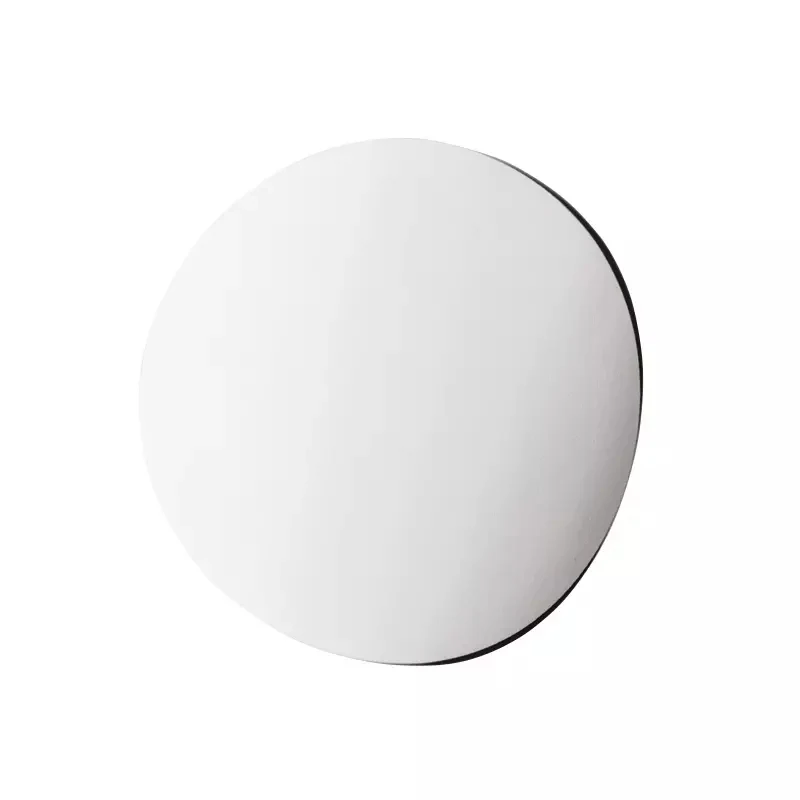
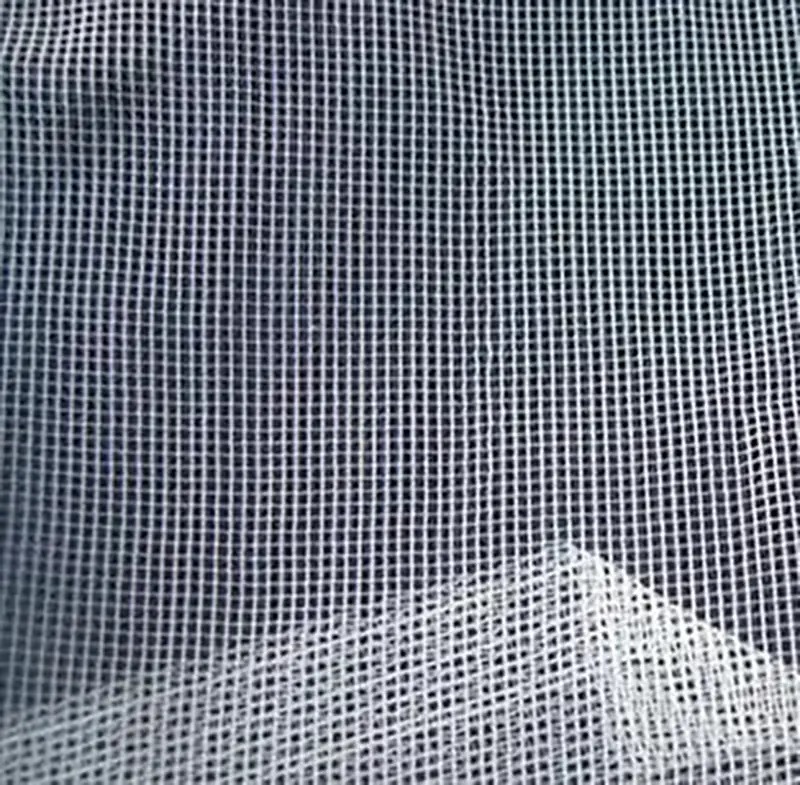
Mesh Filter product photo 1
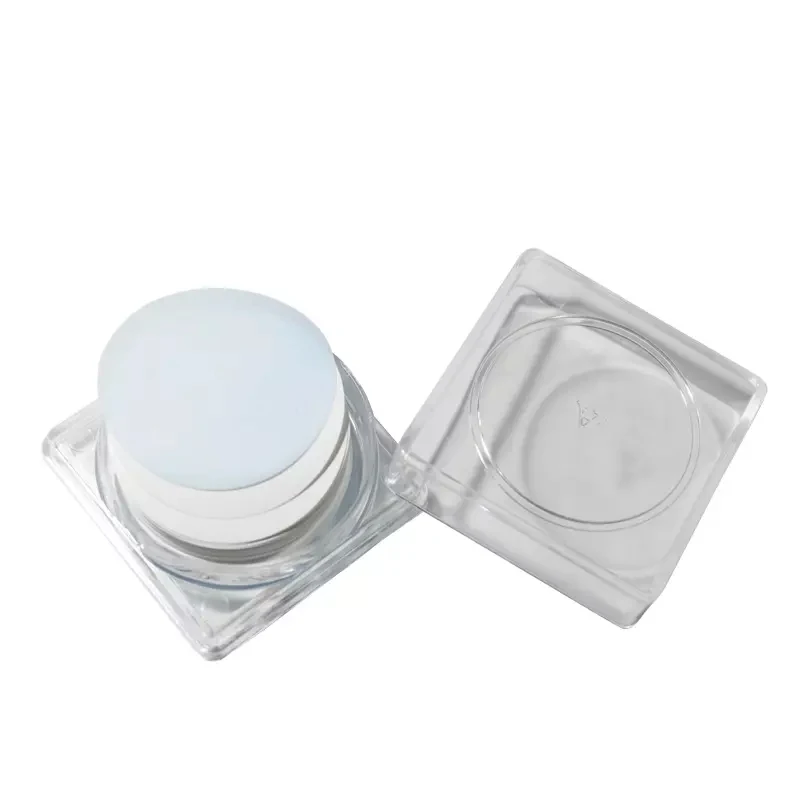
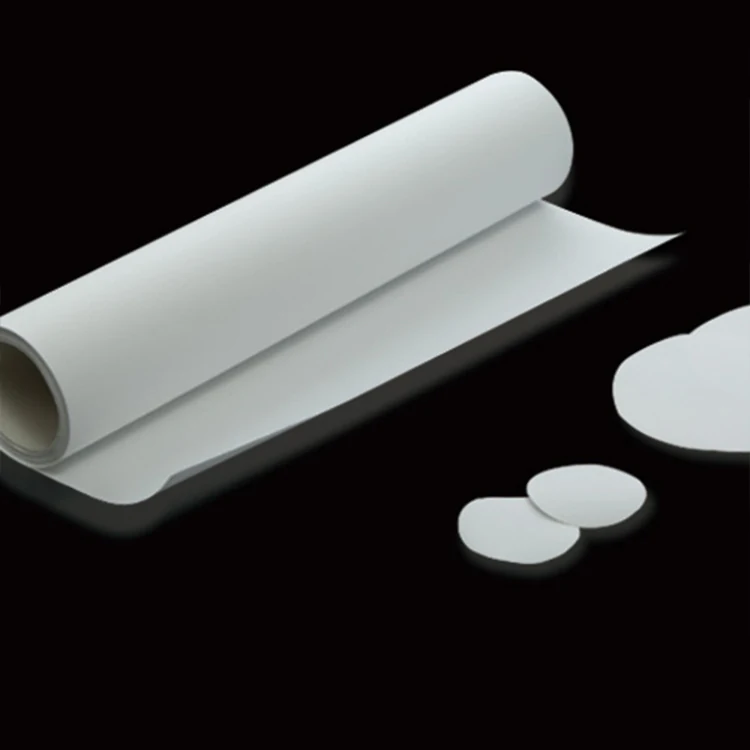
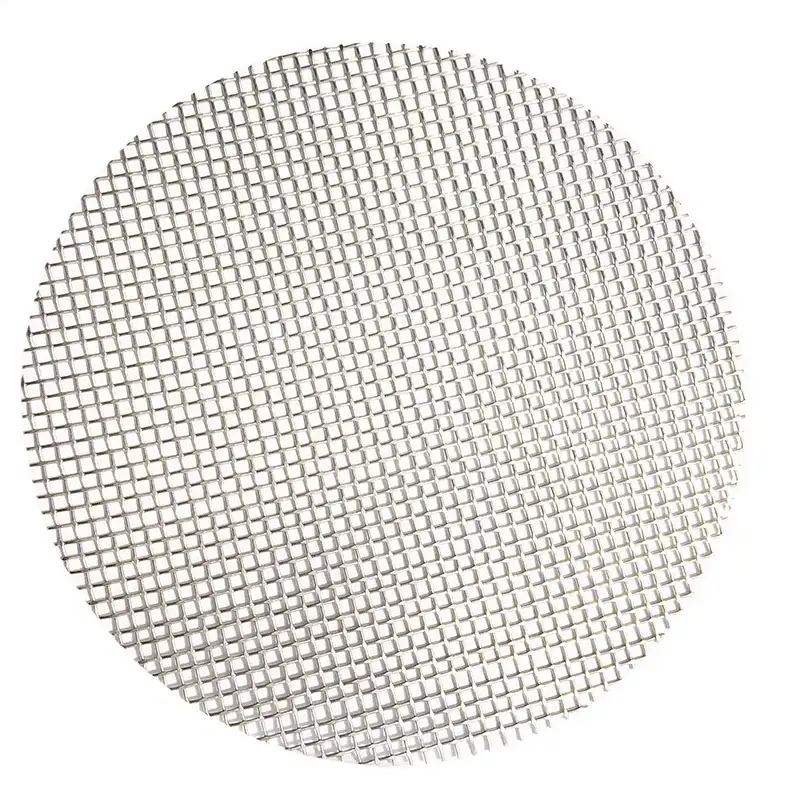
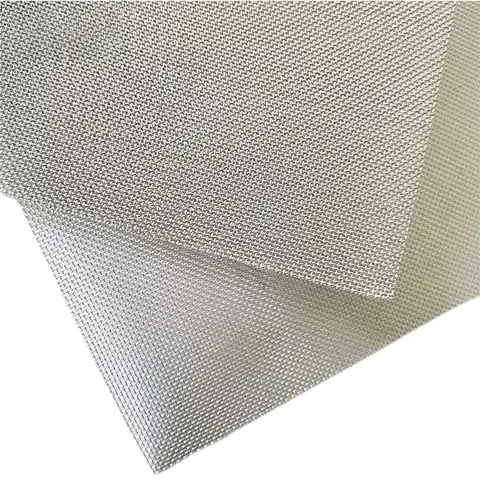
Mesh Filter product photo 2Mesh Filter product photo 3Mesh Filter product photo 4
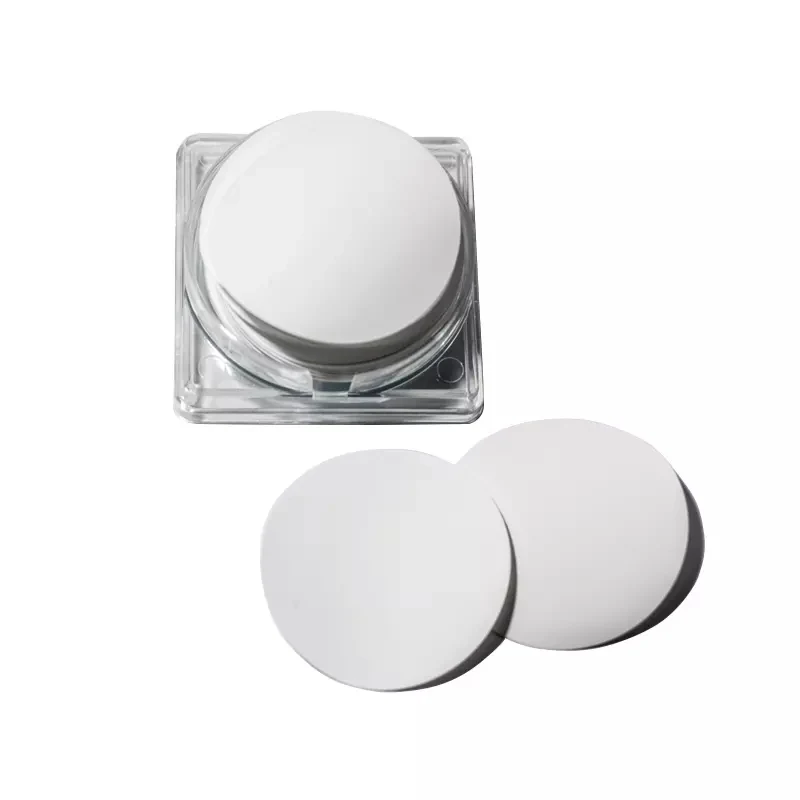
Membrane Filter

Mesh Filter

Mesh Filters are designed for prefiltration and clarification of solvents and solutions containing large suspended solids. Made from woven monofilament nylon or 100% virgin polypropylene, they offer large pore sizes from 10 to 180 µm and broad chemical compatibility. The precise mesh opening, open surface area, and consistent thickness ensure reliable particle retention and flow performance across diverse analytical and industrial applications.

  • Large pore sizes from 10 to 180 µm allow efficient removal of coarse particulates without clogging
  • Woven monofilament construction provides consistent mesh opening and mechanical strength
  • 100% virgin polypropylene and nylon materials ensure broad chemical compatibility with solvents and samples
  • High open surface area (up to 87%) improves flow rate and reduces pressure build-up
Key Benefits

What This Product Gives You

  • Large pore sizes from 10 to 180 µm allow efficient removal of coarse particulates without clogging
  • Woven monofilament construction provides consistent mesh opening and mechanical strength
  • 100% virgin polypropylene and nylon materials ensure broad chemical compatibility with solvents and samples
  • High open surface area (up to 87%) improves flow rate and reduces pressure build-up
  • Available in 47 mm diameter with multiple pore sizes to match specific filtration needs
  • Made from woven monofilament PA6 (Nylon) or 100% virgin polypropylene (PP)
  • Mesh openings from 10 to 180 µm, with options at 30, 41, 60, 80, 100, 120, 140, 180 µm
  • Open surface area ranges from 19% to 87% depending on mesh size
  • Mesh thickness from 36 to 87 µm, with weight from 35 to 78 g/m²
  • 47 mm diameter standard size for compatibility with common filtration setups
  • High chemical compatibility with a broad range of solvents and solutions
  • Consistent mechanical strength and dimensional stability under normal operating conditions
Where It Is Used

Applications And Buyers

Application Scenarios

  • Clarifying solvents and reagents before use in HPLC or GC systems to prevent column contamination
  • Pre-filtration of industrial process streams containing large particulates or debris
  • Recovery of large suspended solids from liquid samples in environmental or chemical testing
  • Supporting contamination analysis by removing coarse particles without altering sample composition
  • Filtering high-volume samples where membrane filters would clog too quickly

Who It Is For

  • Pharmaceutical and chemical laboratories requiring prefiltration of solvents and reagents
  • Environmental testing labs handling water or soil extracts with high particulate load
  • Food and beverage labs filtering bulk liquids before analysis
  • Industrial filtration operations needing durable, reusable-like performance in single-use format
  • Lab distributors sourcing prefiltration solutions with consistent pore size and material integrity

Problems It Solves

  • Clogging of downstream membrane filters due to large particulates in the feed stream
  • Loss of sample integrity when using filters with poor chemical resistance or extractables
  • Inconsistent particle retention caused by irregular mesh structure or low open area
  • Difficulty in recovering large suspended solids from solution with standard microfiltration membranes
  • High pressure drop during filtration due to low open surface area or thin mesh thickness
Data

Specifications

Filter MediaNylon, Polypropylene
Diameter47 mm
Mesh Opening10, 30, 41, 60, 80, 100, 120, 140, 180 µm
Open Surface Area19% to 87%
Thickness36 to 87 µm
Weight35 to 78 g/m²
Packing100 pcs per pack
Part NumbersME47NY030, ME47NY041, ME47NY060, ME47NY080, ME47NY100, ME47NY120, ME47NY140, ME47NY180, ME47PP100, ME47PP150

Materials

  • Woven monofilament PA6 (Nylon)
  • 100% virgin polypropylene (PP)

Customization Options

  • Choice of nylon or polypropylene media for different chemical compatibility needs
  • Multiple pore sizes available from 10 to 180 µm in 47 mm diameter
  • OEM private-label printing and packaging available through the Microlab OEM division
  • Custom mesh configurations possible via OEM contract manufacturing
How It Is Made

Manufacturing And Quality Control

Manufacturing Process

  • Woven monofilament fabrication of nylon and polypropylene mesh
  • Precision control of mesh opening, thickness, and open area during weaving
  • Cutting to 47 mm diameter using die-cutting equipment
  • Inspection for dimensional consistency and surface defects
  • Packing in batches of 100 pieces per pack

Quality Control

  • Mesh opening verified against specified values for each part number
  • Open surface area and thickness measured across multiple samples per batch
  • Visual inspection for tears, warping, or foreign particles
  • Material integrity confirmed through batch traceability and supplier documentation
Comparison

Compared With The Alternatives

Versus Microfiltration membranes

Mesh filters have larger pore sizes and higher open area, making them better for coarse prefiltration without clogging, while microfiltration membranes are for fine particle retention.

Versus Sintered metal filters

Mesh filters are lower cost and easier to dispose of, while sintered metal filters offer higher durability but are not suitable for all solvents.

Versus Paper filters

Mesh filters are reusable in concept and more chemically resistant, while paper filters are single-use and degrade in aggressive solvents.

Versus Standard nylon mesh from other suppliers

Microlab's mesh has precise weaving with consistent open area and thickness, reducing variability between batches.
Use Guide

How To Use It

  • Select nylon for applications requiring higher tensile strength and moderate chemical resistance
  • Choose polypropylene for maximum chemical compatibility with aggressive solvents
  • Use 100-180 µm mesh for removing large particulates or debris from bulk liquids
  • Use 30-80 µm mesh for prefiltration of solvents before injection into analytical instruments
  • Ensure the filter is properly seated in the filtration holder to avoid bypass flow
  • Discard after use to prevent carry-over; do not reuse in critical applications
Photos

Product Gallery

Also In This Category

Related Products

Read Next

Related Industries And Guides

FAQ

Questions Buyers Ask

What is the difference between nylon and polypropylene mesh filters?

Nylon offers higher tensile strength and is suitable for moderate chemical environments. Polypropylene is 100% virgin and provides broader chemical compatibility, especially with aggressive solvents.

Which mesh size should I use for solvent prefiltration?

For solvent prefiltration, use 100 µm or 120 µm mesh to remove coarse particulates without clogging. For more demanding applications, 80 µm or 60 µm may be used.

Can these filters be used with aggressive solvents?

Yes. Both nylon and polypropylene mesh filters are designed for broad chemical compatibility, including with aggressive solvents.

Are the filters reusable?

No. These are single-use filters designed for one-time use to prevent carry-over and ensure consistent performance.

What is the packing quantity?

Each pack contains 100 pieces. The filters are supplied in bulk with no individual packaging.

Can I get these under my own brand?

Yes. The Microlab OEM division offers private-label printing and packing, as well as OEM contract manufacturing for custom mesh configurations.

Get A Quote For Mesh Filter

Tell us the membrane, pore size, diameter and quantity you need, or describe the sample and we will specify it.