Syringe filters, chromatography vials, SPE and biotechnology products are produced according to the ISO 9001 standard system. [email protected] +86-15306778688
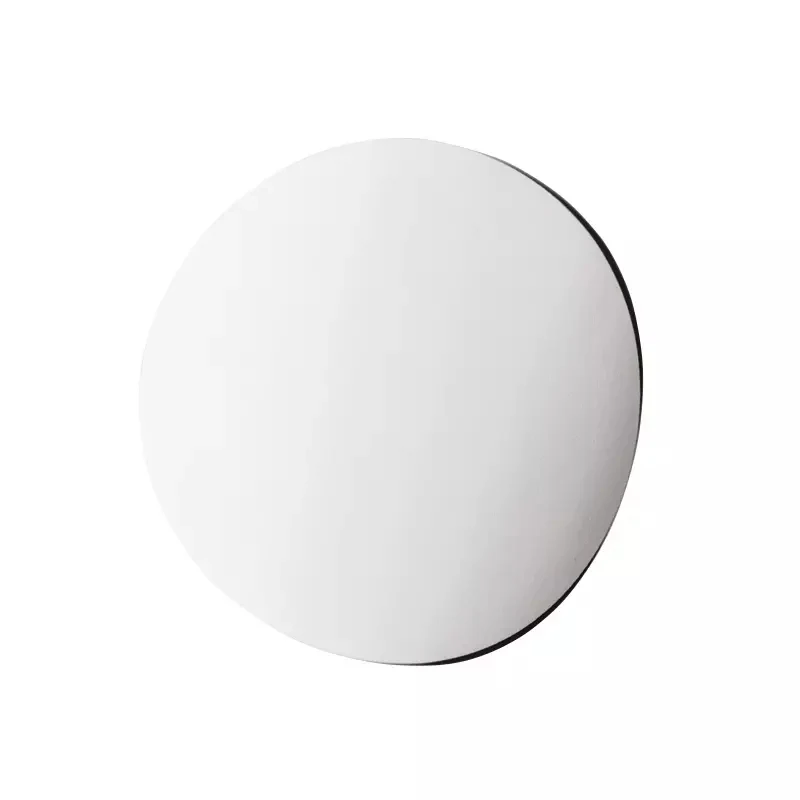
Membrane Selection Guide product photo 1
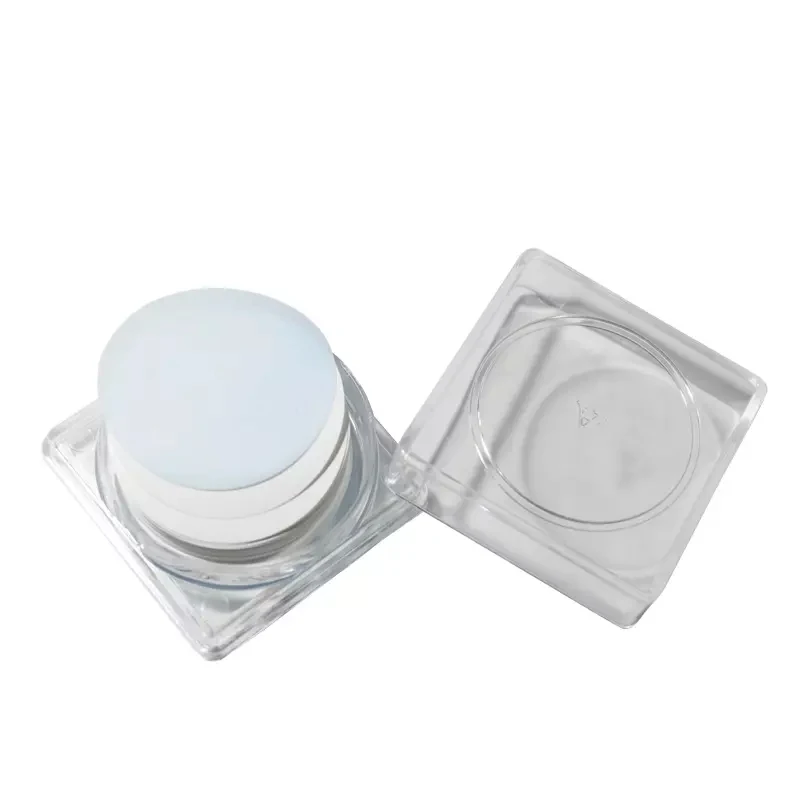
Membrane Selection Guide product photo 2
Membrane Filter

Membrane Selection Guide

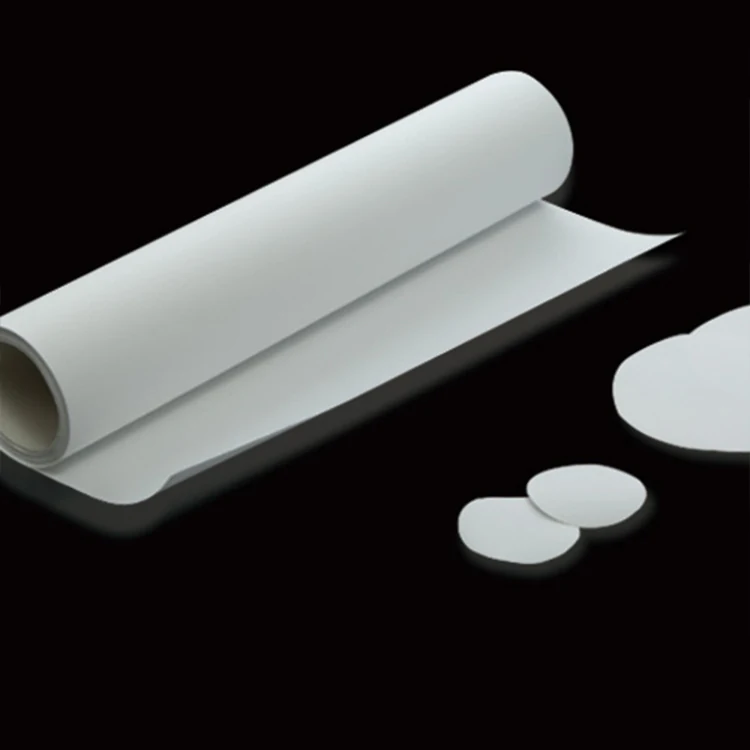
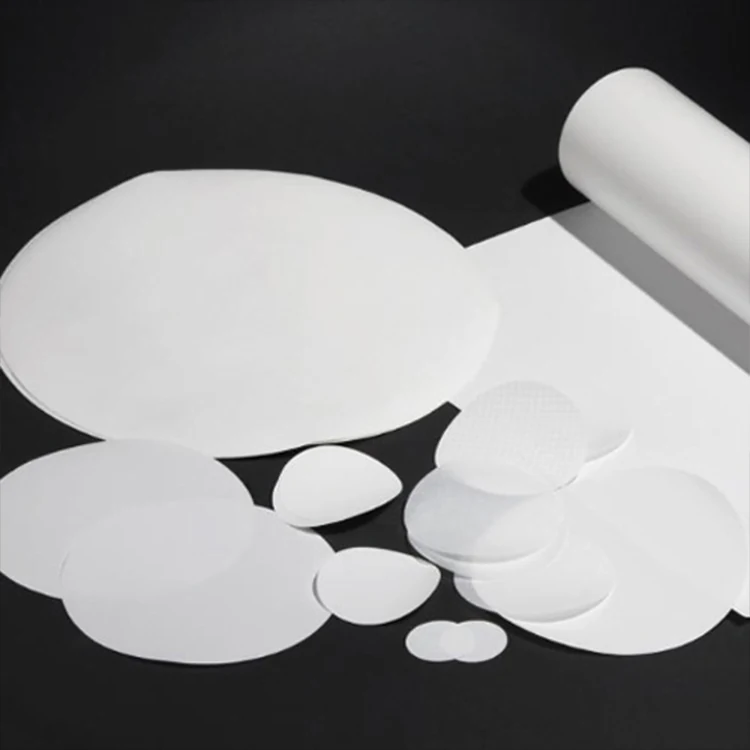
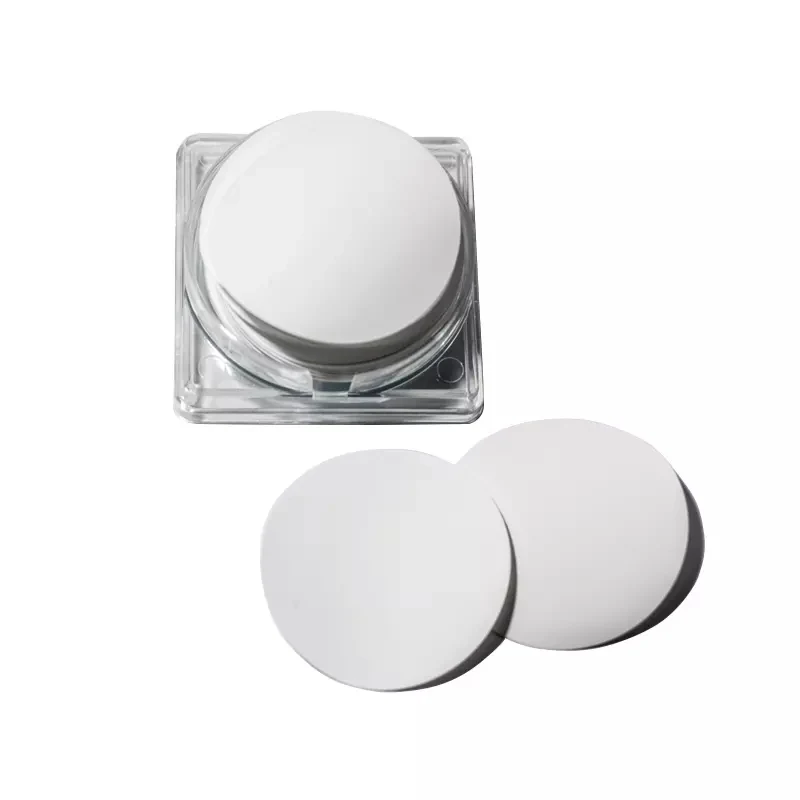
The Microlab Membrane Selection Guide helps analysts choose the right membrane type, pore size, and diameter for sample preparation in HPLC, GC, environmental, food and beverage, pharmaceutical, and life-science applications. It covers disc, roll, and mesh membranes with pore sizes from 0.1 to 10.0 micron and diameters from 13 mm to 293 mm, including custom shapes. All membranes are manufactured in an ISO 9001 certified facility to ensure consistent performance and reproducibility across batches.

  • Accurate pore size distribution ensures consistent particle retention and reproducible filtration results
  • Wide range of membrane materials covers aqueous, organic, and aggressive solvent matrices
  • Disc, roll, and mesh formats support diverse applications from small-scale lab use to industrial filtration
  • Customizable diameters and shapes meet unique system or process requirements
Key Benefits

What This Product Gives You

  • Accurate pore size distribution ensures consistent particle retention and reproducible filtration results
  • Wide range of membrane materials covers aqueous, organic, and aggressive solvent matrices
  • Disc, roll, and mesh formats support diverse applications from small-scale lab use to industrial filtration
  • Customizable diameters and shapes meet unique system or process requirements
  • Manufactured in an ISO 9001 certified facility to ensure process consistency and traceability
  • Disc membranes available in diameters from 13 mm to 293 mm, including custom shapes
  • Pore sizes from 0.1 to 10.0 micron, with standardized coding (e.g. 010 = 0.1 micron)
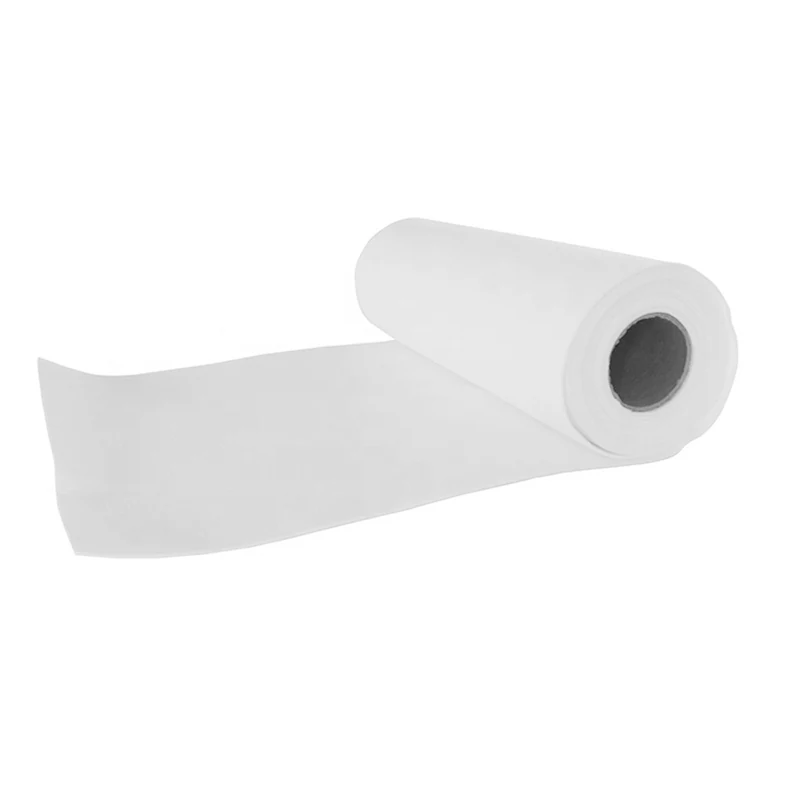
  • Roll membranes available in widths of 270 mm, 280 mm, 300 mm, and customized sizes
  • Mesh filters with pore sizes from 20 to 180 mesh (020 to 180)
  • Membrane materials include Nylon, PES, MCE, PTFE, PVDF, PP, GF, CA, CN, and mesh variants
  • Manufactured in an ISO 9001 certified facility to ensure process control and consistency
Where It Is Used

Applications And Buyers

Application Scenarios

  • Filtering protein samples in biotechnology where membrane compatibility with biological matrices is critical
  • Preparing mobile phases for HPLC and GC analysis with minimal extractables and consistent baseline stability
  • Clarifying environmental water samples containing fine particulates using 0.45 micron or 0.22 micron membranes
  • Handling aggressive organic solvents in pharmaceutical QC with hydrophobic PTFE or PP membranes
  • Using mesh filters for pre-filtration of high particle loads in industrial or process-scale applications

Who It Is For

  • Pharmaceutical and biotech labs requiring consistent membrane performance across method validation batches
  • Environmental and food testing labs handling diverse sample types with varying particle loads
  • Industrial filtration teams needing custom membrane shapes or large-diameter filters for process systems
  • Lab distributors sourcing a full range of membrane types and formats from a single supplier
  • OEM partners needing membrane die-cutting and packaging services for private-label filtration products

Problems It Solves

  • Inconsistent filtration results due to variable pore size distribution across batches
  • Membrane failure in aggressive solvents due to poor chemical resistance
  • Inability to match filter geometry to existing filtration systems or process equipment
  • Lack of standardization when sourcing membranes from multiple suppliers with different coding systems
  • Difficulty in scaling up from lab to production when filter formats do not match
Data

Specifications

Filter MediaNylon, PES, MCE, PTFE, PVDF, PP, GF, CA, CN, Mesh
Disc Diameter13 mm, 25 mm, 37 mm, 47 mm, 50 mm, 90 mm, 142 mm, 293 mm, Customized
Roll Width270 mm, 280 mm, 300 mm, Customized
Mesh Pore Size20, 30, 41, 60, 80, 100, 120, 140, 150, 160, 180 mesh
SterilizationMost membranes can be sterilized if required
PackagingIndividually packaged if required
CertificationManufactured in an ISO 9001 certified facility

Materials

  • Nylon, Polyethersulfone (PES), Mixed Cellulose Ester (MCE), Hydrophobic PTFE, Hydrophilic PTFE, Hydrophobic PVDF, Hydrophilic PVDF, Regenerated Cellulose (RC), Polypropylene (PP), Cellulose Acetate (CA), Cellulose Nitrate (CN), Mesh (Nylon, PP)

Customization Options

  • Custom membrane shapes and sizes beyond standard diameters
  • Custom pore size and material combinations for specific applications
  • Private-label printing and packaging for OEM partners
  • OEM contract manufacturing and membrane die-cutting services available
  • Sterilization and individual packaging on request
How It Is Made

Manufacturing And Quality Control

Manufacturing Process

  • Membrane material selection based on application chemistry
  • Die-cutting of disc and roll membranes to precise dimensions
  • Custom shaping of membranes for non-standard geometries
  • Quality inspection of pore size and material integrity
  • Individual packaging upon request for sterile or traceable use
  • Labeling with standardized coding (e.g. NY 045 for Nylon 0.45 micron)

Quality Control

  • Pore size verified against specified values using standardized testing
  • Membrane material confirmed via part number and coding system
  • Visual inspection for defects, tears, or inconsistencies in membrane structure
  • Batch traceability maintained through ISO 9001 system
  • Custom shapes verified against engineering drawings before release
Comparison

Compared With The Alternatives

Versus Standardized membrane kits from multiple suppliers

The Microlab guide consolidates all membrane types, pore sizes, and formats into one reference, reducing sourcing complexity and coding confusion.

Versus Generic membranes without pore size verification

Microlab's membranes have controlled pore size distribution, ensuring consistent particle retention and reproducible results across batches.

Versus Non-ISO 9001 manufactured filters

Manufacturing in an ISO 9001 certified facility ensures process consistency, traceability, and compliance with documented quality systems.

Versus Fixed-size standard filters

Customizable diameters and shapes allow integration into unique filtration systems or process equipment not compatible with standard sizes.
Use Guide

How To Use It

  • Select membrane material based on sample chemistry: PTFE or PP for aggressive solvents, PES or MCE for aqueous samples, Nylon for mixed phases
  • Choose pore size based on particle load: 0.45 micron for routine HPLC, 0.22 micron for sterile filtration, 1.0 micron or higher for coarse pre-filtration
  • Match disc diameter to filtration system or holder; 13 mm for small volumes, 293 mm for industrial-scale applications
  • Use roll membranes for continuous filtration processes or large-volume sampling
  • Select mesh filters for pre-filtration of high particle loads where fine pore retention is not required
  • Request individual packaging and sterilization if the application requires aseptic handling
Photos

Product Gallery

Also In This Category

Related Products

Read Next

Related Industries And Guides

FAQ

Questions Buyers Ask

What membrane should I use for organic solvents?

Use hydrophobic PTFE or polypropylene (PP) membranes for organic solvents and aggressive chemicals.

Can I get custom membrane shapes?

Yes. Custom shapes and sizes are available beyond the standard diameters listed in the guide.

What is the smallest pore size available?

The smallest pore size is 0.1 micron, available in disc and roll formats.

Are the membranes individually packaged?

Yes. Individual packaging is available upon request for sterile or traceable use.

Do you offer sterilization services?

Most membranes can be sterilized if required. Please specify during ordering.

Can I get these under my own brand?

Yes. The OEM division offers private-label printing, packaging, and contract manufacturing services.

Get A Quote For Membrane Selection Guide

Tell us the membrane, pore size, diameter and quantity you need, or describe the sample and we will specify it.