Syringe filters, chromatography vials, SPE and biotechnology products are produced according to the ISO 9001 standard system. [email protected] +86-15306778688
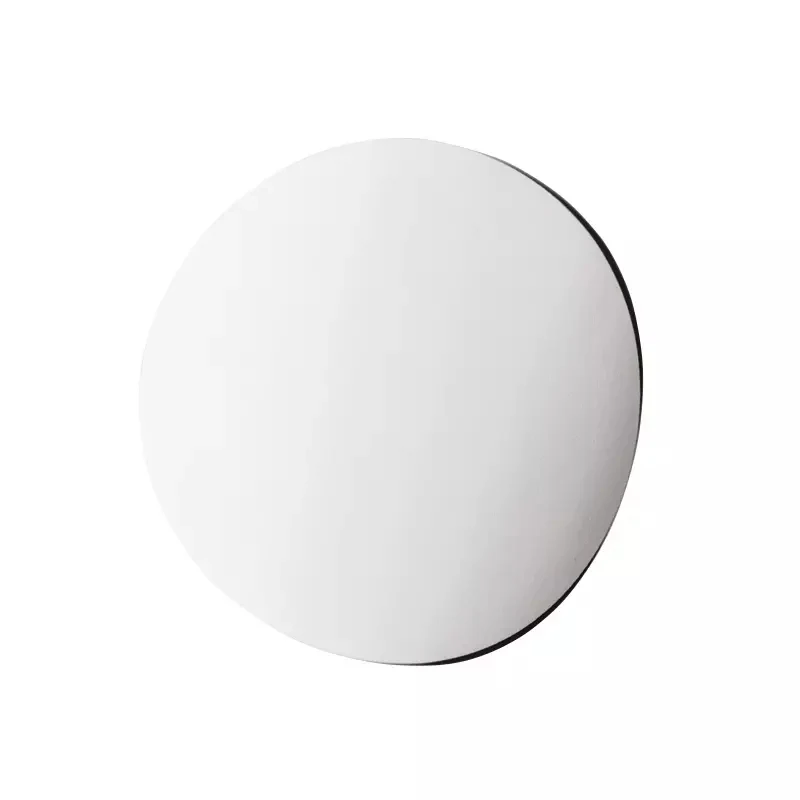
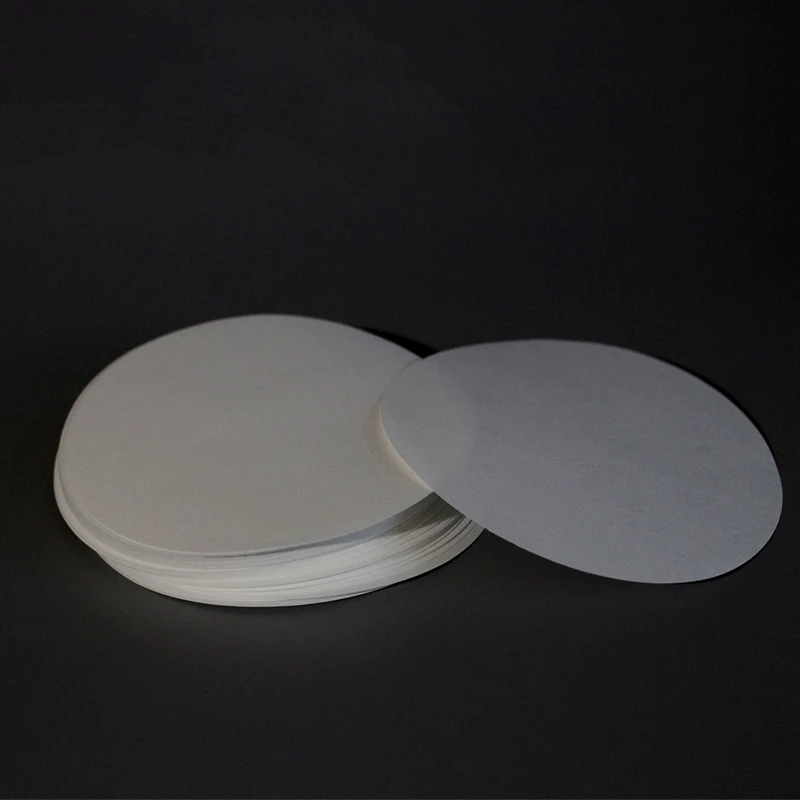
Glass Fiber Filter product photo 1
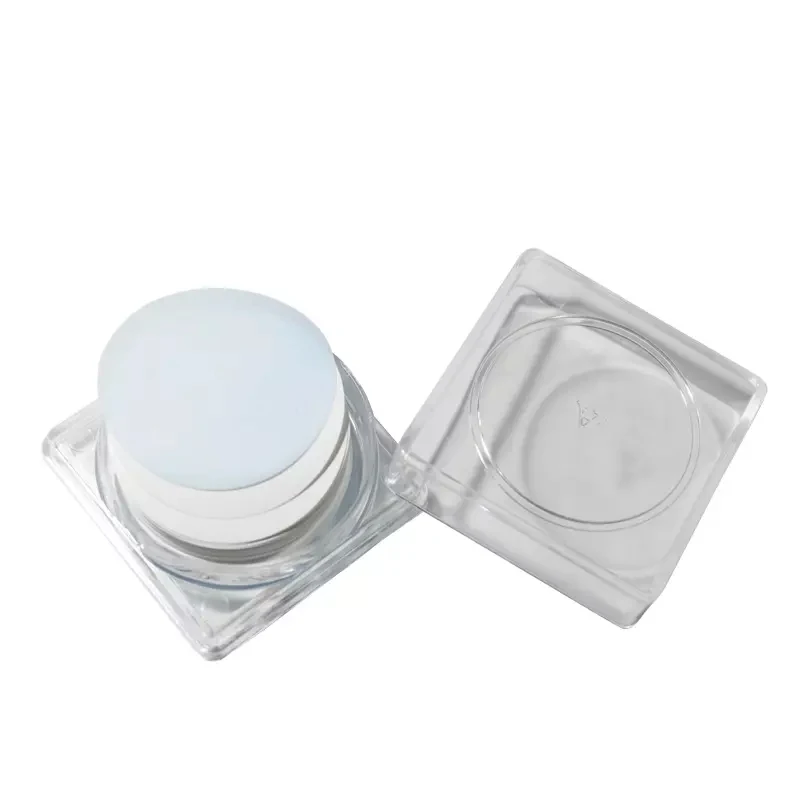
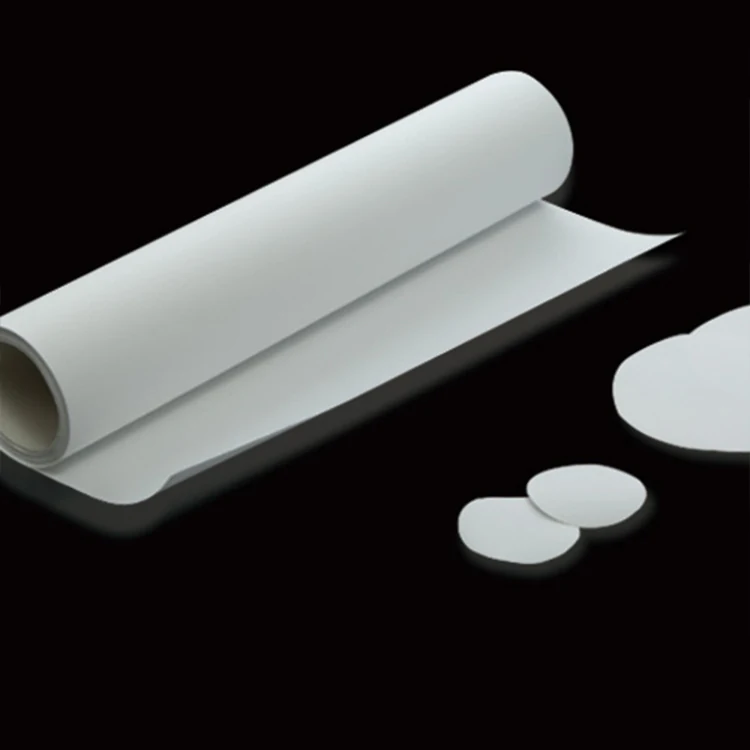
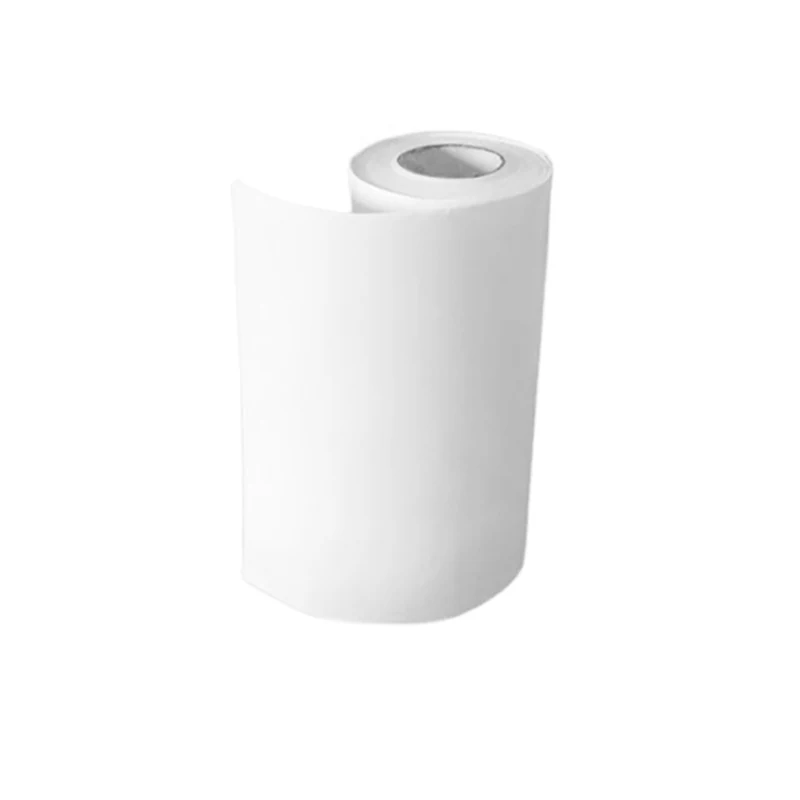
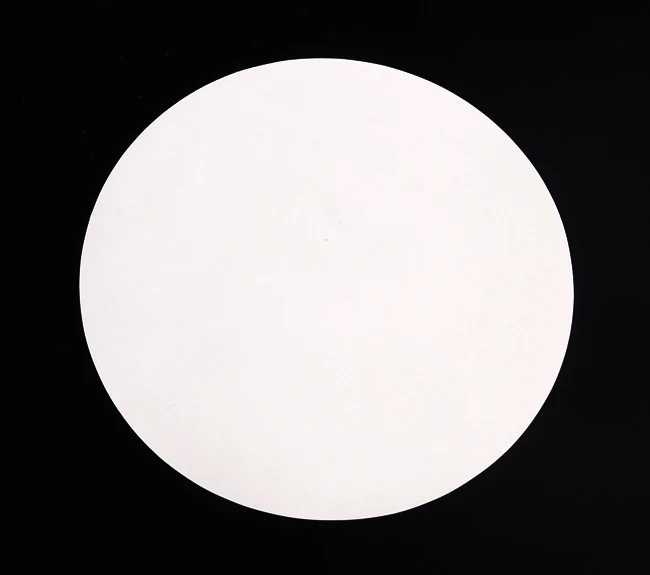
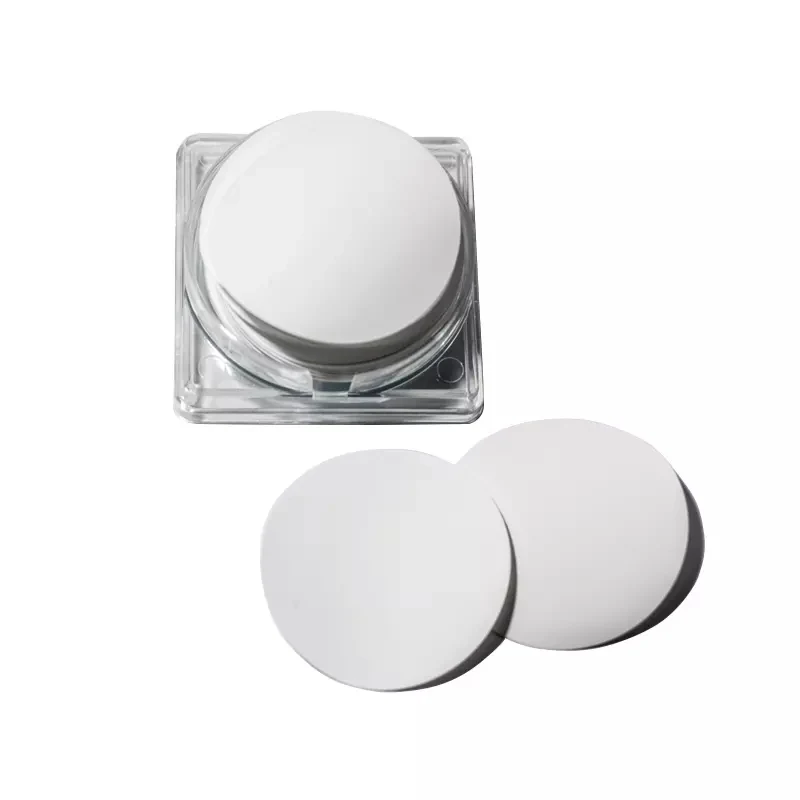
Glass Fiber Filter product photo 2Glass Fiber Filter product photo 3
Membrane Filter

Glass Fiber Filter

Glass Fiber Filters are depth filters made from 100% pure borosilicate glass, binder-free, and designed for high-efficiency particle retention in demanding analytical and industrial applications. They offer fast flow rates, high dirt loading capacity, and thermal stability up to 550℃. Available in standard diameters from 13 mm to 293 mm and in roll format (300 mm × 50 m), they are suitable for pre-filtration, clarification of reagents, and qualitative analysis. The filters are imported from a German manufacturer and are engineered for consistent performance across aqueous, organic, and high-temperature processes.

  • 100% pure borosilicate glass with no binder ensures low extractables and high chemical resistance
  • High dirt loading capacity extends filter life in particle-laden samples
  • Superior flow rates reduce filtration time without sacrificing retention
  • Fine particle retention from 0.45 μm to 2.7 μm covers a broad range of analytical needs
Key Benefits

What This Product Gives You

  • 100% pure borosilicate glass with no binder ensures low extractables and high chemical resistance
  • High dirt loading capacity extends filter life in particle-laden samples
  • Superior flow rates reduce filtration time without sacrificing retention
  • Fine particle retention from 0.45 μm to 2.7 μm covers a broad range of analytical needs
  • Thermal resistance up to 550℃ allows use in high-temperature sample preparation
  • Available in multiple diameters and roll format for flexible lab and industrial use
  • Made from 100% pure borosilicate glass, binder-free
  • Chemical and thermal resistance up to 550℃
  • High dirt loading capacity for extended service life
  • Superior flow rates due to fine fiber structure
  • Fine particle retention from 0.45 μm to 2.7 μm
  • Available in multiple diameters: 13 mm, 25 mm, 47 mm, 90 mm, 142 mm, 293 mm
  • Roll format available: 300 mm × 50 m
  • Custom cuts available upon request
Where It Is Used

Applications And Buyers

Application Scenarios

  • Pre-filtering samples before membrane filtration to protect downstream filters from clogging
  • Clarifying reagents and solvents in analytical laboratories to prevent contamination
  • Qualitative analysis of particulates in environmental and industrial samples
  • Filtering high-viscosity or high-particulate samples in pharmaceutical and chemical processes
  • Handling aggressive solvents and high-temperature applications where synthetic media degrade

Who It Is For

  • Pharmaceutical and biotechnology labs requiring low extractables and high purity in sample prep
  • Environmental testing labs analyzing PM2.5 and PM10 particulates in air or water
  • Chemical and industrial labs processing aggressive solvents or high-temperature samples
  • Laboratory distributors needing a consistent, high-performance filter with multiple formats
  • OEM partners sourcing depth filters for integrated filtration systems

Problems It Solves

  • Clogging of downstream membrane filters due to large or high-volume particulates
  • Extractables from synthetic or binder-containing media affecting HPLC or GC baselines
  • Filter degradation or failure in high-temperature or aggressive solvent environments
  • Inconsistent performance from cellulose or synthetic media with lower dirt loading
  • Lack of standardization across filter formats when switching between lab and production use
Data

Specifications

Filter Media100% pure borosilicate glass, binder-free
Nominal Rating0.45, 0.7, 1.0, 1.2, 1.5, 1.6, 2.7 micron
Diameter13 mm, 25 mm, 47 mm, 90 mm, 142 mm, 293 mm
Roll Format300 mm × 50 m
Max Temperature550℃
Weight50-140 g/m²
Thickness500-550 μm
Packing100 pieces per pack (discs), 1 roll per pack (rolls)

Materials

  • 100% pure borosilicate glass, binder-free
  • No synthetic binders or resins used in the filter media

Customization Options

  • Custom cuts available upon request
  • Private-label packing and branding available through the OEM division
  • Volume-based packaging options for industrial users
  • Roll format supply for continuous filtration systems
How It Is Made

Manufacturing And Quality Control

Manufacturing Process

  • Manufacturing of glass fiber media in Germany by a known supplier
  • Import and quality inspection upon arrival at the Microlab facility
  • Cutting to standard or custom dimensions using precision die-cutting
  • Packing in 100-piece packs or 1-roll packs as per order
  • Labeling with part number and pore size for traceability

Quality Control

  • Visual inspection of each filter for defects or tears
  • Verification of pore size and nominal rating against the part number
  • Checking thickness and weight against specified ranges
  • Temperature resistance tested up to 550℃ for thermal stability
  • Batch traceability maintained through part number and packing records
Comparison

Compared With The Alternatives

Versus Cellulose filters

Glass fiber offers higher chemical resistance, thermal stability, and dirt loading capacity than cellulose, which degrades in solvents and high heat.

Versus Synthetic depth filters

Glass fiber has lower extractables and higher thermal resistance than synthetic media, which may contain binders or degrade at high temperatures.

Versus Membrane filters

Glass fiber depth filters have higher dirt loading and are better for pre-filtration, while membrane filters are better for precise particle retention at a specific size.

Versus Standard paper filters

Glass fiber has superior flow rates, chemical resistance, and durability compared to standard paper filters, which can disintegrate in solvents or high humidity.
Use Guide

How To Use It

  • Select pore size based on particle size: 0.45 μm for fine particulates, 2.7 μm for coarse or high-load samples
  • Use 47 mm or larger diameters for high-volume or high-particulate samples
  • For high-temperature applications, ensure the sample does not exceed 550℃
  • Pre-wet the filter with solvent if needed to reduce air lock and improve flow
  • Use in pre-filter mode before membrane filters to extend their life
  • Dispose of used filters after one use to avoid carry-over or contamination
Photos

Product Gallery

Also In This Category

Related Products

Read Next

Related Industries And Guides

FAQ

Questions Buyers Ask

What is the material of the Glass Fiber Filter?

The filter is made from 100% pure borosilicate glass, binder-free, imported from a German manufacturer.

What is the maximum temperature the filter can withstand?

The filter is stable up to 550℃, making it suitable for high-temperature sample preparation.

Can I use this filter for HPLC mobile phase filtration?

Yes, it is suitable for pre-filtration of mobile phases to protect downstream membrane filters, but not for final filtration due to depth filter nature.

What sizes are available?

Available in disc diameters of 13 mm, 25 mm, 47 mm, 90 mm, 142 mm, and 293 mm, and in roll format: 300 mm × 50 m.

Is the filter compatible with aggressive solvents?

Yes, the 100% borosilicate glass construction provides excellent chemical resistance to a wide range of solvents.

Can you supply custom cuts?

Yes, custom cuts are available upon request through the OEM division.

Get A Quote For Glass Fiber Filter

Tell us the membrane, pore size, diameter and quantity you need, or describe the sample and we will specify it.