Syringe filters, chromatography vials, SPE and biotechnology products are produced according to the ISO 9001 standard system. [email protected] +86-15306778688
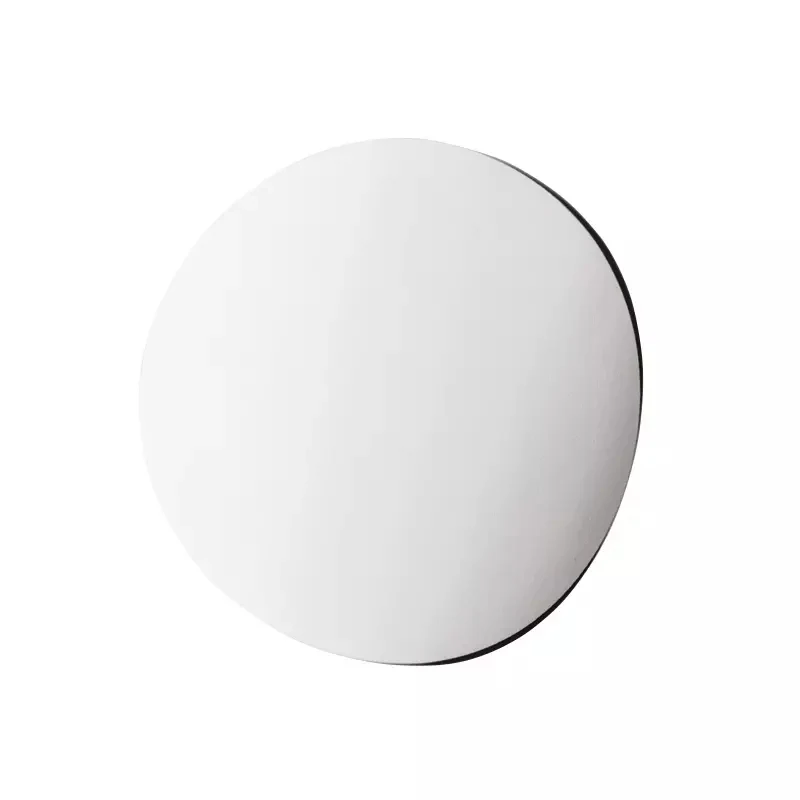
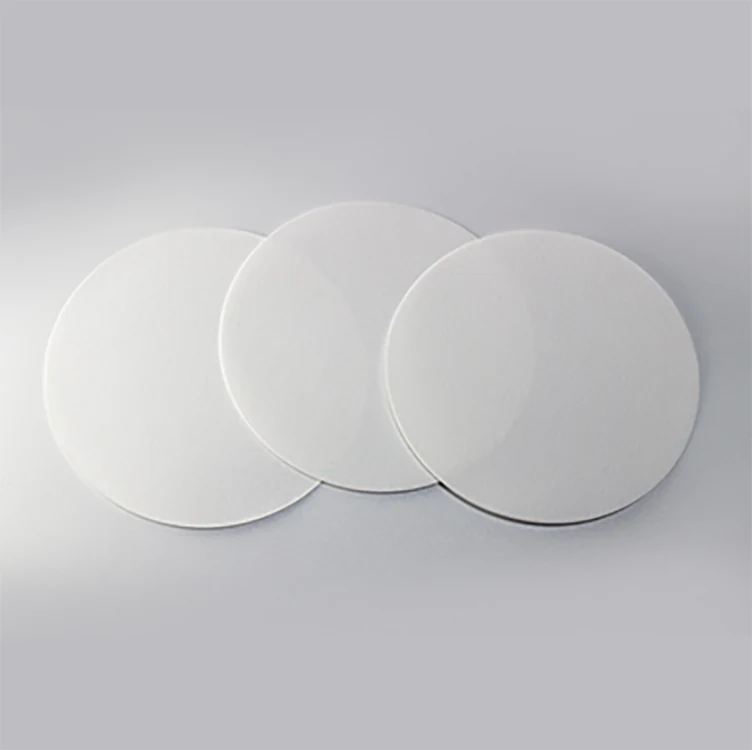
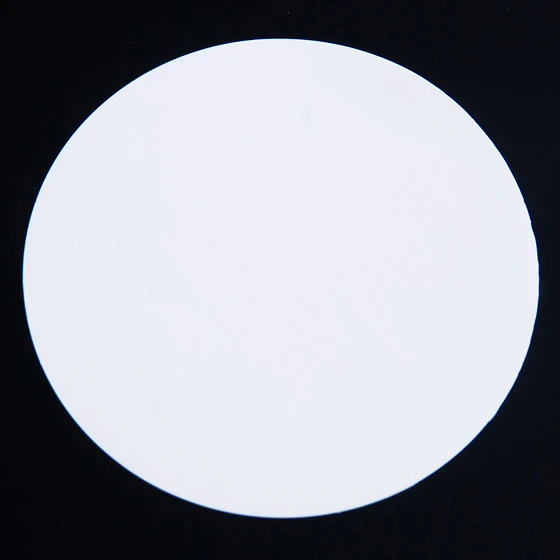
CN Membrane Filter product photo 1
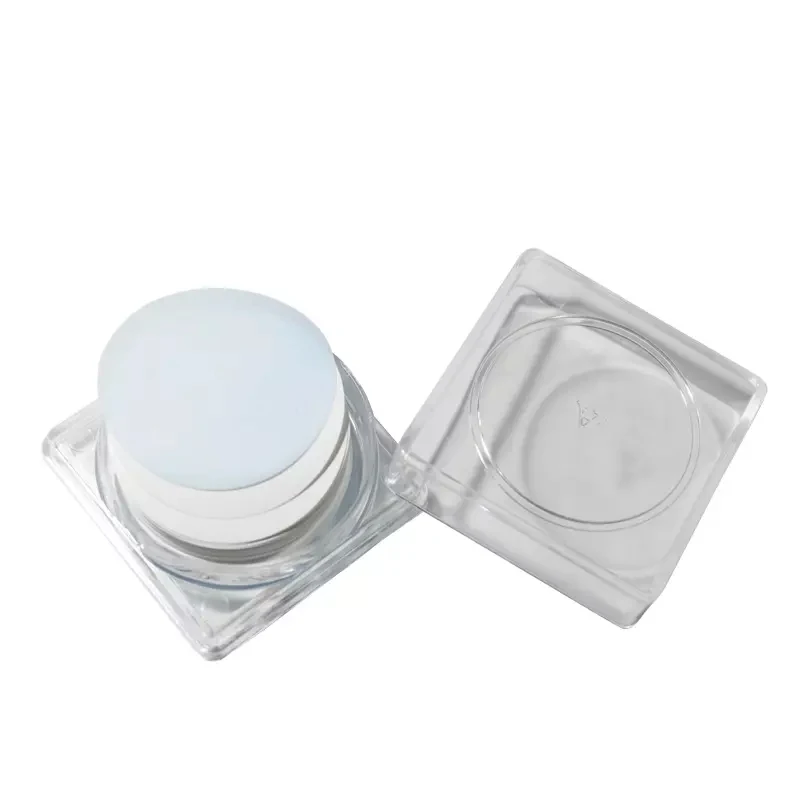
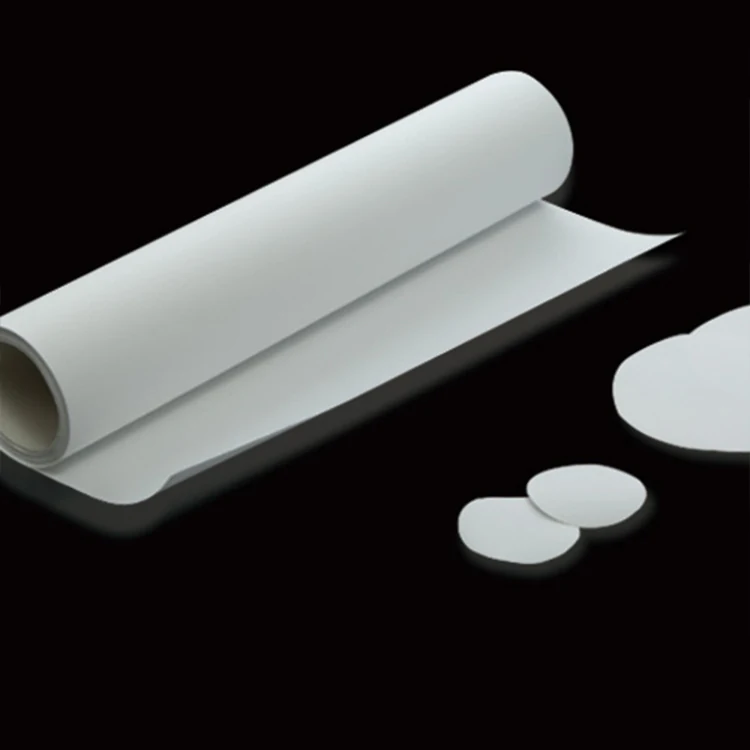
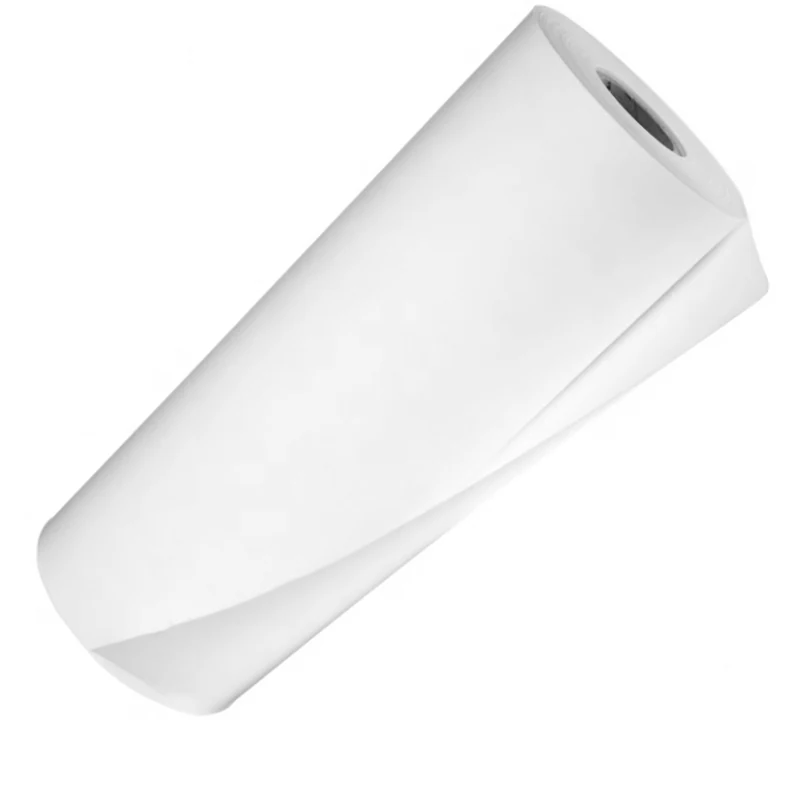
CN Membrane Filter product photo 2CN Membrane Filter product photo 3
Membrane Filter

CN Membrane Filter

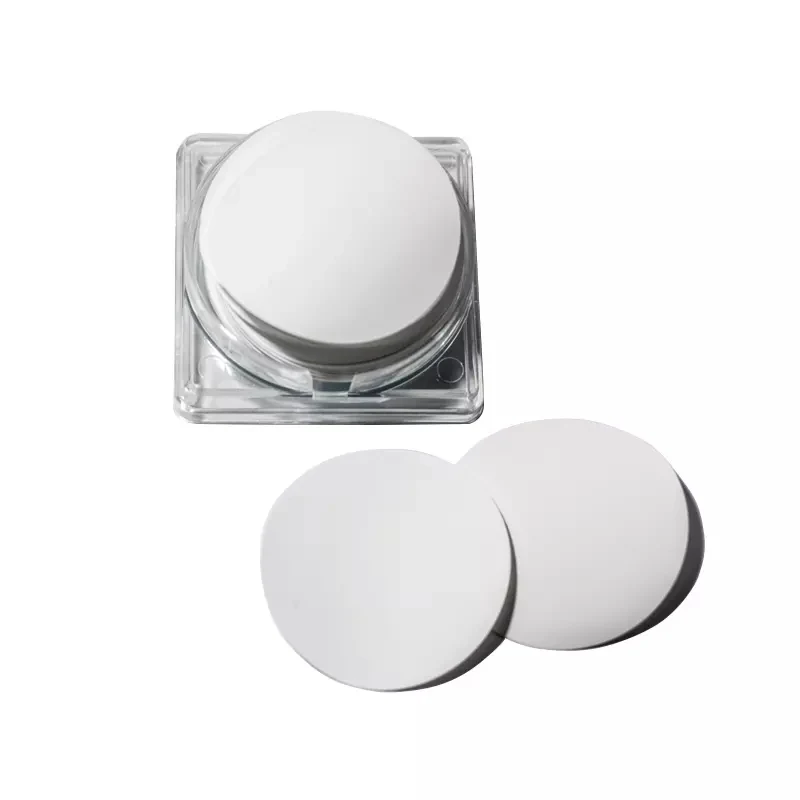
CN Membrane Filters are cellulose nitrate membranes designed for high flow rates in aqueous and organic solvent filtration. They are hydrophilic, compatible with pH 4 to 8, and suitable for particle retention, cell capture, and sterile filtration in HPLC sample preparation, microbiology, and fluid monitoring. The symmetric membrane structure enables rapid flow without compromising retention. Available in disc and sheet formats with customizable options, they support applications requiring low non-specific adsorption and consistent performance across multiple sample types.

  • High flow rates due to symmetric membrane structure, reducing filtration time for routine and high-volume samples
  • Hydrophilic surface ensures quick wetting and consistent performance with aqueous and organic solvents
  • Compatible with pH 4 to 8, making them suitable for a wide range of buffer and mobile phase applications
  • Available in multiple pore sizes from 0.1 to 8.0 micron, enabling selection for particle retention or cell capture
Key Benefits

What This Product Gives You

  • High flow rates due to symmetric membrane structure, reducing filtration time for routine and high-volume samples
  • Hydrophilic surface ensures quick wetting and consistent performance with aqueous and organic solvents
  • Compatible with pH 4 to 8, making them suitable for a wide range of buffer and mobile phase applications
  • Available in multiple pore sizes from 0.1 to 8.0 micron, enabling selection for particle retention or cell capture
  • Disc and sheet formats with customizable options support flexible integration into existing lab workflows
  • Membrane material: Cellulose Nitrate (CN)
  • Hydrophilic surface with high flow rates across all pore sizes
  • Compatible with aqueous solutions (pH 4-8) and several organic solvents
  • Symmetric membrane structure for consistent flow and retention
  • Available in disc and sheet formats, with customizable options
  • Pore sizes from 0.1 to 8.0 micron, covering fine particulate and cell capture needs
  • Water flow rate at 25°C and 0.07 MPa: up to 480 ml/min/cm² at 8.0 micron
  • Bubble point values from 0.47 MPa (0.1 μm) to 0.03 MPa (8.0 μm), indicating structural integrity
  • Sterilization compatible with autoclave, ethylene oxide, E-beam, and gamma irradiation
Where It Is Used

Applications And Buyers

Application Scenarios

  • Filtering HPLC samples to remove particulates and prevent column frit clogging
  • Preparing cell culture media and buffers for sterile filtration without protein adsorption
  • Clarifying aqueous solutions for particle analysis and environmental monitoring
  • Capturing microorganisms in air and fluid monitoring for QC and compliance testing
  • Processing solvent-based samples in chemical and pharmaceutical R&D where organic compatibility is required

Who It Is For

  • Pharmaceutical and biotech labs requiring consistent filtration for HPLC and sample prep
  • Environmental testing labs performing particle analysis in water and air samples
  • Food and beverage labs needing sterile filtration of liquids and buffers
  • Microbiology labs using membrane filters for colony counting and microbial detection
  • Lab distributors sourcing a versatile membrane filter with multiple pore sizes and formats

Problems It Solves

  • Slow filtration rates in high-volume sample processing due to low permeability of traditional membranes
  • Inconsistent wetting in hydrophobic membranes leading to air entrapment and incomplete filtration
  • Membrane degradation or pH instability in samples outside the 4-8 range
  • Inadequate particle retention due to oversized pore sizes in low-cost filters
  • Lack of flexibility in filter format when integrating into automated or custom filtration systems
Data

Specifications

Membrane MaterialCellulose Nitrate
WettabilityHydrophilic
pH Compatibility4-8
Membrane FormatDisc, Sheet, Customizable
Membrane Thickness80±10 μm
Max Operating PressureNot specified
Pore Size0.1, 0.22, 0.45, 0.8, 1.0, 3.0, 5.0, 8.0 micron
Water Flow Rate (25°C, 0.07 MPa)≥7 ml/min/cm² (0.1 μm) to ≥480 ml/min/cm² (8.0 μm)
Bubble Point≥0.47 MPa (0.1 μm) to ≥0.03 MPa (8.0 μm)
Sterilization CompatibilityAutoclave, Ethylene Oxide, E-beam, Gamma irradiation
Filter SurfaceWhite, Grid/Plain
Packing200 pcs/pk (13 mm, 25 mm), 100 pcs/pk (47 mm, 90 mm, 142 mm), 50 pcs/pk (142 mm), 25 pcs/pk (293 mm)

Materials

  • Cellulose Nitrate membrane
  • White or grid-patterned filter surface

Customization Options

  • Available in disc and sheet formats with customizable dimensions and shapes
  • Options for surface pattern: plain or grid
  • Sterile and non-sterile versions available
  • Private-label printing and packaging available through the Microlab OEM division
  • OEM contract manufacturing and membrane die-cutting services offered
How It Is Made

Manufacturing And Quality Control

Manufacturing Process

  • Membrane die-cutting from cellulose nitrate sheet stock
  • Precision cutting to disc or sheet format based on order
  • Customization of size, shape, and surface pattern upon request
  • Sterilization via autoclave, ethylene oxide, E-beam, or gamma irradiation as specified
  • Packing according to order: 200 pcs/pk (13 mm, 25 mm), 100 pcs/pk (47 mm, 90 mm, 142 mm), 50 pcs/pk (142 mm), 25 pcs/pk (293 mm)

Quality Control

  • Membrane thickness verified at 80±10 μm
  • Pore size confirmed against specified values
  • Bubble point tested to ensure structural integrity
  • Wettability and flow rate validated at 25°C and 0.07 MPa
  • Sterilization method verified for compatibility with membrane integrity
Comparison

Compared With The Alternatives

Versus Mixed cellulose ester (MCE) membranes

CN membranes offer higher flow rates and better compatibility with organic solvents, but MCE may have lower protein adsorption in some biological applications

Versus Non-sterile filters

Sterile versions are available with gamma or E-beam sterilization, reducing the risk of contamination in sensitive applications
Use Guide

How To Use It

  • Select pore size based on particle or cell size: 0.22 μm for sterile filtration, 0.45 μm for routine clarification, 0.8 μm and above for larger particles
  • Use for aqueous samples within pH 4 to 8; avoid use in strongly acidic or basic conditions
  • Ensure proper wetting by pre-rinsing with water or compatible solvent before filtration
  • For sterile applications, use the sterile version and handle under clean conditions
  • Do not exceed recommended flow rates to prevent membrane damage or bypass
  • Dispose of after single use to avoid carry-over or contamination
Photos

Product Gallery

Also In This Category

Related Products

Read Next

Related Industries And Guides

FAQ

Questions Buyers Ask

What is the maximum pH range for CN membrane filters?

The CN membrane is compatible with pH 4 to 8. Use alternative membranes for samples outside this range.

Can CN membranes be used for organic solvent filtration?

Yes, CN membranes are compatible with hydrocarbons and several organic solvents, but avoid strong acids or bases.

What is the difference between the sterile and non-sterile versions?

Sterile versions are treated with gamma irradiation or E-beam and are suitable for sterile filtration. Non-sterile versions are not sterilized and must be sterilized before use.

Are the filters available in different sizes?

Yes, available in diameters of 13 mm, 25 mm, 47 mm, 90 mm, 142 mm, and 293 mm with varying packing quantities.

Can I get custom sizes or shapes?

Yes, the membrane format is customizable. Contact the OEM division for custom die-cutting and sizing.

What sterilization methods are compatible?

CN membranes are compatible with autoclave, ethylene oxide, E-beam, and gamma irradiation.

Get A Quote For CN Membrane Filter

Tell us the membrane, pore size, diameter and quantity you need, or describe the sample and we will specify it.