Syringe filters, chromatography vials, SPE and biotechnology products are produced according to the ISO 9001 standard system. [email protected] +86-15306778688
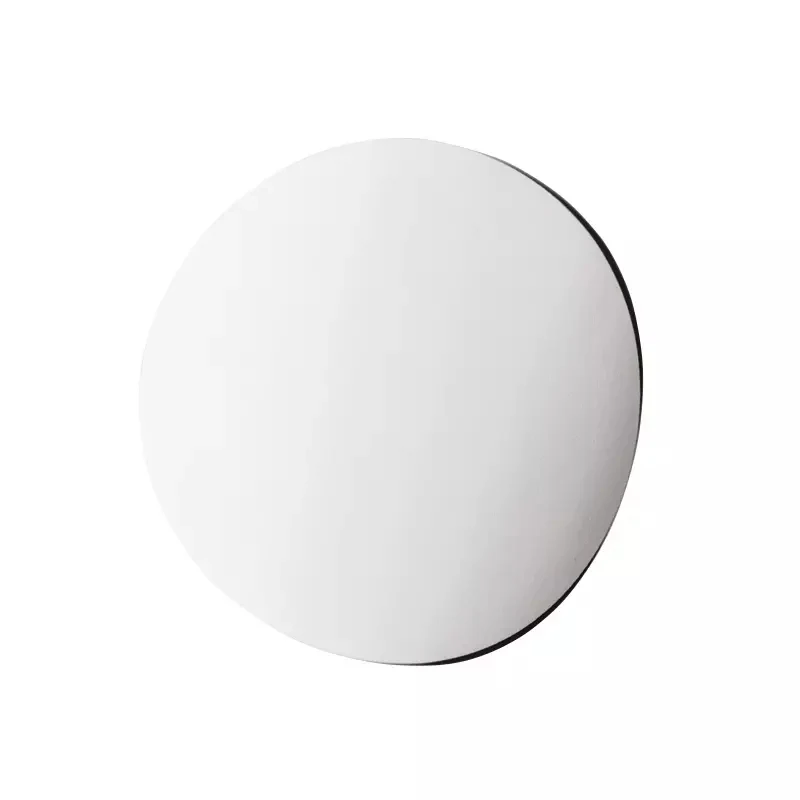
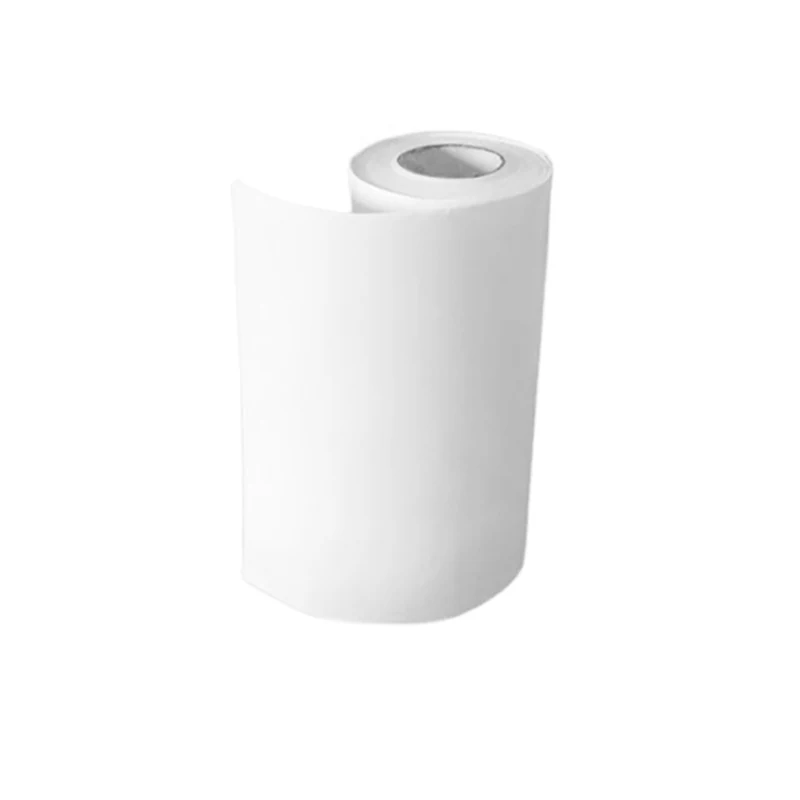
CA Membrane Filter product photo 1
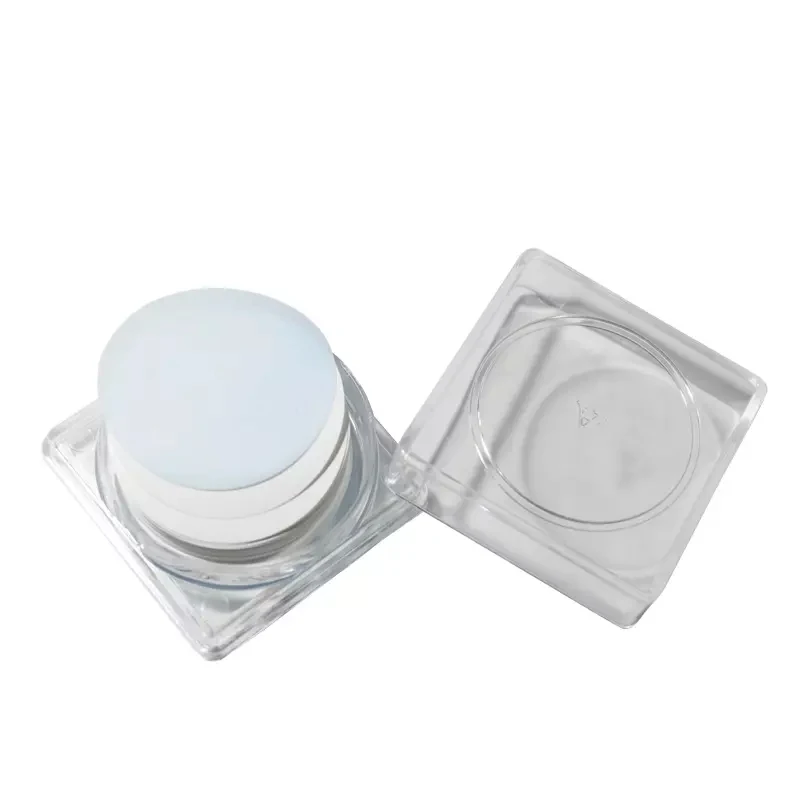
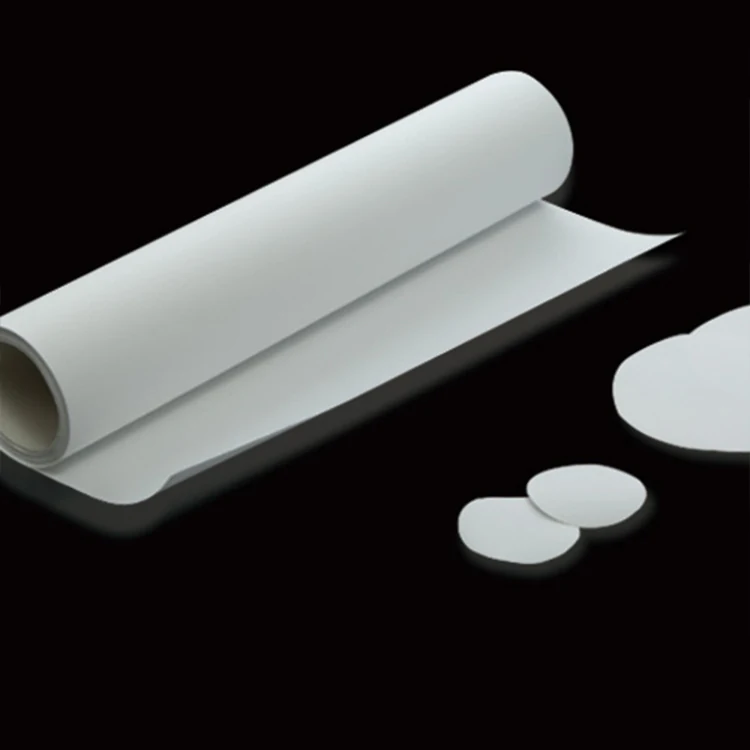
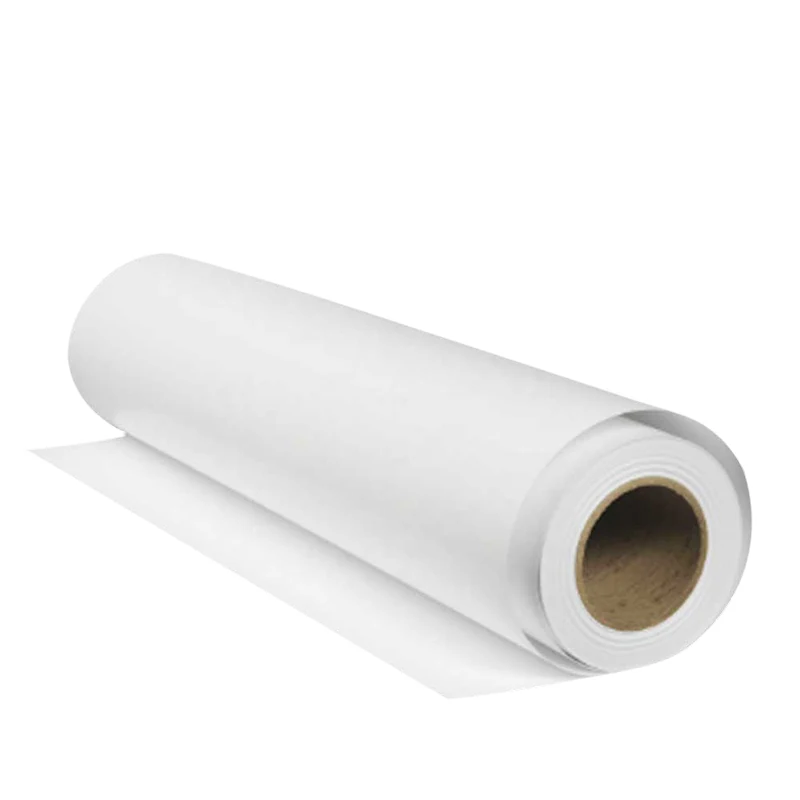
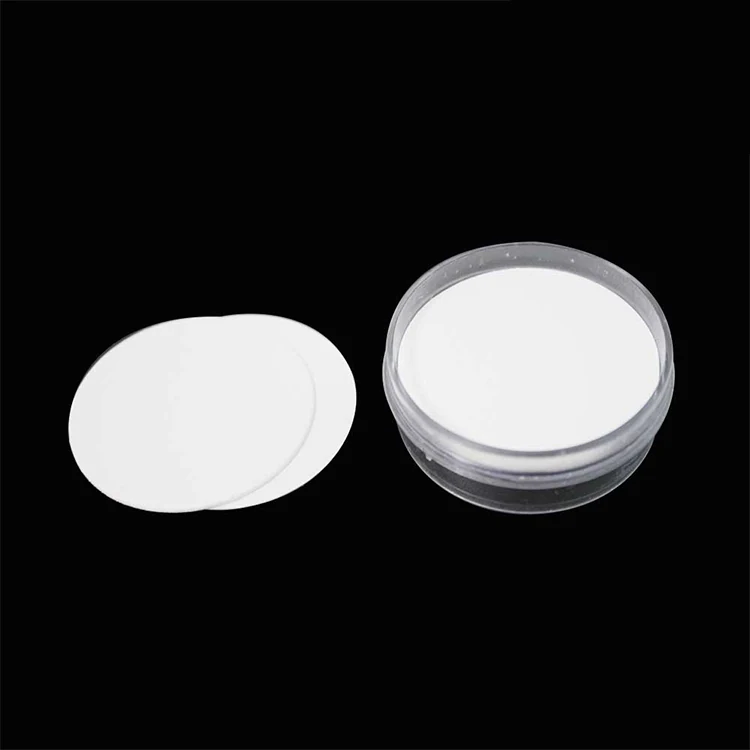
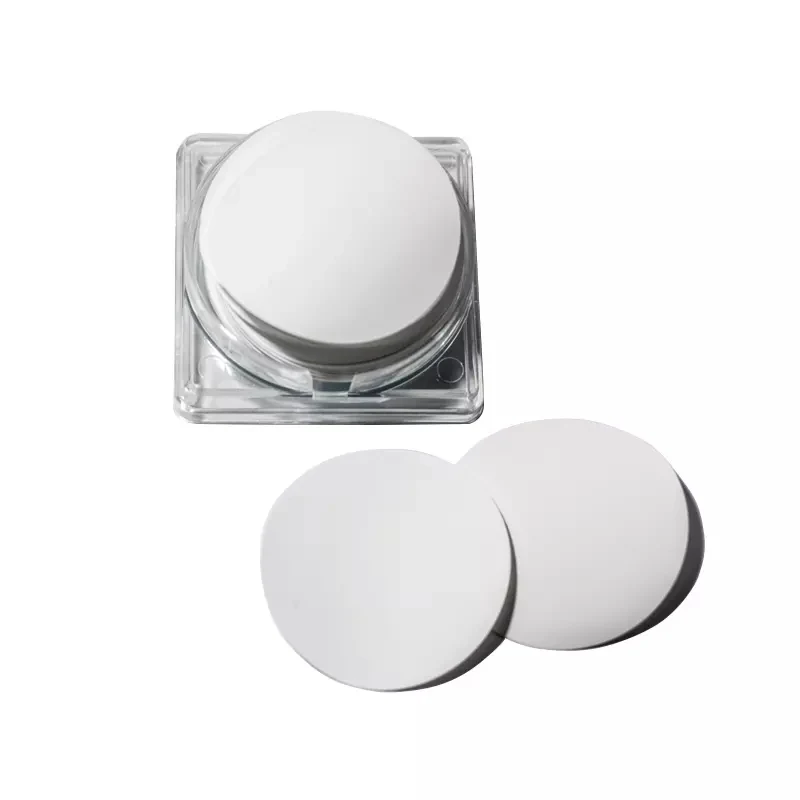
CA Membrane Filter product photo 2CA Membrane Filter product photo 3
Membrane Filter

CA Membrane Filter

The CA Membrane Filter is an unsupported, hydrophilic membrane made from pure cellulose acetate, designed for applications requiring minimal protein binding and high throughput. It maintains dimensional stability and provides consistent flow rates across a range of pore sizes from 0.1 to 5.0 micron. The membrane is suitable for protein and enzyme filtration, sterilization of biological fluids, and tissue culture media preparation, where recovery of active components is critical. Its low binding properties reduce sample loss during filtration, and its chemical resistance across pH 4 to 8 ensures compatibility with common laboratory buffers and solutions.

  • Unsupported cellulose acetate membrane provides naturally low protein binding, improving recovery of sensitive biomolecules
  • High flow rates across all pore sizes reduce filtration time and the need for frequent filter changes
  • Dimensional stability ensures consistent performance under standard operating conditions
  • Chemical resistance from pH 4 to 8 allows use with a wide range of aqueous and buffer-based solutions
Key Benefits

What This Product Gives You

  • Unsupported cellulose acetate membrane provides naturally low protein binding, improving recovery of sensitive biomolecules
  • High flow rates across all pore sizes reduce filtration time and the need for frequent filter changes
  • Dimensional stability ensures consistent performance under standard operating conditions
  • Chemical resistance from pH 4 to 8 allows use with a wide range of aqueous and buffer-based solutions
  • Available in disc, roll, sheet, strip, and customizable formats to match diverse lab and industrial filtration setups
  • Membrane material: Cellulose acetate, unsupported
  • Wettability: Hydrophilic
  • Colour: White, plain surface
  • Available formats: Disc, Roll, Sheet, Strip, Customizable
  • Thickness: 100±15 μm
  • Maximum operating pressure: 4.2 bar at 23°C
  • pH range: 4 to 8
  • Pore sizes: 0.1, 0.22, 0.45, 0.65, 0.8, 1.0, 1.2, 5.0 micron
  • Water flow rate at 25°C and Δp = 0.07 MPa: >5 ml/min/cm² (0.1 μm), >8 (0.22 μm), >18 (0.45 μm)
  • Bubble point: ≥3.4 bar (0.1 μm), ≥2.7 (0.22 μm), ≥1.9 (0.45 μm), ≥1.1 (0.65 μm), ≥0.8 (0.8 μm), ≥0.6 (1.0 μm), ≥0.4 (1.2 μm), ≥0.4 (5.0 μm)
  • Sterilization compatibility: Autoclave, Ethylene Oxide, E-Beam, Gamma irradiation
Where It Is Used

Applications And Buyers

Application Scenarios

  • Filtration of protein solutions and enzyme preparations where minimal binding ensures high recovery
  • Sterilization of biological fluids and tissue culture media without loss of activity
  • Preparation of diagnostic cytology samples requiring low adsorption of cellular components
  • Receptor binding studies where sample integrity and minimal matrix interference are essential
  • High-volume processing of biological samples in biotechnology and life-science laboratories

Who It Is For

  • Life-science research labs conducting protein purification and enzyme assays
  • Biopharmaceutical QC labs requiring consistent recovery of therapeutic proteins
  • Tissue culture and cell biology labs preparing sterile media with minimal component loss
  • Diagnostic labs processing biological samples for cytology and immunoassays
  • OEM partners needing customizable membrane formats for integrated filtration systems

Problems It Solves

  • Low recovery of proteins due to high binding on conventional membranes during filtration
  • Frequent filter clogging caused by poor flow rates in protein-rich samples
  • Sample loss during sterilization of sensitive biological fluids due to adsorption
  • Inconsistent results in receptor binding studies from variable membrane performance
  • Limited flexibility in membrane format when scaling up from lab to production filtration
Data

Specifications

Membrane MaterialCellulose Acetate
WettabilityHydrophilic
ColourWhite / Plain
FormatDisc, Roll, Sheet, Strip, Customizable
Thickness100±15 μm
Max Operating Pressure4.2 bar at 23°C
pH Range4-8
Pore Size0.1, 0.22, 0.45, 0.65, 0.8, 1.0, 1.2, 5.0 micron
Water Flow Rate>5 ml/min/cm² (0.1 μm), >8 (0.22 μm), >18 (0.45 μm)
Bubble Point≥3.4 bar (0.1 μm), ≥2.7 (0.22 μm), ≥1.9 (0.45 μm), ≥1.1 (0.65 μm), ≥0.8 (0.8 μm), ≥0.6 (1.0 μm), ≥0.4 (1.2 μm), ≥0.4 (5.0 μm)
Sterilization CompatibilityAutoclave, Ethylene Oxide, E-Beam, Gamma irradiation

Materials

  • Pure cellulose acetate membrane
  • Unsupported construction for minimal matrix interference

Customization Options

  • Custom membrane formats including discs, rolls, sheets, strips, and bespoke shapes
  • Custom packaging quantities and configurations
  • Private-label printing and branding available through the Microlab OEM division
  • OEM contract manufacturing and membrane die-cut and packing services for filter brands
How It Is Made

Manufacturing And Quality Control

Manufacturing Process

  • Membrane die-cutting from raw cellulose acetate sheets
  • Precision sizing and formatting into discs, rolls, sheets, strips, or custom shapes
  • Quality inspection of pore uniformity and surface integrity
  • Sterilization (if specified) via gamma irradiation or other compatible methods
  • Packing according to order format and quantity

Quality Control

  • Pore size verified against specified values using bubble point and flow rate testing
  • Surface uniformity and thickness checked across production batches
  • Sterilization validation performed for gamma-sterilized variants
  • Visual inspection for defects, tears, or contamination before packing
Comparison

Compared With The Alternatives

Versus Nylon membranes

CA membrane has lower protein binding than nylon, making it better for protein recovery in sensitive applications

Versus Mixed cellulose ester (MCE)

CA has higher dimensional stability and lower binding than MCE, reducing sample loss and filter deformation

Versus PTFE membranes

CA is hydrophilic and suitable for aqueous samples without pre-wetting, unlike PTFE which requires wetting for water-based applications
Use Guide

How To Use It

  • Select pore size based on particle or molecule size: 0.22 μm for sterilization, 0.45 μm for routine clarification, 0.1 μm for high-resolution filtration
  • Use only within pH 4 to 8 to maintain membrane integrity and performance
  • For protein solutions, choose CA over other membranes to minimize binding and maximize recovery
  • Pre-wet hydrophilic CA membranes with water or buffer before use to ensure even flow
  • Do not exceed 4.2 bar at 23°C to avoid membrane damage or failure
  • For gamma-sterile variants, store in sealed packaging until use to maintain sterility
Photos

Product Gallery

Also In This Category

Related Products

Read Next

Related Industries And Guides

FAQ

Questions Buyers Ask

Can CA membranes be used for sterilizing water-based solutions?

Yes. CA is hydrophilic and compatible with water-based solutions. It can be used for sterilization at 0.22 μm pore size, provided pH is between 4 and 8.

What is the maximum pressure the CA membrane can withstand?

Maximum operating pressure is 4.2 bar at 23°C. Exceeding this may cause membrane deformation or failure.

Are CA membranes suitable for protein filtration?

Yes. CA membranes have naturally low protein binding, making them ideal for protein and enzyme filtration where recovery is critical.

Do you offer gamma-sterile CA membranes?

Yes. Gamma-sterile versions are available, such as M47CA022S and M47CA045S, packed in 100 pieces per pack.

Can I get CA membranes in custom sizes or formats?

Yes. Custom formats including discs, rolls, sheets, strips, and bespoke shapes are available through the Microlab OEM division.

Get A Quote For CA Membrane Filter

Tell us the membrane, pore size, diameter and quantity you need, or describe the sample and we will specify it.