Syringe filters, chromatography vials, SPE and biotechnology products are produced according to the ISO 9001 standard system. [email protected] +86-15306778688
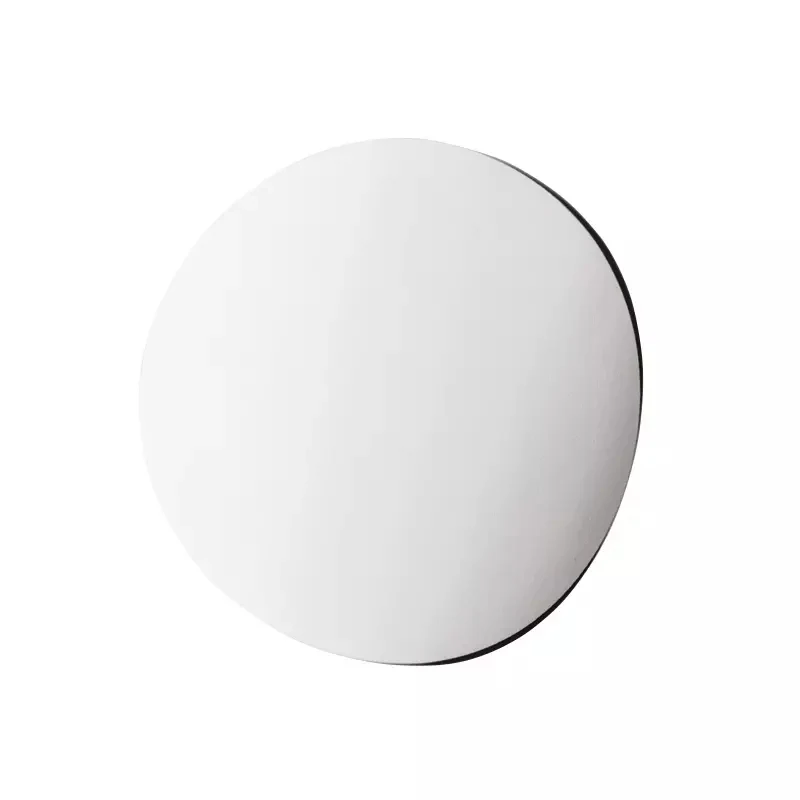
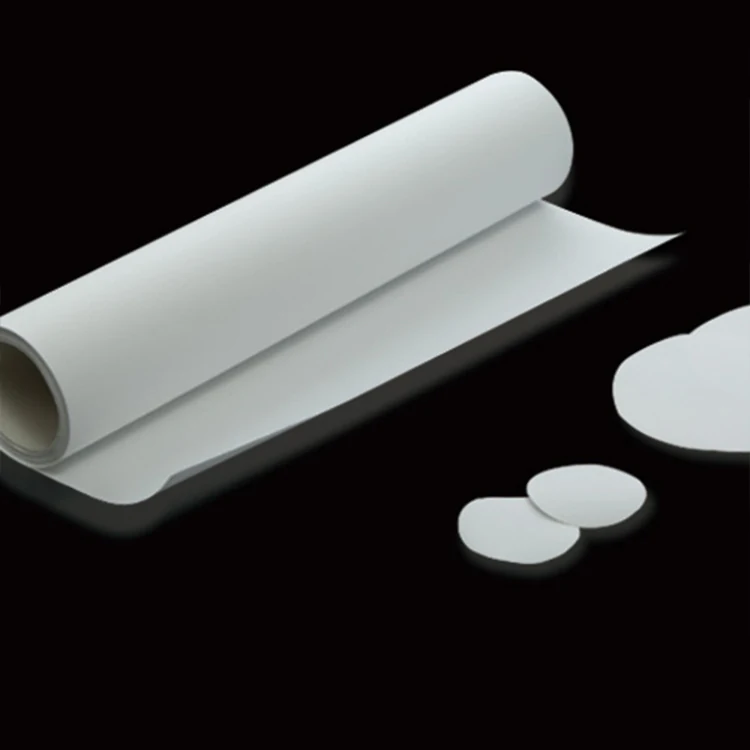
Blotting Membrane Filter product photo 1
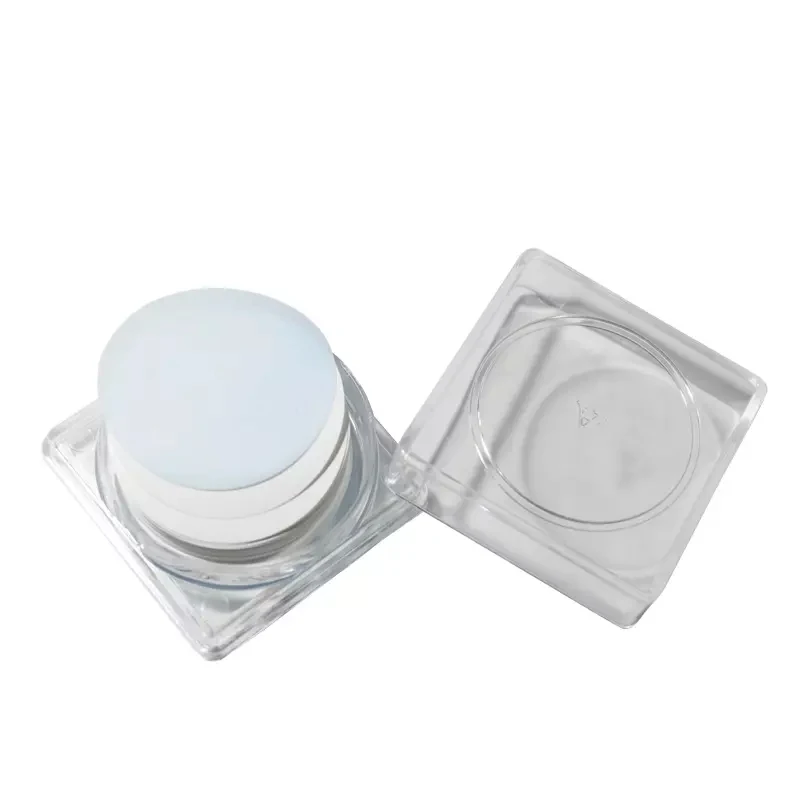
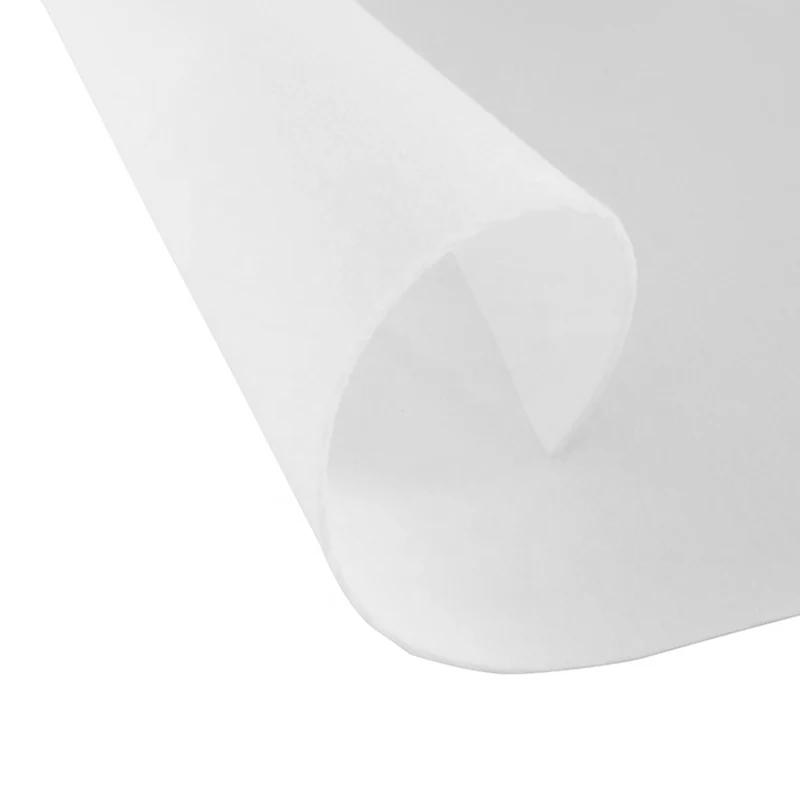
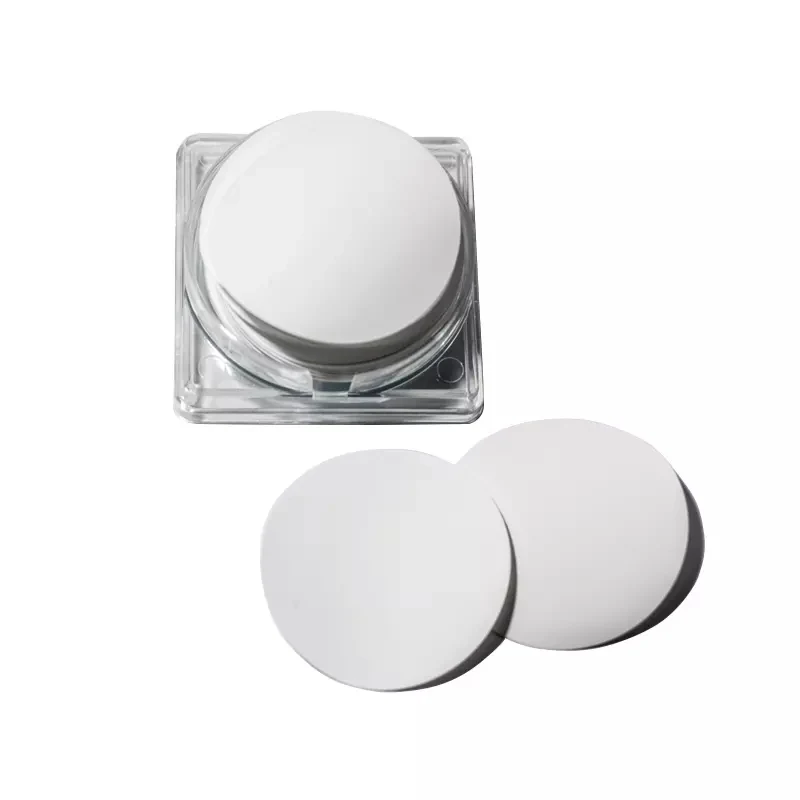
Blotting Membrane Filter product photo 2Blotting Membrane Filter product photo 3
Membrane Filter

Blotting Membrane Filter

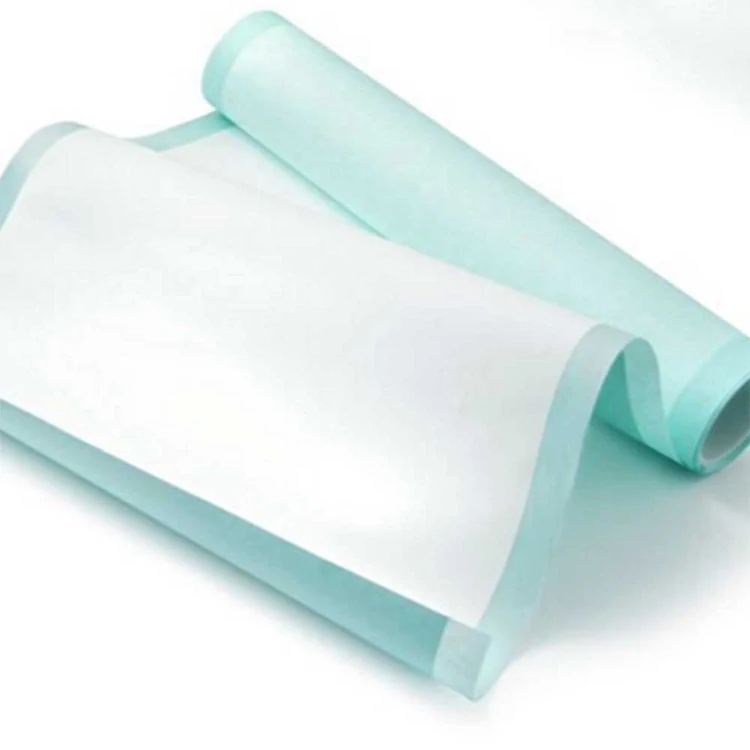
The Blotting Membrane Filter is a nitrocellulose-based membrane designed for high-efficiency protein and nucleic acid transfer in Western blot, dot-blot, and related assays. Available in 0.22 μm and 0.45 μm pore sizes, the membrane offers high binding capacity, uniform surface structure, and low background. Rolls are supplied in 300 x 3000 mm format for use in semi-dry and wet transfer systems. The membrane is suitable for stripping and reprobing applications, supporting repeated use in research workflows.

  • 100% pure nitrocellulose ensures minimal interference in protein and nucleic acid detection
  • High protein binding capacity supports strong signal intensity in low-abundance targets
  • Uniform surface structure and consistent thickness (115 μm ±20) improve transfer reproducibility
  • Low background reduces false positives in detection, especially in chemiluminescent and colorimetric assays
Key Benefits

What This Product Gives You

  • 100% pure nitrocellulose ensures minimal interference in protein and nucleic acid detection
  • High protein binding capacity supports strong signal intensity in low-abundance targets
  • Uniform surface structure and consistent thickness (115 μm ±20) improve transfer reproducibility
  • Low background reduces false positives in detection, especially in chemiluminescent and colorimetric assays
  • Available in 0.22 μm and 0.45 μm pore sizes to match target molecule size and transfer efficiency
  • Material: 100% pure nitrocellulose
  • Pore sizes: 0.22 μm and 0.45 μm
  • Thickness: 115 μm ±20
  • Bubble point with water: 0.23-0.26 MPa (0.22 μm), 0.4-0.5 MPa (0.45 μm)
  • Flow rate for water: >50 ml/(min·cm²·bar) (0.22 μm), >30 ml/(min·cm²·bar) (0.45 μm)
  • Wetting time with water: <1 second
  • Format: Roll, 300 mm x 3000 mm
  • High surface area and uniformity for consistent transfer
Where It Is Used

Applications And Buyers

Application Scenarios

  • Transferring proteins from SDS-PAGE gels to membrane for Western blot analysis
  • Performing dot-blot assays for antigen detection in serum or cell lysates
  • Conducting nucleic acid hybridization with low molecular weight DNA or RNA
  • Supporting stripping and reprobing workflows in multi-target protein analysis
  • Using in semi-dry or wet transfer systems for consistent and even transfer

Who It Is For

  • Life-science research laboratories conducting protein and nucleic acid detection
  • Academic and contract research labs performing Western blot and dot-blot experiments
  • OEM partners developing blotting kits requiring consistent membrane performance
  • Laboratories needing reproducible transfer results across multiple runs and operators

Problems It Solves

  • Low protein binding leading to weak or undetectable signals in Western blot
  • Inconsistent transfer efficiency due to non-uniform membrane thickness or pore size
  • High background noise from impurities or non-specific binding in detection
  • Membrane degradation during stripping or reprobing due to poor material stability
  • Inability to reuse membranes for multiple rounds of detection without signal loss
Data

Specifications

Material100% pure nitrocellulose
Pore Size0.22 μm, 0.45 μm
Thickness115 μm ±20
Bubble Point (Water)0.23-0.26 MPa (0.22 μm), 0.4-0.5 MPa (0.45 μm)
Flow Rate (Water)>50 ml/(min·cm²·bar) (0.22 μm), >30 ml/(min·cm²·bar) (0.45 μm)
Wetting Time (Water)<1 second
FormatRoll, 300 mm x 3000 mm
Binding CapacityHigh protein binding
Reprobing SupportYes, for stripping and reprobing applications

Materials

  • 100% pure nitrocellulose membrane
  • No additives or synthetic polymers

Customization Options

  • Available in 0.22 μm and 0.45 μm pore sizes
  • Roll format: 300 mm x 3000 mm standard
  • OEM private-label printing and packaging available through Microlab OEM division
  • Special formats for stripping and reprobing can be developed upon request
How It Is Made

Manufacturing And Quality Control

Manufacturing Process

  • Nitrocellulose membrane production from high-purity raw material
  • Roll casting and drying to achieve uniform thickness and surface structure
  • Pore size control via filtration and calibration
  • Wetting and bubble point testing for quality verification
  • Cutting and packaging of rolls in 300 x 3000 mm format

Quality Control

  • Thickness measured across multiple points to ensure 115 μm ±20 tolerance
  • Bubble point tested per pore size to confirm integrity and pore uniformity
  • Wetting time verified to be under 1 second with water
  • Visual inspection for surface defects, tears, or non-uniformity
  • Batch traceability maintained for reproducibility across orders
Comparison

Compared With The Alternatives

Versus Mixed cellulose ester (MCE) membranes

Nitrocellulose has higher protein binding and lower background than MCE, but MCE may offer better mechanical strength for handling

Versus Pre-coated membranes

The pure nitrocellulose membrane allows full control over blocking and detection steps, unlike pre-coated membranes that limit method flexibility

Versus Sheet formats

Roll format enables continuous use in semi-dry transfer systems and reduces waste compared to pre-cut sheets
Use Guide

How To Use It

  • Unroll the membrane carefully to avoid creasing or tearing
  • Soak the membrane in transfer buffer for 1-2 minutes before use to ensure even wetting
  • Use 0.22 μm for small proteins and 0.45 μm for larger proteins or nucleic acids
  • Place the membrane between the gel and the transfer stack, ensuring no air bubbles
  • Perform transfer in semi-dry or wet system according to protocol
  • After transfer, block the membrane with appropriate blocking agent before antibody incubation
  • For reprobing, strip the membrane with recommended buffer and re-block before re-detection
Photos

Product Gallery

Also In This Category

Related Products

Read Next

Related Industries And Guides

FAQ

Questions Buyers Ask

What is the difference between 0.22 μm and 0.45 μm pore sizes?

The 0.22 μm pore size retains smaller proteins and nucleic acids, while 0.45 μm is better suited for larger proteins and allows faster transfer

Can this membrane be used for reprobing?

Yes, the membrane supports stripping and reprobing, making it suitable for multiple rounds of detection

What format is the membrane supplied in?

The membrane is supplied as a roll, 300 mm x 3000 mm, for use in semi-dry and wet transfer systems

Is the membrane compatible with chemiluminescent detection?

Yes, the low background and high binding capacity make it suitable for chemiluminescent and colorimetric detection methods

Can I get custom roll sizes?

Yes, special formats and roll dimensions can be developed through the Microlab OEM division

Do you offer private-label packaging?

Yes, the OEM division supports private-label printing and packaging for branded kits or reagents

Get A Quote For Blotting Membrane Filter

Tell us the membrane, pore size, diameter and quantity you need, or describe the sample and we will specify it.