Syringe filters, chromatography vials, SPE and biotechnology products are produced according to the ISO 9001 standard system. [email protected] +86-15306778688
Storage Vials product photo 1
Storage Vials product photo 2Storage Vials product photo 3Storage Vials product photo 4Storage Vials product photo 5Storage Vials product photo 6
Autosampler Vial

Storage Vials

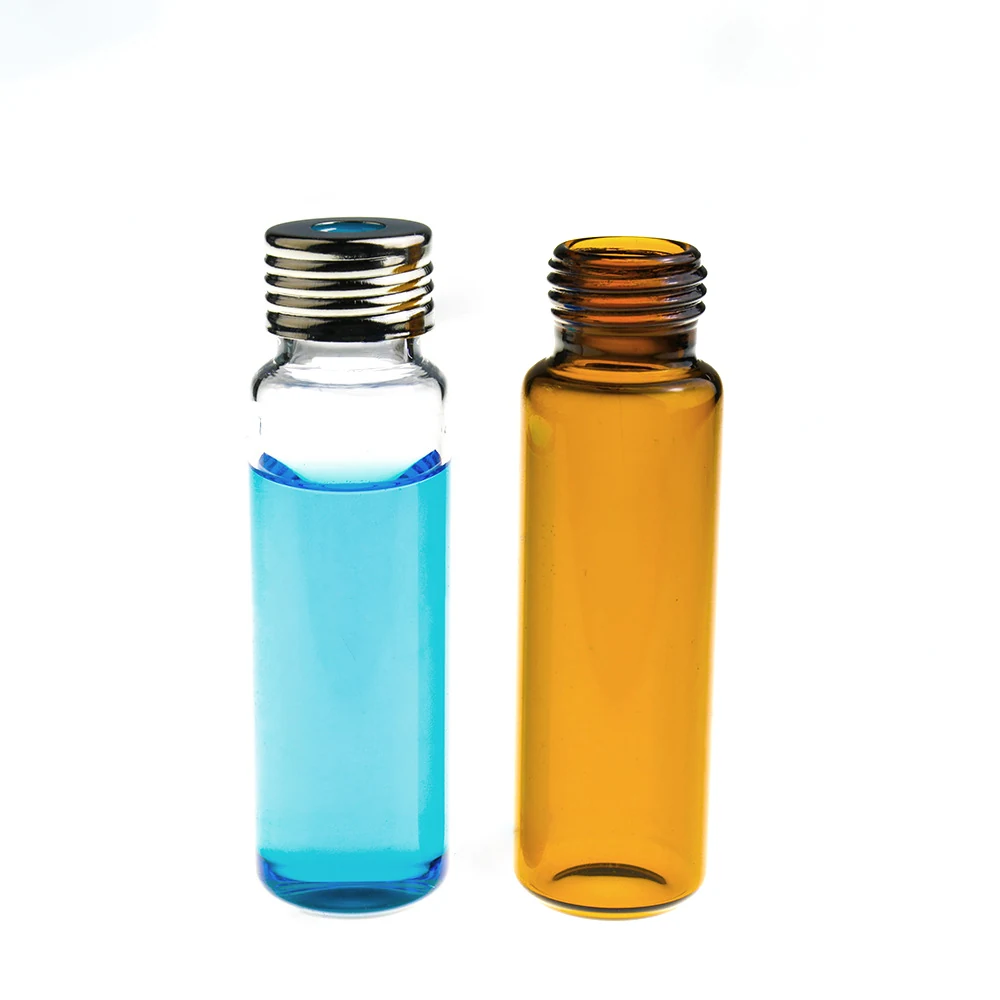
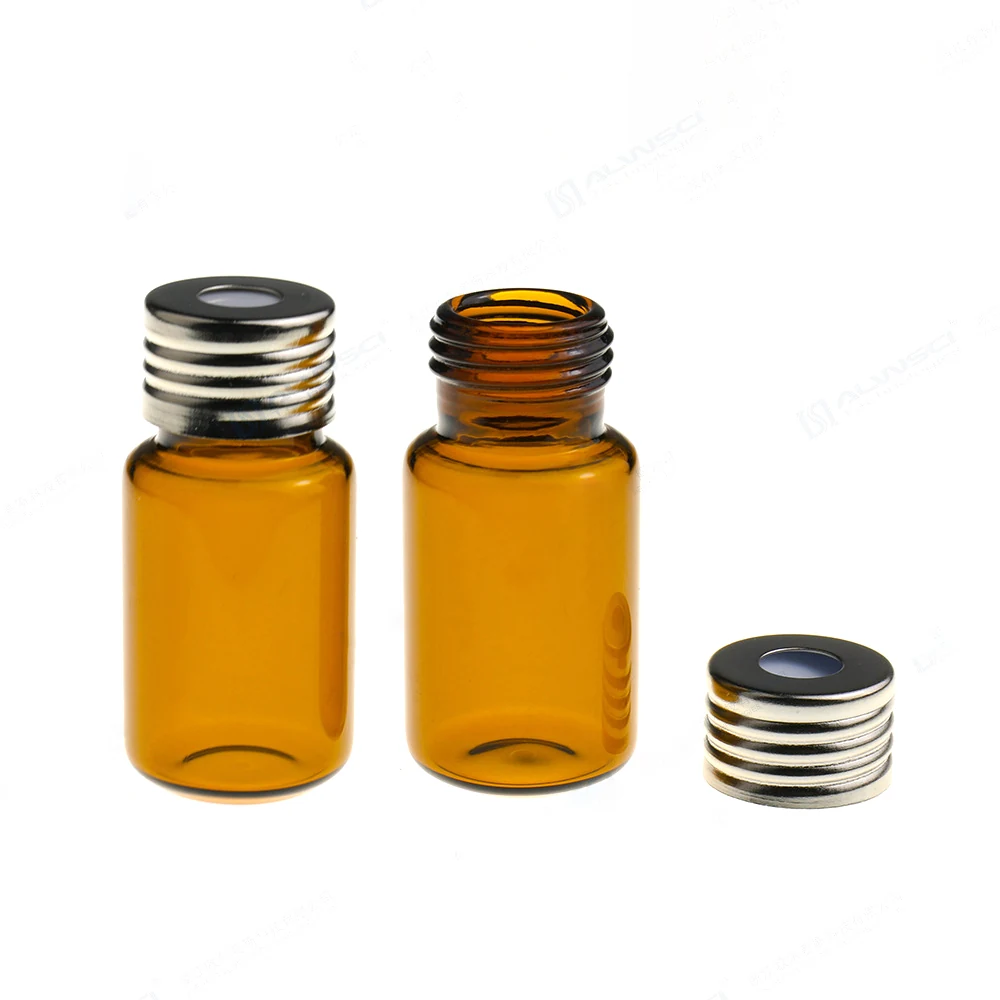
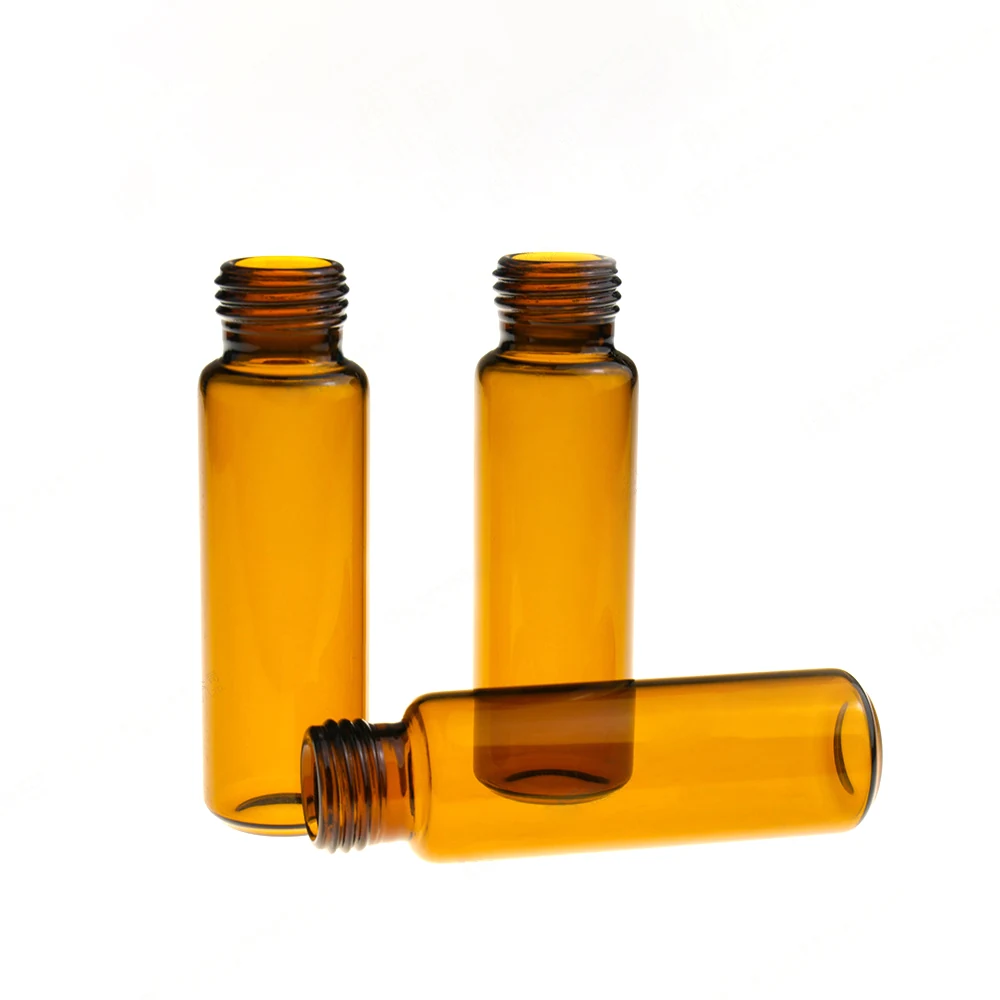
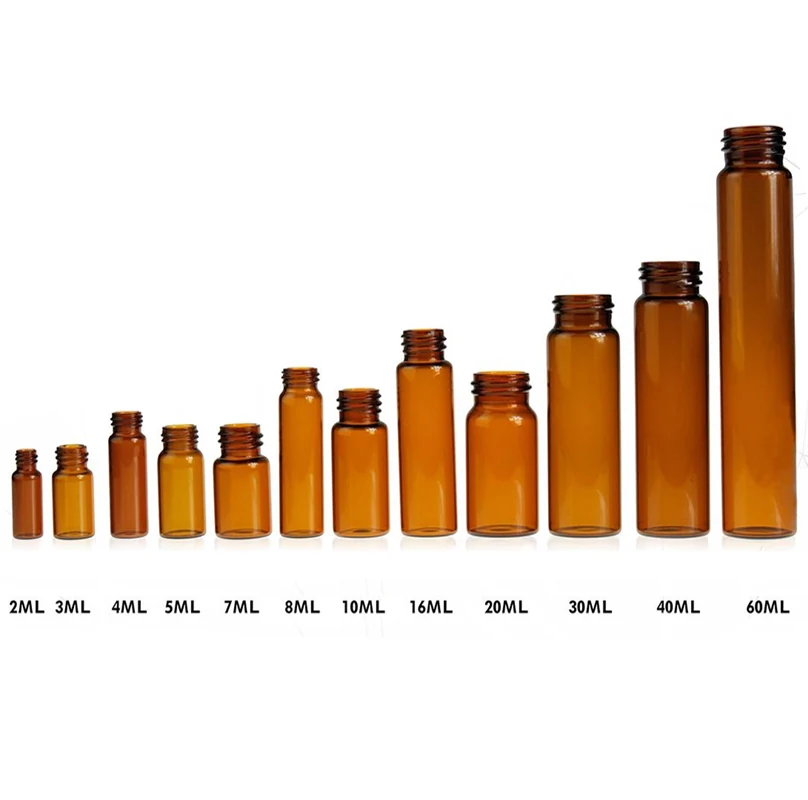
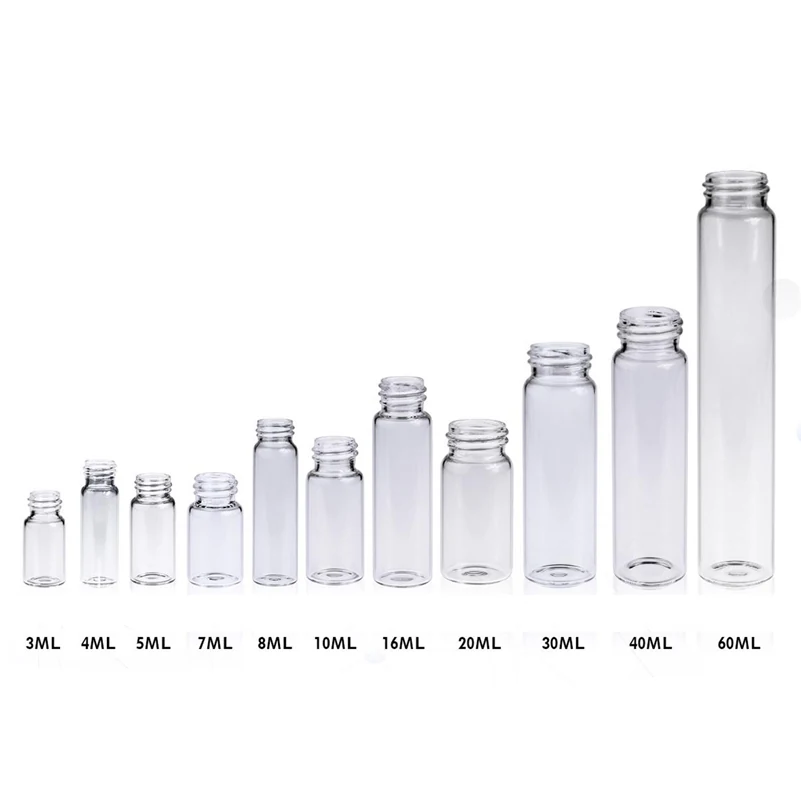
Storage vials are designed for long-term packaging and transportation of pharmaceutical intermediates, high-value chemicals, reagents, biological samples, cosmetics, essences, and oils. They feature a screw-top closure with a PTFE/silicone septum for reliable sealing and compatibility with autosampler systems. Available in clear and amber glass with multiple sizes from 2 mL to 60 mL, they support stable storage under light-sensitive and inert conditions.

  • Clear and amber glass options protect light-sensitive samples from degradation during storage and transport
  • Screw-top design with PTFE/silicone septum ensures a tight seal to prevent leakage and evaporation
  • Multiple sizes from 2 mL to 60 mL allow selection based on sample volume and storage duration
  • Consistent thread compatibility (9-425, 13-425, 15-425, 18-400, 24-400) across all vial types for interchangeable use
Key Benefits

What This Product Gives You

  • Clear and amber glass options protect light-sensitive samples from degradation during storage and transport
  • Screw-top design with PTFE/silicone septum ensures a tight seal to prevent leakage and evaporation
  • Multiple sizes from 2 mL to 60 mL allow selection based on sample volume and storage duration
  • Consistent thread compatibility (9-425, 13-425, 15-425, 18-400, 24-400) across all vial types for interchangeable use
  • 100 pieces per pack standard packing reduces handling and inventory complexity for high-volume users
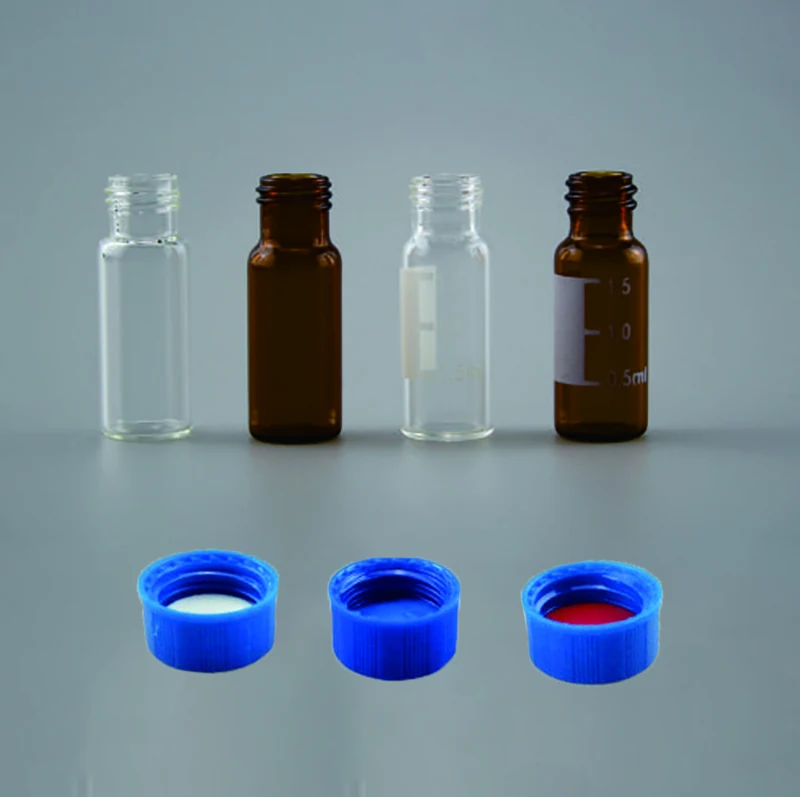
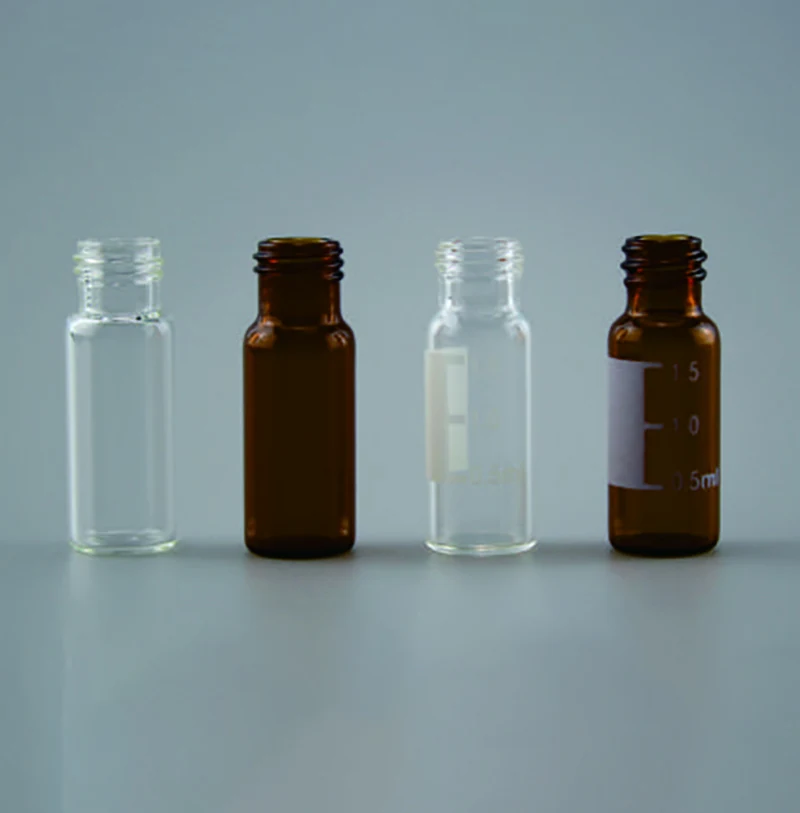
  • Available in clear glass and amber glass for light protection
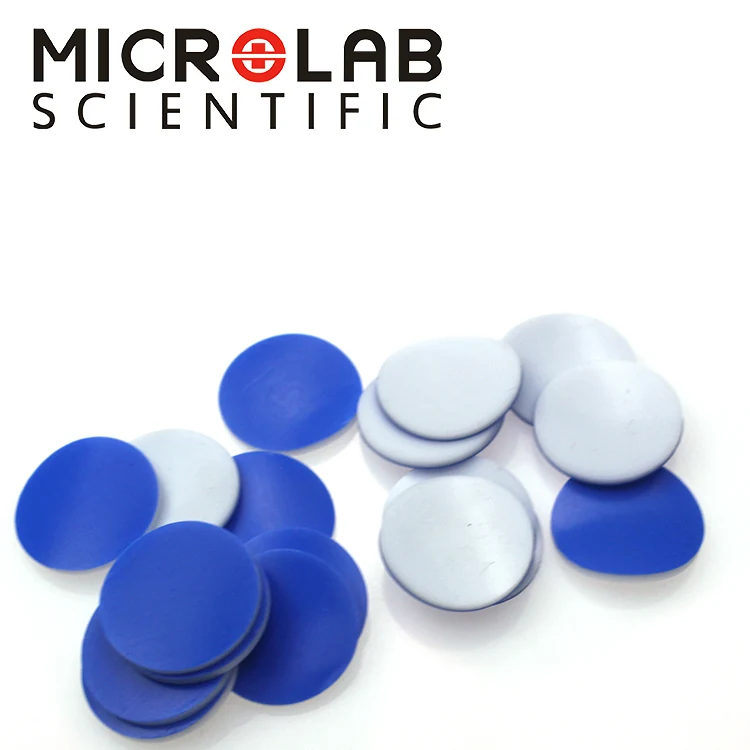
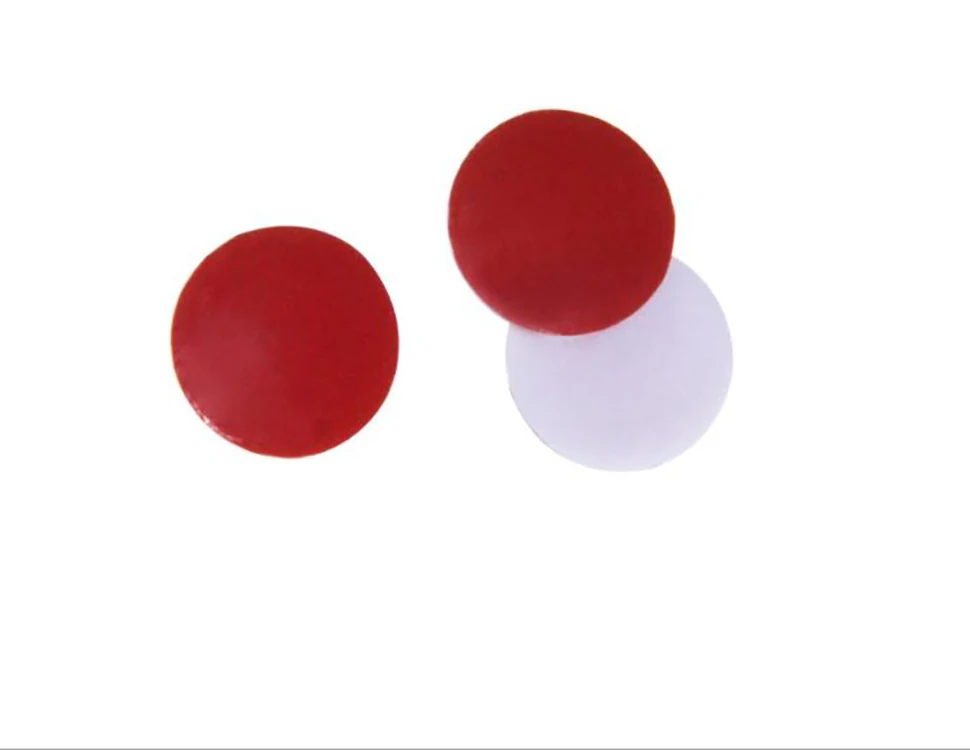
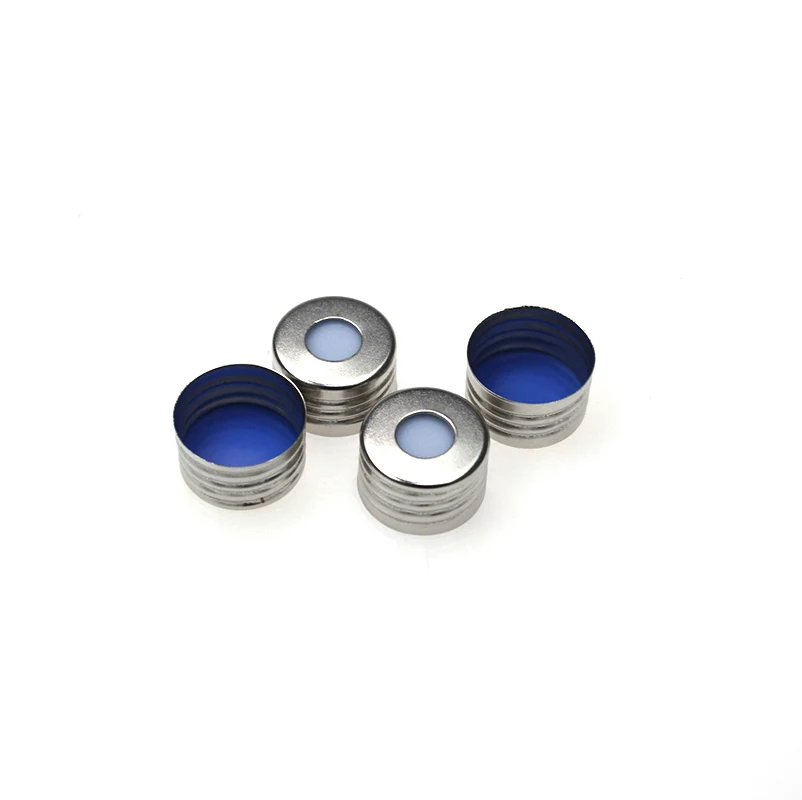
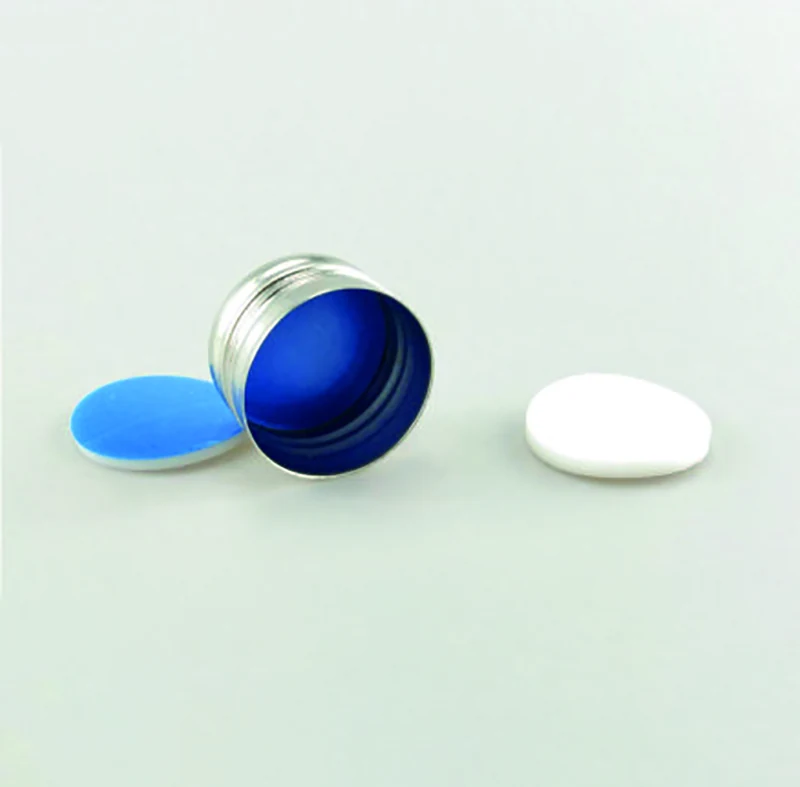
  • Screw-top closure with PTFE/silicone or natural PTFE/natural silicone septum
  • Multiple sizes: 2 mL (12×32 mm), 4 mL (15×45 mm), 7 mL (22×40 mm), 8 mL (17×60 mm), 10 mL (22×52 mm), 16 mL (22×72.5 mm), 20 mL (27.5×57 mm), 30 mL (27.5×84 mm), 40 mL (27.5×95 mm), 60 mL (27.5×140 mm)
  • Thread types include 9-425, 13-425, 15-425, 18-400, and 24-400 for compatibility with standard autosamplers
  • Flat base design ensures stable standing and consistent positioning in racks
  • Cap options include open and closed types with colour-coded caps for easy identification
  • PTFE/silicone septa allow repeated needle punctures without seal degradation
Where It Is Used

Applications And Buyers

Application Scenarios

  • Storing pharmaceutical intermediates and active ingredients in a controlled environment before further processing
  • Preserving biological reagents and enzyme solutions for extended periods without degradation
  • Holding high-value chemical reagents in laboratories where contamination and evaporation must be avoided
  • Transporting essential oils and cosmetic formulations between production and testing sites
  • Maintaining sample integrity in environmental and food testing labs during long-term storage

Who It Is For

  • Pharmaceutical and biotech labs requiring stable, long-term sample storage for R&D and QC
  • Chemical and specialty materials manufacturers handling sensitive reagents and intermediates
  • Contract testing labs managing large volumes of samples with strict storage and traceability needs
  • Laboratory distributors sourcing consistent, high-performance vials with standardised packaging
  • OEM partners needing private-label vials and closures for branded consumable lines

Problems It Solves

  • Sample loss due to evaporation from poorly sealed vials during long-term storage
  • Degradation of light-sensitive compounds when stored in non-amber or non-UV-protected containers
  • Inconsistent thread fit between vials and caps leading to leaks or seal failure
  • Need to source multiple vial types from different suppliers with varying pack sizes and closure systems
  • Difficulty in maintaining sample traceability and integrity across storage and autosampling workflows
Data

Specifications

MaterialGlass
TypeClear Glass, Amber Glass
Size2 mL (12×32 mm), 4 mL (15×45 mm), 7 mL (22×40 mm), 8 mL (17×60 mm), 10 mL (22×52 mm), 16 mL (22×72.5 mm), 20 mL (27.5×57 mm), 30 mL (27.5×84 mm), 40 mL (27.5×95 mm), 60 mL (27.5×140 mm)
Packing100 pcs per pack
Closure TypeScrew Top
SeptumPTFE/White Silicone, Natural PTFE/Natural Silicone, PE
Thread Size9-425, 13-425, 15-425, 18-400, 24-400
Base TypeFlat Base
Cap ColourBlue, Black, Red, White
Cap TypeOpen Cap, Closed Cap

Materials

  • Glass vials: clear or amber
  • Septum: PTFE with white silicone, natural PTFE with natural silicone, or PE
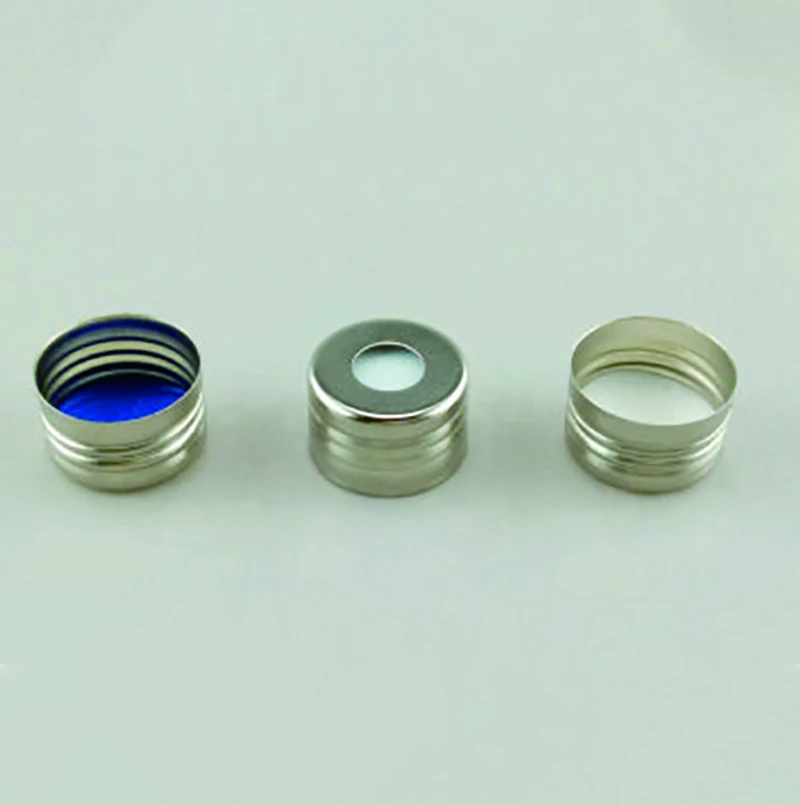
  • Caps: plastic (black or blue), with threaded design for screw closure

Customization Options

  • OEM private-label printing on vials and caps
  • Custom cap colour and septum type selection for branding
  • Private-label packing arrangements through the Microlab OEM division
  • Custom packaging configurations available upon request
How It Is Made

Manufacturing And Quality Control

Manufacturing Process

  • Glass vial forming and annealing
  • Thread machining to match standard autosampler thread sizes
  • Cap and septum assembly
  • Colour coding and part number printing on caps
  • Packing at 100 pieces per pack

Quality Control

  • Visual inspection of vials for cracks, bubbles, and dimensional consistency
  • Thread fit test with matching caps to ensure sealing integrity
  • Septum integrity check to confirm no pinholes or defects
  • Packing verification to confirm 100 pieces per pack and correct cap type
Comparison

Compared With The Alternatives

Versus Plastic vials

Glass vials offer lower extractables and better chemical resistance than plastic, which is critical for long-term storage of reactive or sensitive compounds

Versus Vials with adhesive-sealed caps

Screw-top design allows repeated access without seal degradation, unlike adhesive-sealed caps that lose integrity after one puncture

Versus Non-amber vials for light-sensitive samples

Amber glass blocks UV and visible light, preventing photodegradation of sensitive compounds that clear glass cannot protect

Versus Vials with non-standard thread sizes

Standardised thread sizes (9-425, 13-425, etc.) ensure compatibility with most autosamplers and lab racks
Use Guide

How To Use It

  • Select clear glass for samples not sensitive to light; use amber glass for UV-sensitive compounds
  • Match the vial size to the sample volume to avoid overfilling or underutilisation
  • Use closed caps for long-term storage to prevent evaporation and contamination
  • Use open caps when frequent access is needed and the sample is stable
  • Ensure the septum type matches the application: PTFE/silicone for repeated punctures, PE for non-reactive samples
  • Store vials upright in a stable rack to prevent breakage and ensure consistent positioning
Photos

Product Gallery

Also In This Category

Related Products

Read Next

Related Industries And Guides

FAQ

Questions Buyers Ask

What is the difference between clear and amber glass vials?

Amber glass blocks UV and visible light, protecting light-sensitive samples. Clear glass is suitable for samples not affected by light exposure.

Can I use these vials for autosampler injection?

Yes. The vials are designed with standard thread sizes (9-425, 13-425, 15-425, 18-400, 24-400) compatible with most autosamplers.

What septum types are available?

PTFE/White Silicone, Natural PTFE/Natural Silicone, and PE septa are available depending on the cap model.

How many vials are in each pack?

Each pack contains 100 pieces. This standard packing reduces handling and inventory complexity.

Do you offer private-label vials?

Yes. The Microlab OEM division supports private-label printing, custom packaging, and custom cap configurations.

Are the caps compatible across different vial sizes?

No. Each vial size uses a specific thread (e.g., 9-425, 18-400), so caps are not interchangeable across sizes.

Get A Quote For Storage Vials

Tell us the membrane, pore size, diameter and quantity you need, or describe the sample and we will specify it.