
Desktop Liquid Dangerous Goods Detection System
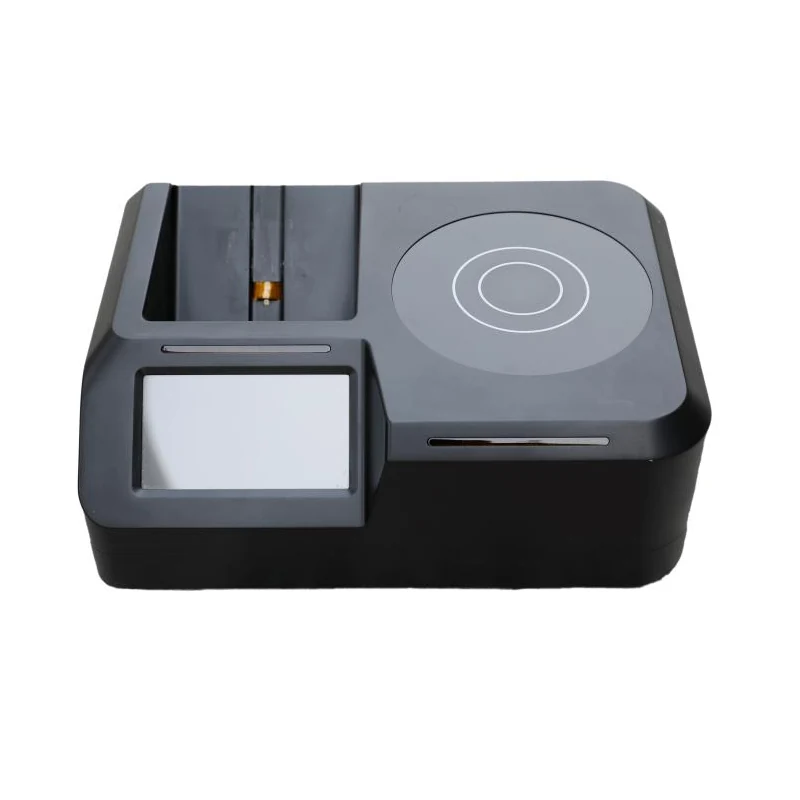
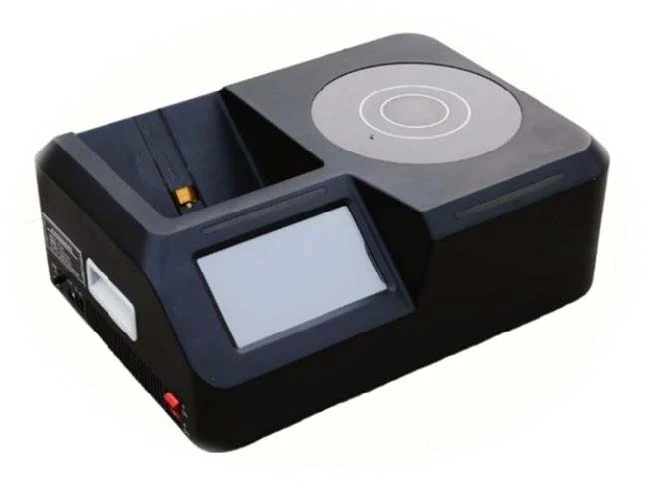
Most liquid screeners tell you a liquid is dangerous. This desktop system names the component, the hazard type and the leakage treatment method, which is what a checkpoint supervisor actually needs to act. Two independent channels handle non-metallic and metallic containers at the same time and alarm separately, with no radiation and no dangerous source in the system at all.
Key benefits
- Component identification giving the main component name, hazard and leakage treatment
- Independent dual channels for non-metallic and metallic containers, working simultaneously
- No radiation and no dangerous source in the system
- Non-contact, non-destructive sampling
- Built-in printer issuing an alarm voucher as a test certificate
Problems it solves
- A generic dangerous-liquid alarm gives no basis for a handling decision
- Metal cans and plastic bottles need different detection approaches
- Paper records of a detection are slow and easily disputed
- Managers cannot see whether detectors are actually being used
Who it is for
- Supervisors who need a named substance, not just an alarm
- Operators screening mixed container types on one lane
- Managers wanting real-time visibility of detector use across sites
Application scenarios
- Checkpoints screening bottled and canned liquids at entry
- Sites that must record and report what was detected
- Locations screening both metal cans and plastic bottles
- Operations requiring central monitoring of several detection points
Technical features
- Unique sensor network design, able to detect 1 mol/L sodium hydroxide solution
- Dual database design with separate safe and dangerous liquid databases, upgradable on site
- On-site addition of new dangerous liquid samples
- Network transmission for data collection, storage and application
- Big data statistical analysis by time period and location
- Dual power supply: mains plus built-in battery
Specifications
| Detection Channels | Two independent, non-metallic and metallic container |
|---|---|
| Sampling | Non-contact, non-destructive |
| Radiation | None, no dangerous source |
| Sensitivity | detects 1 mol/L sodium hydroxide solution |
| Component Identification | Names main component, hazard method and leakage treatment |
| Databases | Separate safe and dangerous liquid databases, user-upgradable on site |
| Printing | Built-in printer for real-time alarm voucher |
| Networking | Real-time upload to a back-end management platform |
| Power | Mains plus built-in battery |
Figures are those published by the factory for this model. Where a value is shown as TBC it is not published, and we will confirm it with the factory before you order rather than estimate it.
Quality control
- Dual database design stated to give the lowest false alarm rate among comparable products
Customisation options
- New liquid dangerous goods samples added on site
- Both databases upgradable by the user
Compared with other models in the range
The handheld liquid detectors give a fast yes or no at the lane. This desktop system is the fixed position behind them: it names the component, prints a certificate and uploads the result, which is what turns a screening decision into a record.
Use guide
- Place the container in the channel matching its material, metallic or non-metallic
- Run both channels at once when screening mixed containers
- Read the named component, hazard method and leakage treatment from the result
- Print the alarm voucher as the test certificate for the record
- Add new liquid samples to the database on site as they are encountered
Product images
Where this product is used
Part of Explosive and Narcotics Trace Detectors · typically specified for:
Desktop Liquid Dangerous Goods Detection System FAQ
Does it tell us which chemical it is
Yes. It gives the specific name of the main component, the hazard method and the leakage treatment method.
Can it screen metal cans as well as bottles
Yes, through two independent channels that can work at the same time and alarm independently.
Is there any radiation risk
No. The design has no radiation and no dangerous source.
How sensitive is it
It can detect 1 mol/L sodium hydroxide solution.
Can we add new substances to it
Yes, new samples of liquid dangerous goods can be added on site, and both databases can be upgraded by the user.
Can results be sent to a central system
Yes, results upload in real time to a back-end management platform, with statistical analysis by time period and location.
Can it run without mains power
It has a dual power supply design with mains plus a built-in battery.
Related products
Quotation for the Desktop Liquid Dangerous Goods Detection System
Send your destination port and quantity. We will come back with price, lead time and what documentation the factory can supply for your market.