
Trace Detection for Explosives and Narcotics How It Works
Trace detection finds residue left by handling, which is how a checkpoint catches someone carrying nothing at that moment.
Trace and bulk are different questions
Bulk detection asks what is inside this container. Trace detection asks what has this person or surface been in contact with. They answer different questions, and a checkpoint that only screens bulk misses the courier who handled explosives yesterday and is carrying nothing today.
Ion Mobility Spectrometry
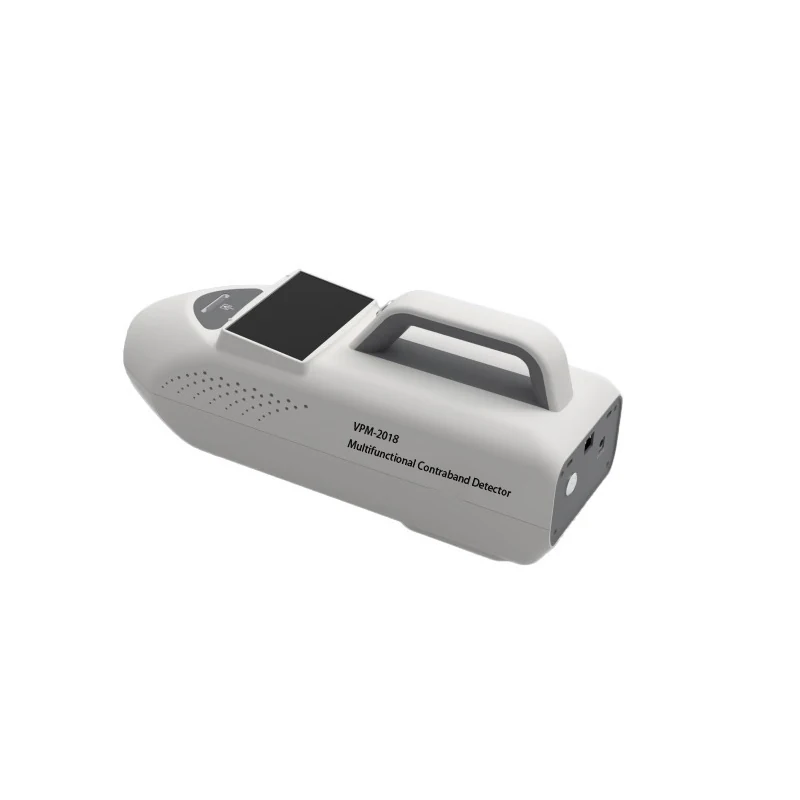
IMS ionises molecules from a wipe sample and separates them by mass-to-charge ratio, which allows identification at very low concentrations. The VPM-2018 uses this principle and states a detection limit of 200 picograms for both TNT and cocaine, in the nanogram to picogram range, with an analysis time selectable from 2 to 32 seconds.
What a library actually covers
The useful question is not whether a detector finds explosives, but which ones. The VPM-2018 library covers TNT, HMX, Tetryl, nitroglycerin, ammonium nitrate, black powder, DNT, PETN, octogen, picric acid, C4, Semtex, TATP, nitromethane and Comp B, alongside cocaine, heroin, THC, methamphetamine, ketamine, morphine, MDMA, ephedrine, methadone and fentanyl. New samples can be added on site, which matters as substances change.
Fluorescent polymer sensing
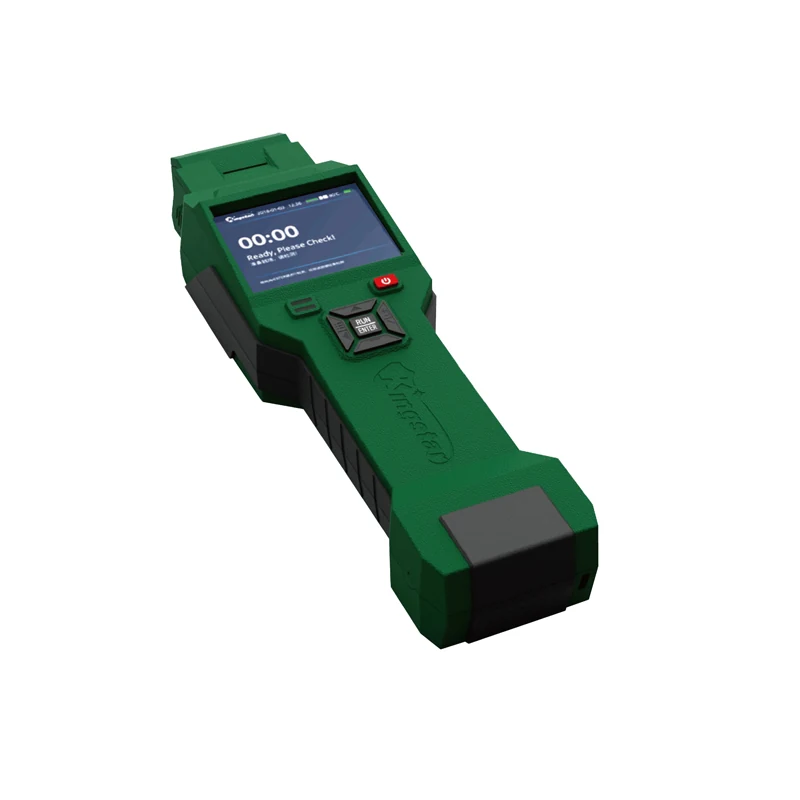
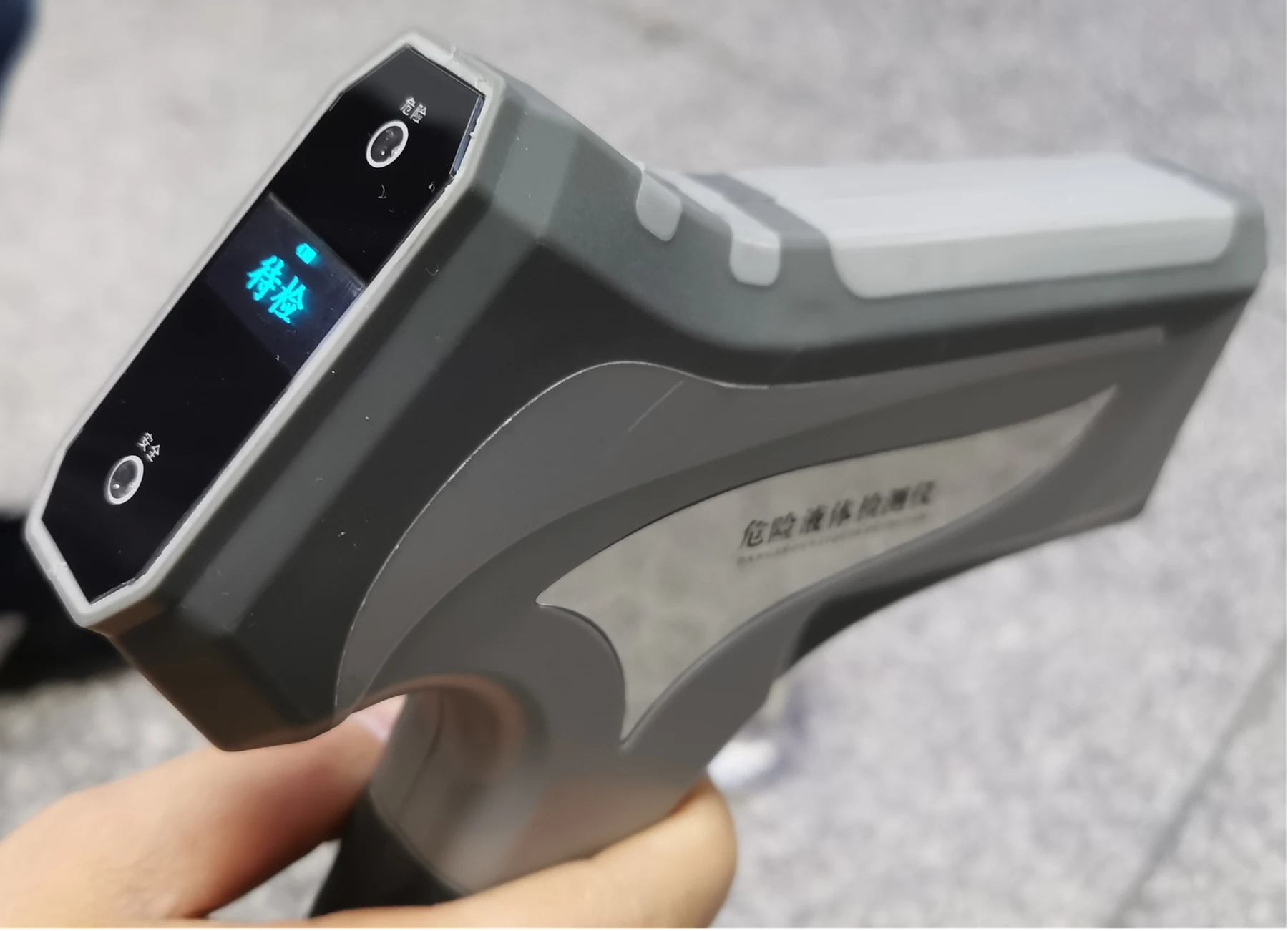
A second approach uses fluorescent polymer sensing, giving a result in 2 seconds or less with preheating under a minute in heating mode and under 4 seconds by direct suction. It is lighter, at 2 kg or less complete, and explosion-proof, which suits fast repeated checks moving through a crowd rather than a fixed position.
Sampling method determines what you catch
Solid particulate wipe sampling collects residue from hands, surfaces and packaging. Direct suction samples the air around an item. Heated test strips vaporise what was collected. Each catches different things, and a checkpoint that only wipes the outside of a bag will miss what a suction sample from the seam would have found.
Throughput and cleaning time
The practical limit is not detection but cycle time. Analysis is 2 to 32 seconds, but cleaning time between samples, 10 seconds or less on the fluorescent polymer detector, sets how many people per hour one instrument can process. Plan the checkpoint around the full cycle rather than the analysis figure.
Products referenced in this guide
Frequently Asked Questions
What is the difference between trace and bulk detection
Trace finds residue from handling; bulk identifies the substance in a container. Checkpoints usually need both.
How sensitive is trace detection
The VPM-2018 states 200 pg for TNT and 200 pg for cocaine.
Can new substances be added to the library
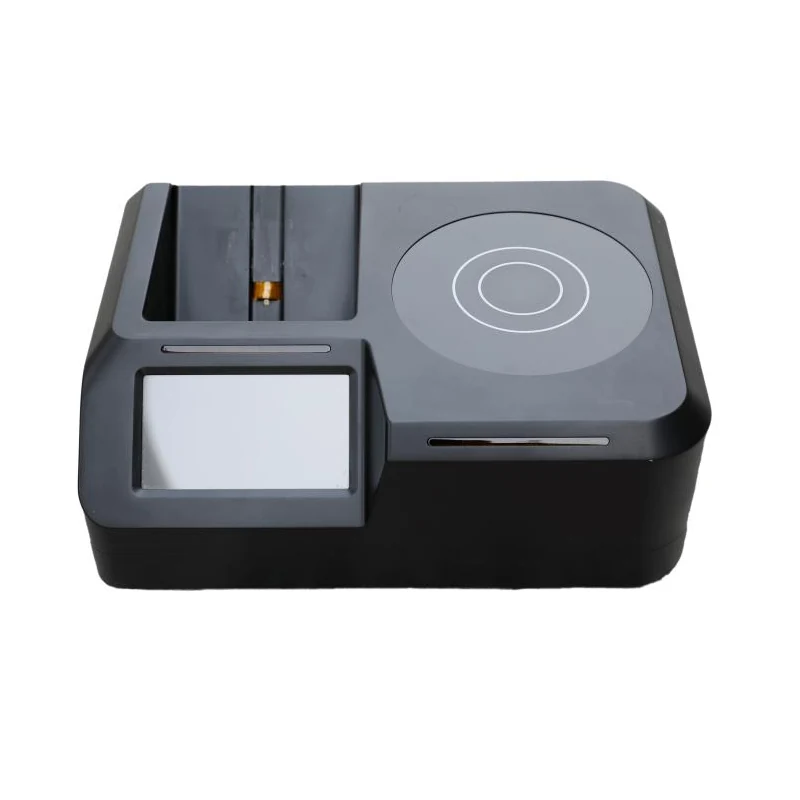
Yes, on both the VPM-2018 and the desktop liquid detection system.
How many people per hour can one instrument process
Work from analysis plus cleaning time, not analysis alone. Cleaning can be 10 seconds between samples.
Can these be exported to our country
Explosive detection equipment is controlled in many markets. Send the destination and end use before ordering.
Have a specific requirement
Send the dimensions, throughput and conditions. We will answer against your case rather than in general.