
What Metals Can a Metal Detector Detect
Ferrous and non-ferrous metals behave differently in a detection field, and stainless steel is consistently the hardest to find.
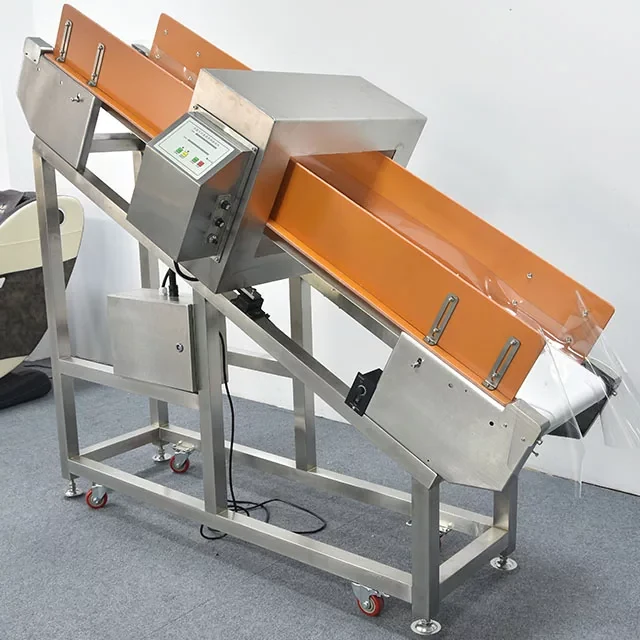
Ferrous and non-ferrous behave differently
Ferrous metals contain iron and disturb the magnetic field directly. Non-ferrous metals, including copper, aluminium, tin, brass, lead, nickel and zinc, produce an eddy current effect that changes the field a different way. Gold, silver, platinum and titanium are also detectable. A detector set up only for ferrous metal will let non-ferrous items through, which is why detectors in this range state both figures separately.
Stainless steel is the hard case
Across every food and pharmaceutical detector in this range, the stainless steel figure is the worst of the three. The VMF-Inclined states Fe 0.25 mm, non-ferrous 3.8 mm and SUS304 4.0 mm. The conveyor belt detector with flap reject states Fe 0.5 mm, Cu 0.8 mm and SUS 1.2 mm. That ordering is consistent and it is physics, not a product weakness. It also matters because stainless steel is the likeliest contaminant on a food or pharmaceutical line, since it is what the equipment is made of.
Size, shape and orientation change the result
A larger object is easier to detect than a smaller one, and an irregular shape or an awkward orientation is harder than a sphere. Published detection figures are almost always measured on a test sphere or wire, which is why a needle detector publishes a different figure at every working height, and why a wand quotes a pin, a knife and a handgun separately.
Product effect on a production line
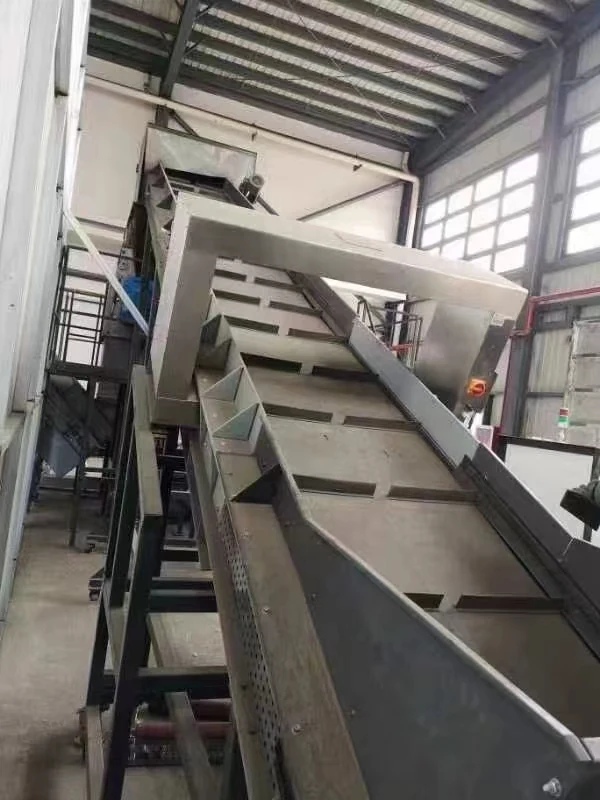
On an industrial line the product itself has a signal. Moisture, salt content, temperature and frozen state all add to it, and that signal can mask a real contaminant. This is why detectors intended for wet, salty or frozen product use automatic phase adjustment or multi-frequency detection, and why an empty-machine sensitivity figure is not what you will achieve loaded.
Where metal detection stops entirely
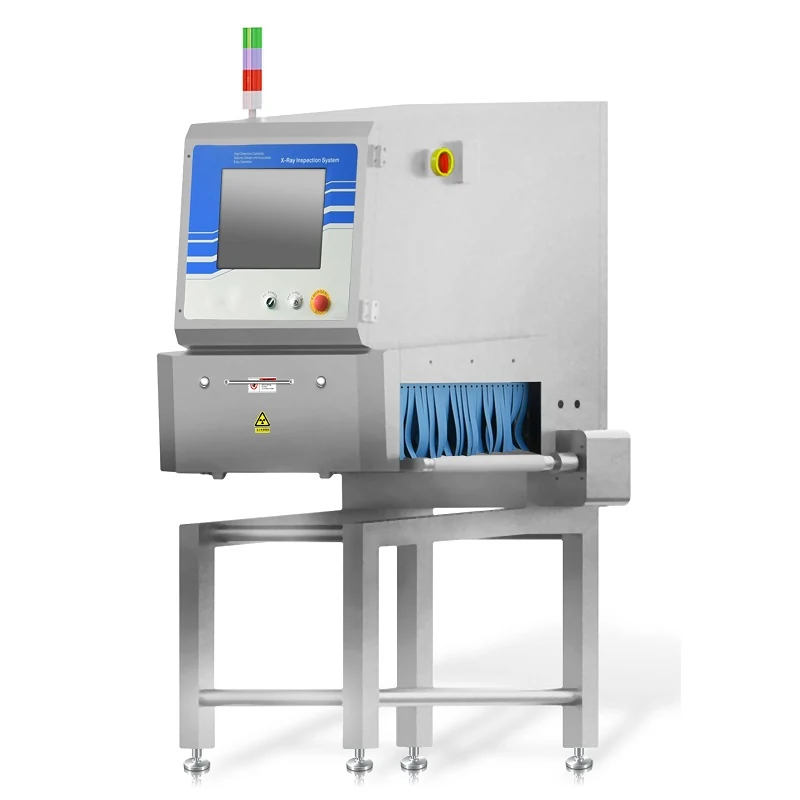
No metal detector will find glass, stone, bone, ceramic or hard plastic, because there is nothing for the field to interact with. Foil and metallised packaging works the other way: it swamps the detector. In both cases X-ray inspection is the answer, and a supplier who tells you otherwise is selling rather than advising.
Frequently Asked Questions
Can a metal detector find stainless steel
Yes, but least well of the common metals. Expect the stainless figure to be two to ten times coarser than the ferrous one on the same machine.
Will it detect gold and silver
Yes, both are detectable as non-ferrous metals. Sensitivity varies by detector design and operating frequency.
Why does the datasheet figure not match our line
Published figures are empty-machine. Product effect from moisture, salt and temperature reduces real sensitivity.
Can a metal detector find glass or bone
No. Those require X-ray inspection, such as the VXR-G2 or the AVG-FX range.
Does foil packaging stop detection
It effectively does for metal detection. X-ray inspection is unaffected by foil.
Have a specific requirement
Send the dimensions, throughput and conditions. We will answer against your case rather than in general.