Industrial equipment and custom parts sourced from vetted Chinese factories since 2007
[email protected]Mon-Fri 09:00-18:00 GMT+8
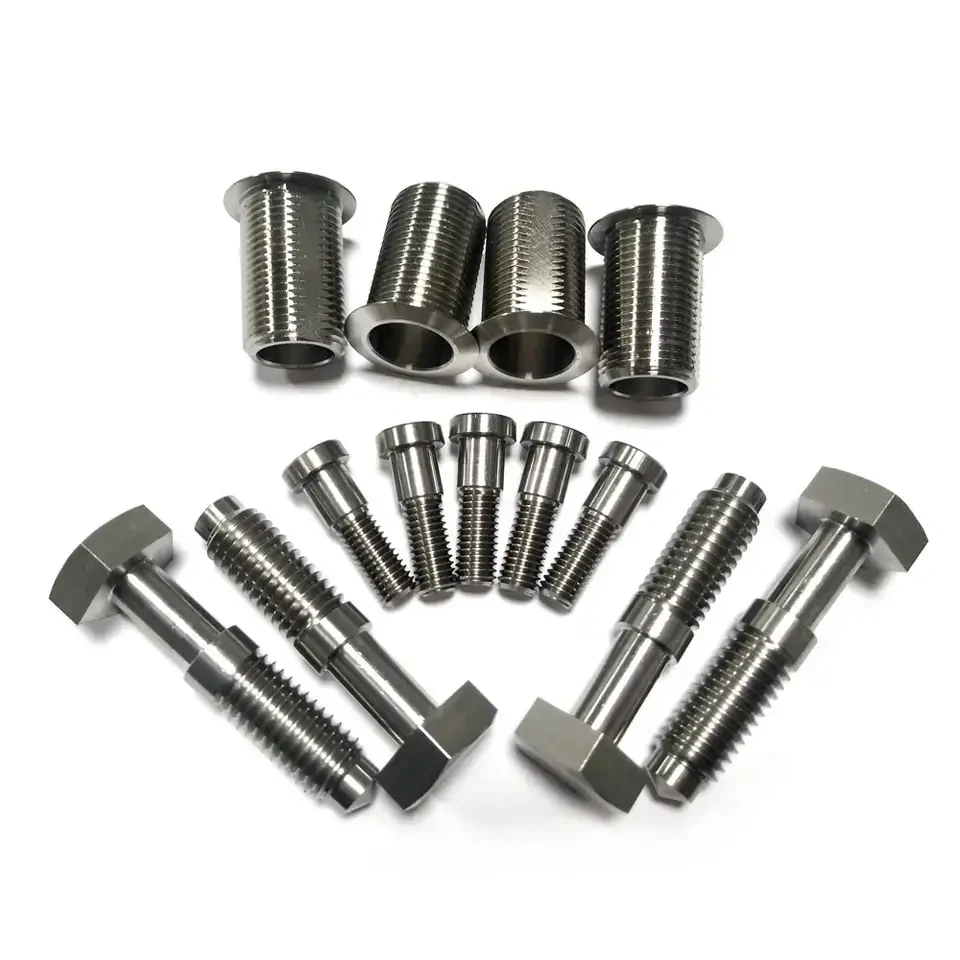
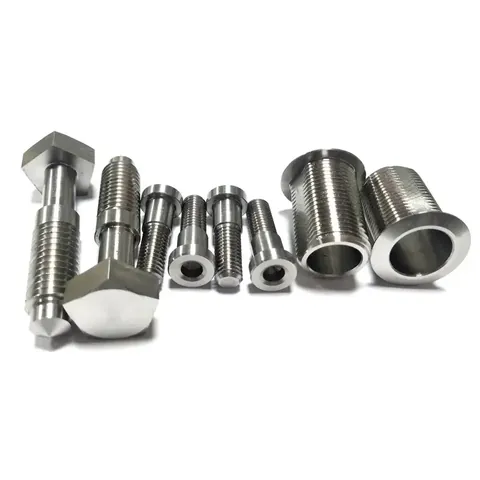
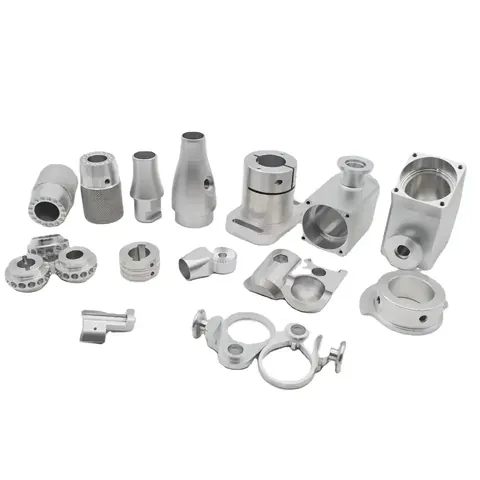
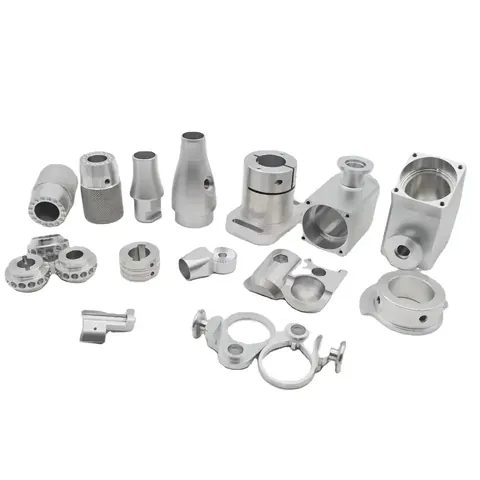
Vertical mills depend on their constituent parts to keep running, and those parts are often intricate and wear in service. Components including grinding table parts are produced to drawing using CNC machining and milling with heat treatment where the duty requires it, so a plant can replace a worn item with one that matches the original rather than adapting a near equivalent. Parts are inspected before despatch.
Replacement parts made to the original drawing keep an existing mill in service instead of forcing a machine change
Heat treatment applied where duty requires it extends the service interval on parts that wear in contact
Machining intricate components in house keeps dimensional control in one place rather than across subcontractors
Ordering wear parts ahead of a planned shutdown avoids the unplanned stoppage that follows a failure
One supplier for several part numbers simplifies the reorder cycle for a maintenance store
A worn mill component stops the whole grinding process until it is replaced
Near equivalent parts fit poorly and wear again quickly
Complex components are hard to source when the original maker is no longer supplying
Unplanned failures cost more than holding the part on the shelf
| Component Types | Grinding table and related vertical mill parts |
|---|---|
| Production | CNC machining and milling to drawing |
| Treatment | Heat treatment where required |
| Basis | Custom to client drawing |
Figures shown are taken from the supplying factory documentation. Anything not listed here is confirmed in writing before order.
Replacing the worn component keeps the existing machine and foundation in use
A part made to the original drawing fits without modification at the mill
Heat treatment where required extends life on parts in constant contact
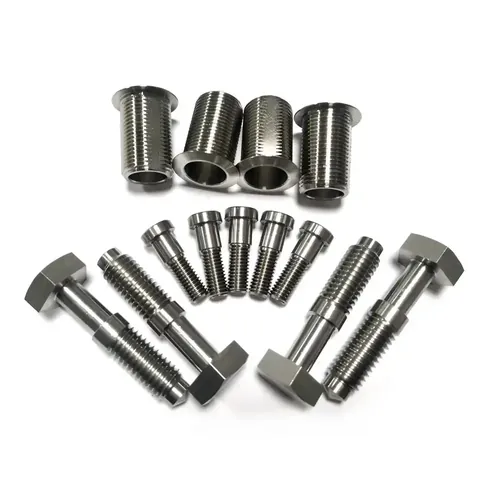
Parts are produced to client drawings, and where only a worn sample exists the geometry is agreed with you before machining begins.
Grinding table components and related intricate mill parts are the usual items, since these carry the wear in service.
Heat treatment is applied where the duty requires it, and the treatment used on your part is stated on the order.
Cast iron is used where the application calls for it, and the material for your part follows the drawing you supply.
Tolerances are taken from your drawing and confirmed as achievable with the quotation.
Delivery depends on the part and quantity and is confirmed in writing with the quotation.
Send the drawing, capacity or duty cycle you need and we will come back with the factory match, the build detail and the commercial terms.
Email Our Sourcing TeamView Category