Industrial equipment and custom parts sourced from vetted Chinese factories since 2007
[email protected]Mon-Fri 09:00-18:00 GMT+8
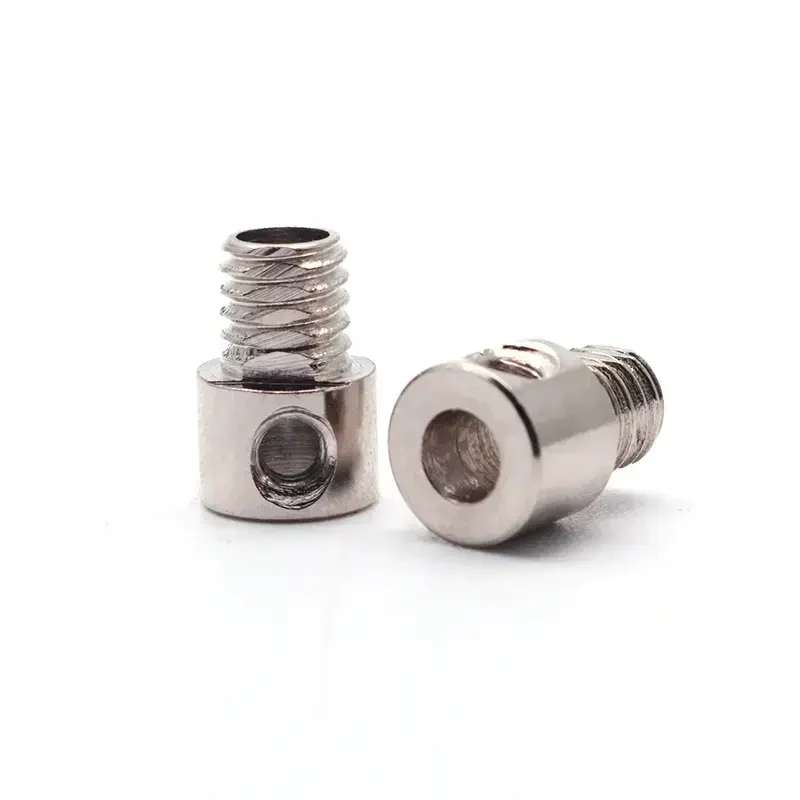
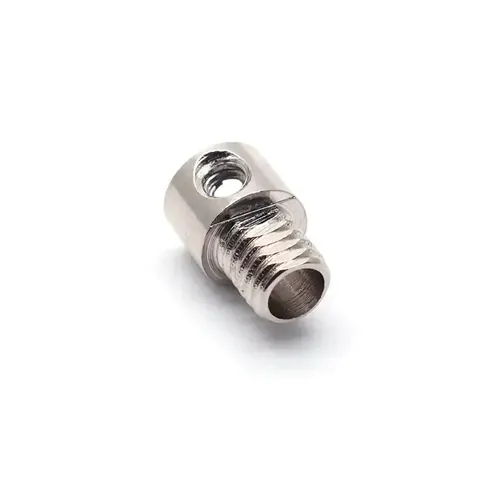
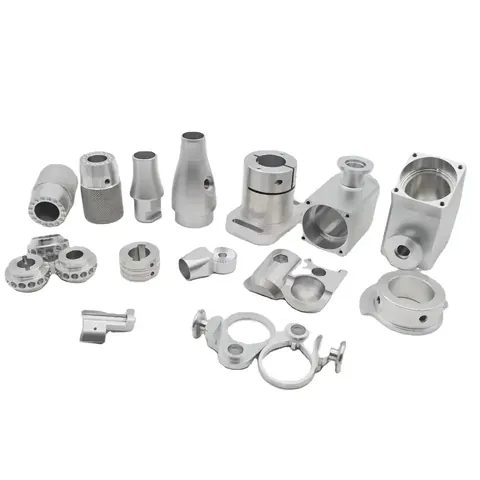
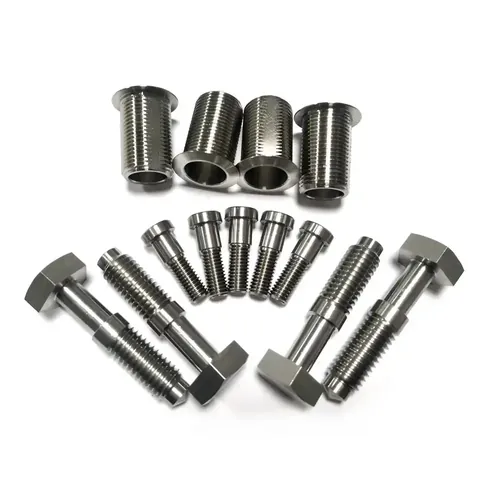
Horizontal mill parts machined to customer drawings for machines that must keep running. The spindle holds and drives the cutting tools and its construction determines how much cutting load the machine can take, so spindle and related components are produced with turning, milling and stamping operations under a quality control routine that is applied during production rather than at the end.
Spindle components made to the original geometry keep a milling machine cutting at the load it was designed for
Parts machined to drawing let an old machine be kept in service when the maker no longer supplies spares
Turning and milling under one roof keeps concentric features true between operations
Inspection during production stops a deviation being discovered after the part is finished
Cast iron and other material options match the part to how it is loaded in the machine
A worn spindle reduces the cut a machine can take and spoils finished work
Spares for older machines are often unavailable from the original maker
Parts machined across several shops lose concentricity between features
Inspection only at the end of production wastes the machining already done
| Component Types | Spindle and related horizontal mill parts |
|---|---|
| Processes | Turning milling stamping |
| Basis | Custom metal fabrication to drawing |
| Material | Cast iron and other materials to specification |
Figures shown are taken from the supplying factory documentation. Anything not listed here is confirmed in writing before order.
Machining the worn component keeps the existing machine and its foundation in use
Parts made to the original drawing preserve the fit and the cutting performance
Turning and milling in one works keeps related features aligned
Spindle components and other core mill parts are produced, since these carry the cutting tools and the machining load.
Parts are made from customer drawings, and where only a worn part exists the geometry is agreed with you before machining.
Cast iron is used where the application calls for it, and other materials are machined according to your specification.
Quality control is applied during production rather than treated as a final step, so deviations are caught early.
Tolerances follow the drawing you send and are confirmed as achievable when the part is quoted.
Lead time depends on the part and the quantity ordered and is confirmed in writing with the quotation.
Send the drawing, capacity or duty cycle you need and we will come back with the factory match, the build detail and the commercial terms.
Email Our Sourcing TeamView Category