Industrial equipment and custom parts sourced from vetted Chinese factories since 2007
[email protected]Mon-Fri 09:00-18:00 GMT+8
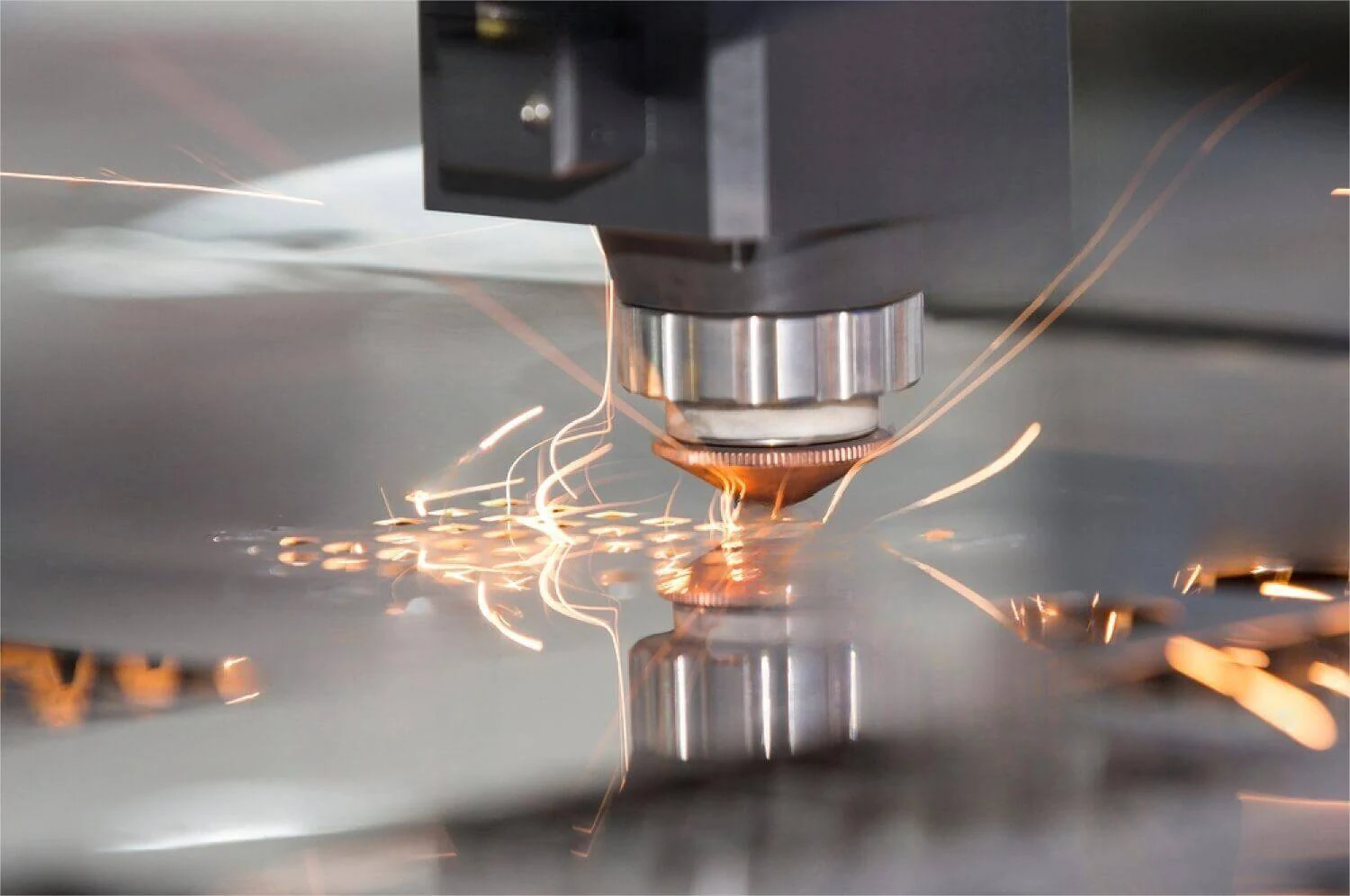
Water jet cutting is a subtractive process that uses a high-pressure stream of water, usually carrying abrasive, to cut a wide range of materials without a heat-affected zone. For a buyer comparing quotes or a manufacturer deciding whether to bring cutting in-house, the useful question is not what the process costs in the abstract but which variables move the number. The answer is material type, material thickness, cut complexity, and above all the size of the pump and orifice on the machine doing the work. This guide sets out the published operating costs, consumable lifespans, system capital costs and a comparison across three pump configurations.
The cost of water jet cutting varies significantly, and three variables account for most of the spread. The type of material being cut determines how quickly the jet penetrates and therefore how long the head dwells on the part. The thickness of the material compounds that effect, since a thicker section takes proportionally longer and consumes proportionally more abrasive. The complexity of the cut matters because intricate profiles involve more direction changes, more slow-down at corners and more pierce points, each of which adds time. Cutting speed itself is the variable that ties these together: it is set by material, thickness and required edge quality, and it is the single largest determinant of how many machine-hours a job consumes. Everything else in the cost structure is priced per hour.
On average, the cost to run an abrasive water jet can be as low as 20 US dollars per hour. Depending on the configuration and the operating conditions, running a water jet with a single abrasive cutting head at 60,000 psi costs between 20 and 40 US dollars per hour. That estimate covers the consumables and utilities the machine actually consumes and does not include labour or capital repayment. For a buyer evaluating a quoted price per part, this matters: the machine cost is only one component of what a service provider charges, and the remainder covers operator time, programming, material handling, overhead and the amortisation of a substantial capital purchase. When comparing in-house production with outsourcing, model all of those, not just the hourly running rate.
Four consumable items dominate the parts budget on an abrasive water jet, and each has a distinct cost and replacement interval. A nozzle costs approximately 80 US dollars and lasts around 80 hours. An orifice costs approximately 15 US dollars with a lifespan of about 40 hours, making it the most frequently replaced item. A mixing chamber costs approximately 150 US dollars and lasts about 400 hours. A high-pressure pump seal costs approximately 120 US dollars and lasts between 500 and 1000 hours. Spread across their service lives these components contribute a modest but steady hourly cost. The practical point for a plant engineer is that the short-lived, low-cost items require disciplined stock control, because running out of a 15 dollar orifice stops a machine just as effectively as a pump failure.
Capital cost spans a very wide range because the category covers everything from compact single-head machines to large multi-head installations with integrated material handling. Pricing for small water jet cutting systems can start around 60,000 US dollars, while complete custom systems can reach into the millions depending on the application and requirements. What drives the position within that range is table size, pump horsepower, number of cutting heads, the presence of a fifth axis or taper compensation, abrasive delivery and recycling equipment, water treatment, and automation for loading and unloading. A buyer should resist comparing a bare machine price against a turnkey installation, since the difference between the two is not margin but genuine equipment and integration work that will otherwise land on your own budget.
Comparing three water jet configurations at one hour of operation shows how the cost structure shifts with pump size. A machine with a 30 horsepower pump and a 0.01 inch orifice totals 19.90 US dollars per hour. A machine with a 50 horsepower pump and a 0.014 inch orifice totals 31.90 US dollars per hour. A machine with a 60 or 75 horsepower pump and a 0.016 inch orifice totals 37.50 US dollars per hour. The larger machines cost more to run, but they also cut faster and handle thicker material, so the correct comparison is cost per part rather than cost per hour. A larger pump that halves cycle time can be cheaper per part despite costing nearly twice as much per hour to operate.
Abrasive dominates the hourly cost and scales directly with pump size. Based on using garnet sand at a rate of one pound per minute, abrasive cost is 10.50 US dollars per hour on the 30 horsepower machine, 19.50 US dollars per hour on the 50 horsepower machine, and 24.00 US dollars per hour on the 60 or 75 horsepower machine. On the largest configuration that is roughly two thirds of the total hourly cost. Two consequences follow. First, abrasive purchasing and consumption discipline has more effect on operating cost than any other single management action. Second, any process change that reduces cutting time, such as better nesting, fewer pierce points or optimised lead-ins, converts directly into abrasive savings rather than just machine availability.
The remaining cost lines are smaller and behave differently. Power cost is 2.60 US dollars per hour on all three configurations in the comparison, based on an electricity rate of 0.10 US dollars per kilowatt hour, which means electricity is not the variable that separates one machine from another at these rates. Cost of parts, based on the average cost of replacing worn nozzles, orifices and mixing chambers, is 3.00 US dollars per hour on the smallest machine, 3.50 on the middle machine and 3.70 on the largest. Water cost, based on average United States water prices, runs 0.30, 0.60 and 0.75 US dollars per hour respectively. Miscellaneous costs covering labour and overhead within this model are 3.50, 4.00 and 4.25 US dollars per hour.
When a cutting supplier quotes per part, the price is machine time multiplied by an hourly rate, plus material, setup and programming, plus margin. Knowing that the underlying machine running cost sits between 20 and 40 US dollars per hour with a single abrasive head lets you sanity-check a quote. A high price per part on a simple profile usually means slow cutting speed, which points to thick or difficult material, or to a fine edge finish specification you may not need. Asking the supplier what edge quality they have assumed is often the fastest route to a lower price, since relaxing finish on non-critical edges increases traverse speed and reduces both machine time and abrasive consumption proportionally.
The in-house decision turns on utilisation. Pricing for small systems starts around 60,000 US dollars and custom systems reach into the millions, and that capital must be repaid out of the difference between your internal cost and the outsourced price. Since the hourly running cost is comparatively low but capital and labour are not, a machine that runs a few hours a week rarely justifies itself, while one that runs consistently across shifts usually does. Model your real annual cutting hours, not your peak week. Also account for the skills required: programming, nesting, abrasive handling, water treatment and maintenance are all ongoing responsibilities that a service provider currently carries on your behalf and that you would be assuming in full.
Given the cost structure, the levers are clear and ranked. Reduce cutting time first, because abrasive and machine hours both scale with it: nest parts tightly, minimise pierce points, share cut lines where geometry allows, and avoid unnecessary contour complexity in the design. Second, specify edge quality by feature rather than applying the finest finish to the whole part. Third, manage abrasive consumption and purchasing, since it is the largest line item. Fourth, maintain consumables on a planned schedule rather than to failure, because a worn orifice degrades cut quality and cutting speed before it fails outright. Fifth, match the machine to the work; a larger pump costs more per hour but may cut total cost per part on thick material.
Every figure in this guide is an estimate drawn from typical operating conditions, and the actual cost of operating a water jet cutter will vary with the type of material being cut, the thickness of the material and the cutting speed employed. Local electricity and water tariffs differ from the 0.10 US dollars per kilowatt hour and the average United States water price used in the comparison, and abrasive prices move with freight and supply. Use the numbers as a structure for asking better questions rather than as a benchmark to hold a supplier to. The value in the breakdown is understanding which line items dominate and therefore where a genuine difference between two quotations is most likely to originate.
Wire EDM Parts
Custom wire electrical discharge machined parts produced to client specifications rather than from a standard ...
View Details →
Vertical Mill Parts
Vertical mills depend on their constituent parts to keep running, and those parts are often intricate and wear...
View Details →
sheet metal services
Custom sheet metal fabrication handled from raw material through to the finishing stage, covering CNC machinin...
View Details →
Premium CNC Fasteners & Custom Solutions from China
CNC machined fasteners produced for the application rather than pulled from a standard thread catalogue. Bespo...
View Details →On average the cost can be as low as 20 US dollars per hour, and running a single abrasive cutting head at 60,000 psi typically costs between 20 and 40 US dollars per hour depending on conditions. That estimate excludes labour and capital repayment, so a service provider's charge to you will be higher than the machine's own running cost.
A nozzle costs approximately 80 US dollars and lasts around 80 hours. An orifice costs approximately 15 US dollars and lasts around 40 hours. A mixing chamber costs approximately 150 US dollars and lasts around 400 hours. A high-pressure pump seal costs approximately 120 US dollars and lasts between 500 and 1000 hours.
Pricing for small water jet cutting systems can start around 60,000 US dollars, and complete custom systems can reach into the millions depending on the application and requirements. Table size, pump horsepower, number of cutting heads, abrasive handling, water treatment and automation all move the figure within that range.
Yes on an hourly basis. In a three-way comparison, a 30 horsepower pump with a 0.01 inch orifice totals 19.90 US dollars per hour, a 50 horsepower pump with a 0.014 inch orifice totals 31.90, and a 60 or 75 horsepower pump with a 0.016 inch orifice totals 37.50. Larger machines cut faster, so compare cost per part rather than per hour.
Abrasive. At a garnet consumption rate of one pound per minute, abrasive cost runs 10.50 US dollars per hour on a 30 horsepower machine and 24.00 US dollars per hour on a 60 or 75 horsepower machine, which is the largest single component of hourly cost. Anything that shortens cutting time reduces abrasive consumption proportionally.
If this guide covers what you are buying, send the specification and we will quote it from a factory that has built it before.
Email Our Sourcing TeamMore Guides