Industrial equipment and custom parts sourced from vetted Chinese factories since 2007
[email protected]Mon-Fri 09:00-18:00 GMT+8
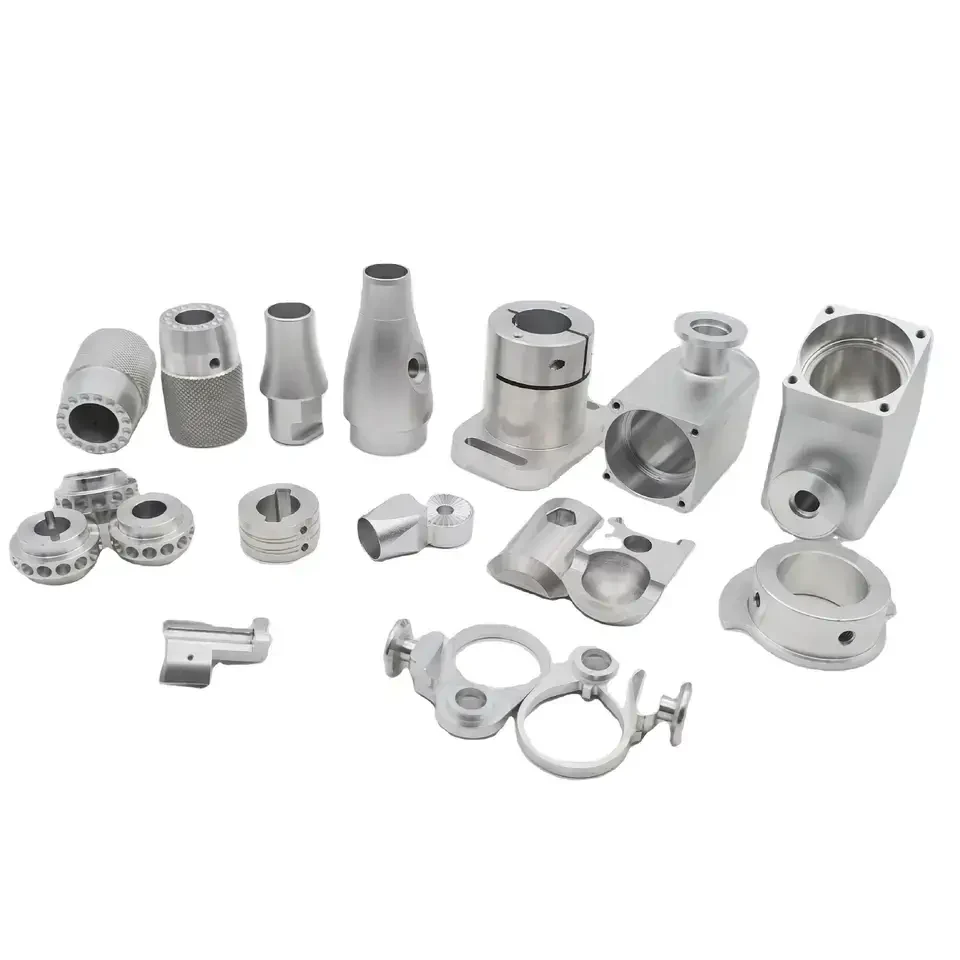
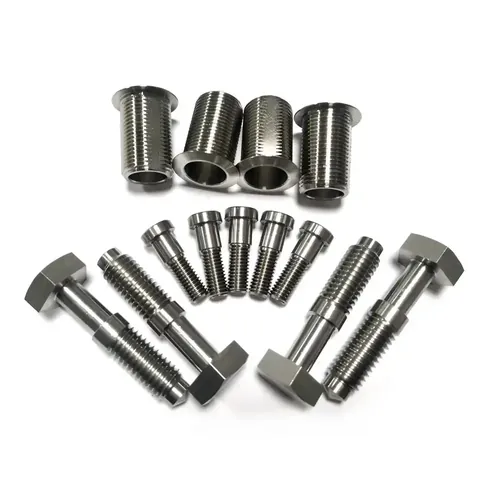
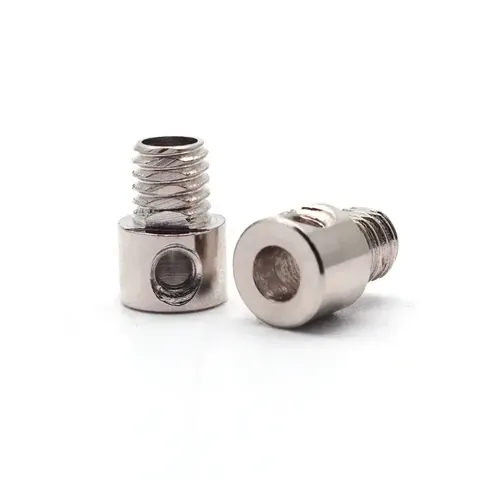
CNC milling uses computer controlled machine tools to remove material from a workpiece, and the precision and repeatability of the process make it the usual route for complex parts across industries. Components are milled in aluminum and brass, with turning available where a part has both rotational and prismatic features, and production is planned around consistent delivery rather than one off machining.
Computer controlled tool paths repeat the same geometry across a batch instead of relying on operator setup
Milling complex parts in one process avoids splitting a component across several manufacturing methods
Turning available alongside milling covers parts that carry both round and prismatic features
Aluminum and brass machining suits light structural and electrical components from the same source
Planned production supports delivery dates on parts that feed a downstream assembly
Manual machining of complex parts produces variation between pieces
Complex geometry cannot be produced reliably by forming or casting
Splitting a part across processes adds handling and dimensional risk
Late machined parts hold up the assembly that depends on them
| Process | CNC milling |
|---|---|
| Additional Process | Turning |
| Suited To | Complex parts with intricate features |
| Materials | Aluminum brass |
Figures shown are taken from the supplying factory documentation. Anything not listed here is confirmed in writing before order.
Computer controlled machining repeats the same geometry across every piece
Milling produces intricate features without tooling investment for a moderate quantity
Milling covers prismatic features that a lathe cannot produce
It is a versatile process using computer controlled machine tools to remove material from a workpiece, which suits complex parts across many industries.
Aluminum and brass are commonly machined, and the grade for your part is taken from the drawing.
Yes. Turning is available alongside milling for parts that carry both round and prismatic features.
The precision and repeatability of CNC milling keep geometry consistent across a production run.
Achievable tolerance depends on the feature, material and part size and is confirmed against your drawing with the quotation.
Delivery time depends on complexity and quantity and is confirmed in writing with the quotation.
Send the drawing, capacity or duty cycle you need and we will come back with the factory match, the build detail and the commercial terms.
Email Our Sourcing TeamView Category