Industrial equipment and custom parts sourced from vetted Chinese factories since 2007
[email protected]Mon-Fri 09:00-18:00 GMT+8
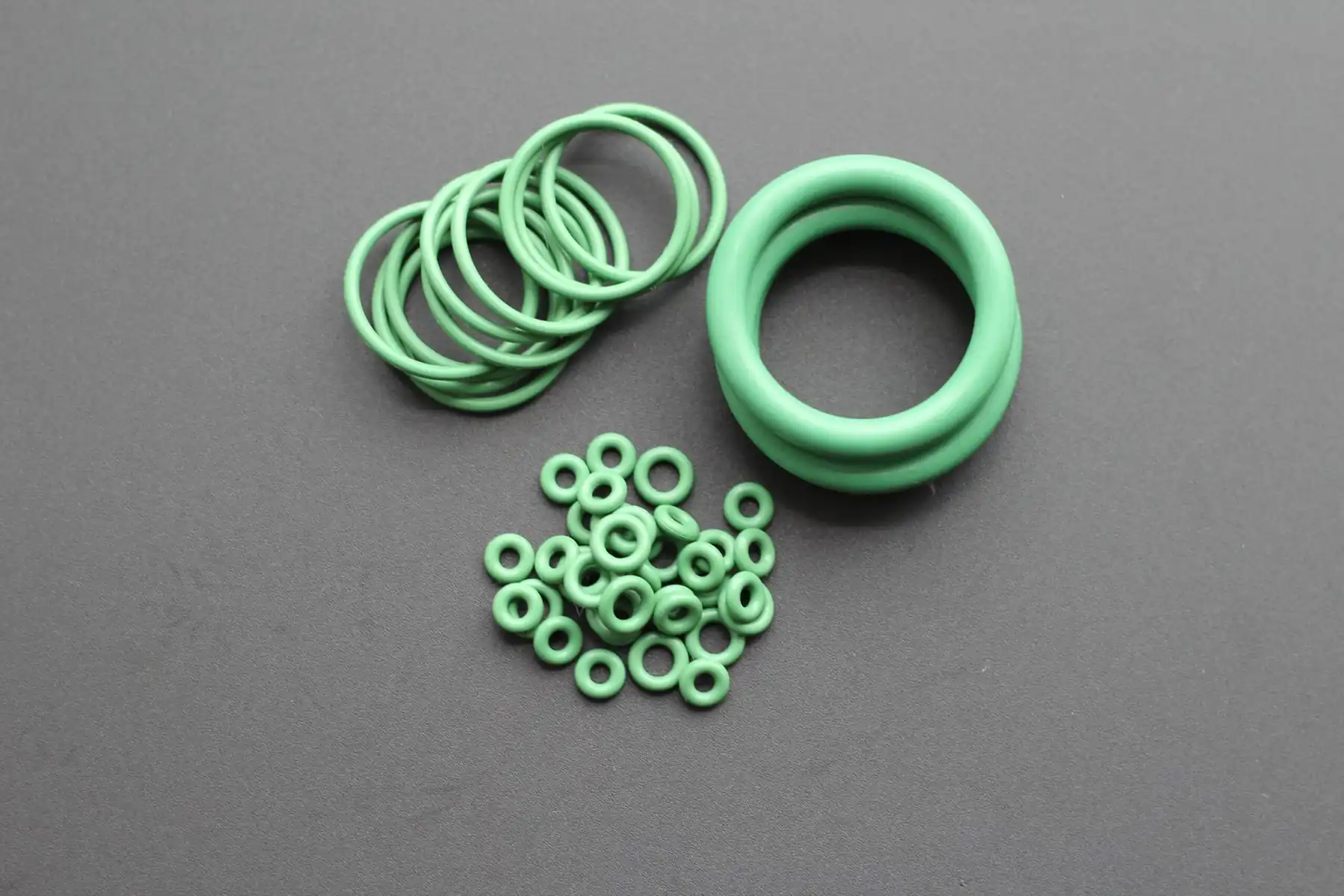
FFKM o-rings are selected when a seal has to face aggressive chemicals, solvents and corrosive agents and still hold under extreme or fluctuating temperature. The material keeps its integrity and sealing capability where thermal cycling or consistently elevated temperature would break down other elastomers, and its chemical resilience suits the petrochemical industry and semiconductor manufacturing. Beyond those, the rings are used in aerospace, in biotechnology where purity must be preserved and contamination prevented, and in automotive fuel systems and high-temperature engine components. The result is a long service life in positions where frequent seal replacement is costly or impractical.
Resistance to aggressive chemicals solvents and corrosive agents extends the interval between seal changes
Stable sealing under thermal fluctuation stops leaks appearing after each heat up and cool down cycle
Purity retention in biotechnology positions prevents the seal itself becoming a contamination source
Suitable for fuel systems and high-temperature engine components so one material covers the hottest automotive seals
Long service life reduces the number of shutdowns booked purely for seal replacement
Solvents and corrosive agents attack conventional seals and force unplanned line stops
Repeated thermal cycling breaks down elastomers and the joint leaks after a few cycles
A degrading seal introduces contamination into a biotechnology process batch
Fuel system seals that harden at engine temperature produce field failures
Frequent seal replacement in hard to reach positions costs more in downtime than in parts
| Material | FFKM |
|---|---|
| Chemical Resistance | Aggressive chemicals solvents and corrosive agents |
| Temperature Behaviour | Maintains sealing under extreme and fluctuating temperatures |
| Industries | Petrochemical semiconductor aerospace biotechnology automotive |
| Biotechnology Use | Ensures purity and prevents contamination in processes |
| Automotive Use | Fuel systems and high-temperature engine components |
Figures shown are taken from the supplying factory documentation. Anything not listed here is confirmed in writing before order.
FFKM holds sealing capability where the chemistry or the temperature is beyond fluoroelastomer capability
Nitrile is limited to hydrocarbon contact and will not survive solvents or elevated engine temperatures
EPDM suits water and steam duty rather than aggressive solvent and corrosive service
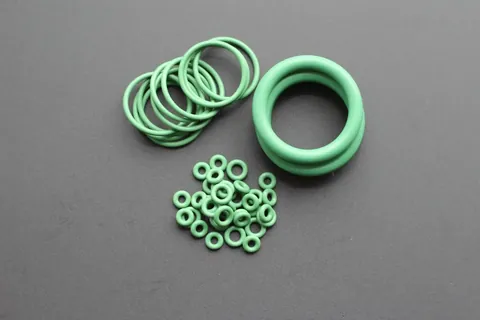
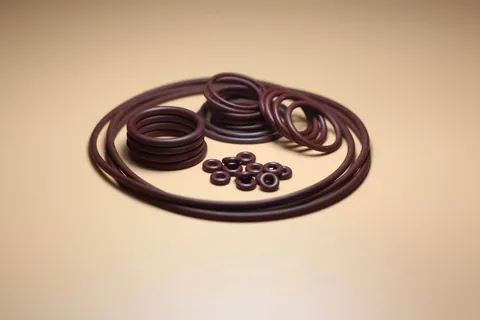
EPDM Seals and EPDM O-rings
EPDM, short for Ethylene Propylene Diene Monomer, is chosen for sealing positions exposed to weather, ozone, h...
View Details →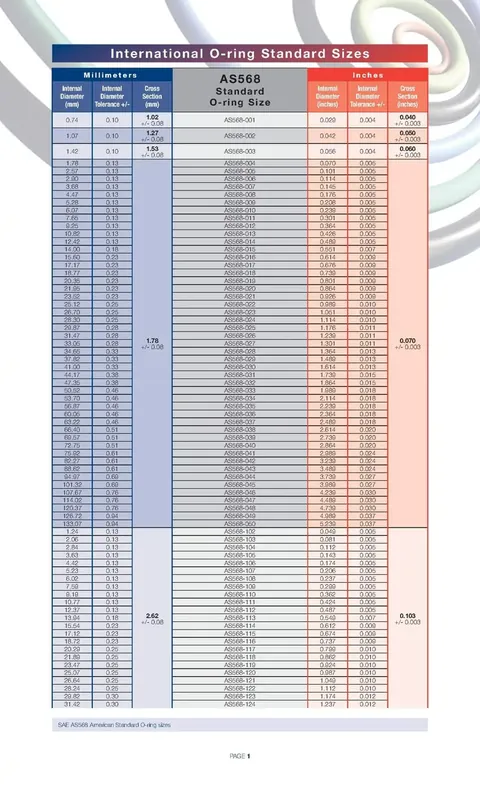
AS568 O-ring Series
The AS568 series is the standard o-ring size list that most mechanical drawings reference, and the full set of...
View Details →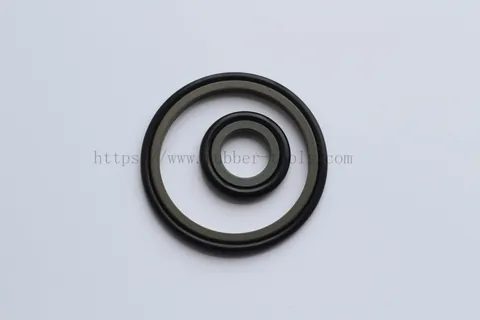
Y Seals and Y O-rings
Y seals, also called Y-rings, are lip seals whose two lips are energised by the sealed pressure itself. The ra...
View Details →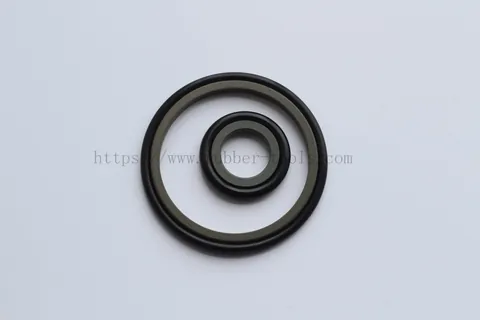
O-rings
O-rings are the simplest static and dynamic seal in most assemblies and the one most often responsible for a l...
View Details →They resist a wide array of aggressive chemicals, solvents and corrosive agents, which is why they are used in petrochemical and semiconductor work.
They maintain their integrity and sealing capability under extreme temperatures, including applications with high thermal fluctuation or consistently elevated temperature.
Yes. They are used where purity must be preserved and contamination prevented in the process.
In fuel systems and high-temperature engine components, where the seal faces both fuel contact and engine heat.
Yes. Inside diameter, cross section and hardness are made to your groove and operating conditions.
Both depend on the size, grade and whether tooling exists for that ring, and both are confirmed in writing with the quotation.
Send the drawing, capacity or duty cycle you need and we will come back with the factory match, the build detail and the commercial terms.
Email Our Sourcing TeamView Category