Industrial equipment and custom parts sourced from vetted Chinese factories since 2007
[email protected]Mon-Fri 09:00-18:00 GMT+8
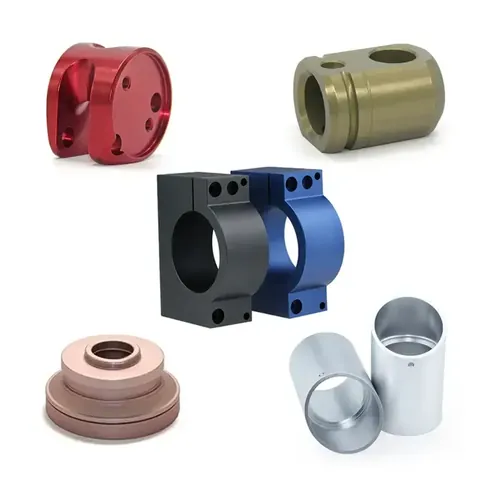
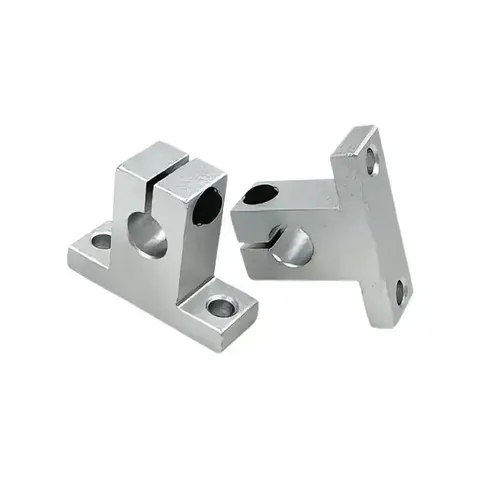
Drilled components produced to your specification when an off-the-shelf part will not fit the assembly. The route runs from an in-depth consultation on your requirements, through CAD design and a prototype you can check, into production with inspection on every custom component, then delivery and after-sales support. Through holes, blind holes and tapped holes are all part of the standard hole repertoire, and milling, turning and assembly can be carried out on the same component so one supplier owns the finished part.
A prototype is produced before the production run so a hole position error is caught on paper not in your assembly line
Through blind and tapped holes are covered on the same component so a part with mixed hole types stays with one supplier
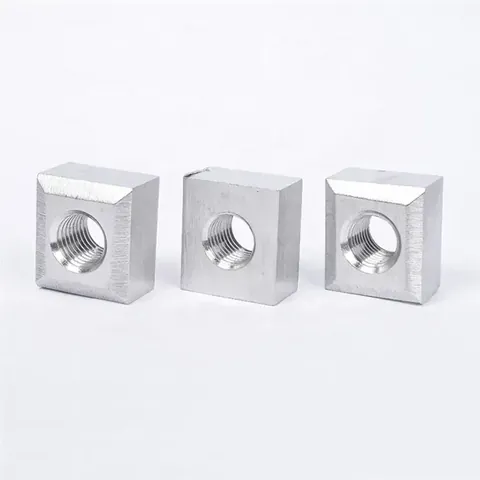
Tapped holes arrive ready for screws or bolts which removes a tapping operation from your own shop
Milling turning and assembly can be added to the drilled part so you receive a finished item rather than a drilled blank
Consultation before design means unclear requirements are resolved before tooling instead of during production
Off-the-shelf components rarely carry the hole pattern an assembly actually needs
Drilling errors found after production has started are expensive to correct across a whole batch
Untapped holes push a tapping operation and its scrap risk back onto the buyer
Buying drilling milling and assembly separately means each vendor blames the previous one for a misfit
| Product Type | CNC drilling parts |
|---|---|
| Hole Types | Through holes blind holes tapped holes |
| Machine Element | Spindle holds and rotates the drill bit |
| Additional Processes | Milling turning assembly |
| Design Route | Consultation CAD design prototype production |
Figures shown are taken from the supplying factory documentation. Anything not listed here is confirmed in writing before order.
Stock components force the assembly around their hole pattern while a custom part follows yours
A drilling only vendor returns a blank whereas milling turning and assembly here produce a finished component
Manual setup repeats hole position by eye while the programmed cycle repeats it across the batch
Wire EDM Parts
Custom wire electrical discharge machined parts produced to client specifications rather than from a standard ...
View Details →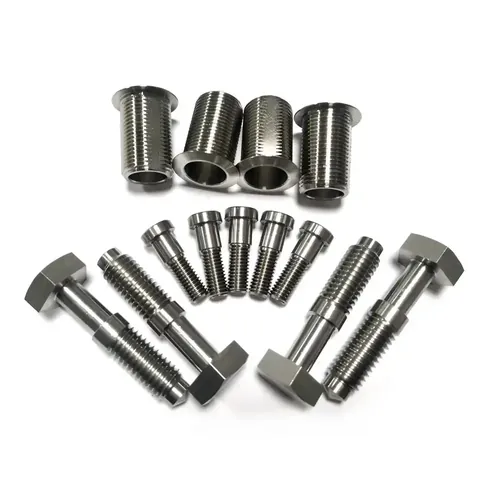
Vertical Mill Parts
Vertical mills depend on their constituent parts to keep running, and those parts are often intricate and wear...
View Details →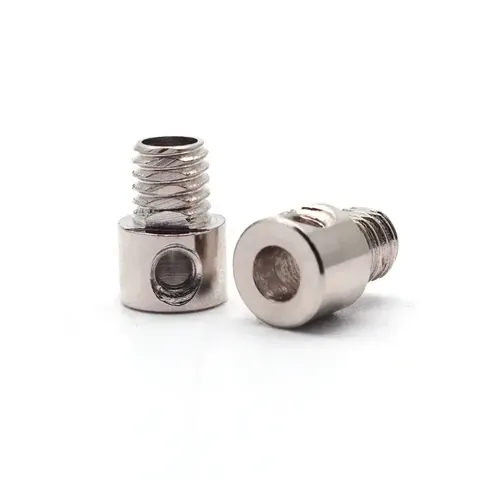
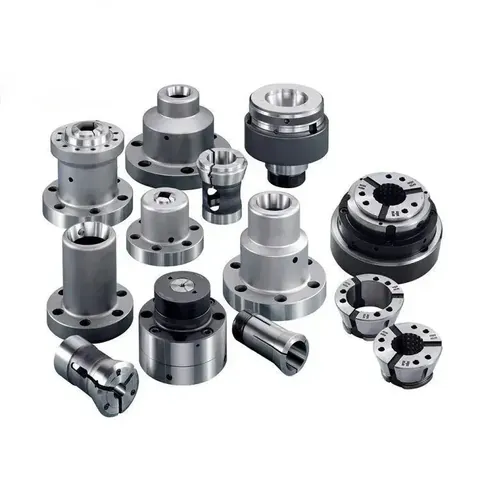
horizontal mill parts
Horizontal mill parts machined to customer drawings for machines that must keep running. The spindle holds and...
View Details →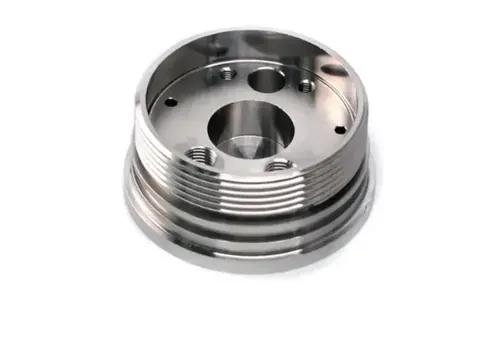
cnc turning parts
Turned components machined on CNC lathes for applications that depend on repeatable round features. Typical wo...
View Details →Yes. Custom projects start with a consultation on your requirements and outcomes, then move into CAD design before any production.
Prototypes are produced from the CAD design so the component can be checked against your expectation before the production run begins.
Through holes that pass right through the workpiece, blind holes that stop short of the far face, and tapped holes with internal threads ready for screws or bolts.
Achievable tolerance depends on the material and geometry of your component, so it is reviewed at the consultation stage and confirmed in writing with the quotation.
Lead time covers consultation, design, prototyping and production, so it is set per project and stated in the quotation rather than as a standing figure.
After-sales support continues past delivery, so issues found once the part is in your assembly can be raised directly rather than through a new enquiry.
Yes. Milling, turning and assembly can be carried out on the same component so you receive a finished part rather than a drilled blank.
Send the drawing, capacity or duty cycle you need and we will come back with the factory match, the build detail and the commercial terms.
Email Our Sourcing TeamView Category