Industrial equipment and custom parts sourced from vetted Chinese factories since 2007
[email protected]Mon-Fri 09:00-18:00 GMT+8
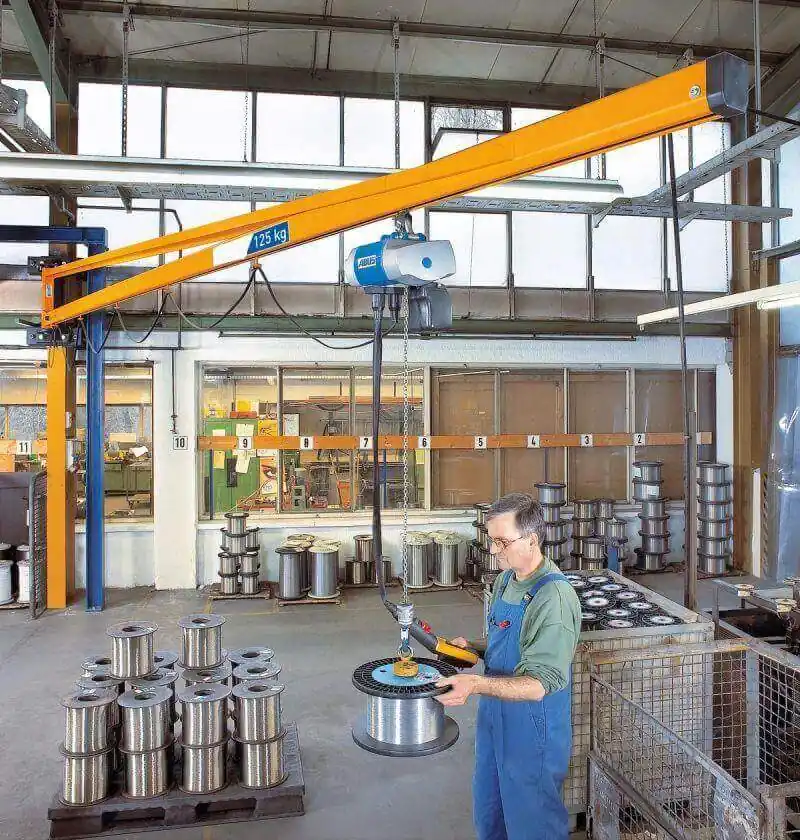
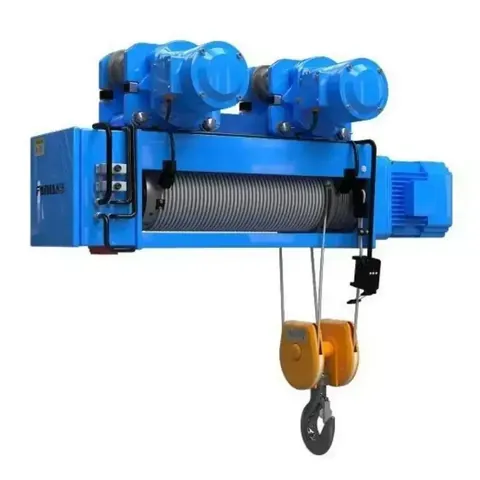
The lifting unit itself, mounted on a crane, a jib or a fixed point, that raises and lowers the load.
The hoist is the part of a crane that does the actual lifting, and it is often the part that needs replacing long before the structure does. Wire rope hoists suit heavier loads and longer lifts than chain units, and are the standard choice on overhead and gantry cranes. Buying a hoist on its own is common when an existing crane is being refurbished or when a new jib needs a lifting unit. What matters is matching the capacity, the lift height and the mounting to what is already there.
An ageing hoist failing while the crane structure is still sound
Replacement units that do not match the original mounting or trolley gauge
Lift height short of what a deeper pit or higher stack now requires
Duty class too light for how often the unit is actually cycled
Control pendant or radio arrangement that does not suit the operator position
Replacement units matched to existing mounting and trolley dimensions
Lift height specified from the real floor to hook distance
Duty class set against actual cycles rather than a nominal rating
Control arrangement chosen to suit where the operator stands
Supplied as a standalone unit or with a new crane or jib
Ceiling Crane for a Metro Vehicle Inspection and Repair Depot
Vehicle maintenance has to happen above and around a train that occupies most of the bay, ...
Read Case →
Crane for Casting Pipe Handling in a Foundry
Casting pipe has to be moved through a foundry environment that punishes equipment, and th...
Read Case →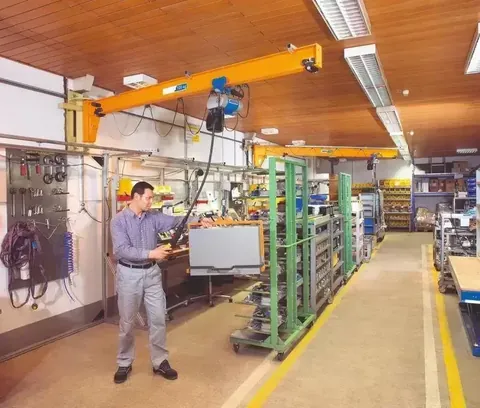
Overhead Crane for a Paper Mill Production Hall
The papermaking industry is a harsh one to place equipment in, and the mill had found that...
Read Case →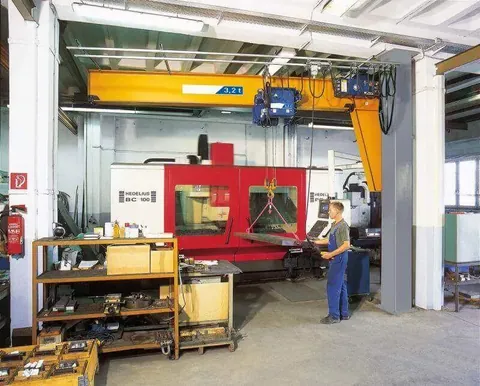
Overhead Cranes
Travelling cranes that run on rails along a building so loads can be lifted and moved anyw...
View Category →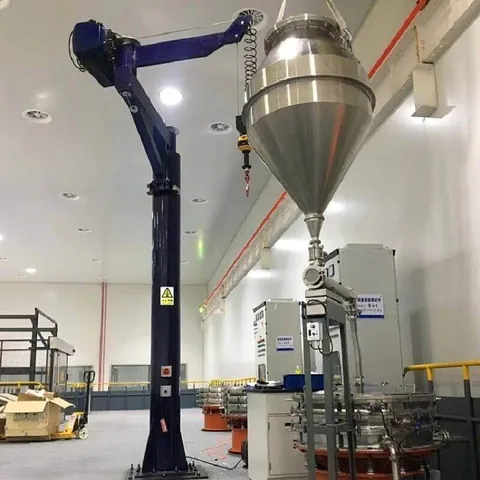
Jib Cranes
Slewing arm cranes that serve one workstation or a local radius rather than a whole buildi...
View Category →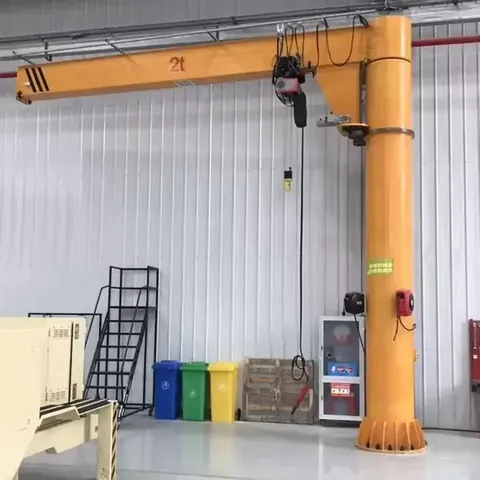
Gantry Cranes
Cranes carried on their own legs so lifting can happen in a yard or open area with no over...
View Category →Yes. Send the nameplate details, the mounting arrangement and the trolley gauge and we will match it.
It depends on capacity and options and is confirmed with the quotation.
Yes, and quoting them together ensures the controls and duty class are consistent.
It depends on the manufacturer and destination market and is confirmed on request.
No fixed minimum. Any condition is confirmed with the quotation.
Send the capacity duty or drawing you need for hoists and we will match it to the factory that builds it and quote it in writing.
Email Our Sourcing TeamBrowse All Products