HPE
K2R14A
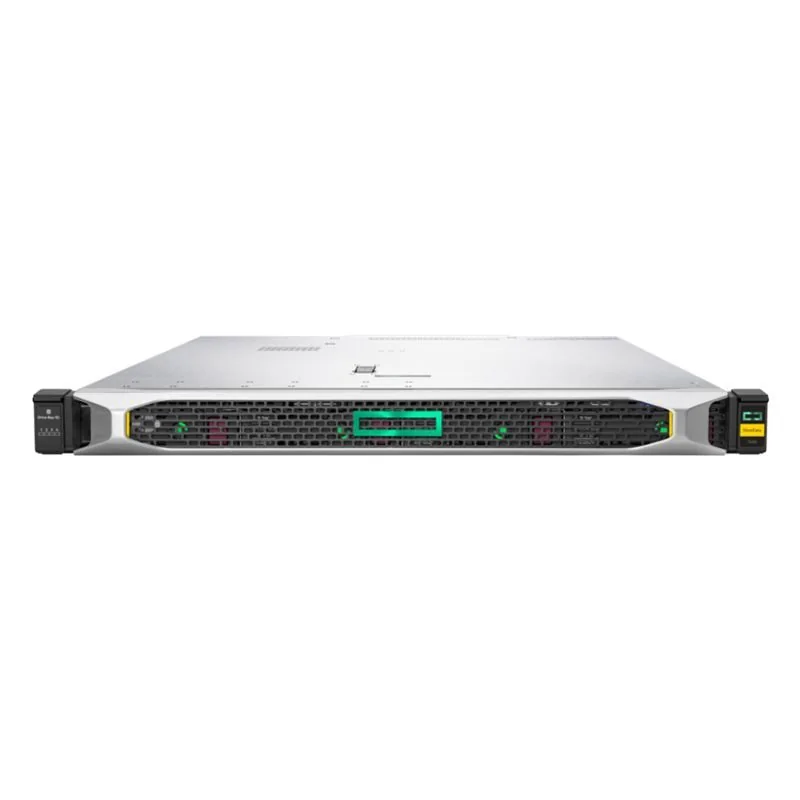
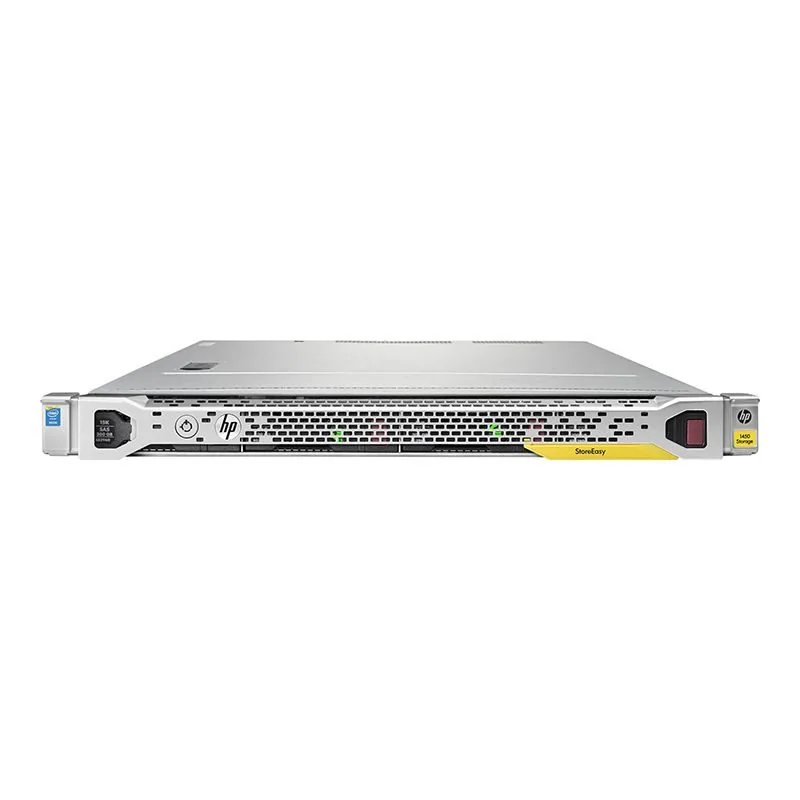
HPE NAS StoreEasy 1450 Storages K2R14A - HP StoreEasy 1450 16TB SATA Strg. The published specification for K2R14A lists 16 TB Raw Internal SATA Includ
A drive that fits physically can still be rejected. Interface, caddy generation and firmware all have to agree with the chassis.
Buying a server drive on capacity alone is the most common way a compute order stalls. Capacity is the least constrained of the attributes involved.
| Attribute | What Goes Wrong |
|---|---|
| Interface | SAS and SATA are not interchangeable in every bay or controller |
| Form factor | A 2.5 inch drive needs the matching caddy and bay |
| Caddy generation | Caddies differ between chassis generations and are often not supplied with the drive |
| Firmware | Controllers and arrays can reject or flag a drive at an unexpected firmware level |
Quote the drive against a named chassis generation rather than against a capacity. The part number that fits a Gen9 chassis is not automatically the part number for a Gen10.
A bare drive without a caddy cannot be installed, and caddies are specific to the chassis generation rather than universal. On a node build this is the line that most often turns a delivery into a partial delivery.
The practical rule is that a drive line on a bill of materials is incomplete until it states whether the caddy is included. The same applies to rails and cable management on the chassis itself.
Enterprise drives carry firmware that the controller and the array read. A drive supplied at a level the estate has not qualified can be rejected, or worse, accepted with behaviour that only shows up during a rebuild.
Where an estate runs a qualified firmware level, that level belongs on the purchase order alongside the part number. It is a specification, not a detail to be resolved on site.
Memory kits are specified by more than capacity. Rank, voltage, native speed and registration type all have to match what the installed processor and chassis will accept, and a mismatch usually means the node will not post rather than that it runs slowly.
Product pages for HPE memory kits on this site list these attributes where the manufacturer publishes them, which is what a compatibility check needs.
Drives bought across several months from several sources can be within specification and still rebuild at different rates or report differently under load. In an array this shows up as inconsistent rebuild times rather than as a failure.
For arrays and for repeatable node builds, allocating from one batch makes the estate predictable. It also makes a future fault easier to diagnose because the population is uniform.
The test of a server order is whether the node can be racked and powered on the day it arrives. That depends on a list that is mostly not the server.
HPE NAS StoreEasy 1450 Storages K2R14A - HP StoreEasy 1450 16TB SATA Strg. The published specification for K2R14A lists 16 TB Raw Internal SATA Includ
Q2R92A is the HPE StoreEasy 1460 8TB SATA Storage. HPE StoreEasy 1460 Storage products are storage solutions that deliver multi-protocol file serving
Q2R93A is the HPE StoreEasy 1460 16TB SATA Storage. HPE StoreEasy 1460 Storage products are storage solutions that deliver multi-protocol file serving
Q2R94A is the HPE StoreEasy 1460 32TB SATA Storage. HPE StoreEasy 1460 Storage products are storage solutions that deliver multi-protocol file serving
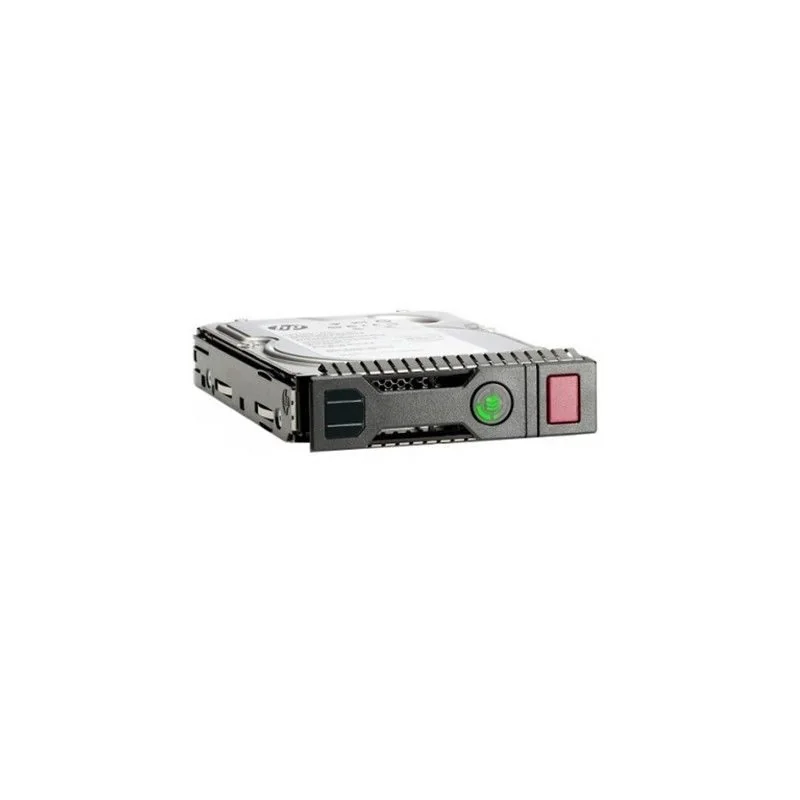
300GB SAS hard disk drive - 6Gb/sec transfer rate, 10,000 RPM, 2.5-inch small form factor (SFF). The published specification for 507284-001 lists 300G
600GB hot-plug dual-port SAS hard disk drive - 6Gb/s transfer rate, 10,000 RPM, 2.5-inch small form factor (SFF) - For use with Gen7 or earlier models
Refresh programmes fail on supply far more often than on design. This is the sequence that keeps a phased rollout on its dates.
Checks that cost minutes on arrival and save a great deal later. Most of them can be done before the carton is opened.
A server order is judged on whether the node goes in on the booked date, which depends almost entirely on the parts that are not the server.
A cabinet is commissioned as a unit, so it should be supplied as one. Switches, optics, rails and power leads belong in the same consignment.
Nodes were arriving without rails or caddies, so racking waited on a second consignment and the revenue date moved
It may be accepted, flagged, or rejected depending on the controller and firmware. Where the node has to be supportable, match the drive to the chassis generation.
Not always, and they are specific to the chassis generation. Confirm it explicitly on the order rather than assuming either way.
Most often rank, voltage or registration type rather than capacity. Check those three against what the installed processor and chassis accept.
In an array it can. Drives within specification can still rebuild at different rates, which makes behaviour under fault less predictable.
Send the design constraint rather than a part number. An engineer will come back with options and the trade offs.