Cisco
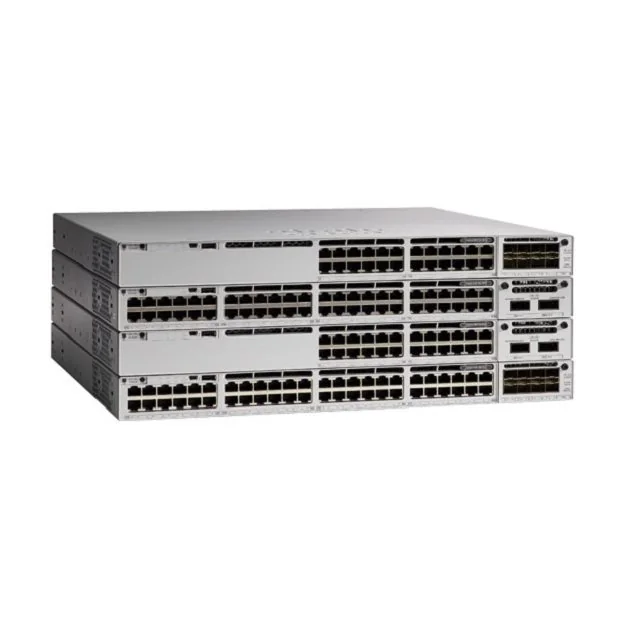
C9300-24S-E
The Cisco Catalyst 9300 Series switches are Cisco's lead stackable enterprise switching platform built for security, IoT, mobility, and cloud. They ar
The choice is rarely about quality. It is about entitlement, traceability and what happens eighteen months after the invoice is paid.
There is no industry body that defines what a hardware listing means when it says new, refurbished, remanufactured or open box. Two suppliers can use the same word for very different goods, which is why a price comparison between two lines that both read new is often not a comparison at all.
The only reliable approach is to ignore the label and ask four questions about the specific units being offered. Every one of them has an answer that can be put in writing before money moves.
A supplier that answers all four in writing is describing the goods accurately whatever word appears on the quotation. A supplier that declines any of them has told you something useful.
For most enterprise buyers the deciding factor is not the physical condition of the hardware. It is whether the unit can be brought under a vendor support contract once it is installed.
Support registration depends on the serial being recognised by the manufacturer as having entered the channel legitimately. Hardware that arrived through an undocumented route can be physically perfect and still fail this check, which means no software downloads, no advance replacement and no escalation path on the day it matters.
Ask whether support can be registered under the end user name rather than under a reseller name. A contract written under the supplier's name does not help the organisation that owns the outage.
This is also why serial lists before shipment matter more than they first appear. A serial supplied in advance can be checked on the manufacturer portal while the goods are still with the supplier, which is the only point at which a problem is cheap to fix.
There are real cases where used or refurbished hardware is the correct answer rather than a compromise. They share a common feature: the platform is no longer the current generation and the requirement is continuity rather than capability.
In each case the buyer is choosing a known older platform deliberately. That is a different decision from accepting unclear goods because the price looked attractive.
The cost difference between a sealed unit and an unclear one is usually smaller than the cost of one unplanned site visit. When comparing two quotations, the lines below belong in the comparison even though none of them appear on the invoice.
| Cost Element | Sealed With Traceability | Unclear Provenance |
|---|---|---|
| Support registration | Registered under end user name | May be refused at registration |
| Software access | Available through the entitlement | Often unavailable |
| Failure in year two | Advance replacement under contract | Purchase cycle at market lead time |
| Asset register entry | Serial list supplied before shipment | Stock take after installation |
| Audit position | Documented chain from invoice to serial | Documented to the invoice only |
None of this argues that refurbished hardware is a bad purchase. It argues that the two options should be compared on the same set of lines.
Most disputes are avoidable at the ordering stage. Four clauses cover nearly all of it, and any supplier who intends to deliver properly will accept them without discussion.
The Cisco Catalyst 9300 Series switches are Cisco's lead stackable enterprise switching platform built for security, IoT, mobility, and cloud. They ar
The Cisco Catalyst 9300 Series Switches are Cisco's lead stackable enterprise switching platform built for security, IoT, mobility, and cloud. C9300-2
The Cisco Catalyst 9300 Series Switches are Cisco's lead stackable enterprise switching platform built for security, IoT, mobility, and cloud. C9300-2
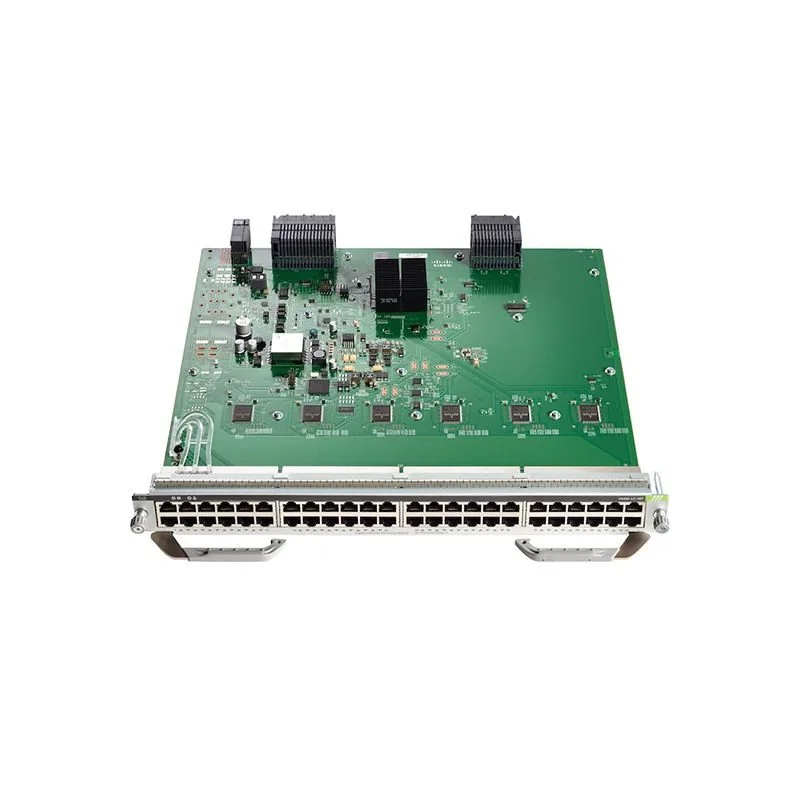
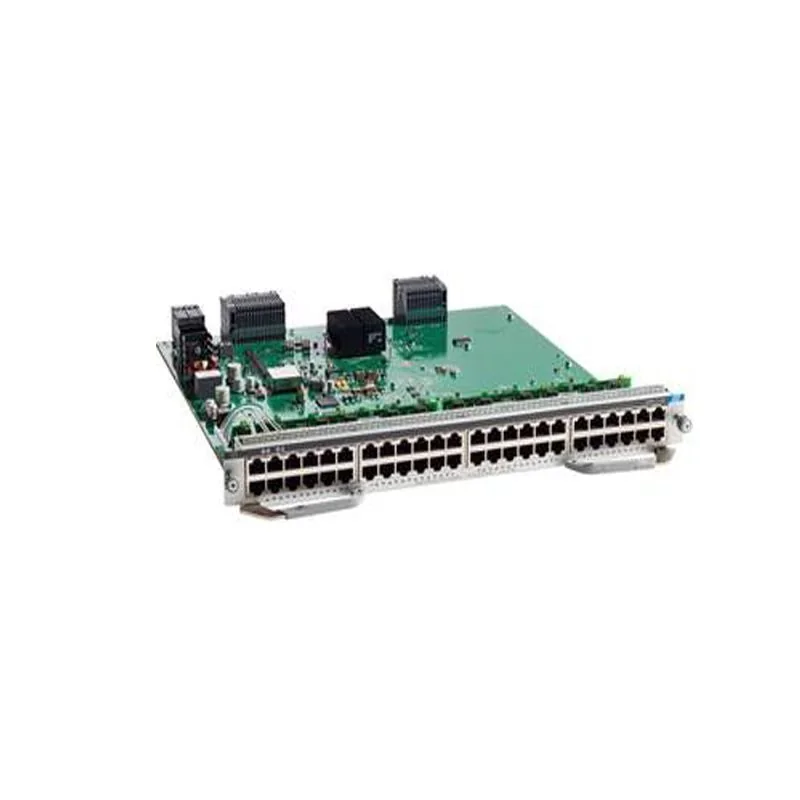
Cisco Catalyst 9400 Series 48-Port POE 10/100/1000 (RJ-45). The published specification for C9400-LC-48P lists 48 number of ports. It is supplied new
Cisco Catalyst 9400 Series 48-Port POE 10/100/1000 (RJ-45). The published specification for C9400-LC-48P= lists 48 number of ports. The trailing equal
Cisco Catalyst 9400 Series 48-Port UPOE 10/100/1000 (RJ-45) C9400-LC-48U Features: l 48 ports nonblocking l 10/100/1000 module (RJ-45) l Supported on
Checks that cost minutes on arrival and save a great deal later. Most of them can be done before the carton is opened.
A support contract is bought once and used on the worst day of the year. The level and the name it is registered under both matter.
An integrator carries the risk between quoting a client and receiving the hardware. Firm pricing and a written lead time per line is what makes that risk manageable.
A support contract registered under a reseller name is of limited use to the organisation that owns the outage. Entitlement is written under the end user name.
The tender required a firm price and date at submission, months before any award, across a bill of materials of several hundred lines
Not necessarily, but the physical goods are the same. The distinction that matters is whether the serial can be registered for support under the end user name. Ask for that confirmation in writing rather than inferring it from the word sealed.
Sometimes, and it depends on the platform and the serial history. It should be checked against the specific serials before the order rather than assumed.
Usually because the goods are not yet allocated. That is a supply position worth knowing about before you commit a change window to it.
No. A replacement warranty covers the hardware. A vendor support contract covers software access, escalation and response time. Most estates need both.
Send the design constraint rather than a part number. An engineer will come back with options and the trade offs.