
Tungsten Carbide Drill Bit Inserts
GW Material is making consistent offers to meet the dynamic demands of customers in the oil and gas industries, developing new carbide grades and geometries to satisfy diverse applications.
Product Overview
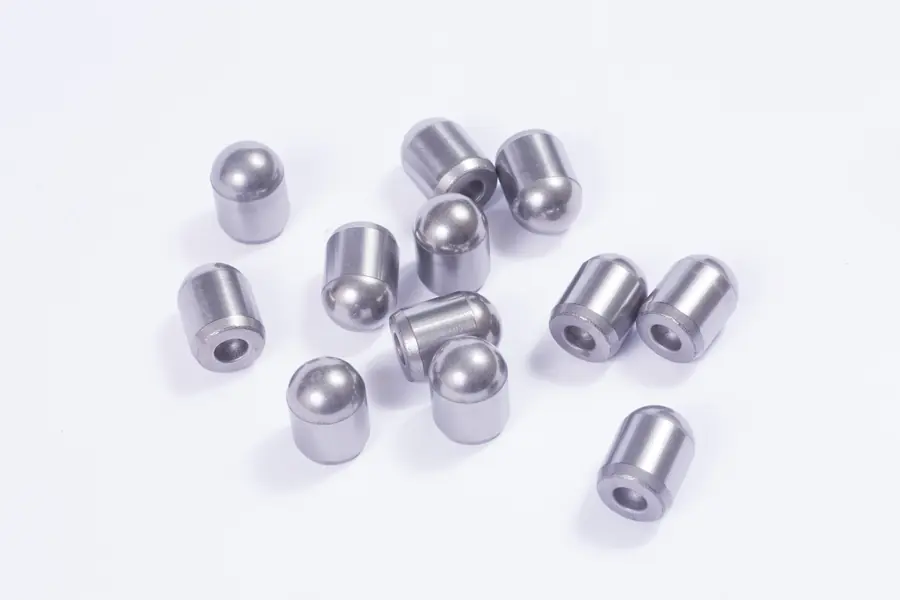
Drill bit inserts have to balance two things that pull against each other: strength and breakage resistance. A geometry that survives a hard formation may be too blunt for a soft one, and an aggressive protrusion that drills fast in one formation will chip in another. Our insert range is built around that trade-off, with geometries designed to optimise performance while considering both strength and breakage.
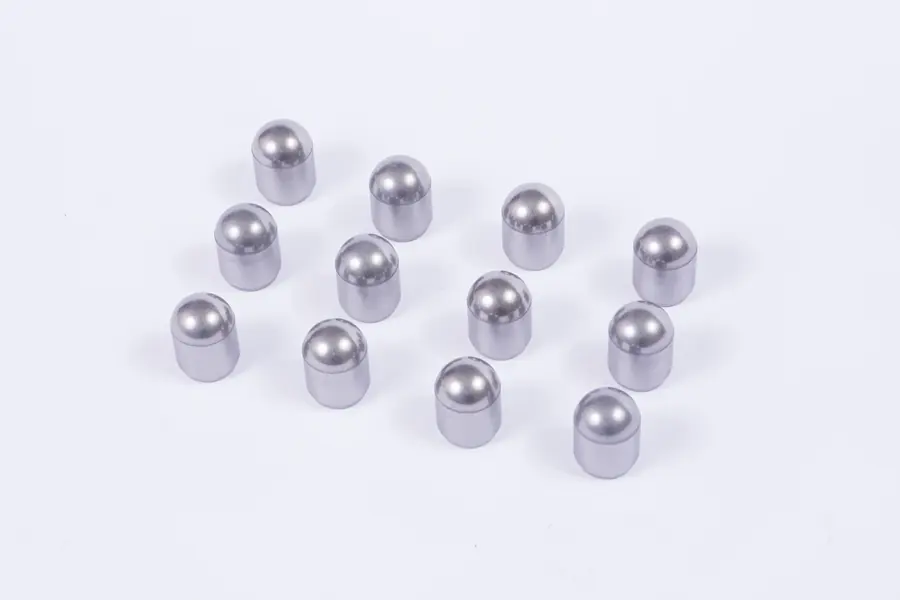
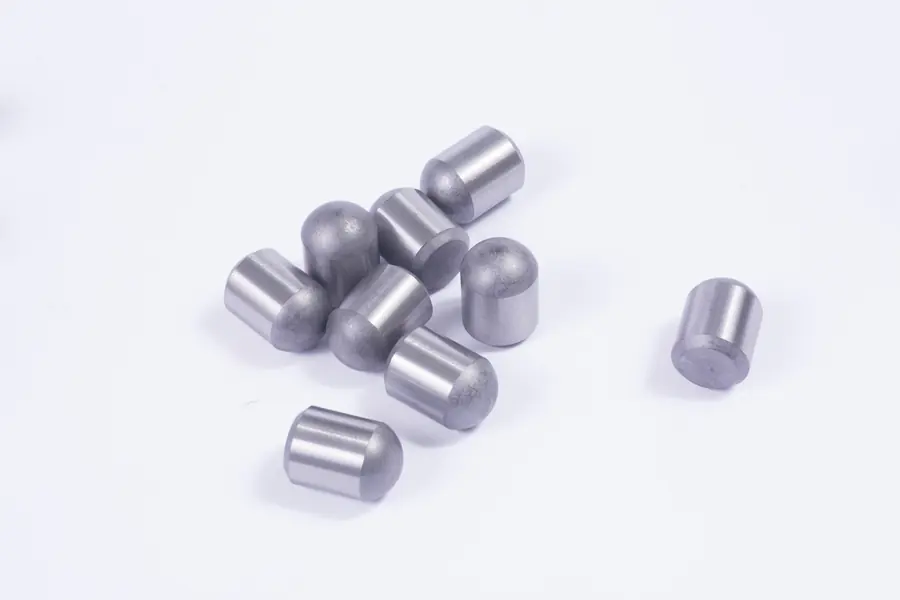
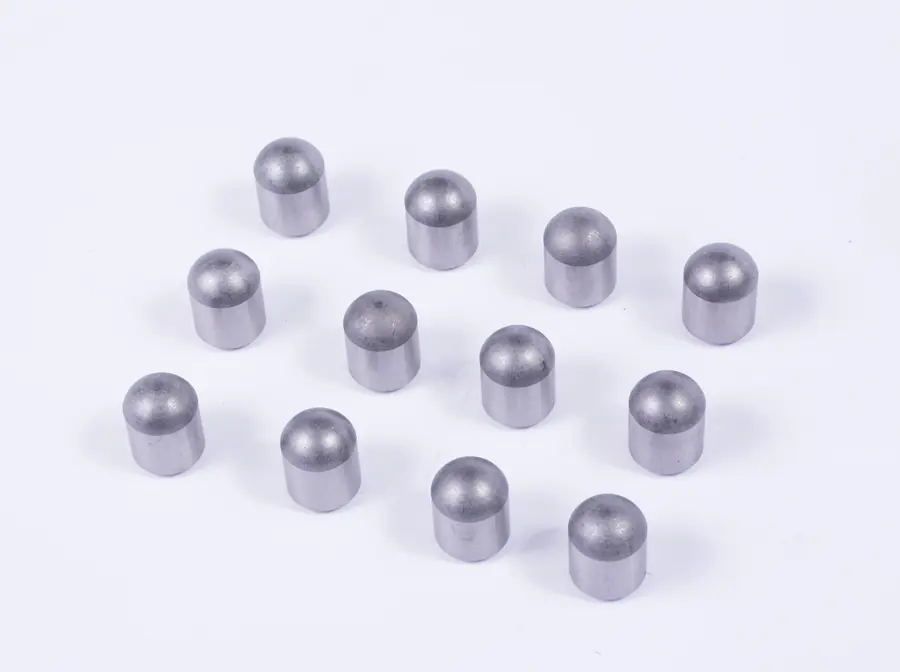
The range covers chisel and sculptured inserts, semi-ballistic and domed inserts, flat and serrated inserts, conical and parabolic inserts, and substrate materials for PDC cutters produced and supplied according to specific customer design.
Key Benefits
Geometry Matched To The Formation
A great variety of protrusion designs can be applied to different formations rather than forcing one shape to cover everything.
Designed Around Strength And Breakage
Standard and specially designed chisel and sculptured inserts are aimed at optimum performance considering both properties together.
Substrates To Your Design
PDC cutter substrates are produced and supplied according to specific customer design, to meet tough impact conditions.
Application Scenarios
Insert families and where each one belongs.
Chisel And Sculptured
Standard or specially designed, aimed at optimising performance across strength and breakage.
Semi-Ballistic And Domed
A great variety of protrusion designs that can be applied to different formations.
Flat And Serrated
Used to reduce wear on the steel surface, with multiple choices available.
Conical And Parabolic
For percussive hammer bits, or roller cone bits in tough drilling conditions.
PDC Substrates
Produced and supplied according to specific customer design to meet tough impact conditions.
Mining Tools
Carbide mining tools and buttons designed for rock, sands, shales and chalks.
Who It Is For
- Roller cone and hammer bit manufacturers.
- PDC cutter producers sourcing substrate material.
- Mining tool manufacturers making rock drilling buttons.
- Drilling contractors specifying insert geometry for a formation programme.
Problems It Solves
- Inserts that break out of the bit body before the bit is worn.
- One insert geometry being forced across formations it was never designed for.
- Steel bit bodies wearing away around the inserts and losing them.
- PDC substrates that do not survive the impact conditions in the intended run.
Technical Features
- Chisel and sculptured inserts, standard or specially designed.
- Semi-ballistic and domed inserts with a great variety of protrusion designs.
- Flat and serrated inserts to reduce wear on the steel surface.
- Conical and parabolic inserts for percussive hammer bits and roller cone bits.
- PDC cutter substrate materials to customer design.
- New carbide grades and geometries developed to satisfy diverse applications.
- Cobalt and nickel binder grades across the full grain size range.
- Supplied as sintered or precision ground to suit the fitting process.
Specifications
| Family | Design intent | Typical bit |
|---|---|---|
| Chisel and sculptured | Standard or special design, optimising performance across strength and breakage | Roller cone bits |
| Semi-ballistic and domed | Wide range of protrusion designs for different formations | Roller cone and hammer bits |
| Flat and serrated | Reduce wear on the steel surface, multiple choices available | Bit body protection |
| Conical and parabolic | Tough drilling conditions | Percussive hammer bits, roller cone bits |
| PDC substrate | Produced to specific customer design for tough impact conditions | PDC cutters |
Insert dimensions are set by the bit body, so they are quoted from your drawing or from a sample rather than from a fixed catalogue table.
Materials
Every part is quoted against a grade from the GWM chart. Cobalt and nickel binder grades are both available.
Insert grades are chosen by formation. Harder, lower binder grades resist abrasion in sand and chalk. Higher binder grades survive impact in interbedded and broken ground. We offer a full range of sintered carbide grades and grain sizes in both cobalt and nickel binders, so the grade can be moved without changing the geometry.
Recommended starting grades for this product: YG6YG8YG10XYG15YG20YN6YN10
Manufacturing Process
- Step 01
Powder Blending
WC and binder powders are wet milled in ball mills to the grain size the grade calls for.
- Step 02
Forming
Extrusion, two-way pressing or oil pressing, depending on the section and the length of the part.
- Step 03
Sintering
Vacuum sintering and pressure sintering furnaces. Every order is sinter-HIPped.
- Step 04
Finishing
Blank CNC machining, centreless grinding and cryogenic treatment to the drawing.
Quality Control
- Incoming powder checked before milling so grain size and binder content match the grade.
- Density and hardness measured on sintered parts against the published grade values.
- Metallographic microscope used to check porosity and structure after sintering.
- Dimensions and tolerances verified against the drawing before packing.
Certifications
Chengdu Golden Wolfran Carbide is an ISO certificated enterprise. Copies of the current certificates are sent with the quotation on request, so ask us for the version that applies to your order.
Customization Options
We manufacture small and large scale carbide products to your drawing, supplied either as sintered or precision ground.
Insert Design To Drawing
Standard or specially designed geometry, quoted from your drawing or sample.
Protrusion Programme
A set of protrusion designs across one bit so each row suits the formation it meets.
Grade Substitution
The same geometry pressed in a different grade when a formation programme changes.
Comparison With Other Products
| If the formation is | Look at | Because |
|---|---|---|
| Hard and abrasive | Flat, serrated, conical | Lower protrusion spreads load and limits breakage |
| Soft and drillable | Chisel, sculptured | More aggressive shapes cut faster where breakage risk is lower |
| Mixed or interbedded | Semi-ballistic, domed | The protrusion range can be tuned row by row across the bit |
| Percussive hammer work | Conical, parabolic | Designed for tough drilling conditions and repeated impact |
Use Guide
Start From The Bit Body
Insert size, seat depth and interference fit are all set by the bit body, so the drawing for the body comes before the insert. Send that drawing, or a sample insert plus the body it comes out of.
Match Geometry To The Row
A bit does not need one insert type. Gauge rows, heel rows and inner rows meet different loads, which is why the range includes flat and serrated shapes for wear protection on the steel surface alongside the cutting geometries.
Fitting
Press fit inserts want a clean, correctly sized hole and even press support. Inserts supplied as sintered carry stock; if your fitting process needs the finished dimension, order them precision ground instead.
Changing Grade Without Changing Tooling
If a run is losing inserts to breakage rather than wear, the geometry may be right and the grade wrong. Moving to a higher binder grade keeps your press tooling and your bit design unchanged.
Frequently Asked Questions
What insert geometries do you make?
Chisel and sculptured inserts, standard or specially designed; semi-ballistic and domed inserts with a great variety of protrusion designs; flat and serrated inserts; and conical and parabolic inserts for percussive hammer bits and roller cone bits.
Do you supply PDC cutter substrates?
Yes. Substrate materials for PDC cutters are produced and supplied according to specific customer design, to meet tough impact conditions.
What are flat and serrated inserts for?
They are used to reduce wear on the steel surface of the bit, and multiple choices are available.
Can you develop a new geometry with us?
Yes. We develop new carbide grades and geometries to satisfy diverse applications, so send the requirement and the formation data you are working from.
Do you supply inserts as sintered or ground?
Either. Carbide products can be supplied in the as sintered or the precision ground form to suit your fitting process.
Which binder do you use?
We offer a full range of sintered carbide grades and grain sizes in both cobalt and nickel binders. The nickel bonded YN6 and YN10 grades are the ones to look at where a non-magnetic part is needed.
Related Products
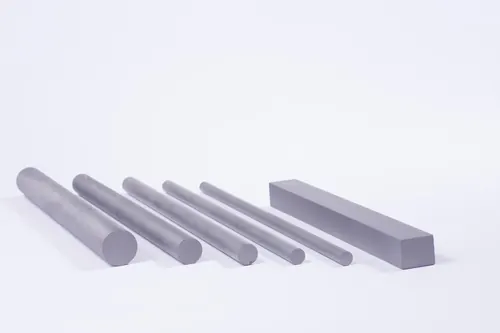
Tungsten Carbide Rods
Rotary tool blanks, solid and coolant channel
View product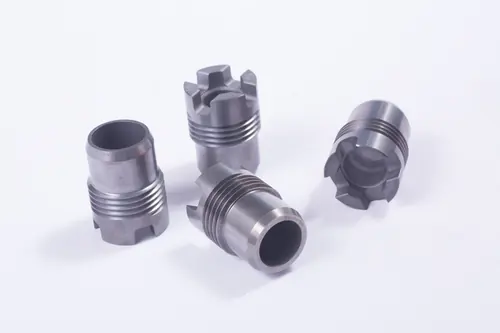
Tungsten Carbide Nozzles
Downhole, blast and threaded nozzles
View product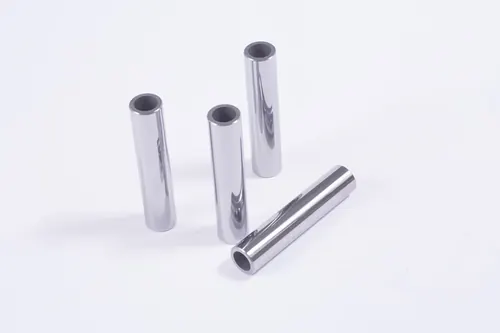
Tungsten Carbide Choke Beans
Flow control liners, seats, points, cages
View product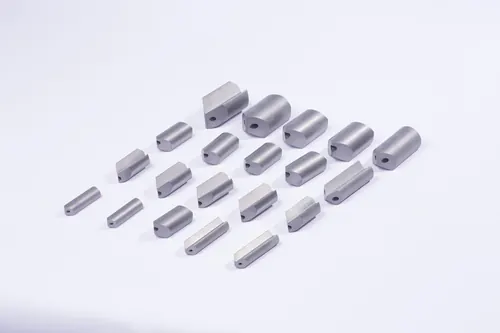
Tungsten Carbide Gun Drills
Deep hole drill blanks 10.5 to 35 mm
View productRelated Applications
Related Downloads
Send The Bit Drawing And We Will Quote The Insert
Geometry, grade and quantity. If you are unsure which grade suits the formation, tell us what you are drilling and what is failing now.