
OAG Off Axis Guider Astronomy Accessory Astrophotography
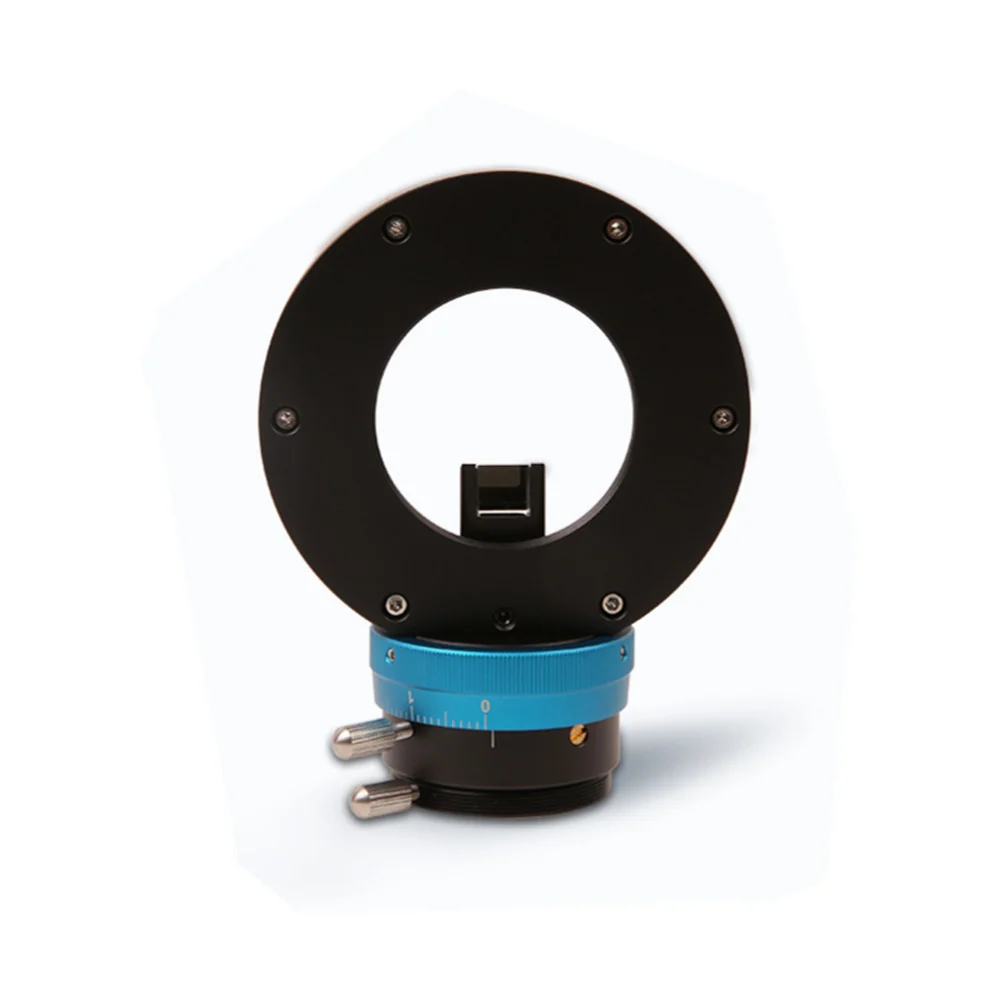
The OAG Off Axis Guider is a component-level accessory for astrophotography setups, designed to guide a telescope during long-exposure imaging without interrupting the main imaging path.
Product Overview
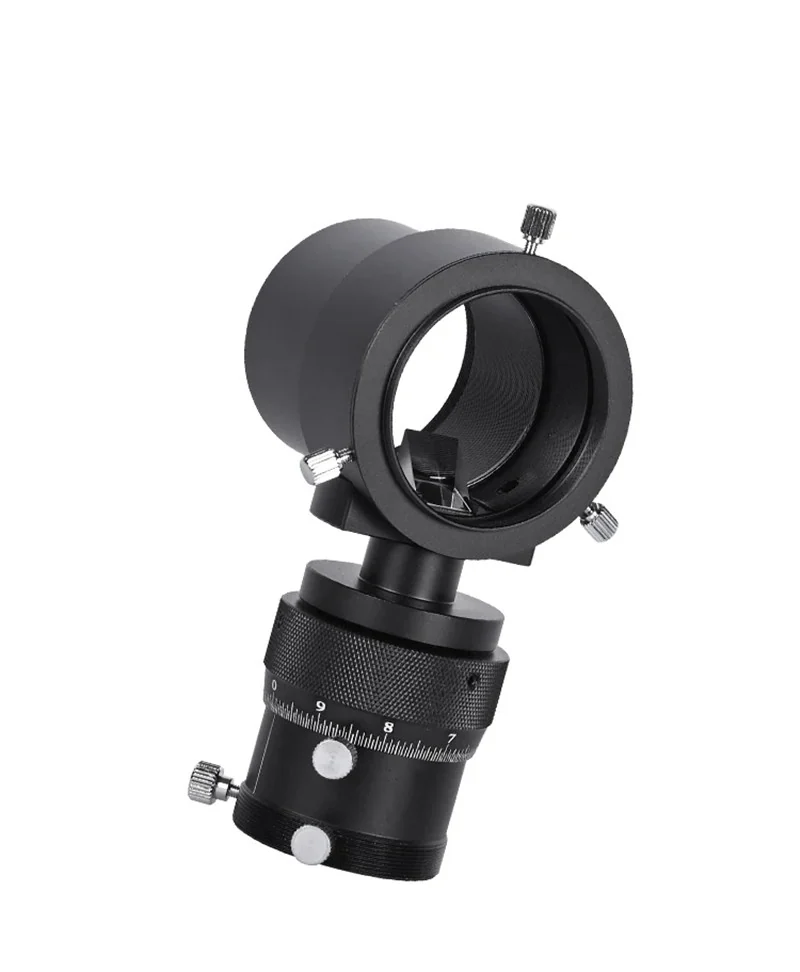
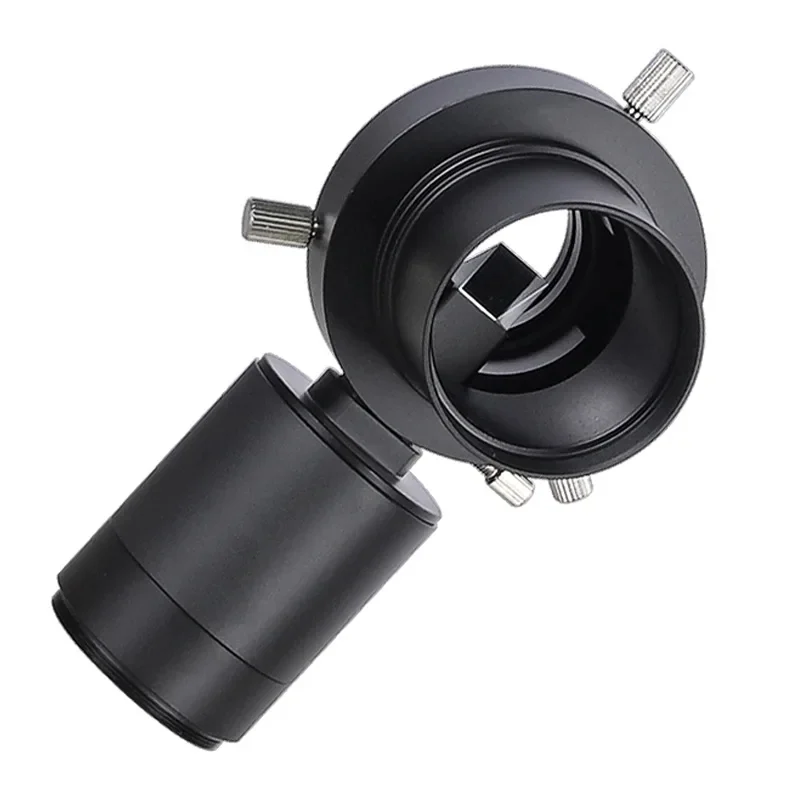
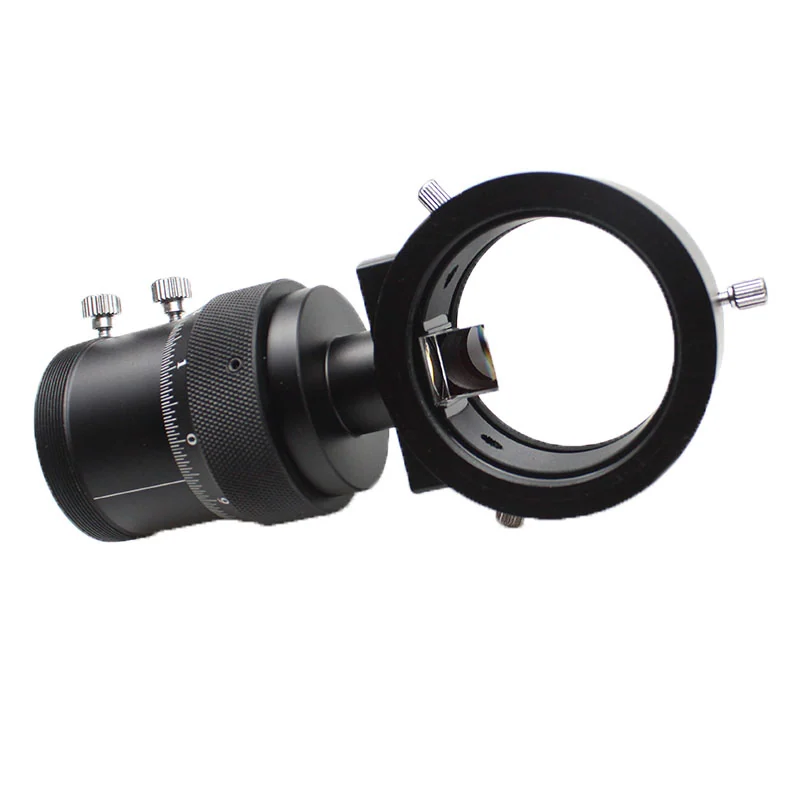
The OAG Off Axis Guider is a component-level accessory for astrophotography setups, designed to guide a telescope during long-exposure imaging without interrupting the main imaging path. It mounts between the telescope and the camera, capturing a small portion of the light from the guide star to a separate guide camera, so the main imaging sensor records the full field without obstruction.
- Optical designPassive beam splitter
- ApplicationOff-axis guiding for astrophotography
- CompatibilityRefractors, Newtonians, compound telescopes
- Mounting typeBetween telescope and imaging camera
Key Benefits
- Enables continuous imaging without switching to a separate guide scope
- Uses the same optical path as the main imaging sensor, reducing alignment errors
- Minimizes field rotation and tracking errors during long exposures
- Reduces setup complexity by eliminating the need for a separate guide scope and its alignment
- Maintains full field of view on the main imaging sensor, no vignetting from guide scope
Application Scenarios
- Long-exposure deep-sky astrophotography with a DSLR or dedicated astronomy camera
- Guiding a telescope during planetary or lunar imaging with minimal field distortion
- Mounting a guide camera on a refractor or Newtonian telescope without adding external hardware
- Reducing mechanical stress on the telescope by avoiding a second scope and mounting
- Setting up a portable astrophotography rig where space and weight are limited
Who It Is For
- Amateur astrophotographers using refractors, Newtonians, or compound telescopes
- Professional and semi-professional imaging setups requiring precise guiding
- Users of CCD or CMOS astronomy cameras who need accurate tracking
- Imaging teams working on time-lapse or stackable exposures
- Educational or outreach astronomy programs demonstrating real-time guiding
Problems It Solves
- A separate guide scope requires alignment and adds mechanical load to the telescope
- Guide scopes can cause field rotation or misalignment when the main camera is rotated
- Switching between imaging and guiding modes interrupts the workflow
- Guide scopes take up space and increase the risk of vibration or misalignment
- Main imaging sensors lose field coverage when using a guide scope with a narrow field
Technical Features
- Mounts between telescope and imaging camera using standard 1.25" or 2" barrel threads
- Uses a beam splitter to divert a small portion of the light to a guide camera
- Compatible with 1.25" and 2" guide cameras via standard adapters
- Designed for use with refractors, Newtonians, and compound telescopes
- No moving parts; passive optical design ensures reliability during long exposures
Specifications
| Optical design | Passive beam splitter |
|---|---|
| Application | Off-axis guiding for astrophotography |
| Compatibility | Refractors, Newtonians, compound telescopes |
| Mounting type | Between telescope and imaging camera |
Specifications are taken from the AMADA product data for this item. Confirm critical dimensions with us in writing before ordering.
Customization Options
- Available in 1.25" or 2" barrel size variants
- Can be supplied with or without a guide camera adapter ring
- Custom mounting flanges available upon request for non-standard telescope interfaces
Comparison With Other Options
| Guide scope system | The OAG eliminates the need for a second scope, reducing weight, alignment steps, and field rotation errors |
|---|---|
| On-axis guider | The OAG allows the main imaging sensor to remain unobstructed, avoiding vignetting and field distortion |
| Focuser-based guider | The OAG uses a dedicated optical path for guiding, avoiding interference with the main focus mechanism |
Use Guide
- Ensure the telescope and imaging camera are aligned before installing the OAG
- Attach the OAG to the telescope's focuser or imaging port using the correct barrel size
- Connect the guide camera to the OAG output port and align it with the guide star
- Use software to capture guide star data and adjust the mount's tracking parameters
- Verify that the main imaging sensor is not obstructed and that the guide star remains in the guide camera's field
Guides and Applications
Frequently Asked Questions
What telescope types is the OAG compatible with?
The OAG is compatible with refractors, Newtonians, and compound telescopes that use a standard 1.25" or 2" focuser interface.
Do I need a separate guide camera?
Yes. The OAG does not include a guide camera; it provides the interface to connect a standard 1.25" or 2" guide camera.
Can I use this with a DSLR or CCD camera?
Yes. The OAG mounts between the telescope and the imaging camera, so it works with any camera that uses a standard 1.25" or 2" barrel thread.
Does the OAG affect the main image quality?
No. The OAG diverts a small portion of light to the guide camera without blocking the main imaging path.
Is the OAG adjustable for focus?
No. The OAG is a fixed optical path; focus is set by the main imaging camera and guide camera separately.
Request A Price On The OAG Off Axis Guider Astronomy Accessory Astrophotography
Send quantity, destination and the application. We will confirm the configuration, the price and the lead time.