
Working Distance Explained and Why It Decides Your Objective
What working distance means, how auxiliary objectives change it, and how to pick one without losing the magnification you need.
What the Number Means
Working distance is measured from the front of the objective to the focused sample surface. It is not the height of the stand or the space under the head. Everything that has to sit between the optics and the part - a soldering iron, a probe, tweezers, a fixture - has to fit inside that distance.
How Auxiliary Objectives Change It
An auxiliary objective screws onto the front of the stereo body and multiplies the magnification. A 0.5X halves magnification and increases working distance. A 2X doubles magnification and reduces it. Across the range here, working distances between roughly 30mm and 165mm are reachable from the same body.
The Trade You Are Actually Making
Longer working distance means lower magnification and a wider field for the same body. That is usually a good trade for hand work and a bad one for fine inspection. Benches that do both keep two auxiliary objectives and swap them.
Check the Light Path Too
A ring light mounted on the objective moves with it. Changing to a longer working distance objective changes how the light lands on the part, sometimes for the better, sometimes not. Check the illumination after any objective change.
Where To Look In The Catalogue
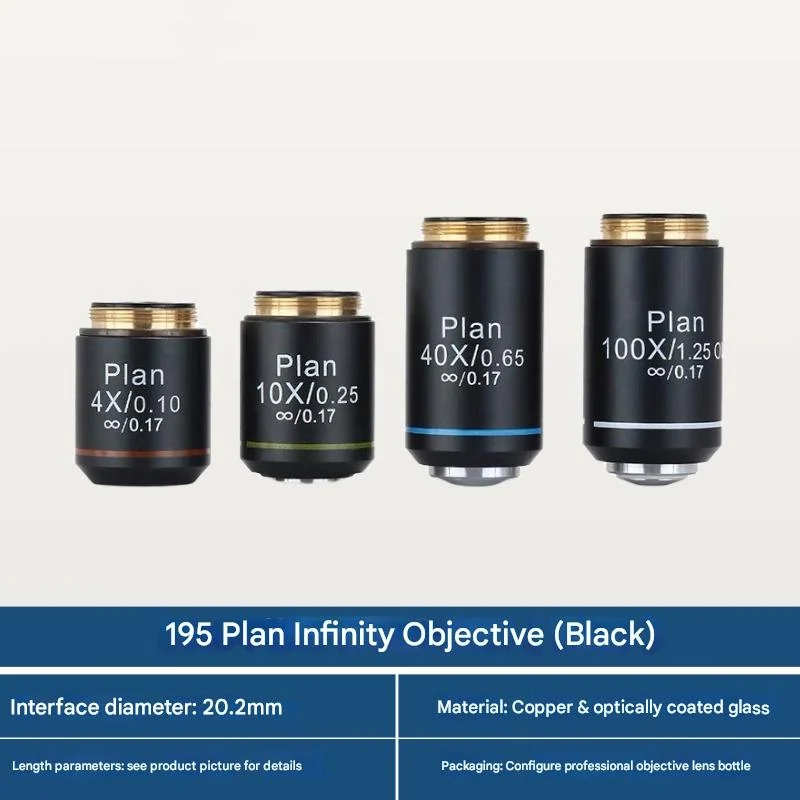
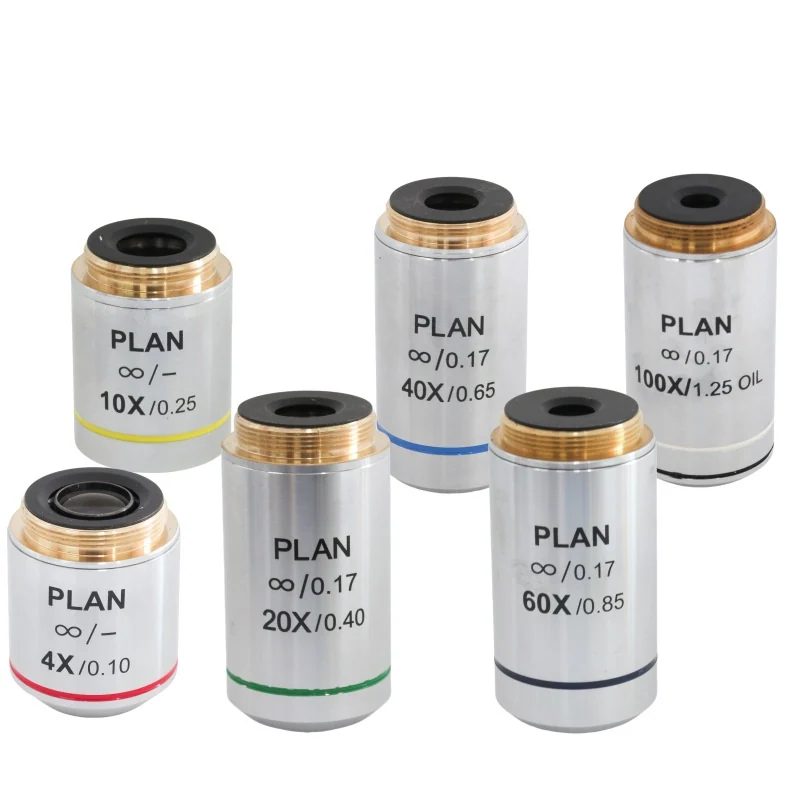
16 productsMicroscope Objective
Optical lenses designed to mount on microscope stands and provide magnification and resolution for biological, metallurgical, fluorescence and phase contrast inspection tasks.
 11 products
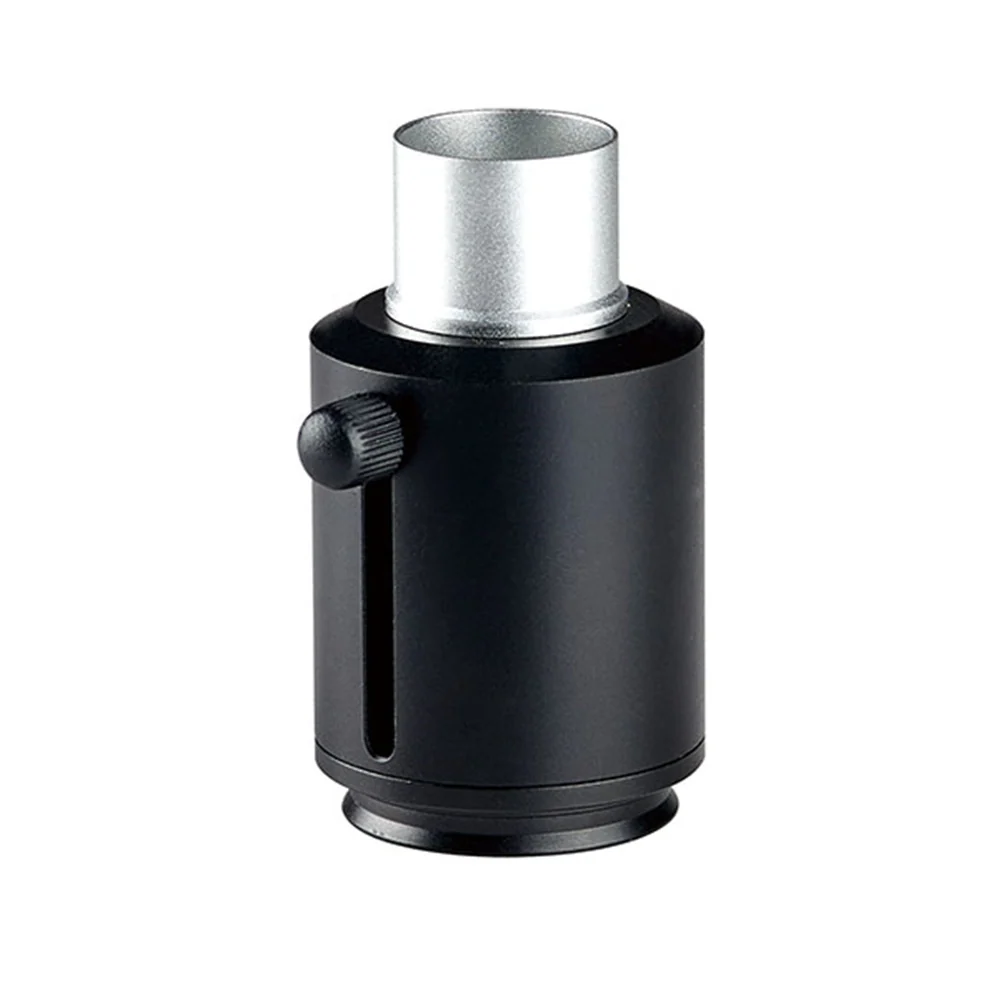
Stereo Microscope Adapter
Adapters that connect a C-mount camera or phototube to a stereo microscope objective for digital imaging or photographic capture.
 17 products
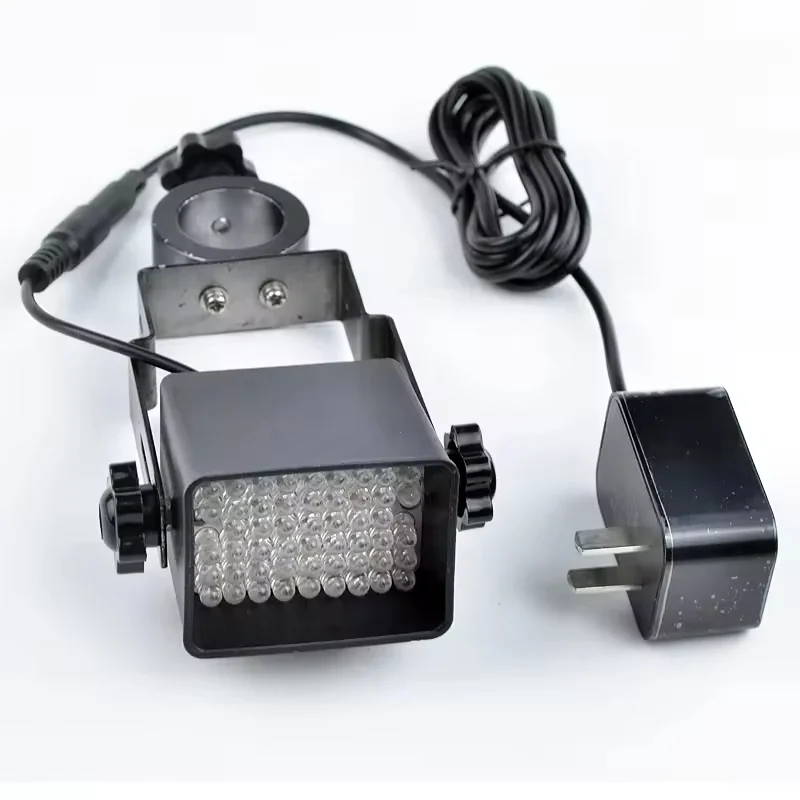
LED Ring Light
LED ring lights that mount around a microscope objective to deliver even, shadow-free illumination directly onto the surface being inspected. Available in multiple sizes, LED counts, and configurations including adjustable brightness, segmented quadrants, and polarized variants for specialized surface analysis.
Frequently Asked Questions
Does a Barlow lens do the same thing as an auxiliary objective?
On a stereo microscope the terms are often used for the same part: a lens fitted at the front of the body that changes both magnification and working distance.
Can I keep the same eyepieces when I change objective?
Yes. The eyepiece sets the final magnification factor and the field number; changing the front objective does not change the eyepiece fitment.
Ask Before You Order
Send the model you are considering and the task it has to do. We will confirm the fit in writing.