
Project guide
Specifying Lighting For A Hotel Project Without Creating A Ten Year Problem
Hospitality lighting is judged on how it looks at handover and lived with for a decade. Five decisions at the specification stage determine which of those two experiences you get.
Hotel lighting is bought by procurement, chosen by a designer, installed by a contractor and maintained by nobody in particular for the next ten years. The specification is the only document all four of those people share, which makes it worth more attention than it usually gets.
One: write down the item number
Every product on this site carries an item number in the form ZY-L230. It is the key to everything that happens after handover: the replacement unit, the spare part, the phase two order that has to match phase one. Put it in the specification, put it in the asset register, and put it on the O&M manual. A fixture identified only by a photograph and the word chandelier is effectively unmatched the day the project team disbands.
Two: keep the guest room and corridor fixtures relampable
Housekeeping can change an E14 lamp. Nobody on the property can replace an integrated LED module. Across the chandelier, wall light and glass pendant groups here, E14, E12, G9 and G4 bases are the norm precisely because of this. Save integrated LED for architectural fixtures in areas with proper maintenance access.
Three: lock one colour temperature per zone
3000K for guest rooms, restaurants and lobbies. 4000K for back of house and bathrooms if you want them to read as clean. Write the number on the purchase order. Because this catalogue publishes 3000K, 4000K and 6500K against the same product code, the only thing standing between you and a mismatched corridor in year four is that number being recorded.
Four: check the voltage against every property in the group
Fixtures here are built for 90 to 260V or 85 to 265V input depending on the model. For a group operating in both North America and Europe or the Middle East, that means one specification can serve several properties, with only the lamp differing by market.
Five: programme the lead time backwards
| Order type | Lead time |
|---|---|
| Sample order | 7 to 10 days |
| New production order | 45 to 60 days |
| Repeat order against an existing item number | 30 to 45 days |
Add sea freight and customs to those figures and work backwards from your handover date, not forwards from today. Lighting is installed last and specified late, which is why it is the trade most often expedited by air at somebody's expense.
Before you release the order
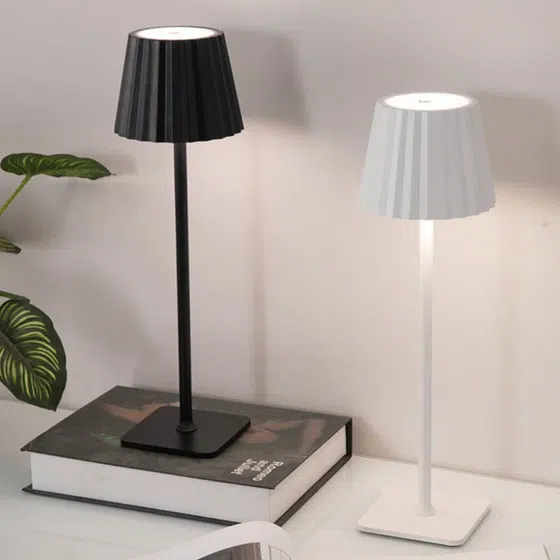
- Sample the fixtures that repeat: the corridor sconce, the guest room pendant, the bedside lamp. One piece is available for sample checking.
- Agree the colour temperature in writing.
- Confirm whether lamps are included, model by model.
- Order a spares allocation on the repeating fixtures, plus a box of lamps.
- Ask for the certificate covering each specific model rather than assuming blanket coverage.
- Confirm that a photo inspection report will be issued before shipment, which is standard on every order here.
FAQ
Questions On This Guide
How many spares should we order?
There is no universal figure, and we will not invent one. Base it on the fixture count and how visible a dark fitting would be. A corridor of twenty sconces justifies more than a lobby with one chandelier.
What certifications do your products hold?
Products in the range hold CE, BS, RoHS, VDE, SASO, ETL, UL and SAA marks, and our factories operate in accordance with ISO 9001. Marks are held per product, so ask for the certificate covering the exact model.
Can you handle a phased opening?
Yes, and repeat orders run 30 to 45 days against the same item numbers, which is the whole reason the numbers matter.
What happens if a fixture fails in year three?
The warranty is six years, with supplementary accessories, return and exchange, or refund as the three remedies. Quote the item number.
Related products
Products Referenced In This Guide
Product groups
Ranges This Guide Covers
73 products
Chandeliers
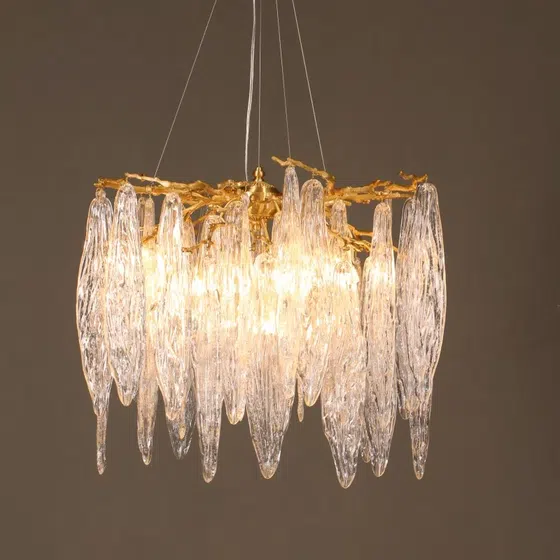
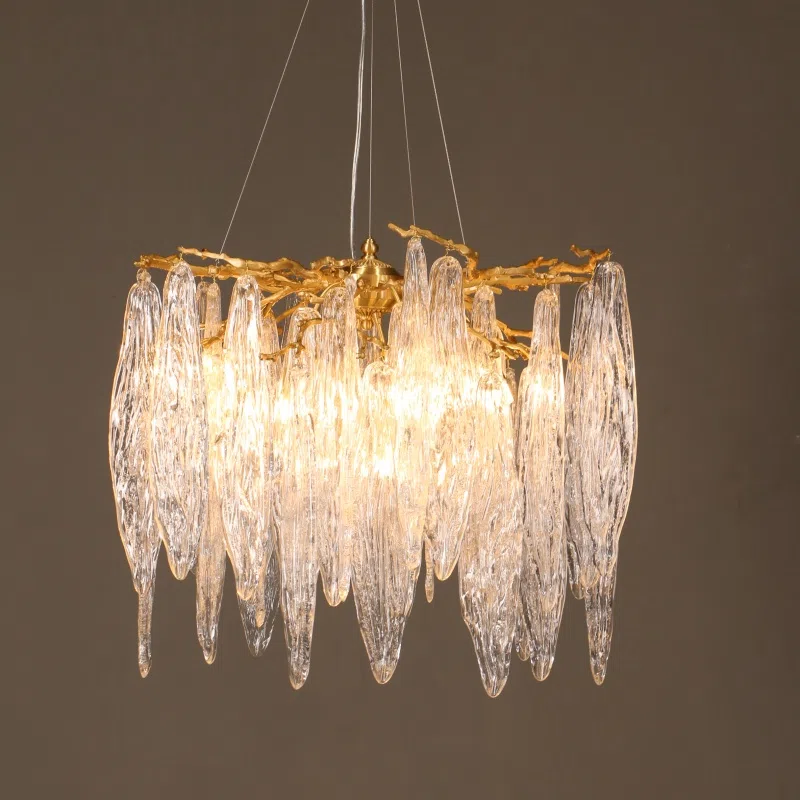
Glass, crystal, copper and iron chandeliers on G9, G4, E14 and LED sources, built for lobbies, stairwells and rooms with height to fill.
105 products
Wall Lights
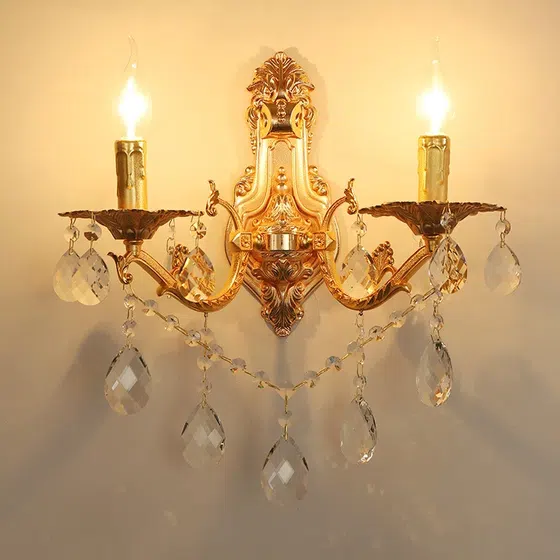
Sconces in iron, glass, wood, hardware, crystal and natural stone, including tri-colour LED models, for corridors, bedsides and stairs.
37 products
Ceiling Lights
Flush and semi-flush ceiling fixtures in iron, acrylic, crystal, resin and stainless steel, including high-output LED models for rooms without the hei
Turn This Into A Specification
Send us the project and we will translate it into item numbers, a lead time and a container plan.