
Selection guide
3000K, 4000K Or 6500K: Choosing Colour Temperature Before You Order
Almost every fixture in this catalogue is offered at three colour temperatures on one item number. That makes colour temperature a decision you have to make at the order stage, and it is the decision buyers most often get wrong.
Colour temperature is measured in Kelvin and describes whether a light source looks warm and yellow or cool and blue. It has nothing to do with brightness, and it is not a quality measure: a 6500K lamp is not better or worse than a 3000K lamp, it is for a different room. Across this catalogue, 3000K, 4000K and 6500K are published as options on the same product code, which is convenient at the quotation stage and unforgiving afterwards, because what arrives is what you specified.
What each number actually looks like
| Value | Appearance | Where it belongs | Where it fails |
|---|---|---|---|
| 3000K | Warm white, close to a traditional incandescent lamp | Hotels, restaurants, bars, bedrooms, living rooms, anywhere people sit for a long time | Task areas where fine detail or colour accuracy matters |
| 4000K | Neutral white, neither warm nor cold | Kitchens, bathrooms, offices, bakery and deli counters, circulation areas | Formal dining rooms, where it reads as institutional |
| 6500K | Cool daylight white | Task lighting, garages, utility rooms, some retail where white goods are sold | Dining tables and bedrooms, where it makes food and skin look grey |
The rule that resolves most projects
Where people eat, sit or sleep, specify 3000K. Where people work or clean, specify 4000K. Reserve 6500K for task areas and for retail where the merchandise is white or metallic. Most of the mistakes we see in hospitality projects come from a single decision: a buyer picks 6500K because it sounds brighter, and the dining room ends up looking like a pharmacy.
Consistency matters more than the exact number
A corridor lit at 3000K with three replacement fittings at 4000K looks worse than a corridor lit entirely at 4000K. This is the practical reason our products carry an item number and publish all three temperatures against it: a property can lock a number at the first order and hold it through every reorder. Repeat orders run 30 to 45 days against the same item number, compared with 45 to 60 for a new one.
Where the fixture chooses for you
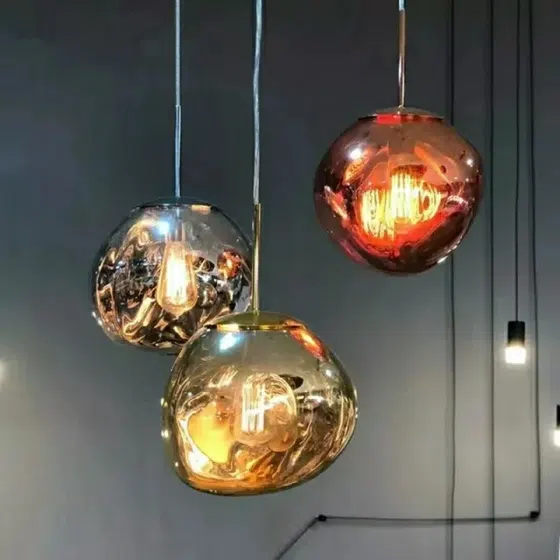
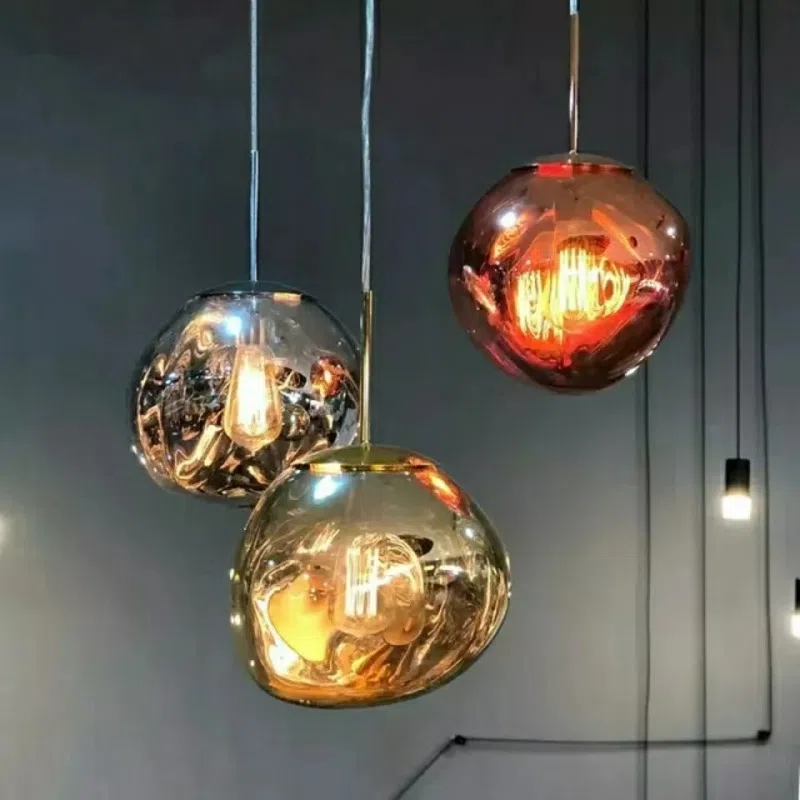
- Natural stone and travertine shades look grey and dead under cool light. Specify 3000K and stop thinking about it.
- Amber, smoke and coloured glass already warm the output, so a cool lamp fights the shade rather than balancing it.
- Silk and fabric shades diffuse warmly by nature and suit 3000K in almost every installation.
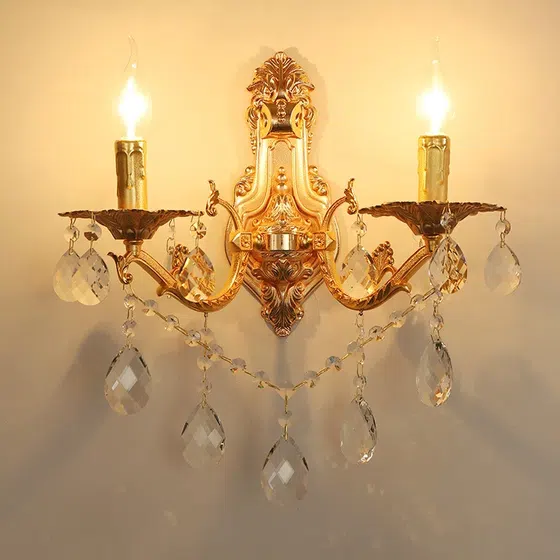
- Crystal sparkles at any temperature but reads as more expensive warm and more clinical cool.
- White acrylic and PE diffusers are genuinely neutral and will faithfully show whatever number you specify.
Switchable fixtures, and when they are worth it
Some products in this catalogue publish tri-colour or three-colour LED sources, which means the colour temperature can be switched after installation rather than fixed at the factory. That is genuinely useful in a room with several uses, such as a study that becomes a guest room, and it is largely wasted in a hotel corridor where consistency is the entire point. The colour temperature field on each product page tells you which type you are looking at.
If you are specifying a whole property, write the colour temperature on the purchase order rather than agreeing it in conversation. It is the single cheapest way to avoid a mismatched reorder three years from now.
FAQ
Questions On This Guide
Can I mix colour temperatures in one building?
Yes, by zone rather than at random. 3000K in guest rooms and restaurants, 4000K in back of house and bathrooms is a coherent scheme. What does not work is mixing within one sightline.
Does colour temperature affect brightness?
No. Brightness is a separate figure. A 3000K and a 6500K lamp of the same wattage put out broadly similar light; the cool one only feels brighter.
What is CRI and how does it relate?
Colour rendering index measures how accurately a source shows colours, on a scale to 100. Where our specifications publish it, the figure is normally Ra 70. It is a separate property from colour temperature and both matter.
Can I change my mind after ordering?
Before production starts, usually. After the run has started, no, because on most models the LED or the driver is already fitted. Decide before the order.
Related products
Products Referenced In This Guide
Product groups
Ranges This Guide Covers
400 products
Pendant Lights
The core of this factory: iron, acrylic, aluminium and glass pendants in modern simple, Nordic and classic styles, built on relampable E27, E14 and G9
73 products
Chandeliers
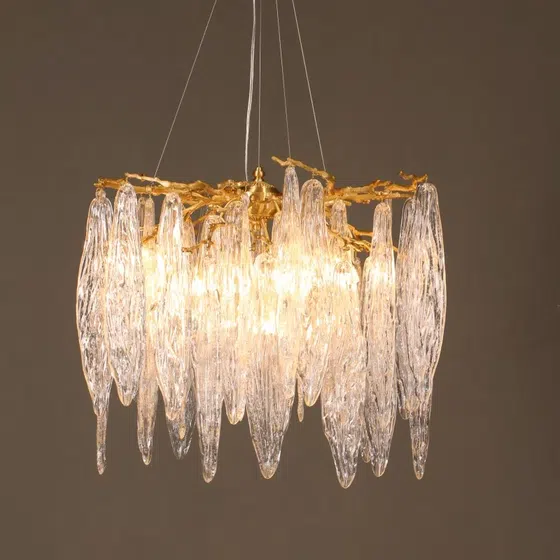
Glass, crystal, copper and iron chandeliers on G9, G4, E14 and LED sources, built for lobbies, stairwells and rooms with height to fill.
37 products
Ceiling Lights
Flush and semi-flush ceiling fixtures in iron, acrylic, crystal, resin and stainless steel, including high-output LED models for rooms without the hei
Turn This Into A Specification
Send us the project and we will translate it into item numbers, a lead time and a container plan.