Carbon steel, 65Mn, music wire, stainless and nitinol, with the practical trade-offs that decide which one belongs in your part.
See Wire Forming Springs
The baseline for general industrial springs. Inexpensive, readily formed, and adequate for dry indoor use once plated. Its weakness is corrosion resistance, which it has essentially none of without a coating.
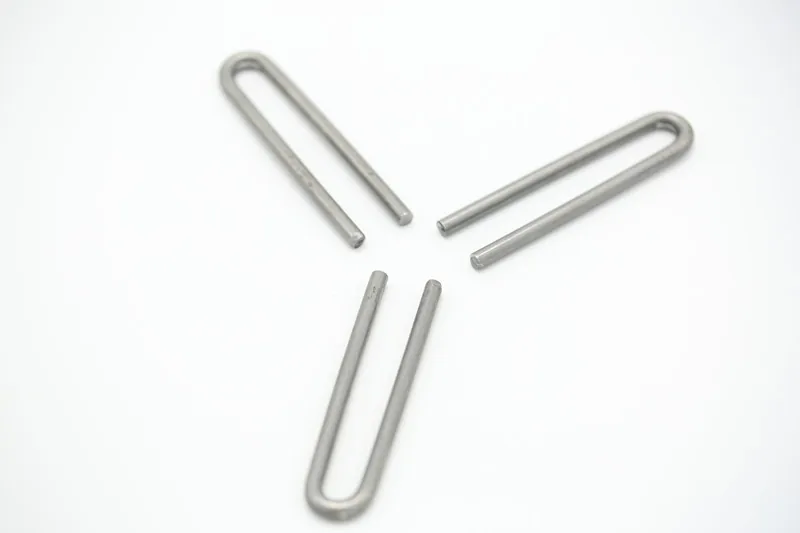
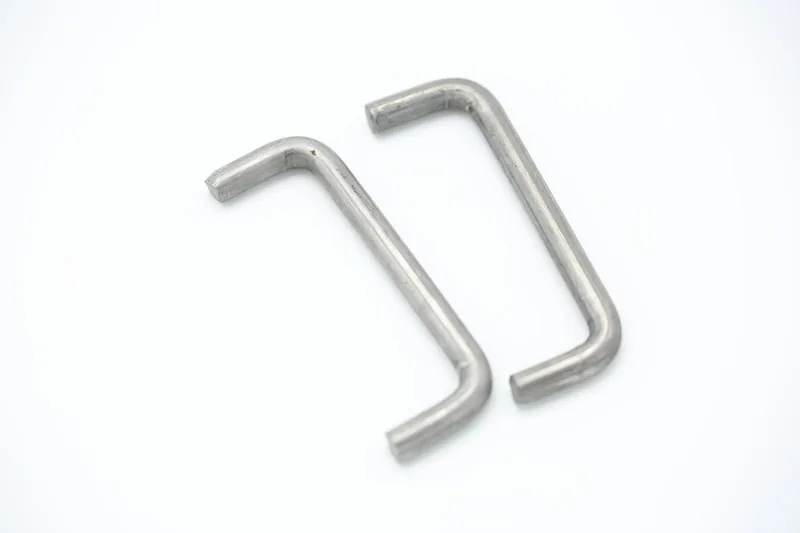
A manganese alloyed spring steel widely used across Chinese manufacturing for clips, hooks and wire forms. It gives better hardenability and fatigue performance than plain carbon steel at a modest price premium, which is why so many of our clip and hook parts run in it.
High carbon wire drawn to a high tensile strength, used where a small spring has to deliver a high force. It excels in fine diameters and is the usual choice for precision and instrument springs, though it is no more corrosion resistant than plain carbon steel.
The answer whenever the spring is wet, washed, outdoors or in contact with food or chemicals. Type 304 is the general purpose grade, and 301 is used where a higher spring temper is needed, as in constant force springs. Expect a higher price and, for the same geometry, a somewhat different force.
A nickel titanium alloy with shape memory and superelastic behaviour, used where a spring must recover from strains that would permanently deform steel, or must change behaviour with temperature. It is a specialist material at a specialist price and is specified only when its behaviour is genuinely required.
Carbon or 65Mn spring steel with a suitable plating for dry indoor work, stainless for anything wet. Depart from that only when the application gives you a reason.
It can. Materials differ in elastic modulus and allowable stress, so the same geometry in a different material gives a different force. Tell us the material constraint up front and the design is adjusted around it.
Send the part, the load and the environment. A short email usually settles a specification faster than any guide can.