
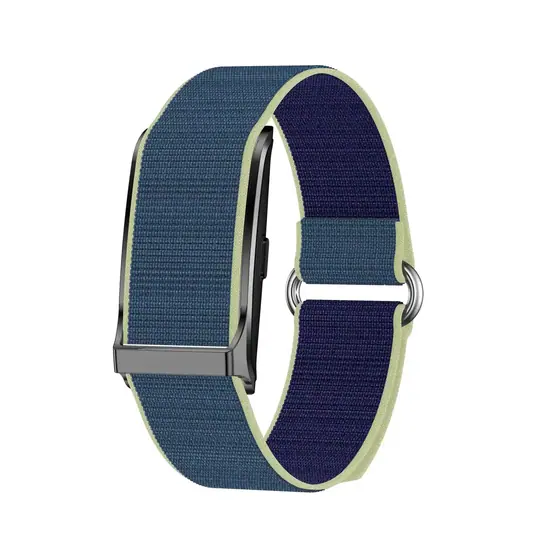
Activity Trackers And Fitness Bands
Screenless Activity Tracker SpO2 Blood Pressure Heart Rate Monitor Fitness Tracker
Non-screen tracker with up to 30 days of battery, HRV and stress monitoring and IP68
View specification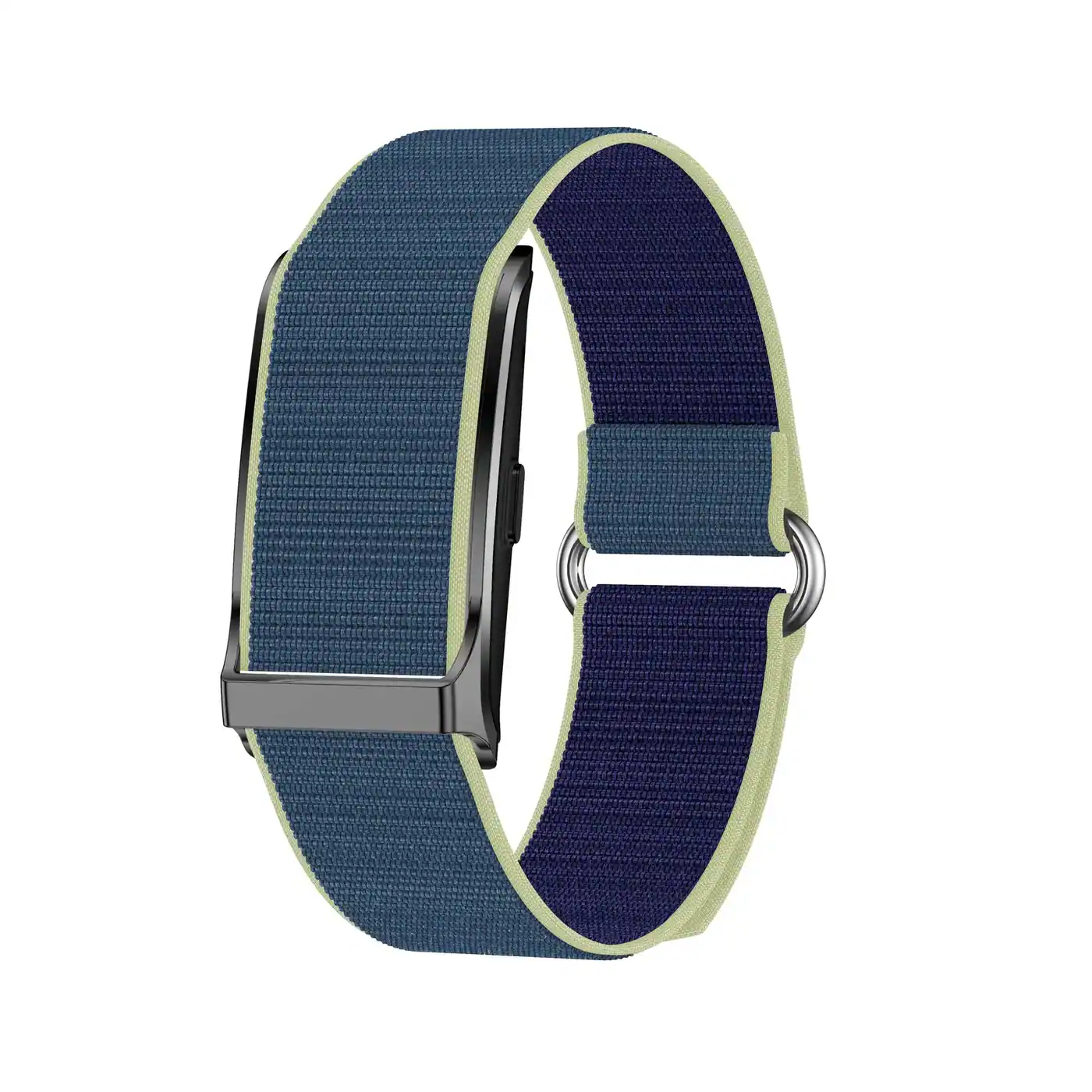
Battery capacity explains less than buyers expect. Screen, radio and sensor duty cycle explain most of it, and the numbers in this catalogue show why.
The screenless tracker in this range is quoted at up to 30 days. The 1.7 inch band with a 330mAh cell is a weekly charge. The screenless model wins because it has no display to power, not because it carries a bigger battery.
Across this catalogue the pattern is consistent. No screen gives up to 30 days. A 1.1 inch AMOLED on 90mAh gives 7 to 10 days. A 1.39 inch round display on 210mAh gives 3 to 5 days. Screen area and brightness, not cell size, set the order.
Bluetooth calling keeps a radio link active in a way notification relay does not. The 4G models are the extreme case: a 650mAh cell gives 2 to 3 days of use and a maximum of 4 hours of calling, because a cellular modem is in an entirely different power class.
Continuous 24/7 heart rate costs more than periodic sampling. Automatic sleep tracking costs more than a manual session. The air pump blood pressure watch still reaches 7 to 10 days on 200mAh because the pump runs only during a measurement.
Ask what the figure assumes. A useful answer names the display mode, whether calling is enabled and how often heart rate is sampled. Where the factory publishes no figure at all, as on UQ76 and the NX23, we print TBC rather than estimating one.
Non-screen tracker with up to 30 days of battery, HRV and stress monitoring and IP68
View specification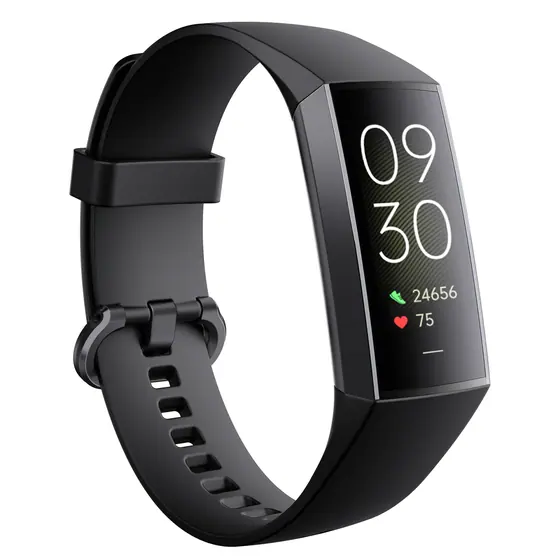
Slim 1.1 inch AMOLED band tuned for automatic sleep tracking, with 70+ dials and 10 day battery
View specification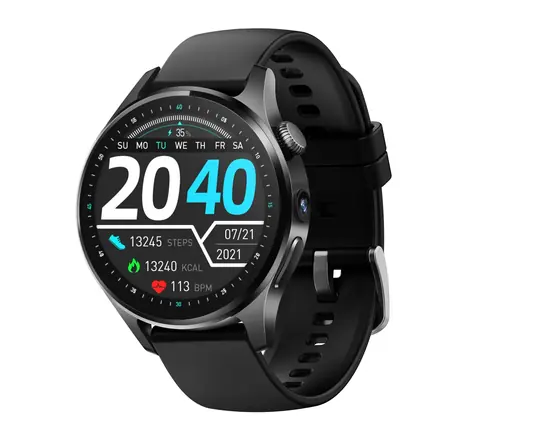
Standalone Android 8.1 watch phone with a 454x454 AMOLED, dual cameras and real time GPS location
View specificationPPG sensors and ECG front ends measure different things. Knowing which is which decides what a wearable may legally and honestly claim.
Panel choice drives battery life, daylight readability, case thickness and cost. Here is how the two behave in the models in this catalogue.
IP ratings describe a laboratory test, not a swimming pool. Here is what each rating in this catalogue actually permits.
The two words get used interchangeably and they should not be. The difference decides who owns the design, who carries the tooling cost and how fast you launch.
Four calling models, four different answers. Screen size, case material, audio path and ruggedness are the axes that actually separate them.
A standalone watch phone is a network device before it is a wearable. Most deployment failures are SIM and carrier problems, not hardware problems.
Straps decide comfort, skin reaction and how many SKUs one hardware build can produce. Here is what the materials in this range do.
The screenless activity tracker, quoted at up to 30 days.
A cellular modem draws far more than a bluetooth radio. The specification quotes 2 to 3 days of use and up to 4 hours of calling from 650mAh.
Because the factory specification does not publish it. We do not estimate battery figures.
Send the requirement and we will match it to a platform, name the silicon behind it and confirm every figure in writing.