
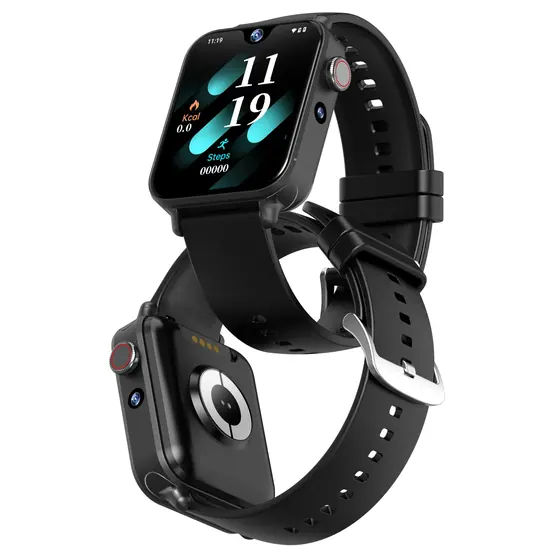
4G Health Smart Watches
4G SIM Card Android GPS SpO2 Heart Rate Body Temperature Digital Smart Health Watch
1.78 inch Android 4G health watch with a one button SOS and braille alarm trigger
View specification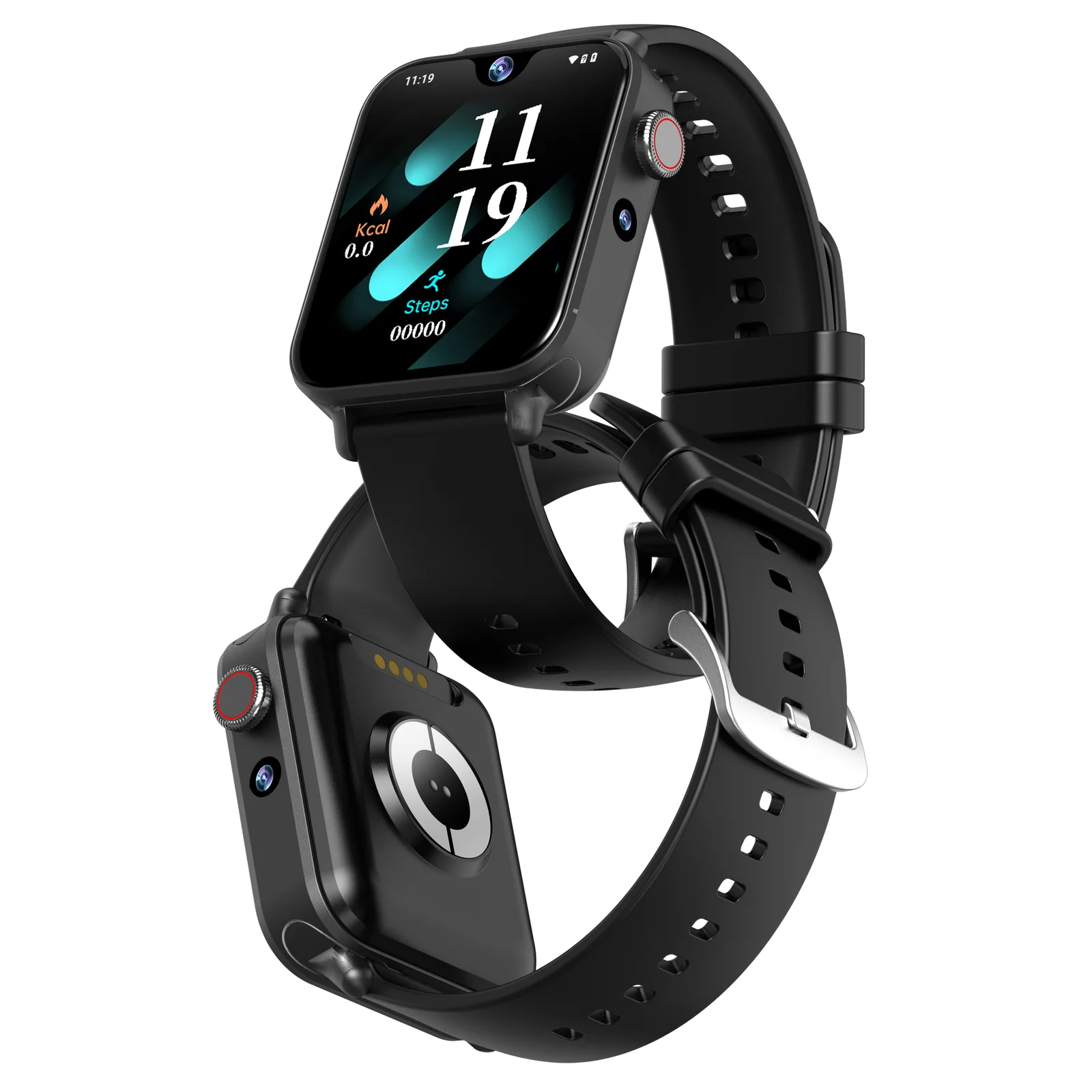
A standalone watch phone is a network device before it is a wearable. Most deployment failures are SIM and carrier problems, not hardware problems.
Both 4G models run Android 8.1 on an SL8541E quad core platform with 2GB plus 16GB eMCP, and take their own SIM across 2G, 3G and 4G. There is no paired phone in the chain, which is the entire point in elderly care.
Network support is stated as 2G, 3G and 4G. The specific bands supported per market must be confirmed with the factory before an order. This is the single most common cause of a failed pilot, and it is always cheaper to ask first.
The watch needs voice and data. Check that the carrier permits the SIM in a wearable, that the plan survives the device's IMEI class, and that data is sufficient for video calls through the dual 2 megapixel cameras.
The safety guardance fence, remote listening monitor and real time GPS location must be tested on the deployment network, not on factory wifi. Geofence alerts depend on the data path as much as on GPS.
The specification quotes 2 to 3 days of use and up to 4 hours of calling from 650mAh. In an active care deployment, plan for daily charging and build the charging routine into the care plan rather than hoping for the maximum figure.
1.78 inch Android 4G health watch with a one button SOS and braille alarm trigger
View specification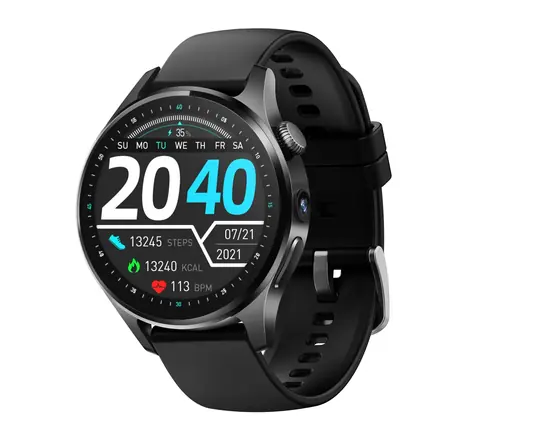
Standalone Android 8.1 watch phone with a 454x454 AMOLED, dual cameras and real time GPS location
View specification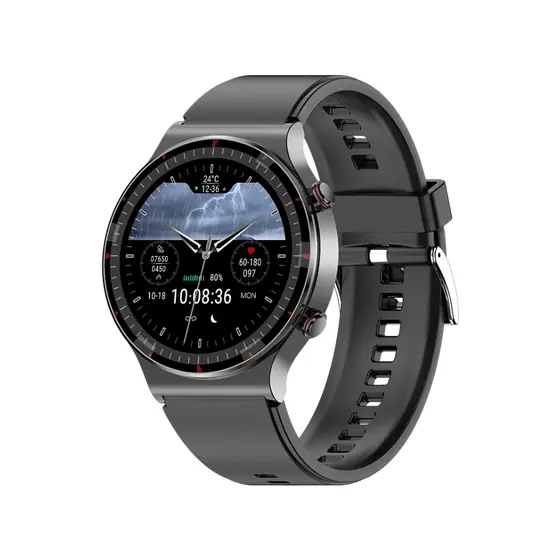
Goodix 5515 and Max86176 ECG platform at 512Hz with HRV replay and sleep apnea monitoring
View specificationPPG sensors and ECG front ends measure different things. Knowing which is which decides what a wearable may legally and honestly claim.
Panel choice drives battery life, daylight readability, case thickness and cost. Here is how the two behave in the models in this catalogue.
Battery capacity explains less than buyers expect. Screen, radio and sensor duty cycle explain most of it, and the numbers in this catalogue show why.
IP ratings describe a laboratory test, not a swimming pool. Here is what each rating in this catalogue actually permits.
The two words get used interchangeably and they should not be. The difference decides who owns the design, who carries the tooling cost and how fast you launch.
Four calling models, four different answers. Screen size, case material, audio path and ruggedness are the axes that actually separate them.
Straps decide comfort, skin reaction and how many SKUs one hardware build can produce. Here is what the materials in this range do.
The specification states 2G, 3G and 4G support. Exact bands per market are confirmed with the factory before an order.
Yes, both 4G models carry front and side 2 megapixel cameras.
Plan on daily charging. The quoted figures are 2 to 3 days of use and a maximum of 4 hours of calling.
Send the requirement and we will match it to a platform, name the silicon behind it and confirm every figure in writing.