
- Home
- Knowledge Center
Ten Guides For People Who Buy Billiard Equipment
Technical guides on tip diameters and why the ferrule decides them, what maple, ash and carbon actually change, how 1/2 and 3/4 joints differ, oily against dry chalk, ball standards from 57.2 mm to Russian pyramid, and storage in humid rooms. Buying guides on private label work and importing from China. Every figure quoted comes from a listing published on this site, and where a figure does not exist the guide says so.
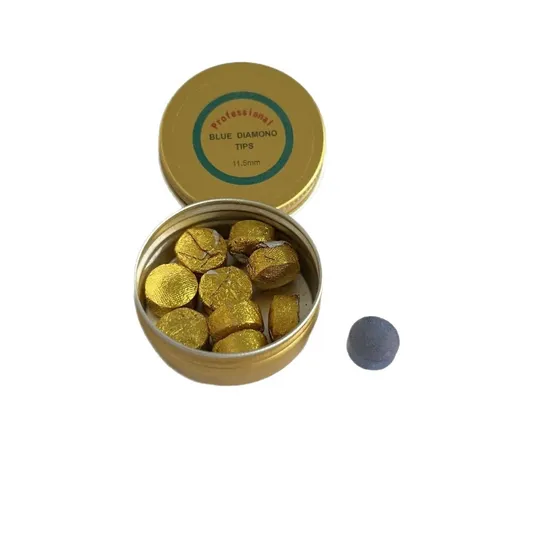
Choosing A Cue Tip Diameter, From 9 mm To 14 mm
Tip diameter is the first number on a cue specification and the one most often left off a listing. Here is what each band on this site is for, and why the ferrule decides it rather than the player.
Read the guide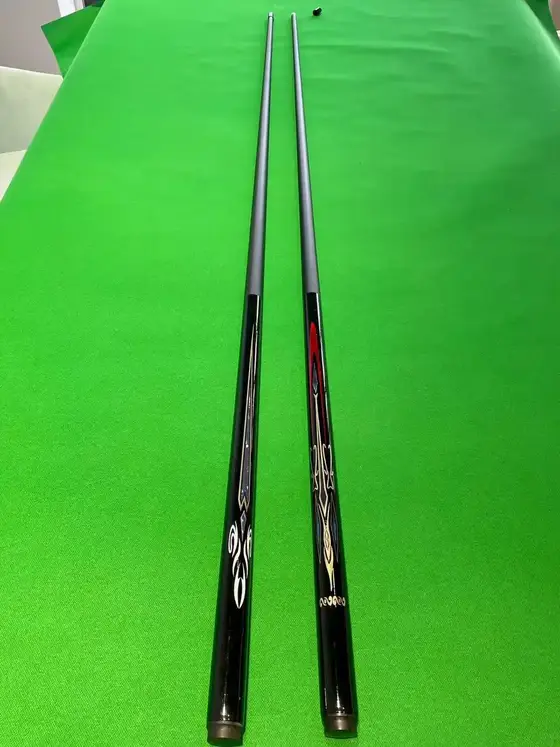
Maple, Ash, Purpleheart Or Carbon: What The Shaft Material Changes
The wood or composite named on a cue page is not decoration. It decides how the shaft deflects, how it holds straight in a humid room and how much a cue costs to replace.
Read the guide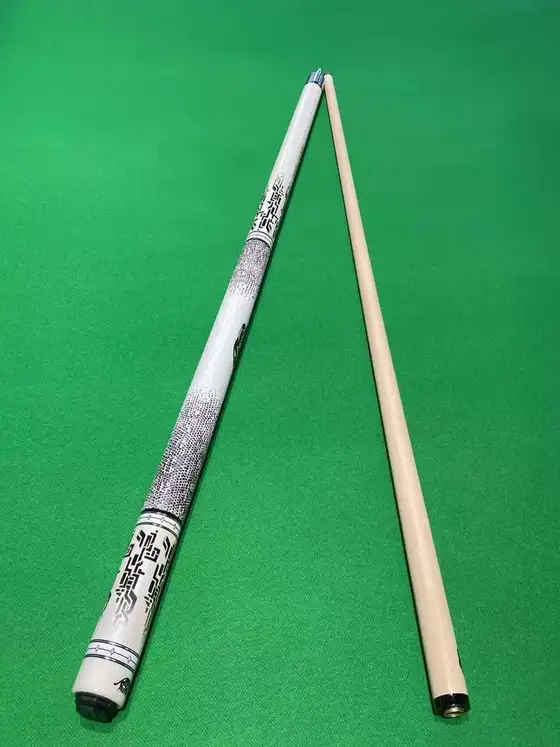
One-Piece, 1/2 And 3/4 Jointed Cues: What The Split Actually Changes
The joint format decides how a cue travels, how it plays through the stroke and whether a club can replace half of it. Three formats, three different purchases.
Read the guide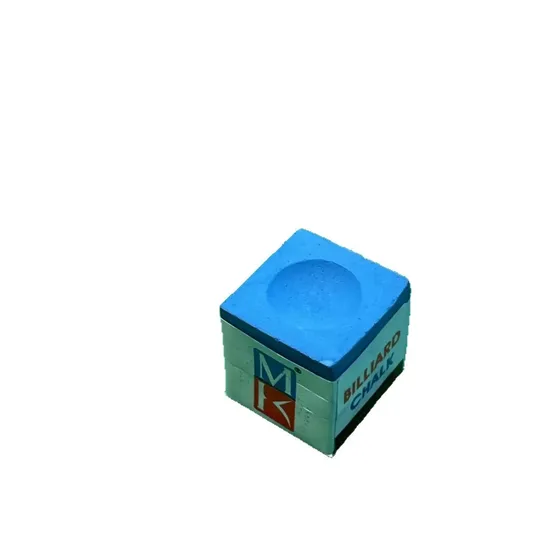
Oily And Dry Billiard Chalk, And What The Grade Codes Mean
Chalk is the cheapest item on the table and the first thing blamed for a miscue. The difference between an oil-based and a dry chalk is real, and so is the difference between the grades published here.
Read the guide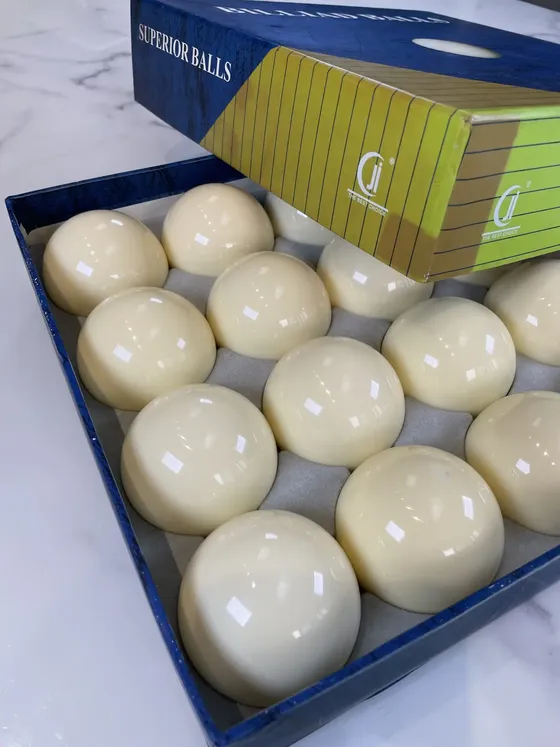
Ball Sizes And Standards: 57.2 mm, Snooker And 60.3 mm Russian
The single most expensive mistake in billiards sourcing is a ball set that does not match the table. The diameter is decided by the game, not by the buyer.
Read the guide
Multi-Layer Or Single Leather Tips, And When Hardness Matters
A tip is the only part of the cue that touches the ball. How it is built decides how often a room replaces it and how the cue feels on a firm stroke.
Read the guide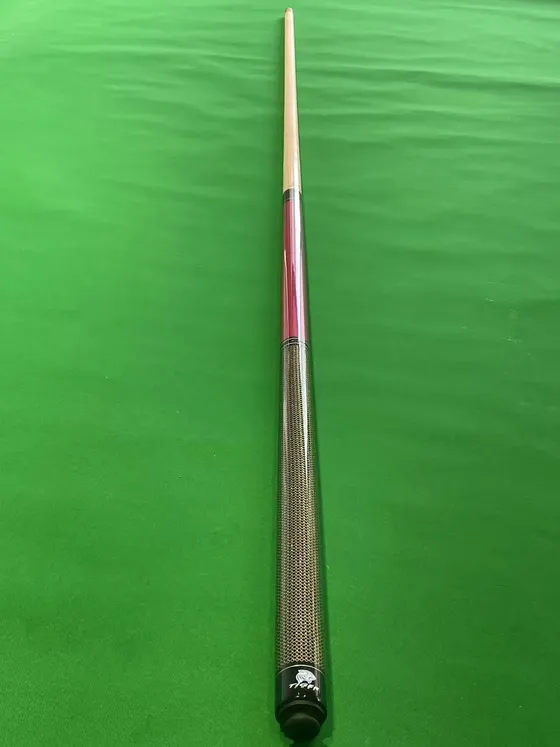
Why A Break Cue Is Not A Playing Cue
The break is the hardest shot on the table and the one most rooms play with the wrong equipment. Here is what a dedicated break or jump cue changes, and what it protects.
Read the guide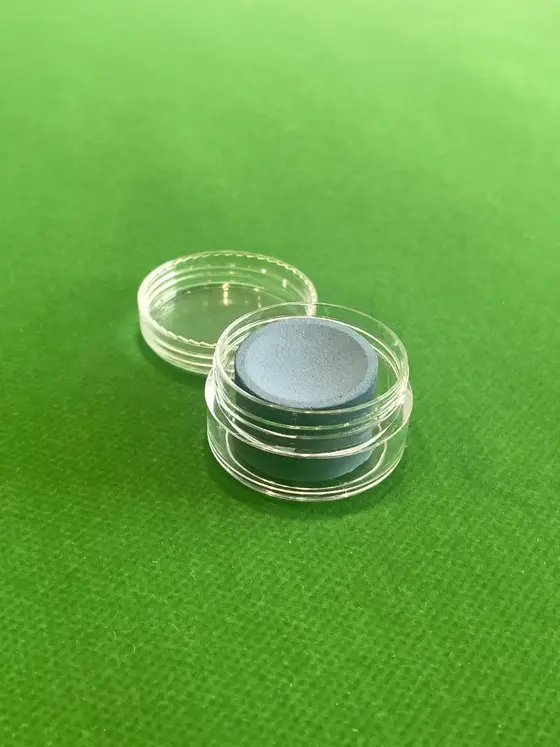
Warped Cues And Clumped Chalk: Storage In Humid Markets
Most equipment that fails in a tropical or coastal room did not fail in play. It failed in the rack and in the open chalk tray between sessions.
Read the guide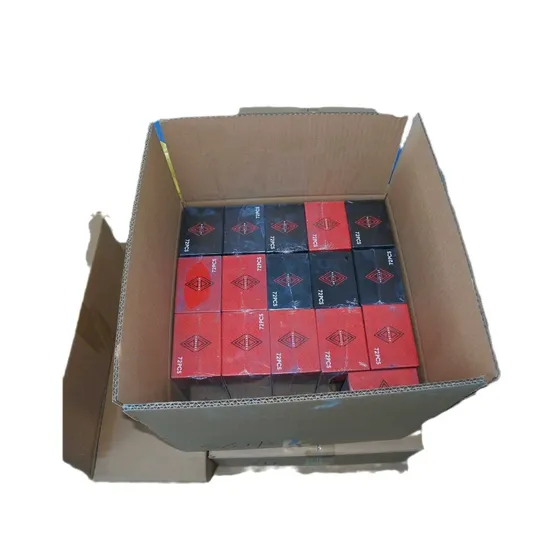
Specifying OEM Billiard Equipment So The Sample And The Container Match
Private label work fails in predictable places: artwork agreed in a chat thread, colours judged on a screen, and a production run nobody compared with the sample. Here is the sequence that avoids it.
Read the guide
Importing Billiard Equipment From China Without Surprises
Sourcing billiards is unusually specification-sensitive: a millimetre on a ball or a tip changes whether the goods are usable. This is what to pin down before money moves.
Read the guideAsk A Question The Guides Do Not Answer
Technical questions are answered by email and WhatsApp during office hours in Taishan.