
- Home
- Knowledge Center
- Maple, Ash, Purpleheart Or Carbon: What The Shaft Material Changes
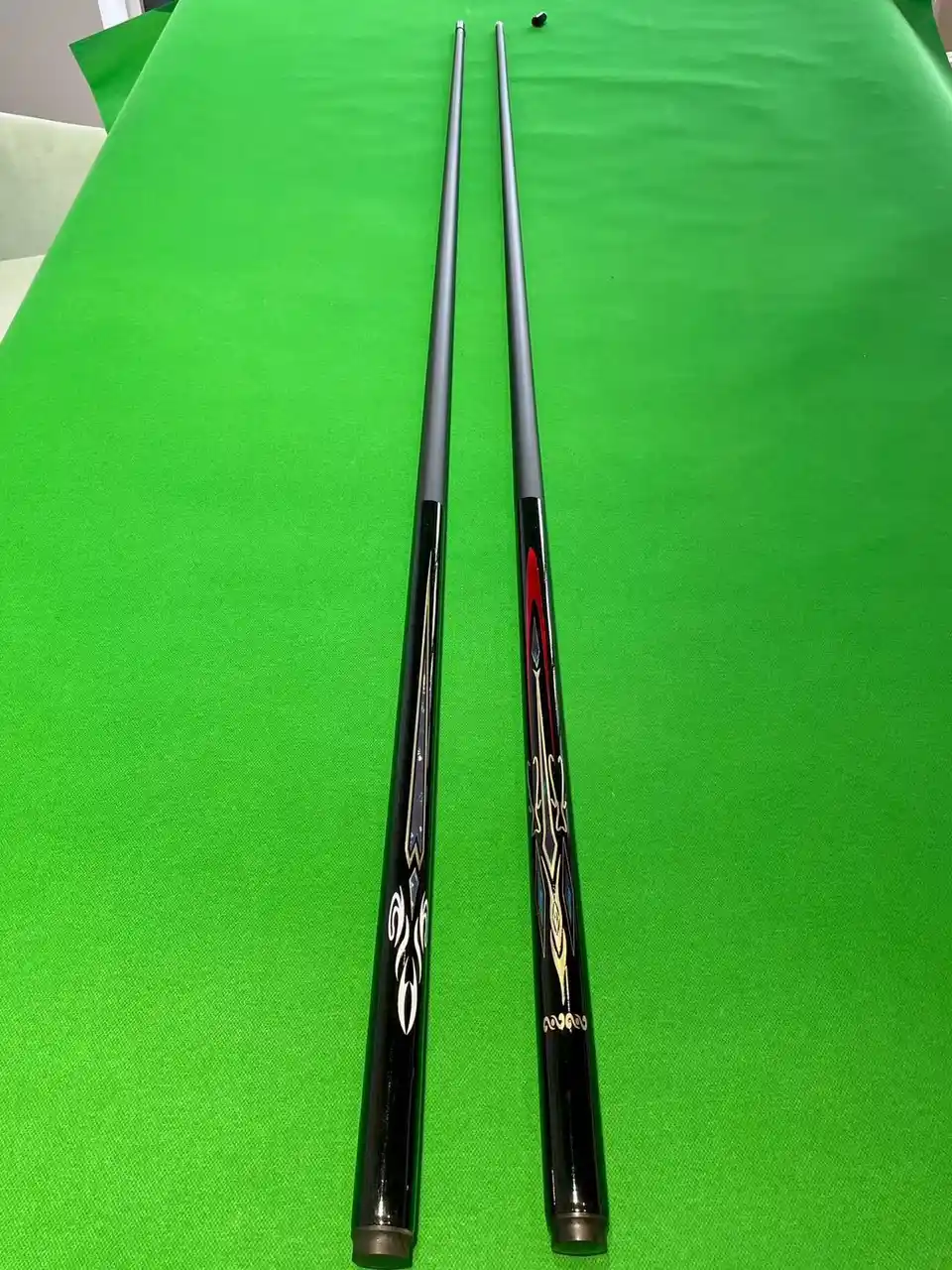
Maple, Ash, Purpleheart Or Carbon: What The Shaft Material Changes
The wood or composite named on a cue page is not decoration. It decides how the shaft deflects, how it holds straight in a humid room and how much a cue costs to replace.
Why the material is published by name here
A large part of cue sourcing is conducted in adjectives: premium hardwood, high-grade timber, professional composite. None of those can be ordered against twice. The cue pages on this site name the material the source listing names, which is what makes the difference between a specification and a description.
Hard rock maple, the default for American play
Canadian and hard rock maple appear across the pool cue family, including imported maple forearms. Maple is dense, pale and even-grained, which is why it dominates American pool: it takes a consistent taper, finishes cleanly and behaves predictably when a room's humidity swings.
Ash, the traditional snooker forearm
Ash carries the visible chevron grain that snooker players read down the length of the cue to line up the stroke. It is slightly more flexible than maple, which is part of why the English game grew up around it. The handmade cues in the snooker family use ash and waxwood among their published materials.
Purpleheart, rosewood and decorative hardwoods
Purpleheart appears in the handmade small-tip cues here, usually as butt splices and pattern work rather than as a full shaft. These woods are dense and heavy, which shifts the balance point towards the grip and gives a cue a different feel without changing its length.
Fibreglass and semi-carbon: the club-durability answer
Fibreglass cues in the range exist because a house cue's biggest enemy is not wear, it is a humid room and rough handling. Composite shafts do not absorb moisture and do not warp in a rack by a window. The water-mark fibreglass and semi-carbon cues here are aimed squarely at rooms that replace warped wooden cues every season.
Full carbon fibre, the low-deflection option
The pure carbon fibre cues published here, including 9.5 mm and 13 mm models, are the modern private-cue choice. A carbon shaft is stiffer for its mass, which reduces how much the cue ball squirts off line when side is applied. It costs more and it does not look traditional, which is exactly why both wood and carbon stay in this range.
Products Referenced In This Guide
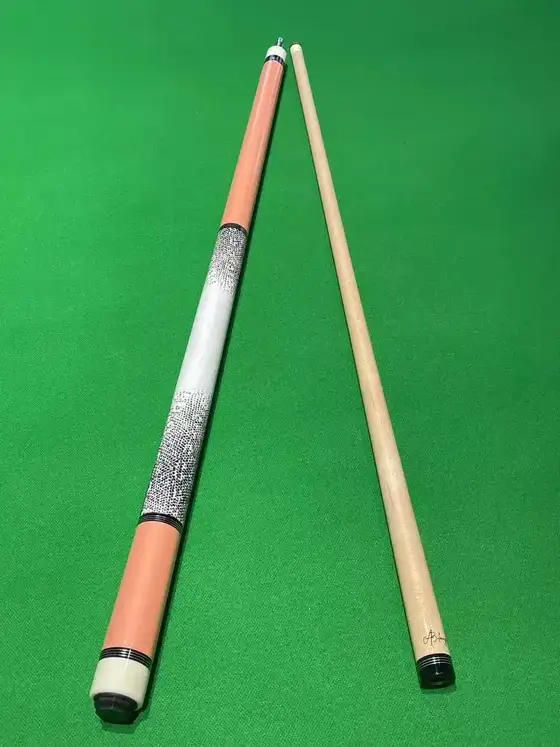
Factory direct sale 1/2 billiard cue 13mm large tip professional American pool cue
13 mm tip, 1/2 jointed, built for American pool play.
See the specification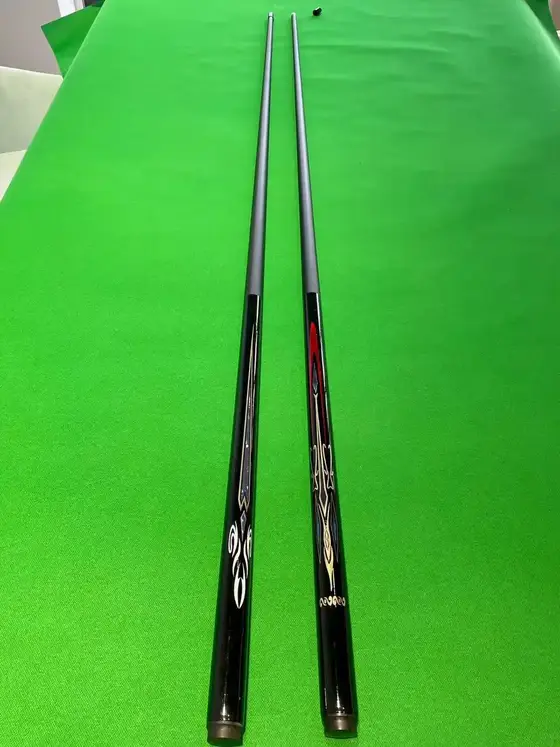
Factory Direct Sale Chinese-style Carbon Billiard Cue, American Nine-Ball Small Tip, Medium Tip, Large Tip Integrated Cue Stick
Large tip, one-piece, carbon composite construction, built for American pool play.
See the specification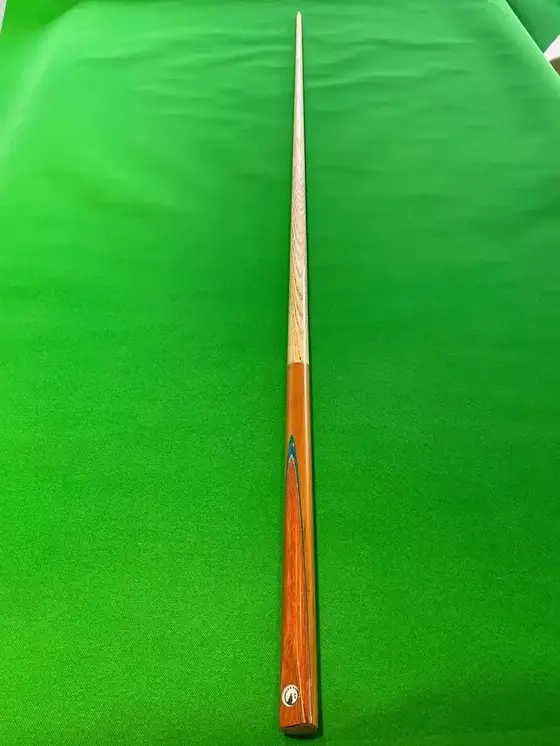
Spot factory direct sale billiard cue single integrated pool cue snooker general cue small tip cue
Small tip, one-piece, built for Snooker play.
See the specification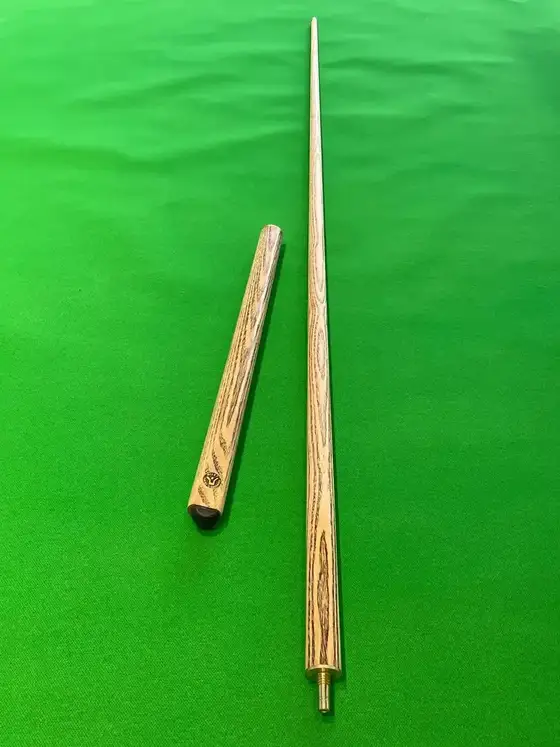
Factory Direct Sale, In-Stock Immediate Shipment, Billiard Split Four-Thirds White Waxwood Snooker Small Head Cue Stick
Small tip, 3/4 jointed, waxwood construction, built for Snooker play.
See the specificationProduct Families Covered
Questions About This Guide
Which material lasts longest in a commercial room?
Is carbon fibre allowed in competition?
Does a heavier wood make a heavier cue?
Can we mix materials across one order?
Put This Into Practice
Send what you are buying for and a recommendation with the matching figures comes back by email.