
- Home
- Knowledge Center
- Why A Break Cue Is Not A Playing Cue
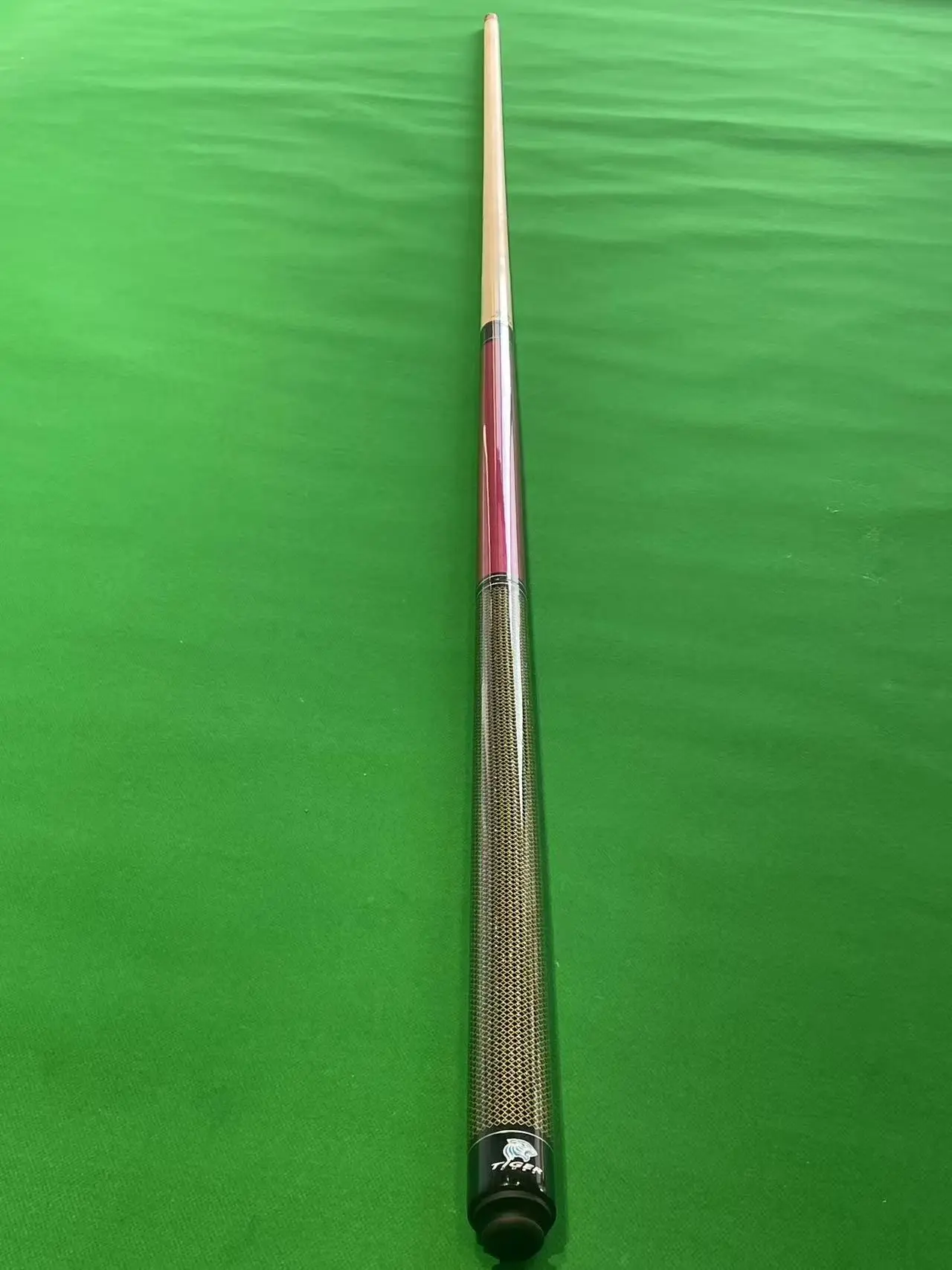
Why A Break Cue Is Not A Playing Cue
The break is the hardest shot on the table and the one most rooms play with the wrong equipment. Here is what a dedicated break or jump cue changes, and what it protects.
The break is an impact problem, not a power problem
At the break, the whole force of the stroke arrives at a single tiny contact patch and passes straight down the shaft. A playing cue is tapered for feel and control, and its ferrule and tip are chosen to grip the ball for spin. Neither of those is what you want when the objective is to transfer as much energy as possible into a rack.
What a break cue does differently
A break cue is stiffer and its tip is deliberately hard, so less of the stroke energy is absorbed in compression and more reaches the rack. The three-section cues in this range publish 13.8 mm tips, which is at the top of the diameter band precisely because contact tolerance matters more than spin on a break.
The jump shot asks for the opposite proportions
A jump cue is shorter and lighter so the player can raise the butt steeply and still stroke cleanly, driving the cue ball into the slate so it rebounds upward. The three-section design in this family lets one cue serve both: at full length it breaks, with a section removed it jumps.
What it protects in a commercial room
Every break played with a house cue shortens that cue's life, and every jump shot attempted with a playing cue risks the ferrule. One dedicated break cue per table is the cheapest equipment insurance a room buys, and it also stops players lifting a cue off a rack and abusing it because nothing else was available.
Where jump shots are not allowed
Some rooms and some rule sets restrict jump shots, and some tables are not suited to them. That is a house rule question rather than an equipment one, but it is worth settling before buying jump cues for every table.
Buying one for a room
Order against the published tip diameter and keep the break cues visually distinct from the playing rack, so players can tell them apart without asking. OEM marking on the butt or the case is the usual way rooms do this.
Products Referenced In This Guide
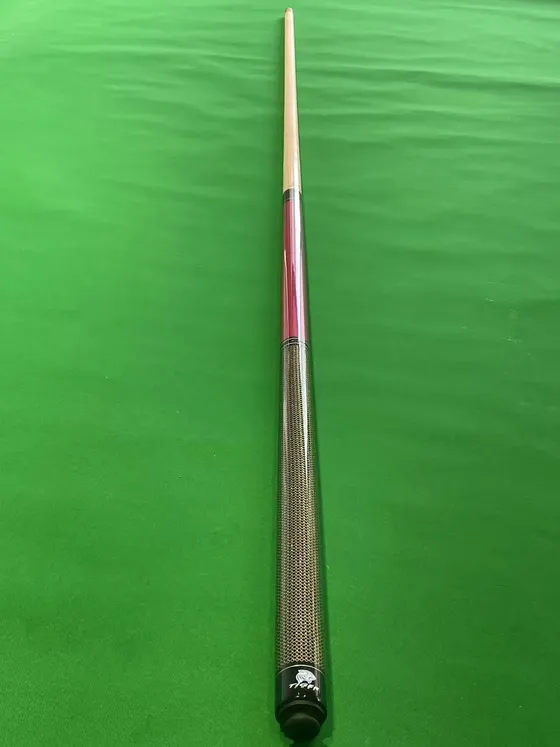
Factory wholesale ready-to-ship high-grade maple 1/2 split 3-section jump cue integrated big head billiard cue
Large tip, 1/2 jointed, maple construction, built for American pool play.
See the specification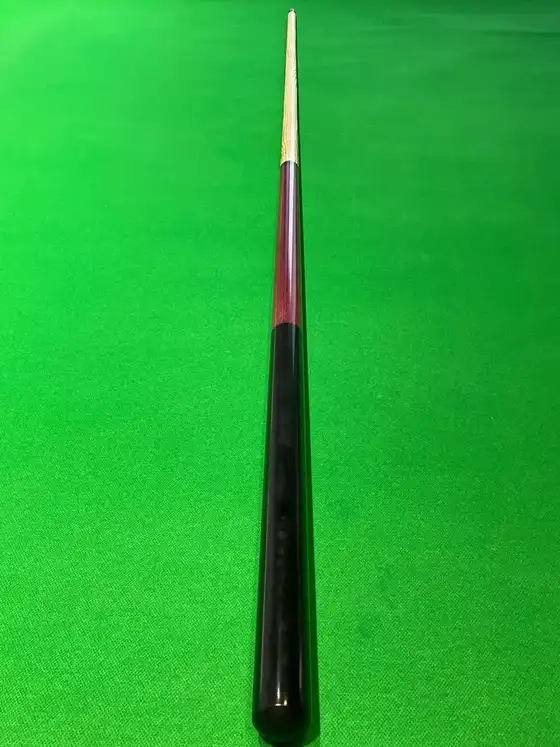
Factory-supplied high-grade maple 3-section jump and break integrated cue 13.8MM large tip billiard cue
13.8 mm tip, one-piece, maple construction, built for American pool play.
See the specification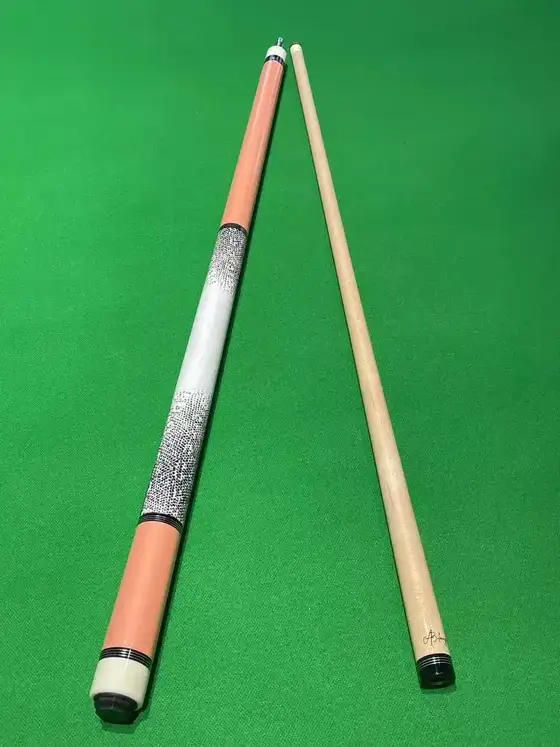
Factory direct sale 1/2 billiard cue 13mm large tip professional American pool cue
13 mm tip, 1/2 jointed, built for American pool play.
See the specification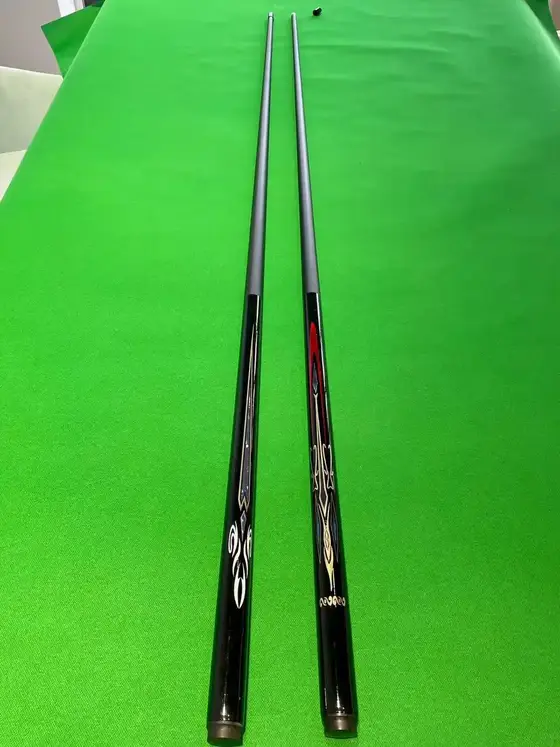
Factory Direct Sale Chinese-style Carbon Billiard Cue, American Nine-Ball Small Tip, Medium Tip, Large Tip Integrated Cue Stick
Large tip, one-piece, carbon composite construction, built for American pool play.
See the specificationProduct Families Covered
Questions About This Guide
Can one cue really do both jump and break?
Should the break tip be replaced with a normal tip?
Do beginners need a break cue?
Are these cues heavier than playing cues?
Put This Into Practice
Send what you are buying for and a recommendation with the matching figures comes back by email.