
- Home
- Knowledge Center
- Choosing A Cue Tip Diameter, From 9 mm To 14 mm
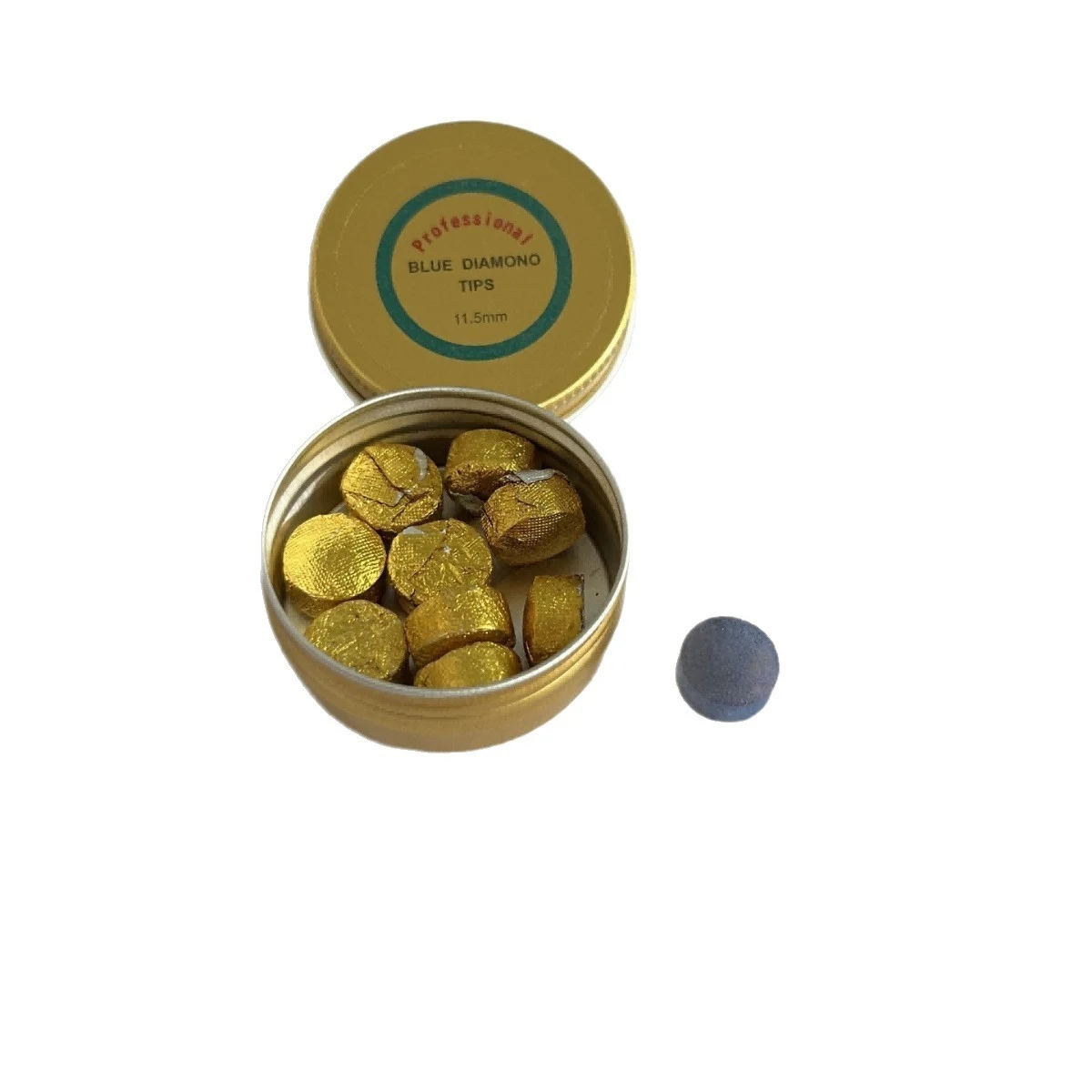
Choosing A Cue Tip Diameter, From 9 mm To 14 mm
Tip diameter is the first number on a cue specification and the one most often left off a listing. Here is what each band on this site is for, and why the ferrule decides it rather than the player.
The number is set by the ferrule, not by preference
A tip has to match the ferrule it is glued to. Fit a 13 mm tip to an 11 mm ferrule and the overhang mushrooms within days, chips at the edge and starts gripping the ball off-centre. Fit a tip smaller than the ferrule and the leading edge of the ferrule takes impacts it was never meant to take. The range on this site publishes tips from 9 mm through 14 mm precisely so a room can order against the ferrules it already owns instead of against a photograph.
The small band: 9 mm to 11 mm
This is the English snooker and Chinese black eight band. A smaller tip contacts a smaller area of the ball, which makes side spin more precise and less forgiving at the same time. The small-tip cues published here sit at 9.5 mm, 10 mm and 11 mm, and the cue tip family carries matching 10 mm and 11 mm replacements, including 50-piece packs for rooms re-tipping a whole rack.
The middle band: 11.5 mm to 12.5 mm
Chinese-style cues and many medium-tip American cues live here. It is the compromise band: enough contact area to be forgiving on a firm stroke, small enough to still place side. Several cues in the pool cue family publish 12 mm and 12.5 mm figures, and a room standardising across mixed play often lands here.
The large band: 13 mm to 14 mm
American pool and house play. A larger tip spreads the contact patch, which makes a mis-hit less punishing and suits rooms where most players are casual. The 13 mm figure appears throughout the pool cue family; the cue tip family publishes 13 mm, 13.5 mm and 14 mm replacements, including multi-layer tips.
Break and jump cues sit outside the band logic
A break cue is not chosen on feel, it is chosen on survival. The jump and break cues here publish 13.8 mm tips, and break tips are deliberately hard because a soft tip absorbs energy the break is meant to deliver into the rack. Do not re-tip a break cue with a playing tip because the diameter happens to match.
How to order so the next order matches
Write the diameter down. A room that reorders by description ends up with three diameters in one rack and a re-tipping session that becomes a sorting exercise. Every tip page on this site publishes its diameter, whether the tip is multi-layer or single leather, and the pack quantity, which is everything you need to reorder the identical item a year later.
Products Referenced In This Guide
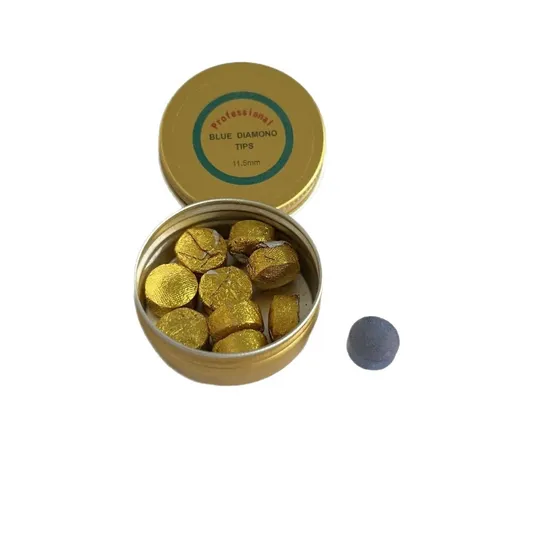
9mm-13mm Pool Cue Tips for Snooker and American Pool Billiard Cue Tip Factory Wholesale
9 and 13 mm diameter, high hardness.
See the specification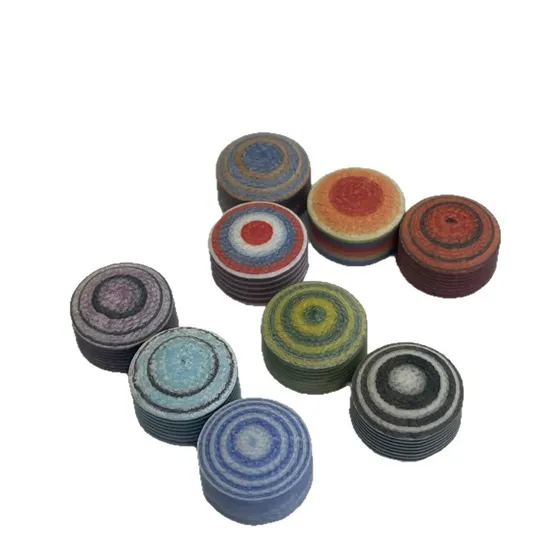
14mm Multi-Layer Rainbow Pool Cue Tip – Medium Hardness, High-Quality Billiard Cue for Chinese Eight Ball & American Pool Cue
14 mm diameter, multi-layer leather, high hardness.
See the specification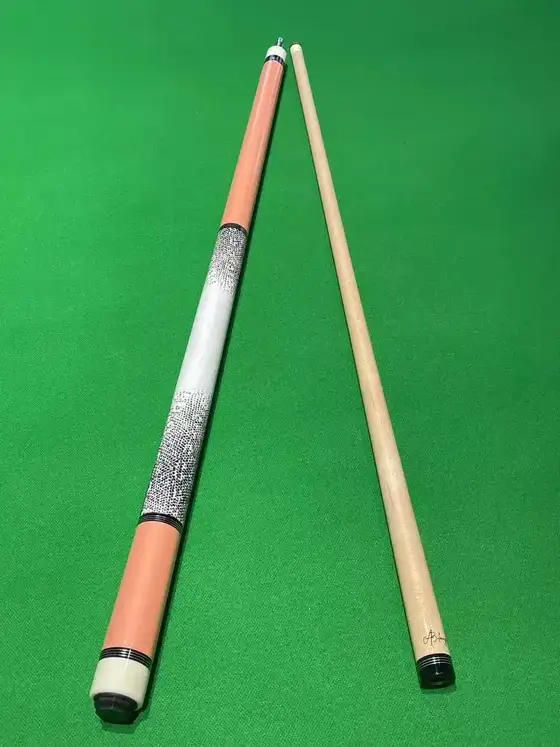
Factory direct sale 1/2 billiard cue 13mm large tip professional American pool cue
13 mm tip, 1/2 jointed, built for American pool play.
See the specification
Factory Direct Sale Chinese-style Carbon Billiard Cue, American Nine-Ball Small Tip, Medium Tip, Large Tip Integrated Cue Stick
Large tip, one-piece, carbon composite construction, built for American pool play.
See the specificationProduct Families Covered
Questions About This Guide
Can I fit a larger tip and shape it down?
Do multi-layer tips come in every diameter?
Does a bigger tip mean more power?
What diameter should a club standardise on?
Put This Into Practice
Send what you are buying for and a recommendation with the matching figures comes back by email.