
- Home
- Knowledge Center
- Oily And Dry Billiard Chalk, And What The Grade Codes Mean
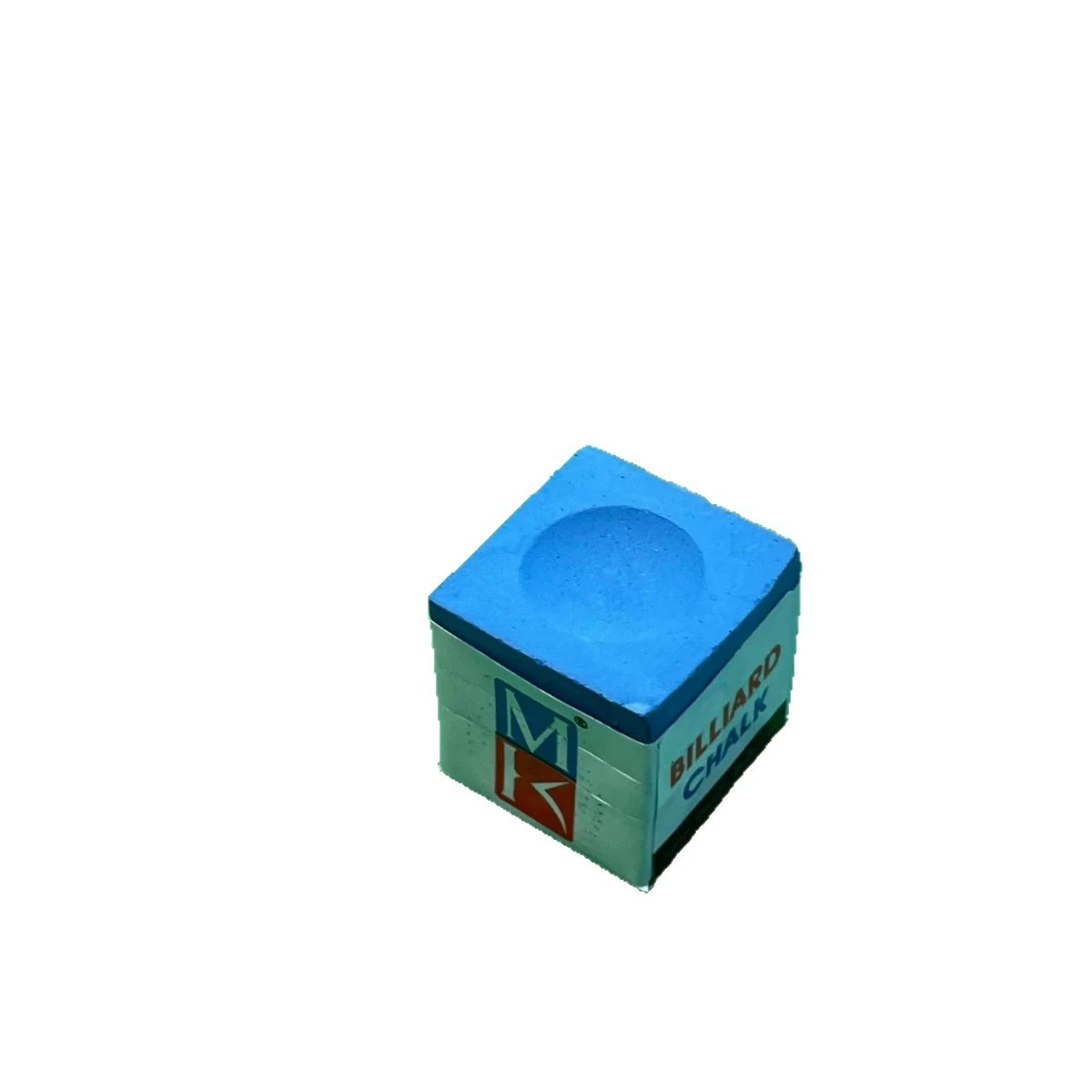
Oily And Dry Billiard Chalk, And What The Grade Codes Mean
Chalk is the cheapest item on the table and the first thing blamed for a miscue. The difference between an oil-based and a dry chalk is real, and so is the difference between the grades published here.
What chalk is actually doing
Cue chalk is not chalk. It is a fine abrasive that deposits a gritty layer on the tip so the leather can grip the ball when the cue strikes off centre. Without it, any shot with side slides off the ball. That is the whole job, and everything else about chalk is about how well the deposit holds and how long it stays there.
Oil-based chalk holds longer and marks more
Oil-based chalk, published throughout this range including the 18A PRO and 8A oily lines, is denser and leaves a heavier deposit. It holds through more shots before it needs reapplying, which matters in a busy room where players chalk less often than they should. It also transfers more onto the cloth and the balls, which is the trade rooms accept for the extra grip.
Dry chalk deposits lighter and cleaner
Dry chalk leaves a thinner, more abrasive layer. It is cleaner on the cloth and is often preferred where table maintenance is tight or where the room's air is already humid enough to make an oily deposit clump. The range publishes oily and dry as separate products rather than blending the description.
The grade codes: 8A, 18A, 22A and S10
These are the codes the source listings use to separate tiers within the range, and they are reproduced on the product pages exactly as published. They are ordering references, not certified hardness ratings, and no performance claim beyond what the listing states is attached to them here. What they are useful for is reordering the identical chalk a year later.
Shape is about holding it, not about performance
Square, round, hexagonal, butterfly and cross-pattern chalk all appear in this range. Shape affects how the chalk sits in a holder, how it is branded and how easily it is pocketed by players. Hexagonal and shaped chalks are also the usual choice for private label because the shape itself becomes recognisable.
Box quantity is the real buying decision
A pool hall and an e-commerce seller buy the same chalk in completely different packaging: single individually wrapped pieces for retail, 9-piece and 12-piece boxes for counters, 72-piece and 100-piece sets for rooms. Each product page publishes its own box quantity, so the order can be scaled to consumption instead of guessed.
Products Referenced In This Guide
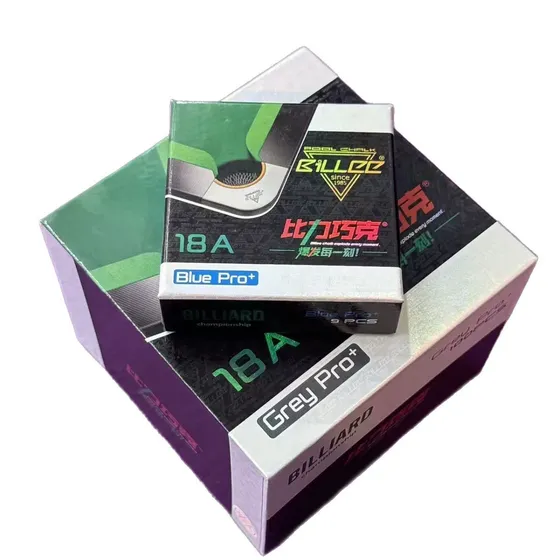
Factory Direct Bili 18A PRO Oil Based Billiard Cue Chalk 9pcs Box – Professional Pool Cue Tip Chalk for Snooker & Pool
Grade 18A, oil-based, packed 9 per box.
See the specification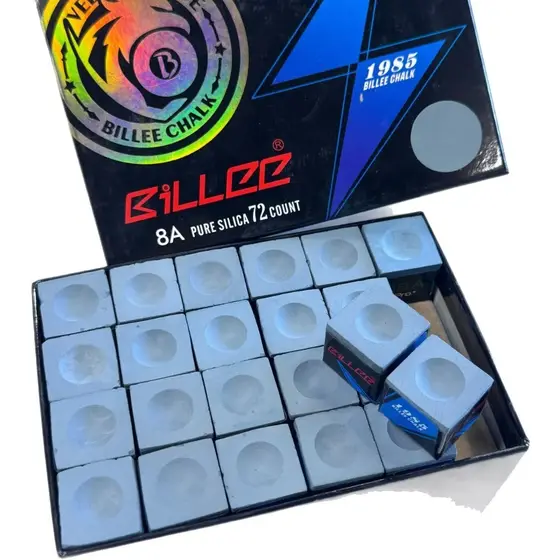
Factory Direct Bili 8A Pool Cue Chalk 72PCS Pack – 3 Colors Available Professional Billiard Chalk for Pool Hall Use
Grade 8A, packed 72 per box.
See the specification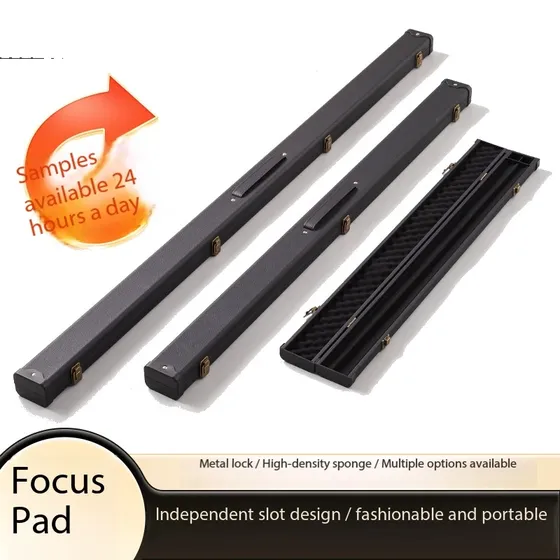
New billiard cue case with double slots, integrated through-cudgel, snooker cue with large head, 3/4 split design, plastic steel case, high-value appearance.
Plastic.
See the specification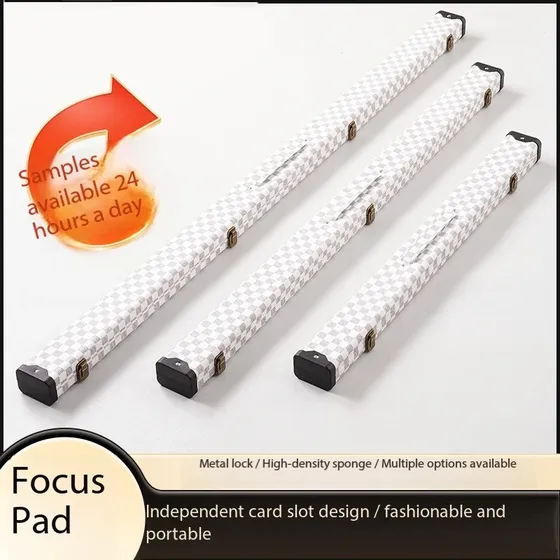
New billiard cue case with double slots, integrated through-cudgel, snooker cue with large head, 3/4 split design, plastic steel case, high-value appearance. (Listing 2)
Plastic.
See the specificationProduct Families Covered
Questions About This Guide
Does expensive chalk really reduce miscues?
Why does chalk stop working in a humid room?
Can chalk be made in our brand colours?
How should chalk be stored?
Put This Into Practice
Send what you are buying for and a recommendation with the matching figures comes back by email.