
- Home
- Knowledge Center
- Multi-Layer Or Single Leather Tips, And When Hardness Matters
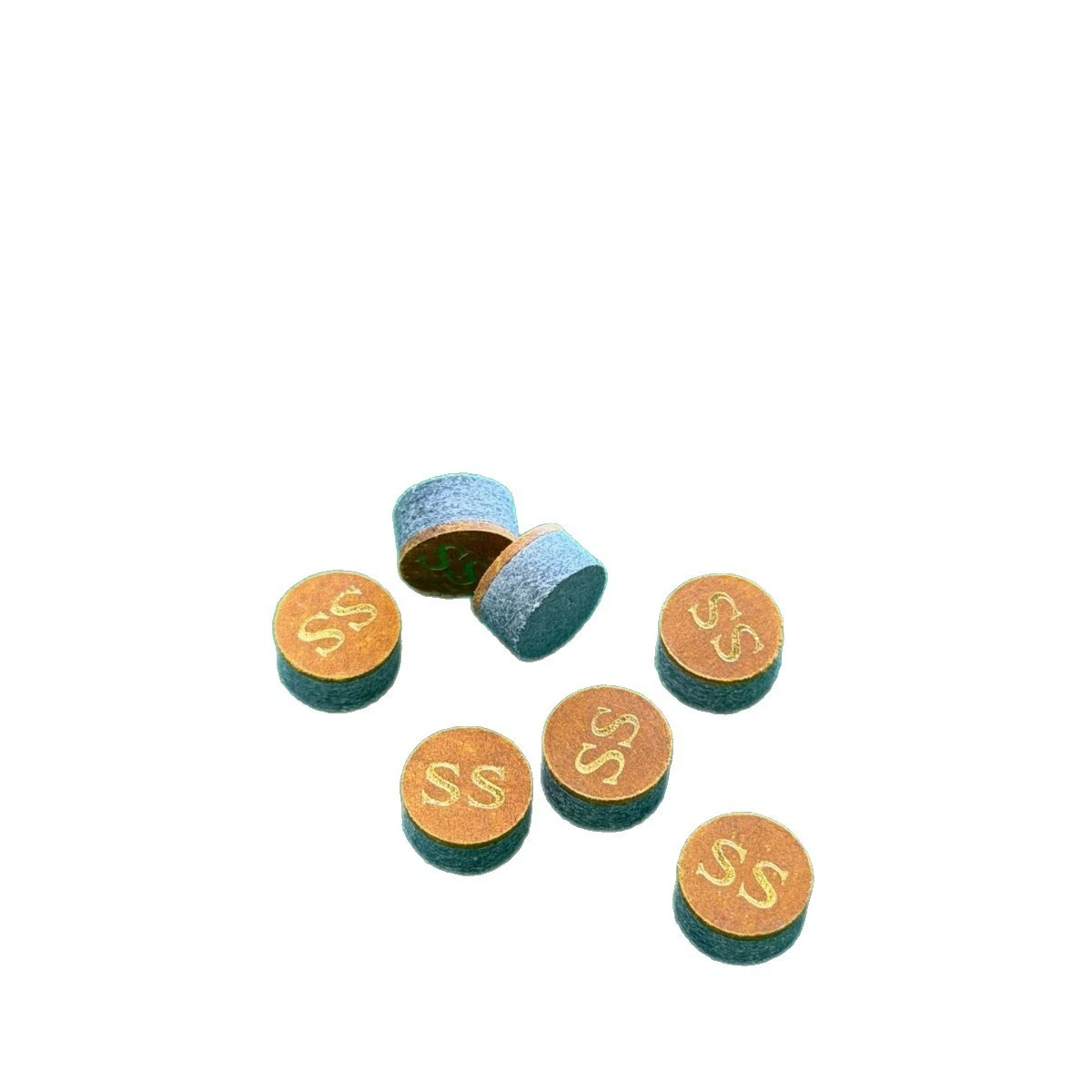
Multi-Layer Or Single Leather Tips, And When Hardness Matters
A tip is the only part of the cue that touches the ball. How it is built decides how often a room replaces it and how the cue feels on a firm stroke.
How a multi-layer tip is built
A multi-layer tip is made from leather laminations bonded into a stack. The layers resist compression, so the tip holds its domed shape longer under repeated impact instead of flattening and mushrooming. The multi-layer tips published in this range run from 10 mm to 14 mm, including the rainbow laminated tips where the layers are visibly coloured.
Why single leather still sells
A single leather tip is cheaper, fits faster and is entirely adequate where tips are replaced on a schedule rather than played until they fail. For a commercial room re-tipping a rack every season, the cost per re-tip matters more than the shape retention, and the 50-piece packs in this range are priced for that pattern of use.
What hardness actually changes
A softer tip compresses more on impact, holds chalk better and generates more spin at the cost of wearing faster. A harder tip lasts longer, transfers more energy and is less forgiving. The pages here publish medium and high hardness where the source listing states it and stay silent where it does not.
Break and jump tips are a separate question
Break tips are hard on purpose. A soft tip absorbs the energy that the break is supposed to deliver into the rack, and it deforms fast under that load. The three-section jump and break cues in this range publish 13.8 mm tips built for that job, and a playing tip is not a substitute.
Delamination is the failure mode to ask about
The specific way a poor multi-layer tip fails is that the laminations separate and the top layer peels. It is a bonding quality question rather than a design one, which is why a sample before a 50-piece order is worth the freight.
Buying so the room can reorder
Record three things: diameter, construction, hardness. Every tip page here publishes the diameter and the construction, and hardness where the source states it. Those three lines are what let a room order the identical tip again rather than the nearest photograph.
Products Referenced In This Guide
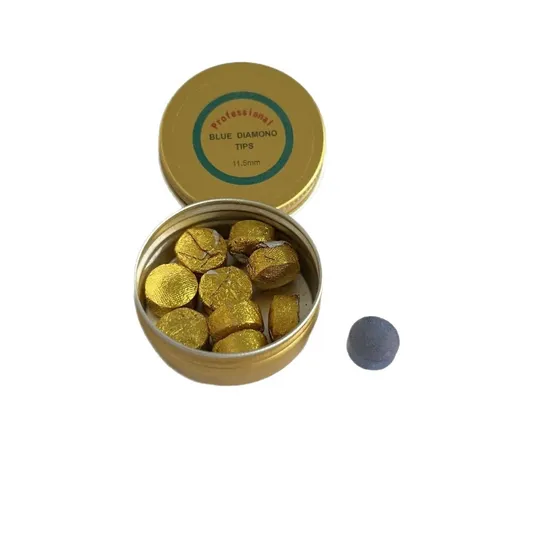
9mm-13mm Pool Cue Tips for Snooker and American Pool Billiard Cue Tip Factory Wholesale
9 and 13 mm diameter, high hardness.
See the specification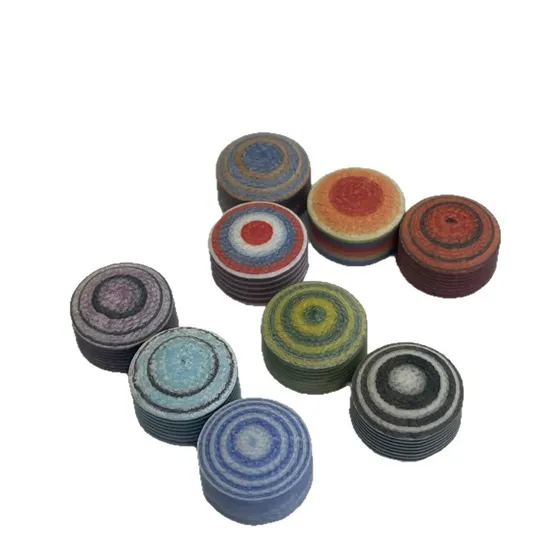
14mm Multi-Layer Rainbow Pool Cue Tip – Medium Hardness, High-Quality Billiard Cue for Chinese Eight Ball & American Pool Cue
14 mm diameter, multi-layer leather, high hardness.
See the specificationProduct Families Covered
Questions About This Guide
How often should house cue tips be replaced?
Can a multi-layer tip be shaped like a single one?
Are heat-stampable tips different in play?
What pack size suits a repair shop?
Put This Into Practice
Send what you are buying for and a recommendation with the matching figures comes back by email.