
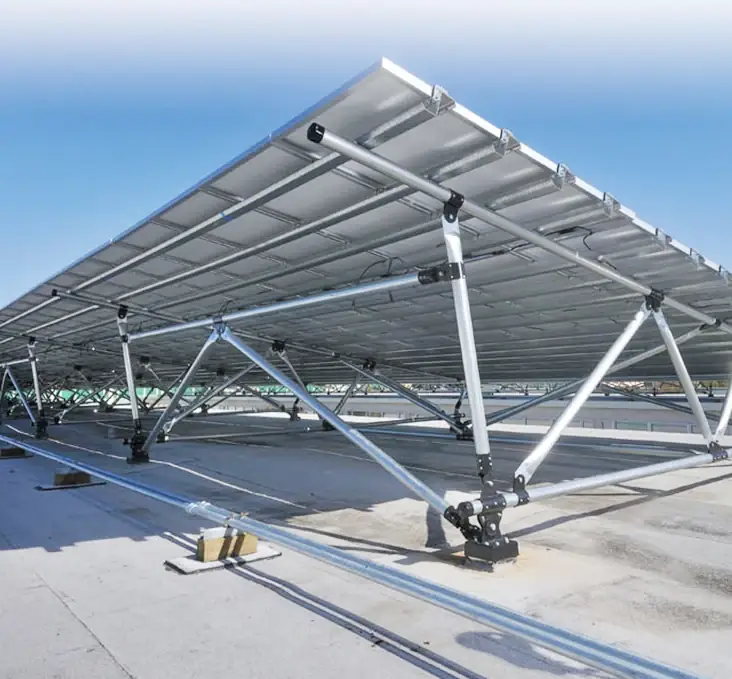
Mounting Structure
Solar racking and mounting structure in aluminium alloy, designed with flexibility for commercial and residential systems, suitable for framed and frameless modules flush to roof or ground.
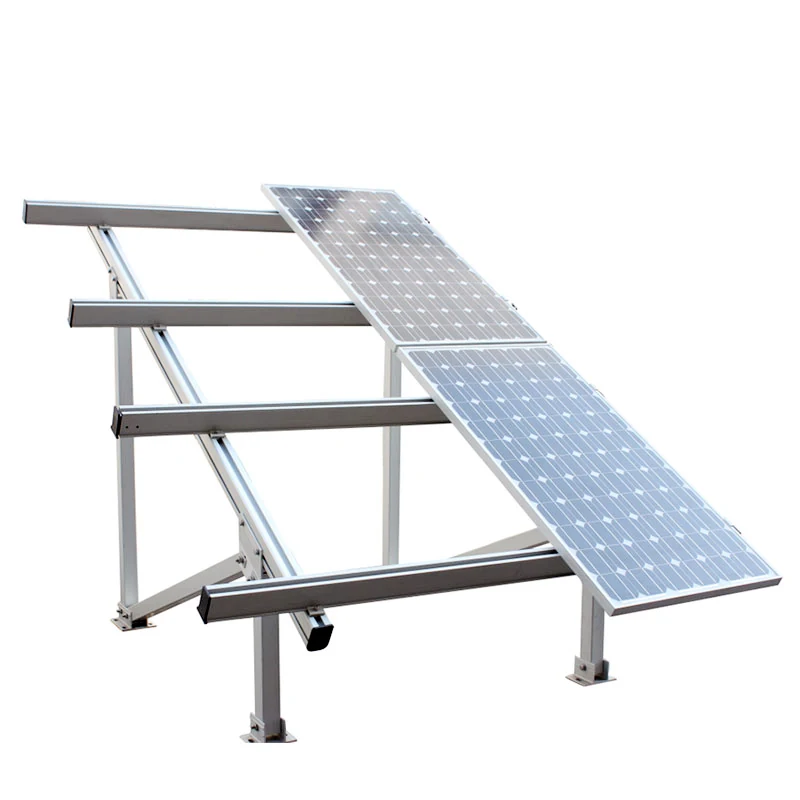
Product Overview
The TITAN X POWER mounting structure is a solar racking system designed with flexibility for both commercial and residential solar power generator systems. It is suitable for installing framed and frameless solar modules flushed to the roof and to the ground.
The structural material is aluminium alloy. Light and tough, the roof rack decreases pressure on the roof and makes the home solar system stable. With highly pre-assembled parts and customised solutions, the panel rack saves installation time and money - which on a crew billed by the day is where most of the saving on a small array actually comes from.
What This Product Fixes on Site
Roof load budget is tight
Aluminium alloy rather than heavy steel sections lowers the dead load the structure adds to the roof.
Install takes longer than quoted
High pre-assembly means fewer loose parts to sort, align and torque on the roof.
Stock kits do not fit the roof
Customised layouts are configured to the actual roof or plot instead of forcing the array into a fixed kit.
Frameless modules need special clamping
The system is designed for framed and frameless modules, so glass-glass laminates do not need a separate rack.
Why Buyers Specify This Product
Aluminium alloy build
Light and tough, chosen to reduce pressure on the roof structure.
Stable home systems
The rack is specified to keep the residential array stable once flush-mounted.
Highly pre-assembled
Parts arrive largely built up, cutting site assembly time.
Roof and ground
One family of parts covers roof-flush and ground-mount installs.
Framed and frameless
No separate rack needed for frameless laminates.
Customised solutions
Layout configured per project rather than per catalogue kit.
Where It Is Installed
Pitched tile and metal roofs
Flush-mounted residential rails, as used on the Lithuanian and Norwegian houses.
Flat commercial roofs
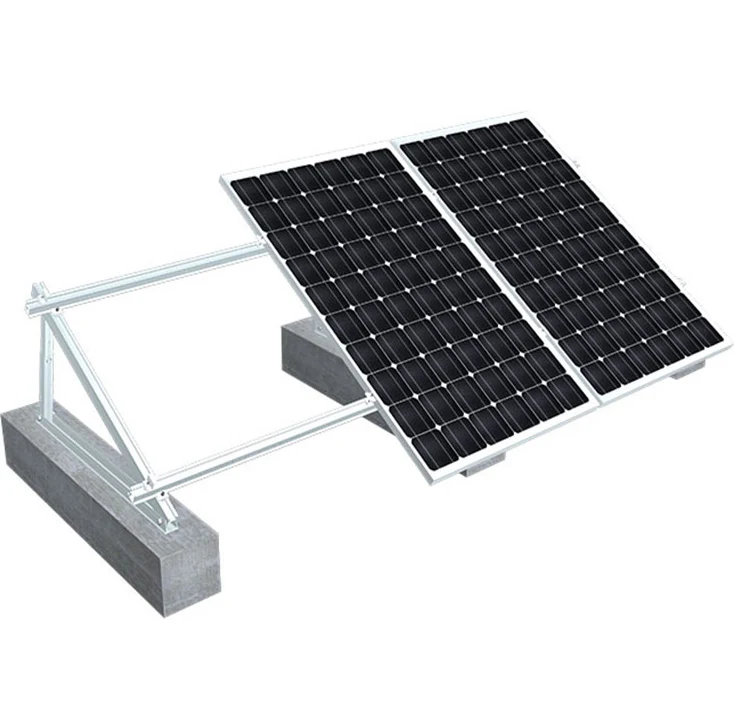
Ballasted or fixed tilt frames on warehouse and factory decks.
Ground-mount tables
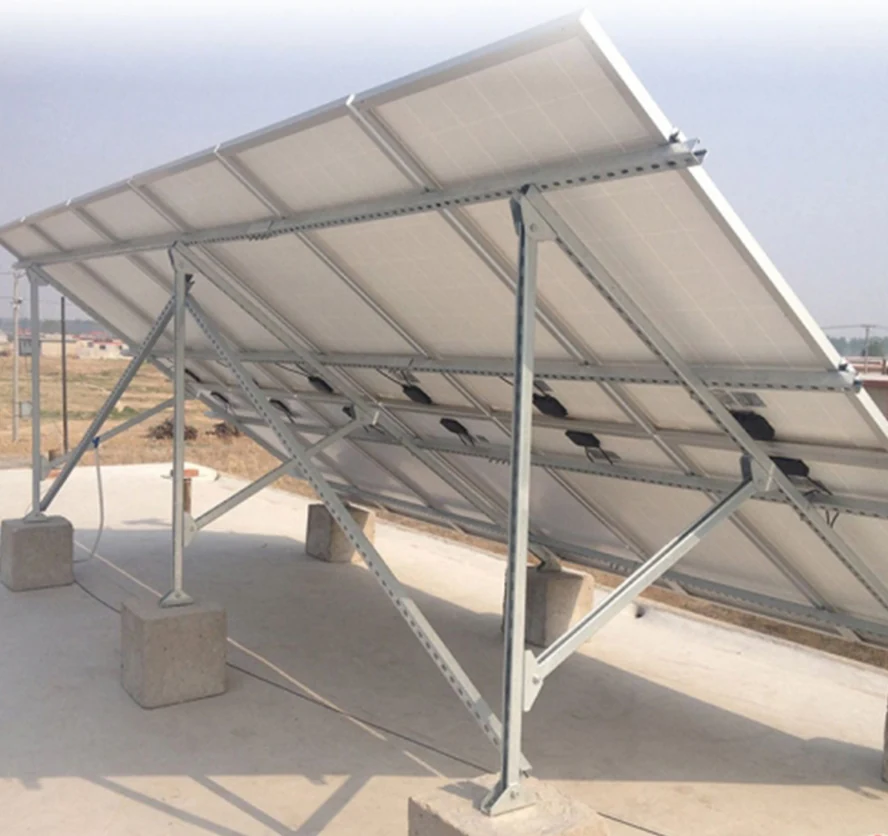
Tilted ground frames on concrete footings for plant-scale arrays.
Solar carports
Braced frames spanning parking bays with modules as the roof surface.
The Buyers This Product Was Designed Around
- Residential installers who need to get off a roof in one day
- Commercial customers with a limited roof load allowance
- Developers laying out ground-mount tables on leased land
- Integrators buying racking and modules from one supplier
How It Is Built
- Material — Aluminium alloy, specified as light and tough.
- Mounting positions — Flush to roof, and ground mount.
- Module compatibility — Framed and frameless solar modules.
- Assembly — High pre-assembly of parts before shipment.
- Configuration — Customised solutions per project.
- System scale — Commercial and residential solar power generator systems.
Full Mechanical Specification
Values below are as published for this product. Anything that was never published is marked TBC rather than estimated.
| Material | Aluminium alloy |
|---|---|
| Mounting Type | Roof flush mount and ground mount |
| Module Compatibility | Framed and frameless solar modules |
| Assembly | High pre-assembly, customised solutions |
| Application | Commercial and residential solar power generator systems |
| Tilt Angle | TBC - set per site |
| Wind Load Rating | TBC - confirm per site and layout |
| Snow Load Rating | TBC - confirm per site and layout |
| Surface Finish | TBC |
| Fastener Material | TBC |
| Warranty | TBC - confirm in writing at order |
What It Is Made Of
Aluminium alloy rails, brackets and clamps, selected for light weight and toughness. Fastener and finish specifications are confirmed per project and are marked TBC here because the original documentation did not state them.
CertificationsCertification Status
TBC. No certification was published for the mounting structure, so none is claimed. Send the project location and roof type by email and we will confirm what structural documentation can be supplied for that configuration.
What Can Be Changed
- Tilt angle set for the site latitude and roof pitch
- Rail length and span for the module model being used
- Roof interface - tile hook, metal roof clamp, or ground footing
- Ballasted or mechanically fixed flat roof layouts
- Framed or frameless module clamping
From Cell to Crate
Site input
Roof type or ground conditions, module model and array layout are collected.
Layout design
Rail runs, clamp positions and tilt are configured to the actual site.
Component production
Aluminium alloy sections are produced and cut to the layout.
Pre-assembly
Parts are assembled as far as shipping allows to cut site labour.
Packing
Components are bundled by array section so the crew unpacks in build order.
Installation support
Layout drawings ship with the racking for the installing crew.
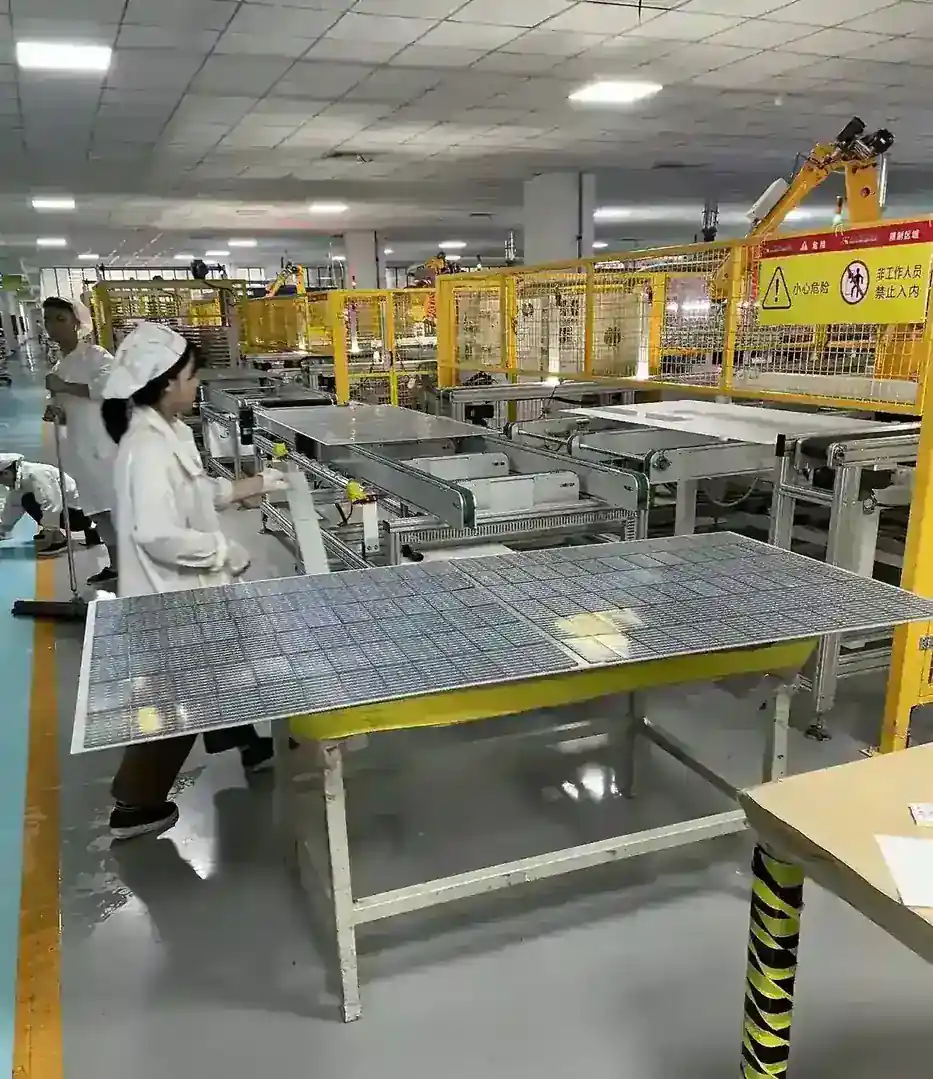
What Is Checked Before Packing
- Aluminium sections checked for straightness and finish before assembly
- Pre-assembled subframes checked for fit against the layout drawing
- Clamp and bracket counts verified against the array section they ship with
- Bundles labelled by array section to prevent mis-picks on site
How It Compares With the Rest of the Range
| Aluminium alloy racking | Heavy steel racking | No racking - direct fix | |
|---|---|---|---|
| Roof dead load | Low | High | Lowest |
| Corrosion behaviour | Aluminium alloy | Depends on galvanising | n/a |
| Site assembly time | Reduced by pre-assembly | Longer, more loose parts | n/a |
| Frameless modules | Supported | Usually needs adapters | Not supported |
| Ground mount | Supported | Supported | Not applicable |
| Best fit | Roof and ground PV arrays | Very high load sites | Not recommended for PV |
Getting It Right on Site
Confirm the roof structure first
Aluminium reduces dead load but does not remove the need to check that the roof can carry the array.
Set out from the layout drawing
The racking is configured per project. Build from the drawing rather than eyeballing rail spacing.
Unpack by array section
Bundles are labelled by section. Opening everything at once is how parts go missing on a roof.
Check clamp type against the module
Framed and frameless modules use different clamping. Verify before the first row goes down.
Torque to the supplied values
Under-torqued clamps are the most common cause of modules moving in wind.
Also in the Range
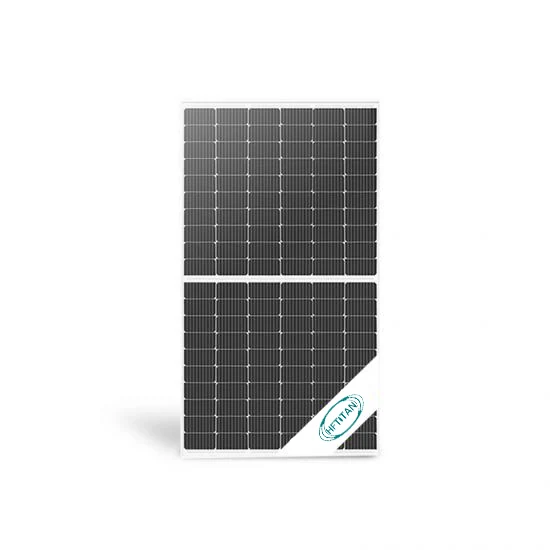
TTM Solar Panel 530-550W
A 182 mm monocrystalline half-cell module in a 144 (6x24) layout, 2279 x 1134 x 35 mm, 32.2 kg, with 2.0 mm AR-coated front glass and a...
View Specification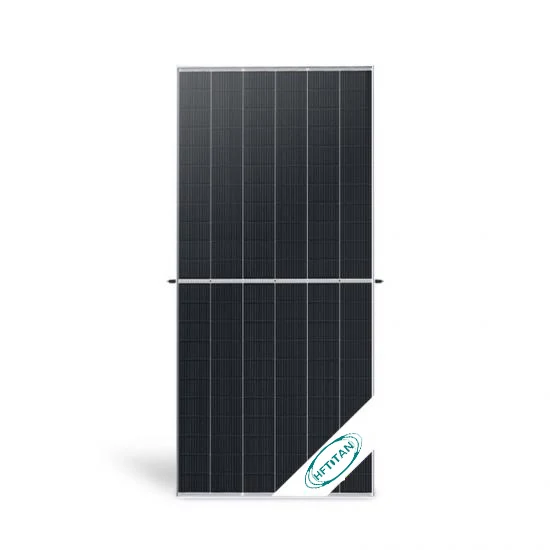
TTM Solar Panel 585-605W
A 210 mm monocrystalline half-cell module in a 120 (6x20) layout, 2172 x 1303 x 35 mm, 31.6 kg, with 3.2 mm AR-coated front glass and a...
View SpecificationProjects Using This Product
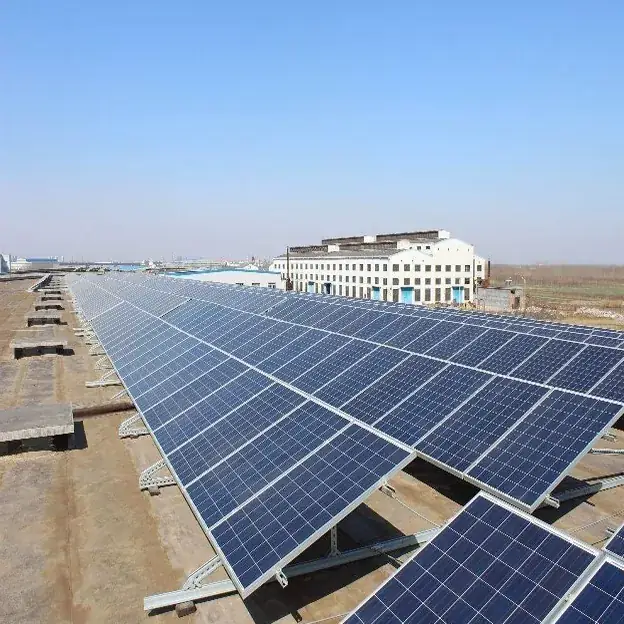
300 kW Industrial Site Array in China
A flat deck gives no natural tilt, so the racking has to create the angle and carry the resulting wind load, and the rows have to ...
Read the Case Study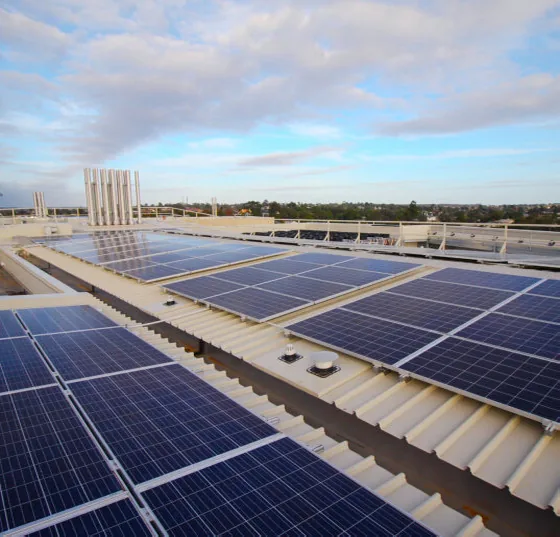
300 kW Commercial Roof Array in Australia
Australian sun is unforgiving on modules and on the crew installing them, and a stepped roof with plant on it means the array is b...
Read the Case StudyGuides Worth Reading First
Rooftop vs Ground Mount Solar Which One Fits Your Project
Roof or ground changes your module choice, your racking, your labour cost and your parts count. Here is how to make the call.
Read the GuideSolar Racking Material Guide Aluminium Alloy vs Steel
Why racking material decides your roof load, your install days and whether frameless modules need a separate system.
Read the GuideMounting Structure FAQ
Is the racking aluminium or steel
Aluminium alloy. It is specified as light and tough so it decreases pressure on the roof and keeps the array stable.
Can it be used on the ground as well as a roof
Yes. The system is suitable for installing modules flushed to the roof and to the ground.
Does it support frameless modules
Yes, framed and frameless solar modules are both supported.
How much install time does pre-assembly actually save
We do not publish an hours figure because the original documentation did not state one. What is specified is that parts arrive highly pre-assembled so there is less to build on site.
Can you design the layout for my roof
Yes. Customised solutions are part of the product. Send roof dimensions, pitch, obstruction positions and the module model by email.
Do you provide wind and snow load calculations
Load ratings are confirmed per site and layout and are marked TBC here. Send the site location and we will tell you what we can document.
Get a Price for the Mounting Structure
Email the quantity, the power bin and your destination port. We reply with availability, the carton count and the container plan.