
Rooftop vs Ground Mount Solar Which One Fits Your Project
Roof or ground changes your module choice, your racking, your labour cost and your parts count. Here is how to make the call.
The Decision Is About Cost Structure Not Preference
You are probably used to seeing rooftop solar panels. Ground-mounted panels are the other option when you need more space, or when you do not want to cut into the roof. The reason the choice matters is that the two options have completely different cost structures, and that drives which module you should buy.
On a Roof You Pay for Access and Area
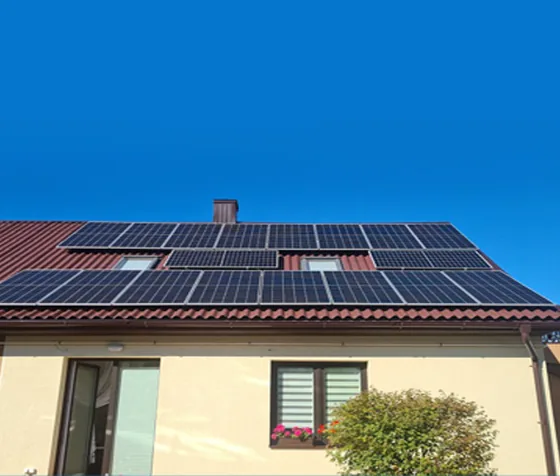
Roof work means scaffolding, ladders, roof protection and a crew working at height around whatever else is already on the roof. Area is fixed and usually broken up by vents, chimneys, plant and setback rules. That pushes you toward a module that lays out well on a fragmented plane - our TTM 530-550 W at 1134 mm wide is built for exactly that - and toward racking light enough not to become a structural question. Aluminium alloy racking decreases the pressure on the roof compared with heavier steel.
On the Ground You Pay per Row
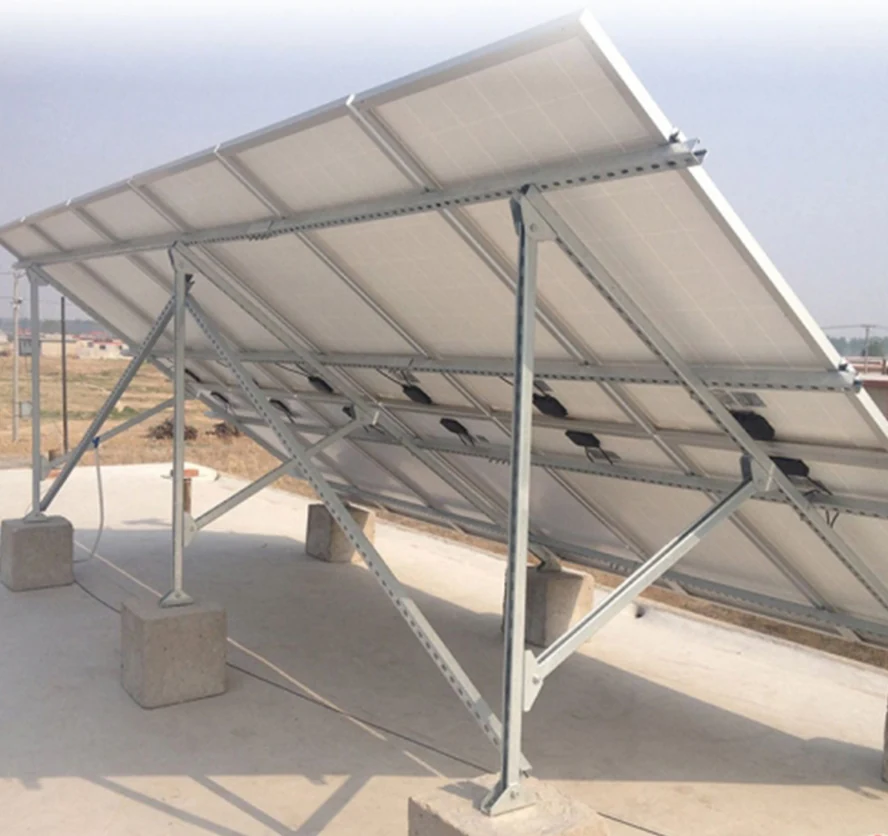
On land, area is rarely the constraint. What costs you is steel, footings, clamps and the crew time to build each row. That flips the module logic: you want fewer, higher-power modules per row, because each module you remove is a set of clamps and a pair of connectors you do not have to install or commission. This is why the TTM 585-605 W on 210 mm cells belongs on ground-mount tables.
Exposure Changes the Specification
A ground array has no building sheltering it. That is why the 585-605 W module uses 3.2 mm AR-coated semi-tempered front glass rather than the 2.0 mm sheet on the rooftop-oriented platform. Both use IP68 junction boxes, which matters as much on a monsoon rooftop as on an open plot.
Terrain Is Not Always Flat
Hillside and terraced sites cannot use one repeated table. Racking has to be configured per terrace, with tilt set for each row. That is a design input, not an afterthought - send the terrain profile with your enquiry rather than after the quote.
A Short Checklist
Is your area fixed and fragmented? Roof, narrower module, light racking. Is your area generous but your parts and labour budget tight? Ground, higher-power module, configured tables. Is the roof structurally marginal? Ground, and stop worrying about load allowance.
Need this applied to your project? Email [email protected] with the roof plan or plot layout and the capacity you are targeting.
Products This Guide Refers To
TTM Solar Panel 585-605W
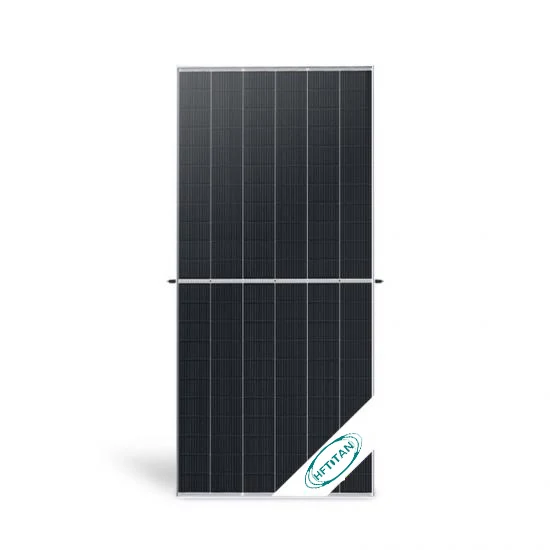
A 210 mm monocrystalline half-cell module in a 120 (6x20) layout, 2172 x 1303 x 35 mm, 31.6 kg, with 3.2 mm AR-coated front glass and a...
View Specification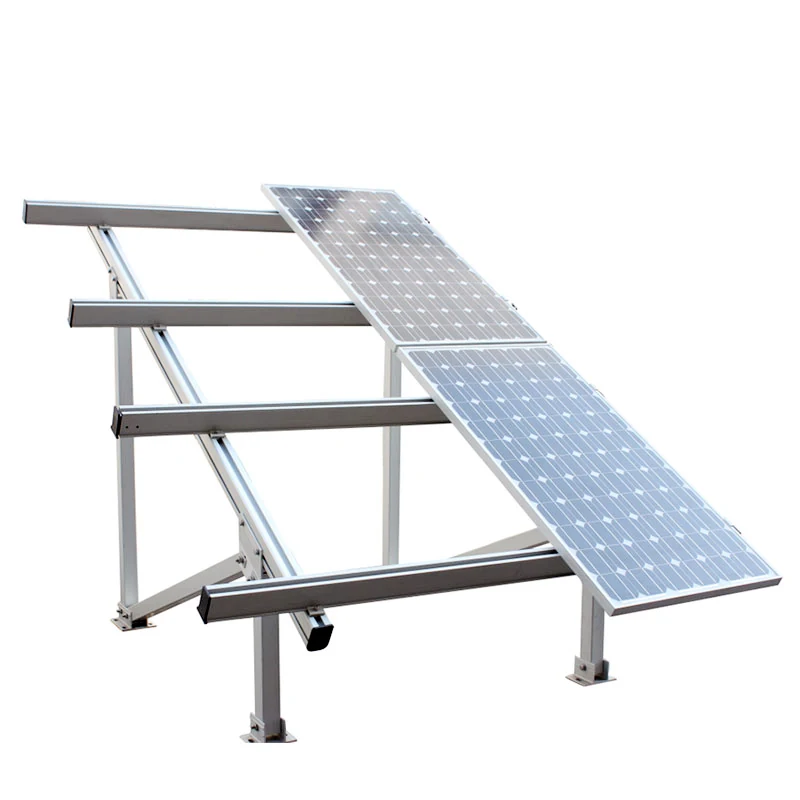
Mounting Structure
Solar racking and mounting structure in aluminium alloy, designed with flexibility for commercial and residential systems, suitable for...
View SpecificationRelated Guides
Solar Racking Material Guide Aluminium Alloy vs Steel
Why racking material decides your roof load, your install days and whether frameless modules need a separate system.
Read the Guide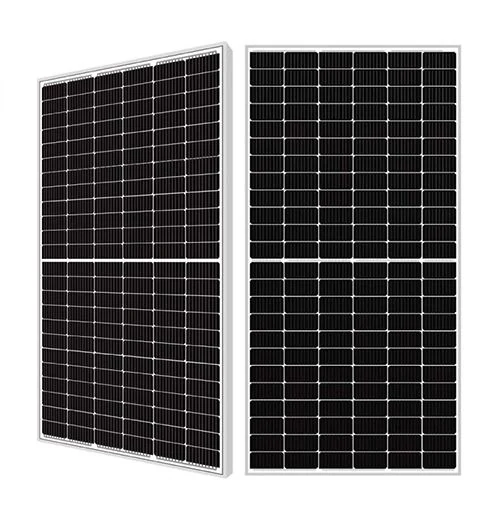
Monocrystalline vs Multicrystalline vs Thin Film Solar Panels
The three panel technologies you will be quoted, what each one costs you in area and budget, and which one belongs on your project.
Read the GuideQuestions About This Guide
Which TITAN X POWER product does this apply to
TTM Solar Panel 585-605W; Mounting Structure.
Can you advise on my specific site
Yes. Email the roof plan or plot layout with the capacity you are targeting and we will apply this to your project.
Where do these figures come from
From the published TITAN X POWER product documentation. Anything that was never published is marked TBC rather than estimated.
Put This Into Practice
Send us your site details and we will apply the guidance above to your actual project.