
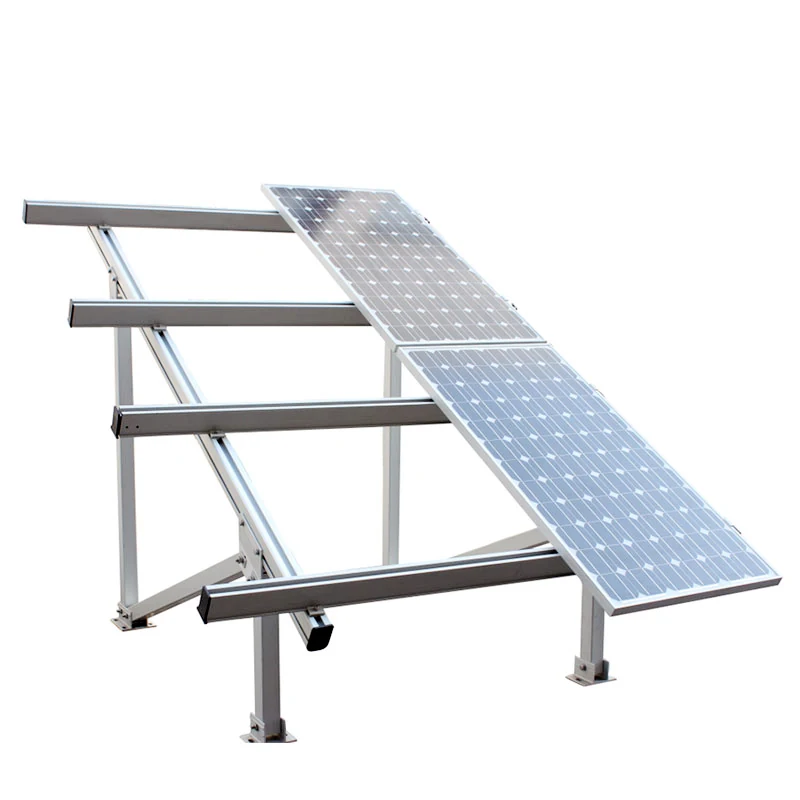
Solar Racking Material Guide Aluminium Alloy vs Steel
Why racking material decides your roof load, your install days and whether frameless modules need a separate system.
Racking Is Where Solar Projects Lose Their Margin
Modules get all the attention, but the racking decides how long the crew is on the roof and how much dead load the building has to carry. Both of those cost money, and neither appears on a module datasheet.
Aluminium Alloy
The TITAN X POWER mounting structure uses aluminium alloy, chosen for being light and tough. The practical consequence is that the roof rack decreases pressure on the roof, which keeps a home solar system stable without turning the array into a structural engineering question. On a commercial roof with a documented load allowance, that headroom is often what makes the project possible at all.
Heavy Steel
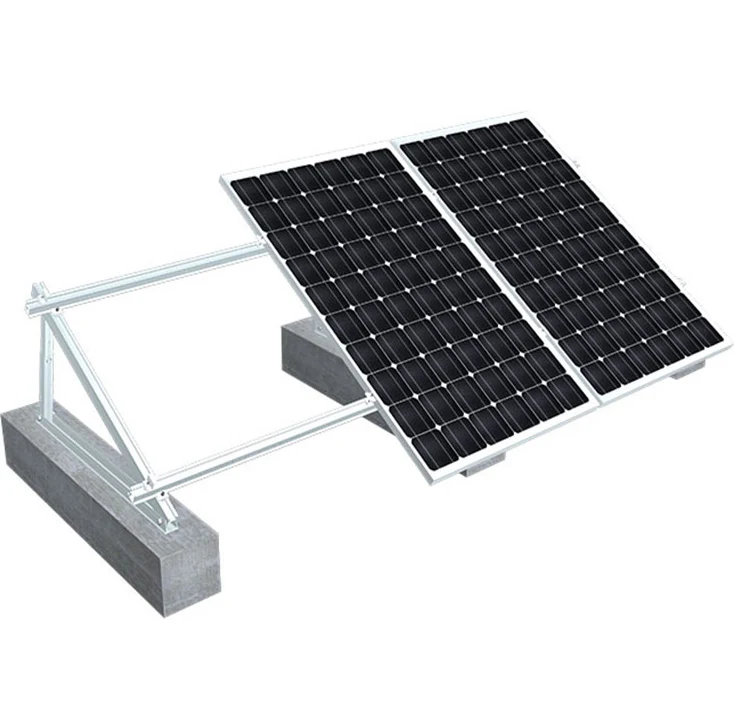
Steel sections are stiffer and suit very high load sites, but they add weight the building has to carry and they usually arrive as more loose parts. On a roof with a tight load budget, that weight is the reason the array has to be shrunk.
Pre-Assembly Matters More Than Material
The single biggest lever on install cost is how much of the rack is already built when it reaches site. Highly pre-assembled parts mean fewer components to sort, align and torque at height. Our racking ships with high pre-assembly and is bundled by array section so the crew unpacks in build order rather than sorting a pile of parts on a roof.
Framed and Frameless Modules
Frameless glass-glass laminates need different clamping from framed modules. A system designed for both - as ours is - means you do not buy a separate rack when the module specification changes. Check this before you standardise on a racking system, because retrofitting clamps across an installed fleet is painful.
Roof and Ground from One Family
The same system is designed for installing modules flush to the roof and to the ground. For a contractor doing both kinds of project, one parts family means one set of training and one spares inventory.
What Still Has to Be Confirmed per Site
Tilt angle, wind load and snow load ratings are set per site and per layout. We mark those TBC rather than publishing a generic figure, because a rating that is not tied to your actual roof and location is not useful to your structural engineer.
Need this applied to your project? Email [email protected] with the roof plan or plot layout and the capacity you are targeting.
Related Guides
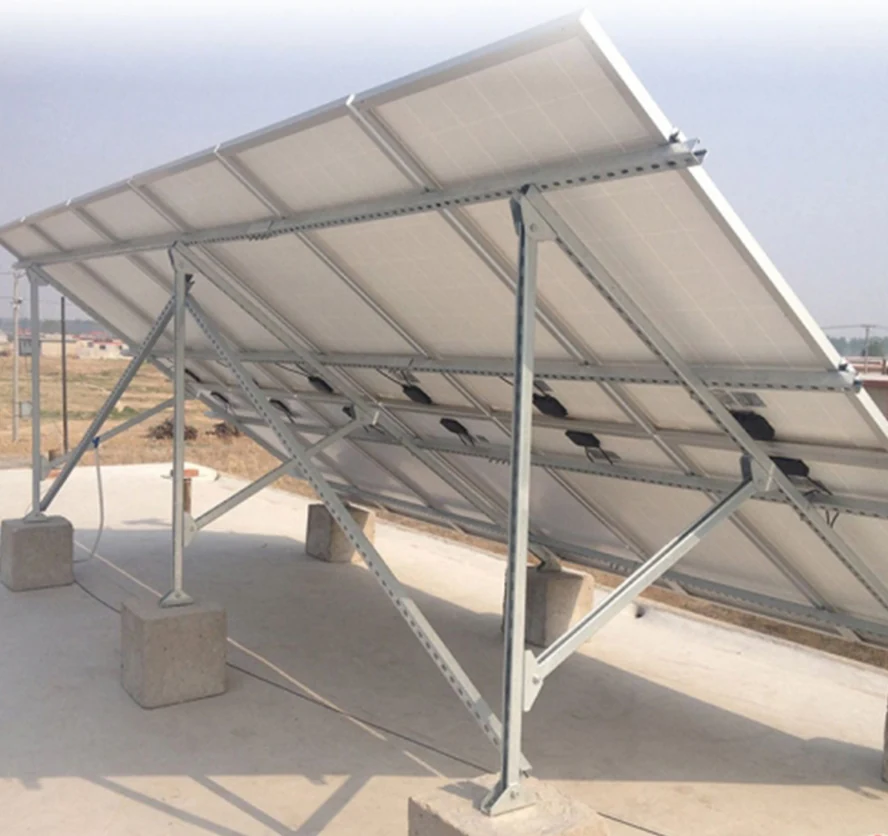
Rooftop vs Ground Mount Solar Which One Fits Your Project
Roof or ground changes your module choice, your racking, your labour cost and your parts count. Here is how to make the call.
Read the Guide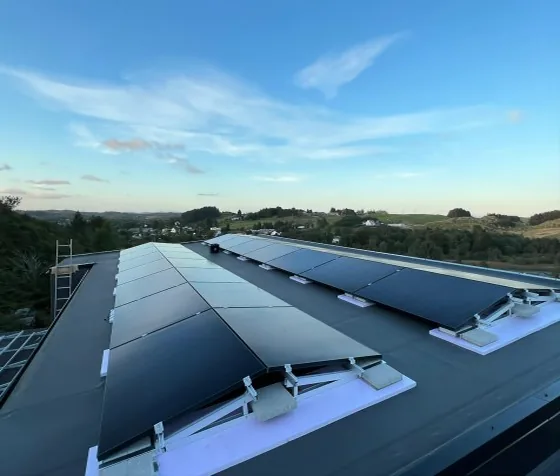
Sizing a Residential Solar Array on a Real Roof
How to get from a roof plan to a module count without discovering on install day that three rows do not fit.
Read the GuideQuestions About This Guide
Which TITAN X POWER product does this apply to
Mounting Structure.
Can you advise on my specific site
Yes. Email the roof plan or plot layout with the capacity you are targeting and we will apply this to your project.
Where do these figures come from
From the published TITAN X POWER product documentation. Anything that was never published is marked TBC rather than estimated.
Put This Into Practice
Send us your site details and we will apply the guidance above to your actual project.