
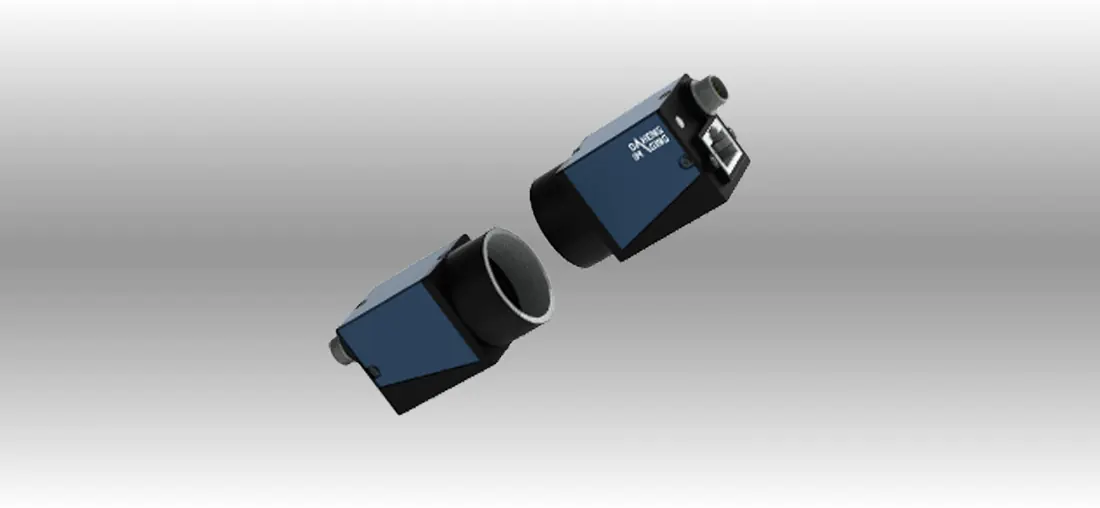
GigE camera
With the MERCURY series, you can choose the most popular data interfaces in the vision market: the popular Gigabit Ethernet interface with 100-meter cable length, the new USB 3.0 interface with plug and play capability, and the USB2.0 interface with plug and play capability. All DAHENG IMAGING’s MERCURY cameras come with an option to provide camera power and data via a single cable. They also offer separate input/output ports for triggering or flash control. The MERCURY family comes with a long list of firmware features.
MER-Gx
- Range
- Area Scan Cameras
- Supplier
- SBS Vision Solution, Dongguan China
- Custom design
- Available, typically two weeks
- Catalogue
- On request
Where It Is Used
Explore Applications By Industry
No separate application list is published for this series. The industry pages below collect the inspection tasks the wider area scan cameras range is specified for.
Technical Data
Specifications Models And Dimensions
Parameter tables, model descriptions and dimension drawings exactly as published in the series catalogue. Tables scroll sideways on narrow screens.
- Ultra small,light and robust
- Compact and durable
- 1 input and 1 output with opto-isolated, 2 programmable GPIOs
- Support Gigabit Ethernet,USB3.0,USB2.0
- A wide range of models available,support various CCD and CMOS sensors
- Meet CE, RoHS and FCC (except MER-Ux Series) standards
- Support GigEVision, USB3Vision, GenlCam and third-party software like HALCON, MERLIC and LabVIEW
| Model | Interface | Resolution (H×V) | Frame Rate | Sensor | Pixel Size | Pixel Bit Depth | Mono/Color |
|---|---|---|---|---|---|---|---|
| MER-030-120GC | GigE | 656×492 | 120 fps | 1/4″ Sony ICX618 global shutter CCD | 5.6μm × 5.6μm | 8/12bits | Color |
| MER-031-300GM/C | GigE | 640×480 | 300 fps | 1/4″ ON PYTHON300 global shutter CMOS | 4.8μm × 4.8μm | 8/10bits | Mono/Color |
| MER-032-120GM/C | GigE | 656×492 | 120 fps | 1/3″ SharpRJ33B global shutter CCD | 7.4μm × 7.4μm | 8/12bits | Mono/Color |
| MER-041-302GM/C | GigE | 720×540 | 302 fps | 1/2.9″ Sony IMX287 global shutter CMOS | 6.9μm × 6.9μm | 8/12bits | Mono/Color |
| MER-050-200GC | GigE | 800×600 | 200 fps | 1/3.6″ ON PYTHON500 global shutter CMOS | 4.8μm × 4.8μm | 8/10bits | Color |
| MER-051-120GM/C | GigE | 808 × 608 | 120 fps | 1/3.6″ ON PYTHON480 global shutter CMOS | 4.8μm × 4.8μm | 8/10bits | Mono/Color |
| MER-125-30GM/C | GigE | 1292×964 | 30 fps | 1/3″ Sony ICX445 global shutter CCD | 3.75μm × 3.75μm | 8/12bits | Mono/Color |
| MER-131-75GM/C | GigE | 1280×1024 | 75 fps | 1/2″ ON PYTHON1300 global shutter CMOS | 4.8μm × 4.8μm | 8/10bits | Mono/Color |
| MER-132-30GM/C | GigE | 1292×964 | 30 fps | 1/3″ Sharp RJ33J global shutter CCD | 3.75μm × 3.75μm | 8/12bits | Mono/Color |
| MER-132-43GM/C | GigE | 1292×964 | 43 fps | 1/3″ SharpRJ33J global shutter CCD | 3.75μm × 3.75μm | 8/12bits | Mono/Color |
| MER-133-54GM/C | GigE | 1280 × 960 | 54 fps | 1/3″ ON AR0135 global shutter CMOS | 3.75μm × 3.75μm | 8/10bits | Mono/Color |
| MER-200-14GM | GigE | 1628×1236 | 14 fps | 1/1.8″ Sony ICX274 global shutter CCD | 4.4μm × 4.4μm | 8/12bits | Mono |
| MER-200-20GM | GigE | 1628×1236 | 20 fps | 1/1.8″ Sony ICX274 global shutter CCD | 4.4μm × 4.4μm | 8/12bits | Mono |
| MER-201-25GM/C | GigE | 1628×1236 | 25 fps | 1/1.8″ Sharp RJ31N global shutter CCD | 4.4μm × 4.4μm | 8/12bits | Mono/Color |
| MER-231-41GM/C | GigE | 1920×1200 | 41 fps | 1/1.2″ Sony IMX249 global shutter CMOS | 5.86μm × 5.86μm | 8/10bits | Mono/Color |
| MER-500-14GM/C | GigE | 2592×1944 | 14 fps | 1/2.5″ ON MT9P031/MT9P006 rolling shutter CMOS | 2.2μm × 2.2μm | 8/10bits | Mono/Color |
| MER-630-16GM/C | GigE | 3088 × 2064 | 16 fps | 1/1.8″ Sony IMX178 rolling shutter CMOS | 2.4μm × 2.4μm | 8/12bits | Mono/Color |
| MER-1070-10GM/C | GigE | 3840×2748 | 10 fps | 1/2.3″ ONMT9J003 rolling shutter CMOS | 1.67μm × 1.67μm | 8/12bits | Mono/Color |
| MER-1220-9GM/C | GigE | 4024 ×3036 | 9 fps | 1/1.7″ Sony IMX226 rolling shutter CMOS | 1.85μm × 1.85μm | 8/12bits | Mono/Color |
| MER-1520-7GC | GigE | 4608×3288 | 7 fps | 1/2.3″ONMT9F002 rolling shutter CMOS | 1.4μm × 1.4μm | 8/12bits | Color |
| MER-2000-5GM/C | GigE | 5496 × 3672 | 5 fps | 1″ Sony IMX183 rolling shutter CMOS | 2.4μm × 2.4μm | 8/12bits | Mono/Color |
| Mechanical Specification | Electrical Specifications |
|---|---|
| Weight 60g Dimensions 29mm × 29mm × 29mm | Power requirement 12 VDC (8-PIN connector) I/Os Opto-isolated 1 input/1 output, 2 GPIOs Data interface RJ45 with locked Power consumption <3W@12VDC (MER-500-14GM/C MER-630-16GM//C MER-1220-9GM/C MER-2000-5GM/C:<2W@12VDC) |
| Environmental Specifications | Optical Specifications |
| Operating temp 0°C ~ +45°C Operating humidity 10% ~ 80% Storage temp -20°C ~ +70°C | Lens mount C / CS –Mount |
Comparison
How It Sits Against The Rest Of The Range
Other area scan cameras in the SBS Vision catalogue, with the lead characteristic published for each one.
| Product | Published lead characteristic |
|---|---|
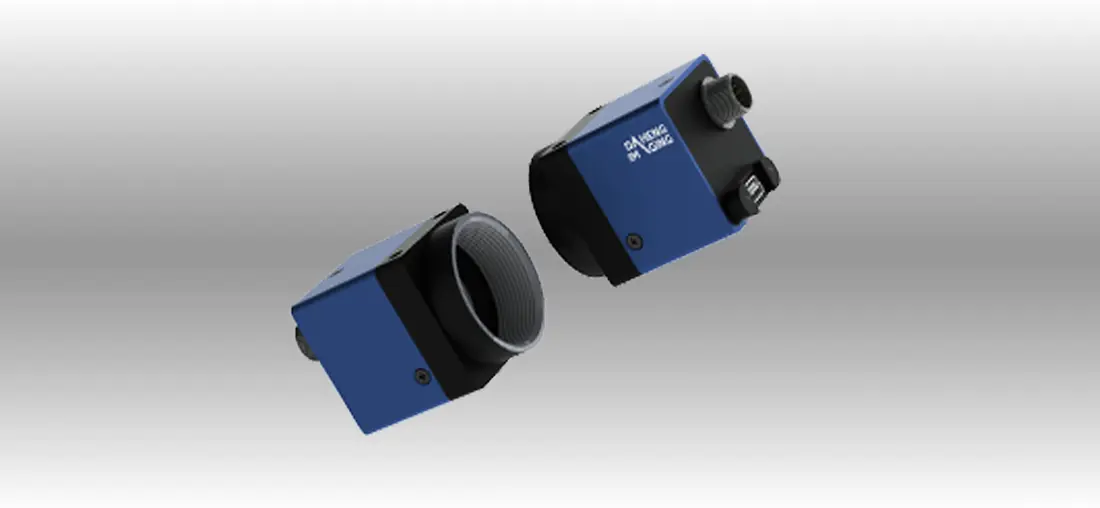
| GigE PoE camera | With the MERCURY series, you can choose the most popular data interfaces in the vision market: the popular Gigabit Ethernet interface with 100-meter c |
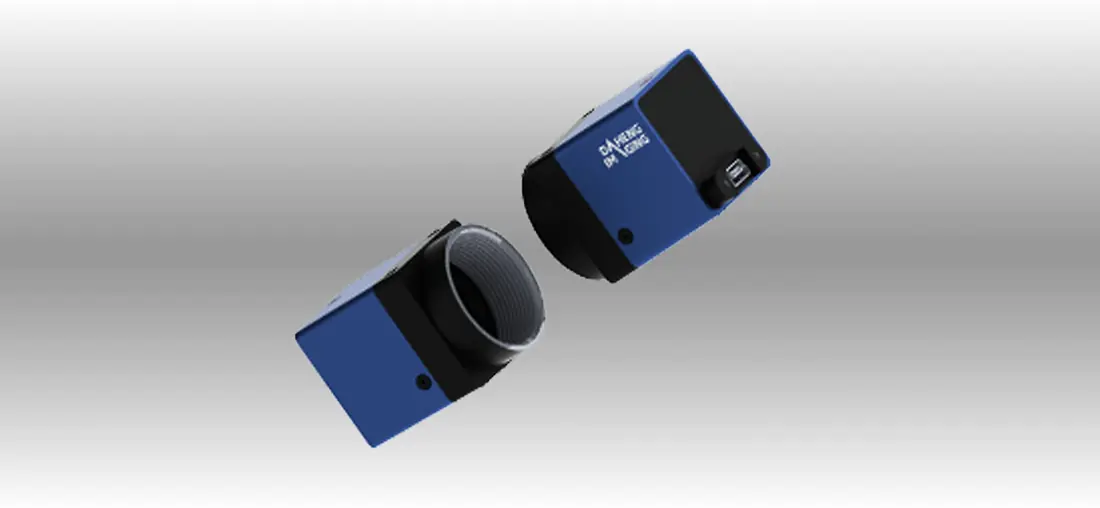
| USB 3.0 Camera | With the MERCURY series, you can choose the most popular data interfaces in the vision market: the popular Gigabit Ethernet interface with 100-meter c |
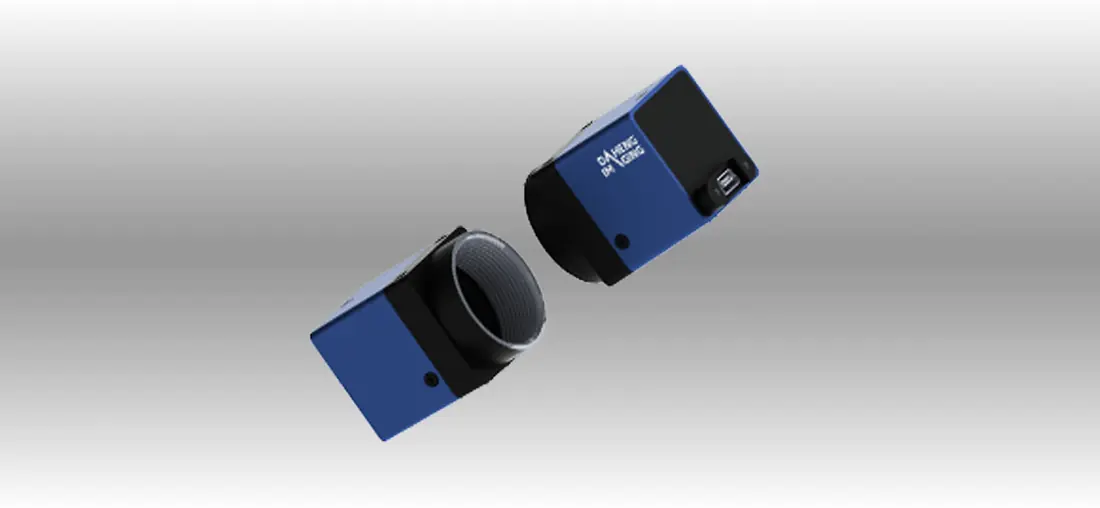
| USB3.0 Camera New | With the MERCURY series, you can choose the most popular data interfaces in the vision market: the popular Gigabit Ethernet interface with 100-meter c |
Customization Options
When The Catalogue Part Is Not The Right Part
Model selection is made against sensor size, resolution, frame rate and interface. Mono and colour variants are listed per model in the parameter table.
More than 20 experienced customized design engineers work on lighting and optics design. Most customised products can be provided within two weeks, and for urgent demand this can be shortened to around five days.
Drawings and CAD files are handled over WhatsApp or email rather than an upload form. CAD on request via WhatsApp.
Use Guide
Specifying It Correctly
Define The Feature
Write down the smallest feature that has to be detected and the tolerance on it. That number sets the sensor resolution and the lens, before anything else is chosen.
Fix The Field Of View
Measure the largest part plus the mechanical tolerance on part position. Field of view and working distance together decide the focal length.
Choose The Lighting Geometry
Match the light to the surface: diffuse for curved or shiny parts, low angle for scratches and edges, back lighting for outline and dimension, coaxial for flat specular surfaces.
Match The Controller And Trigger
Confirm the recommended controller for the light, the trigger voltage and the response time, so the illumination is stable at the exposure the line speed forces on you.
Related Products
Others In The Area Scan Cameras Range
Related solutions
Related Articles
Technical Reading
Application Note
Multi Channel Lights With a Synchronised Camera
Sequenced multi channel lighting driven from a single trigger, captured by one synchronised camera.
Design Guide
Shaft Shifting Lens for Two Focus Positions
Getting a sharp image from two different object positions when depth of field alone is not enough.
Troubleshooting
Anti Vibration Machine Vision Lens
What causes blurred images on robot and high speed stations and how an anti-vibration lens holds the image stable.
FAQ
GigE camera FAQ
Is there a datasheet for GigE camera
Can GigE camera be customised
How do I get a price
What else is in the area scan cameras range
Which interfaces are available
Get A Quotation For GigE camera
Send the model and quantity, or send the part and the defect and we will name the model for you.