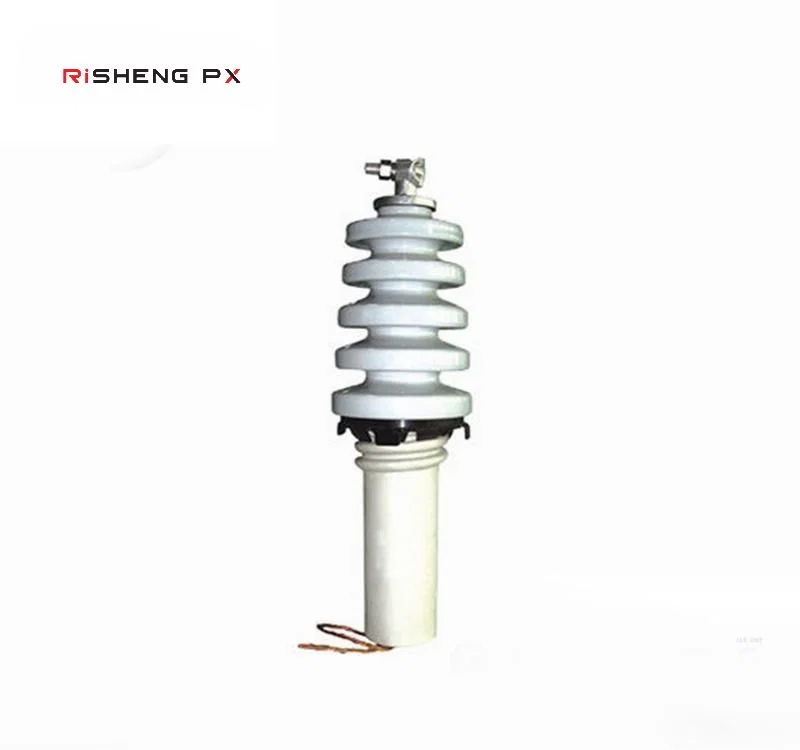
Insulating The Leading Wires
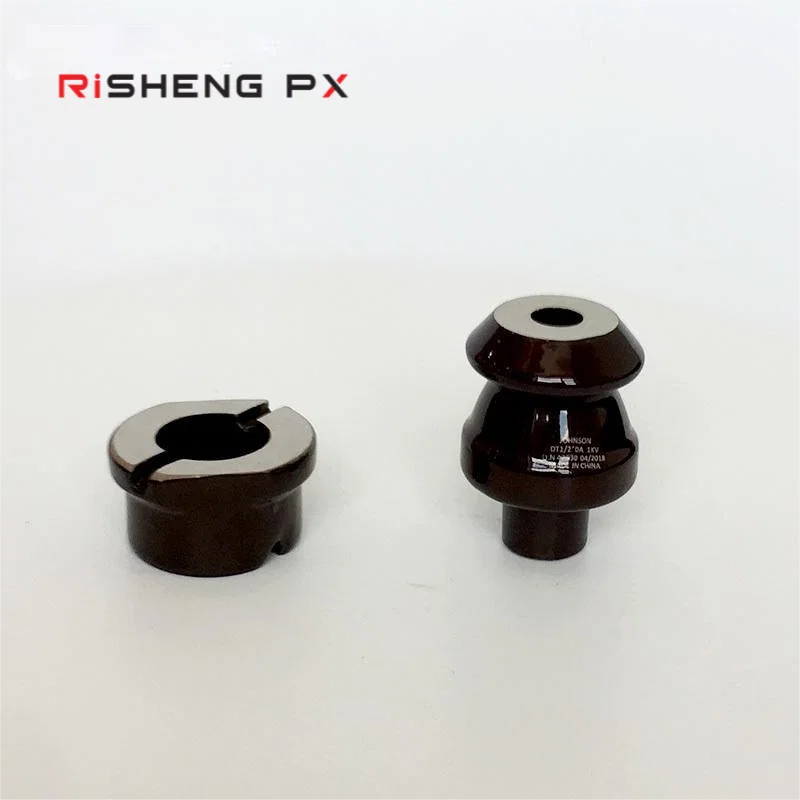
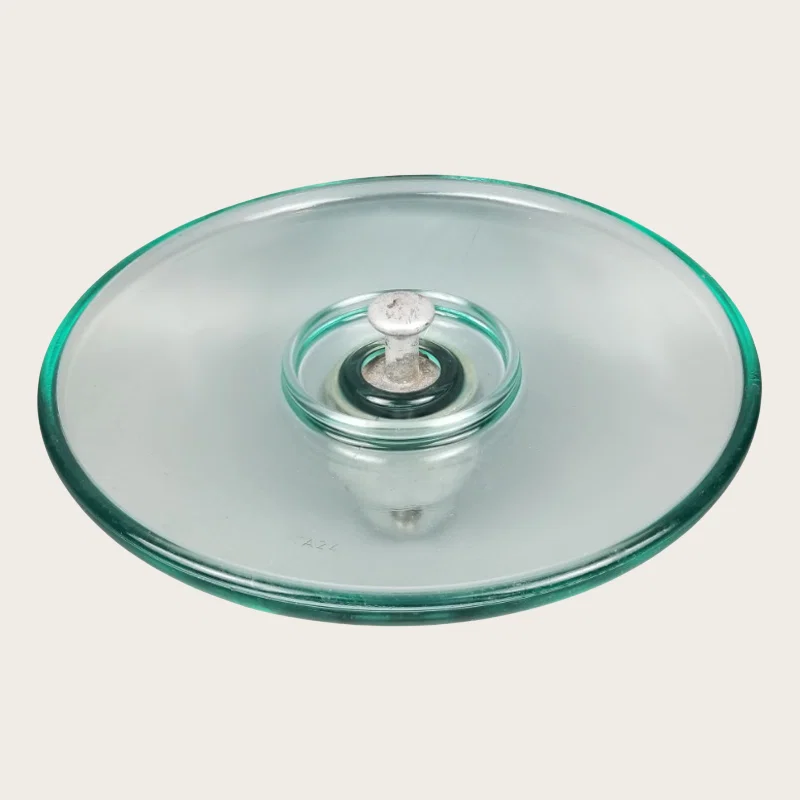
Insulators sit between the wires and other conducting surfaces inside the transformer. At high voltage this insulation is what prevents short circuits and keeps the current flowing where it should. Ceramic and glass both offer the dielectric properties needed to stay reliable under extreme voltage conditions.
Mechanical Support
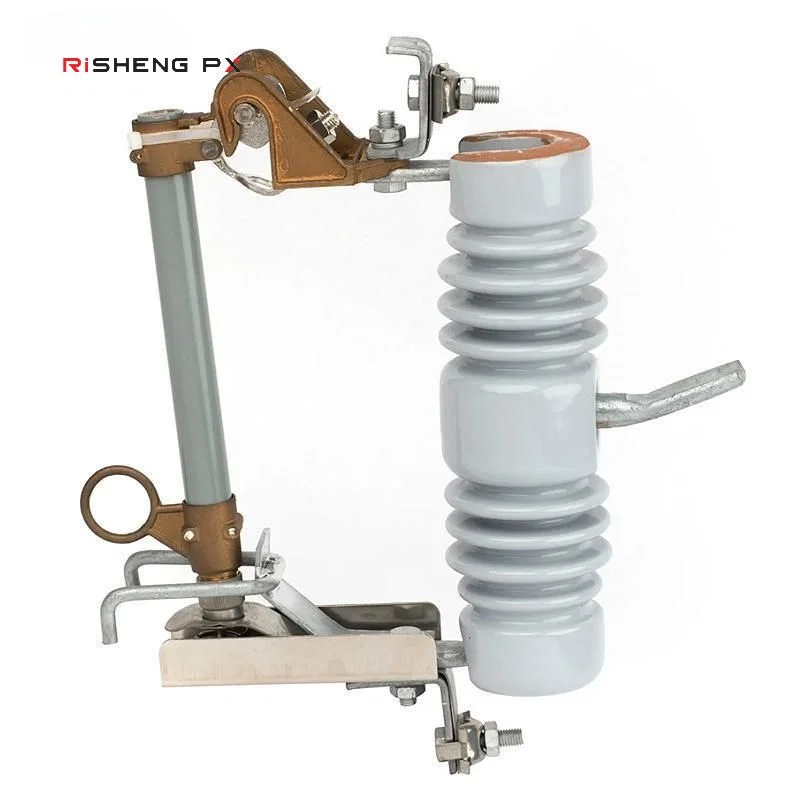
Insulators also hold the wires in place so they do not come into contact with each other or with other conducting surfaces. This prevents wear on the wires and extends their operational life. It is why a bushing that only insulates well is not doing its job, and why bending and cantilever ratings are published alongside electrical figures.
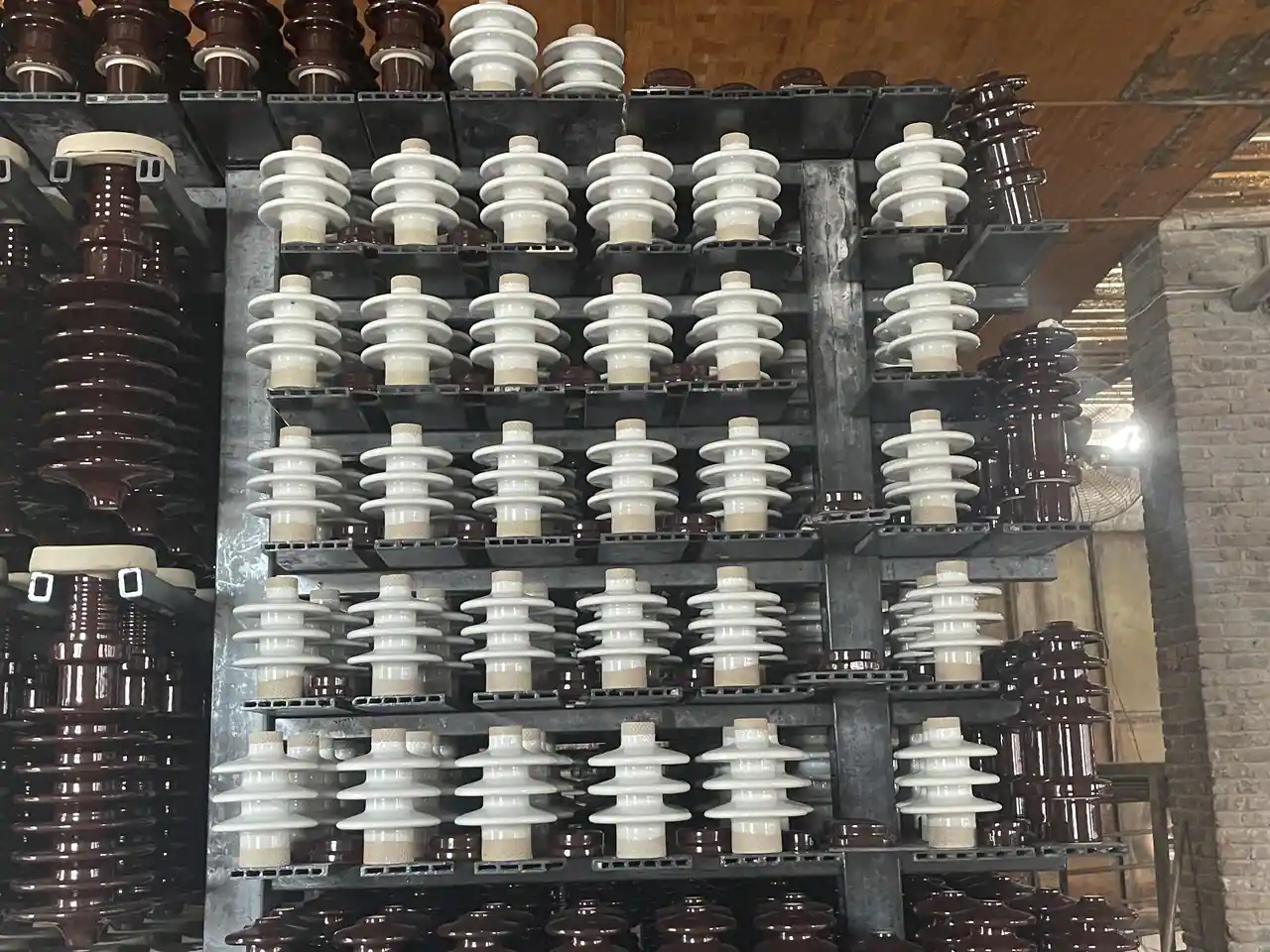
Electrical Stability
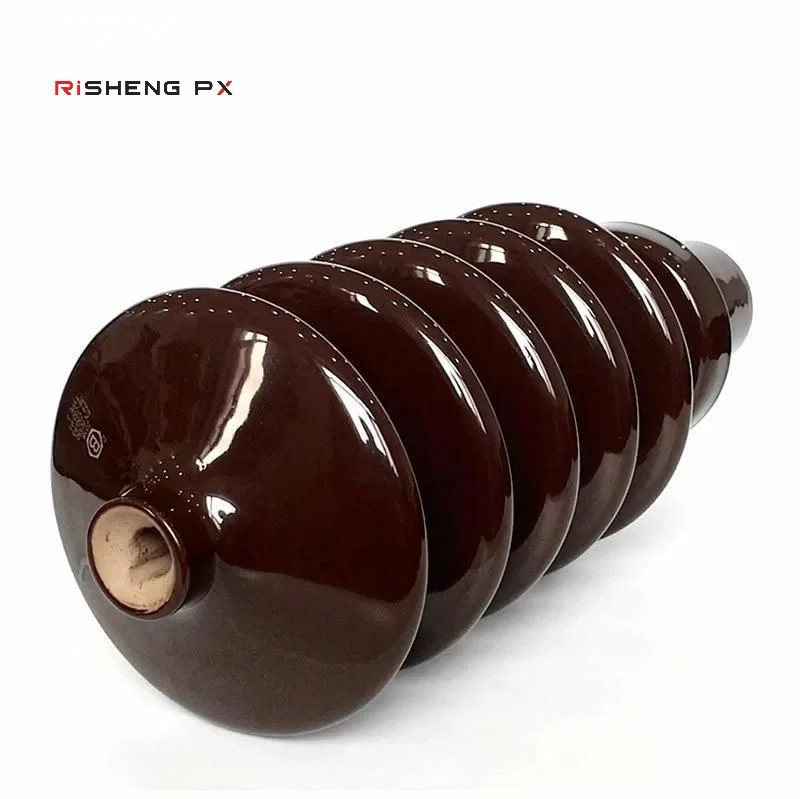
Insulators help distribute the electric field evenly, which prevents partial discharge and dielectric breakdown. Minimising these instabilities improves the overall reliability and efficiency of the transformer, and it is one reason shed profile matters as much as shed count.
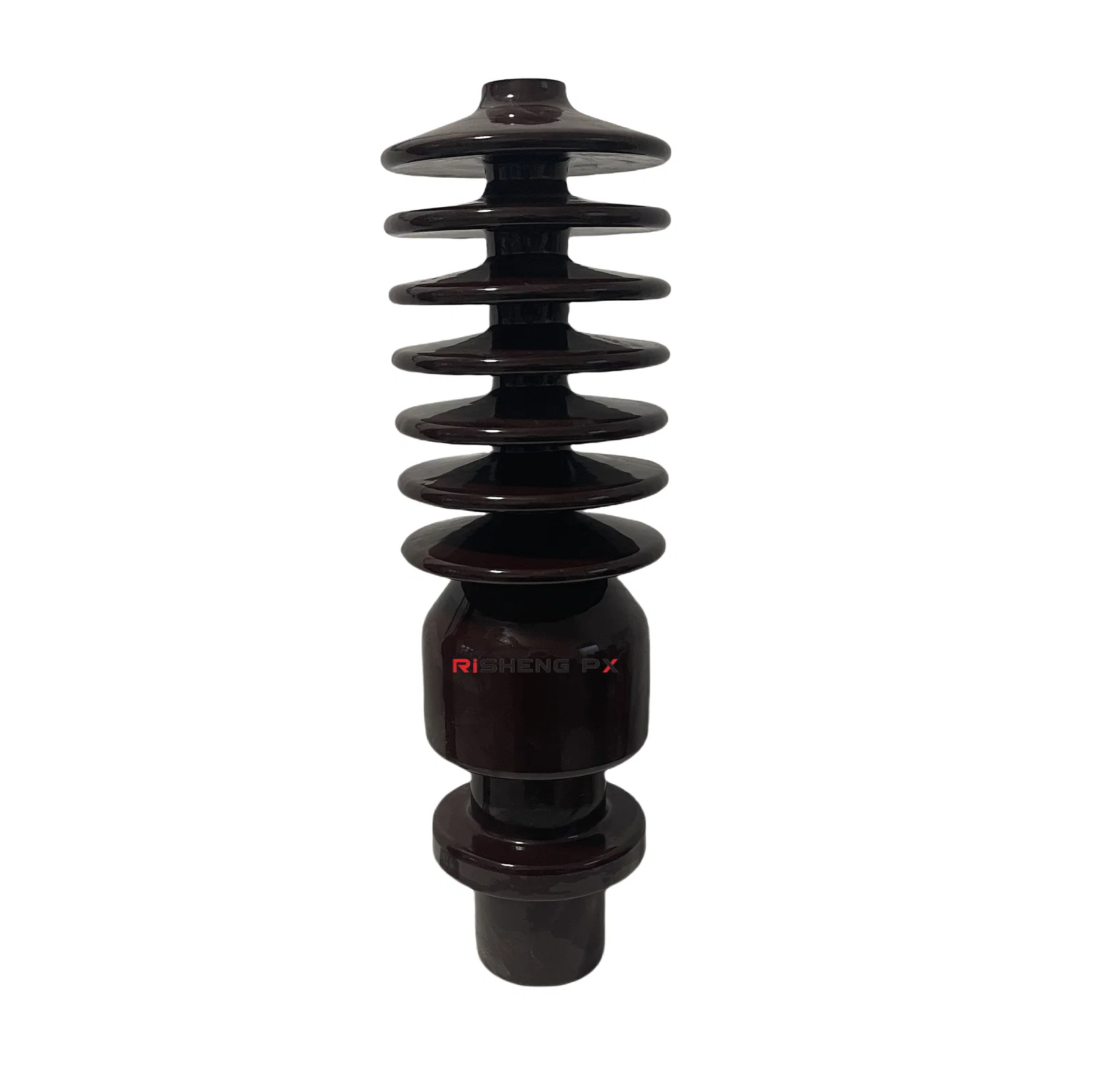
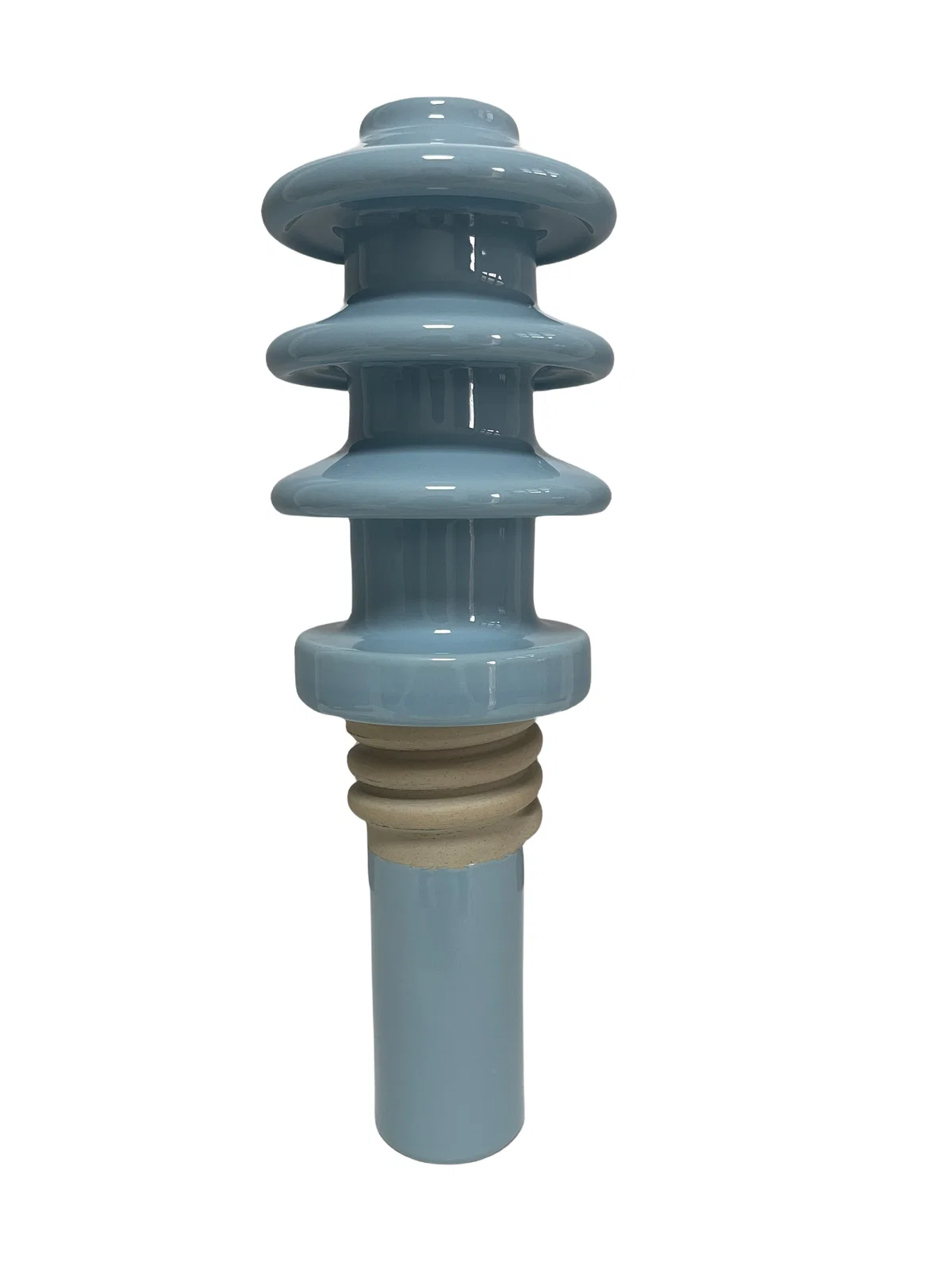
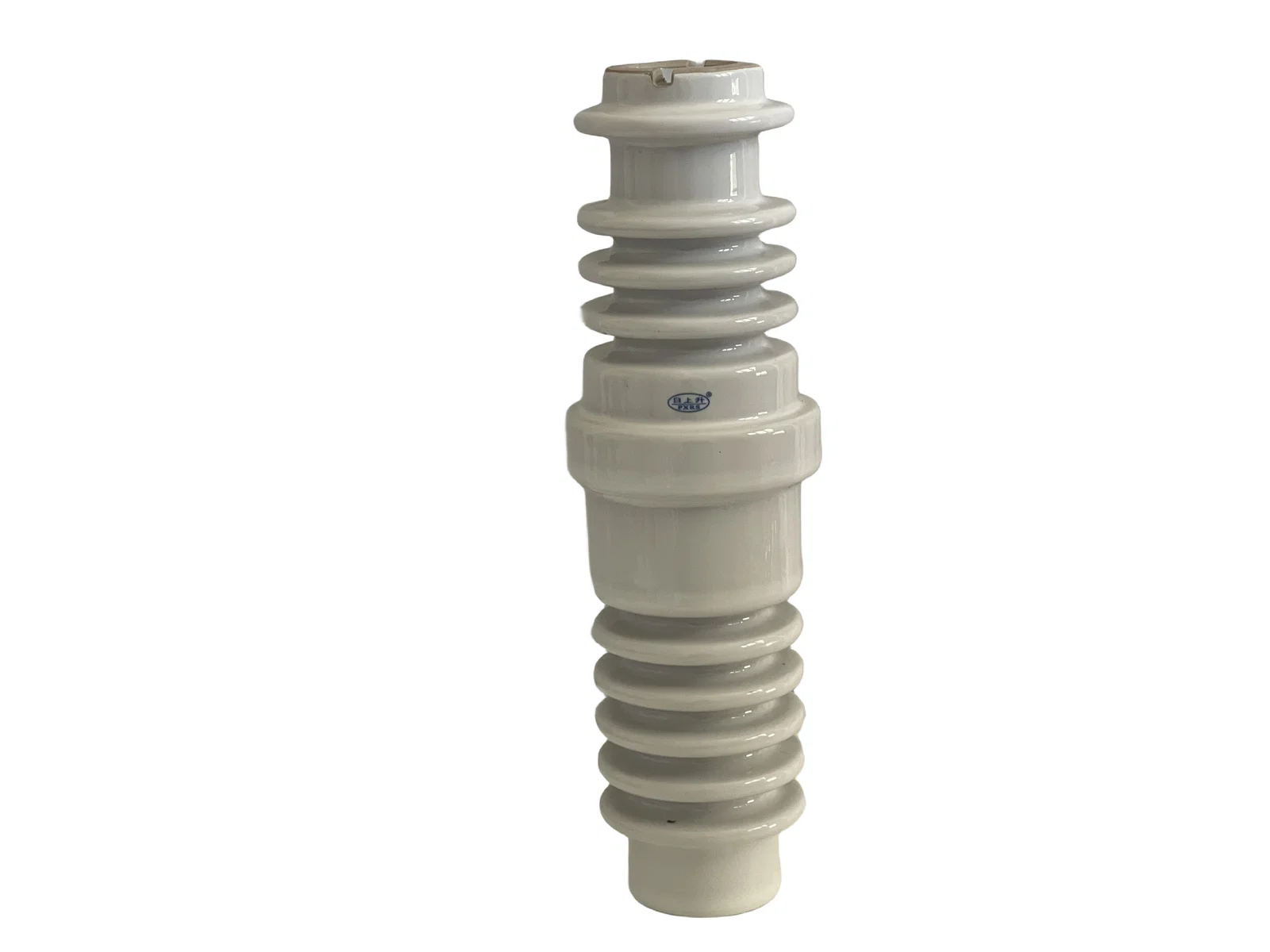
EN 50180 24kV 250A Transformer Bushing Type 3
Reducing Electromagnetic Interference
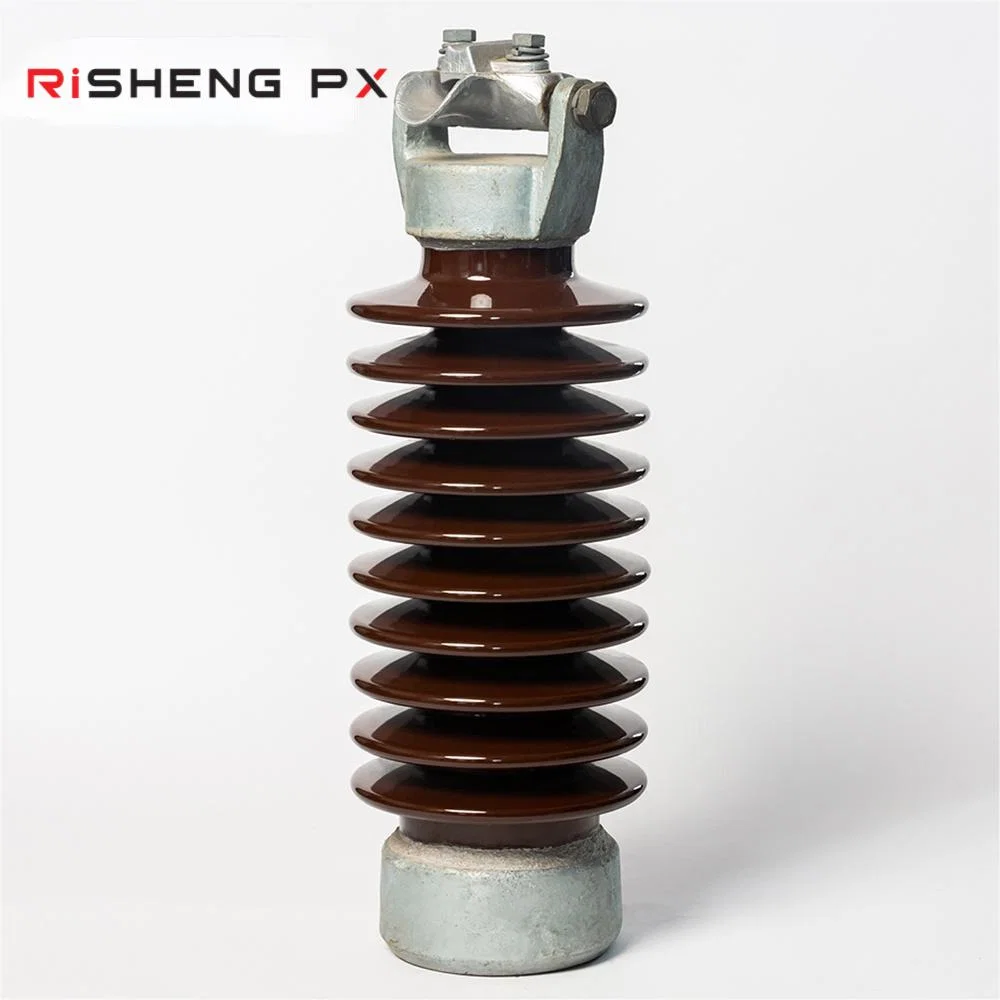
Electromagnetic interference can disrupt nearby electronic equipment. Insulators contribute to reducing it by providing a barrier between the conducting elements and the surrounding environment. Where this matters the radio influence voltage is published, for example a maximum of 200 microvolts at 1000kHz on the ANSI 57-14 line post tested at 44kV RMS to ground.
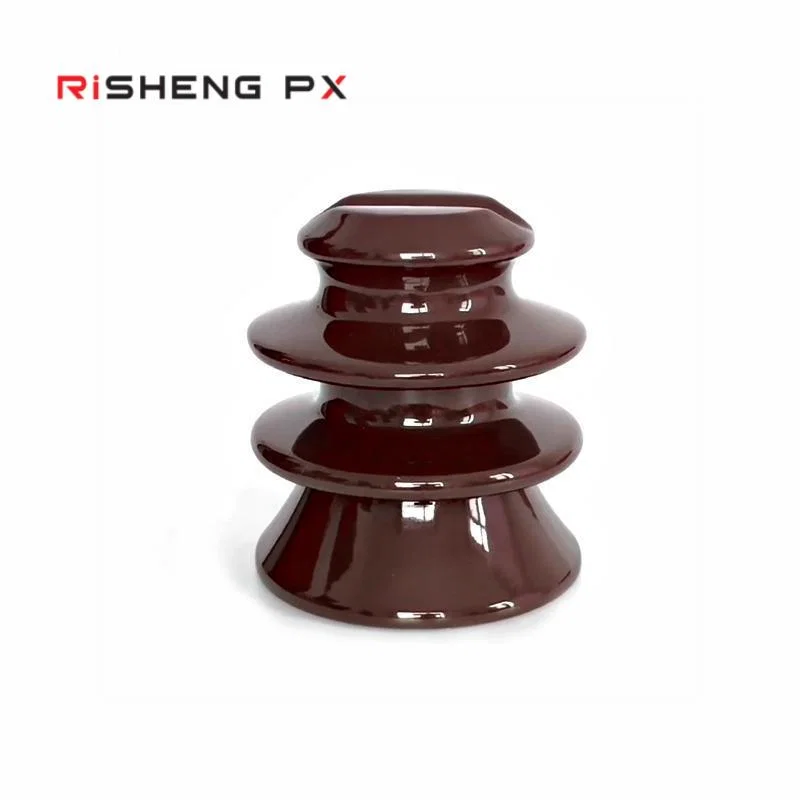
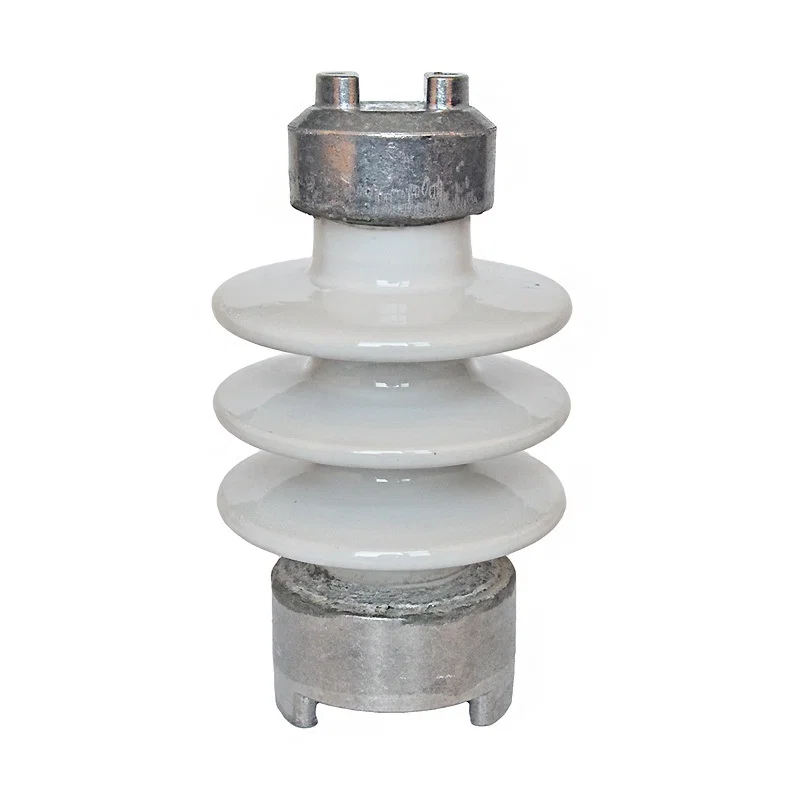
ANSI 57-14 Line Post Porcelain Insulator 1015mm Creepage
Thermal Management
Insulators help dissipate heat generated in operation, preventing overheating and damage to transformer components. Their thermal properties help keep a stable operating temperature. This is part of why the ANSI bushing profiles are described as streamlined: the shape reduces flashover likelihood and improves heat dissipation at the same time.