
Shop Floor Handling Tool Carts and Caster Programmes
Equipment that has to survive swarf, oil and a floor that was last resurfaced a decade ago.
A workshop floor destroys handling equipment in ways a warehouse floor does not: swarf, oil, weld spatter and point loads from equipment parked for months.
That is where cast iron cored casters, open-frame tool carts and heavy platform trucks belong, and all three are published in this catalogue with the figures needed to specify them.
What Costs This Industry Money
Flat-spotted wheels
Equipment parked for weeks on soft wheels develops flats and will not roll again.
Swarf and debris
Small casters pick up swarf and jam; open frames clear it and closed drawers collect it.
Point loads on old floors
A narrow wheel at high load concentrates enormous force on a worn slab.
Tooling that lives at the bench
Time lost walking back for one more tool because the cart was sized wrong.
Requirements That Follow From Those Problems
- Cast iron cored wheels that resist flat-spotting under long static loads
- Wide wheel sections to spread point loads on worn floors
- Open-frame tool carts that shed debris
- Wheel-only spares for rebuilding rather than replacing casters
Product Families That Answer Them
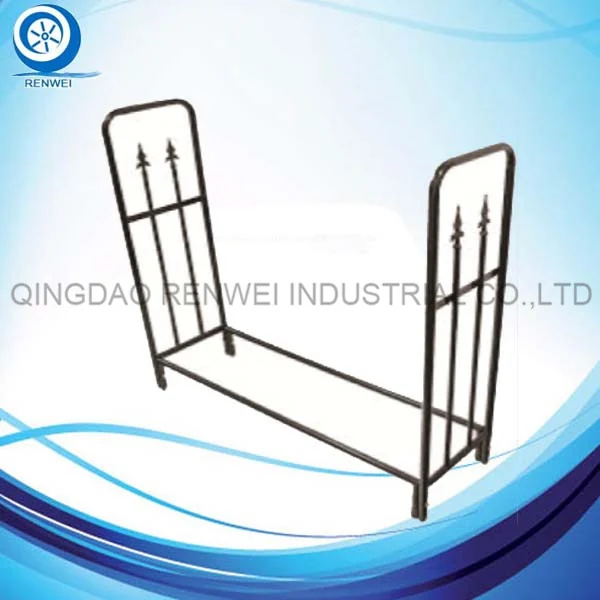
Tool Cart
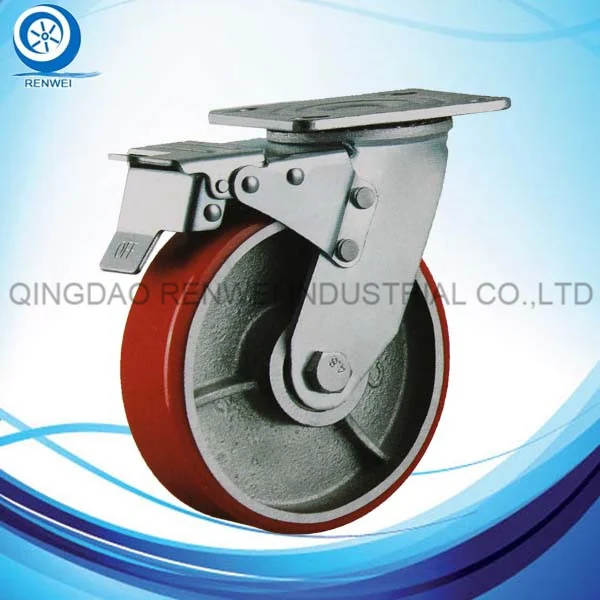
Big Heavy Caster
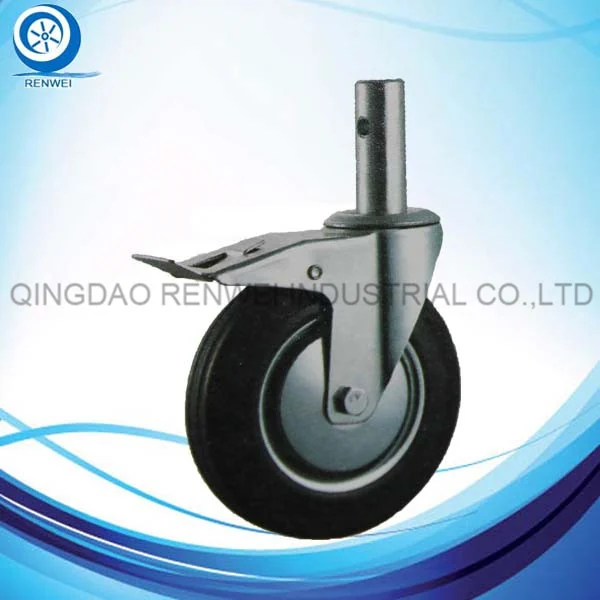
Heavy Caster
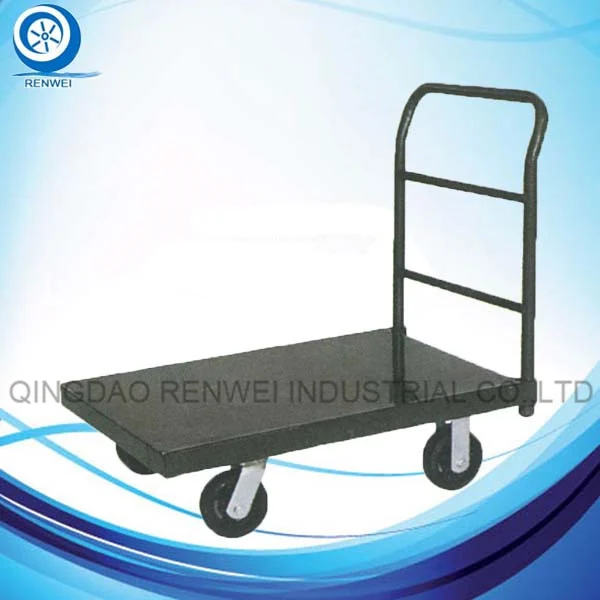
Platform Hand Truck
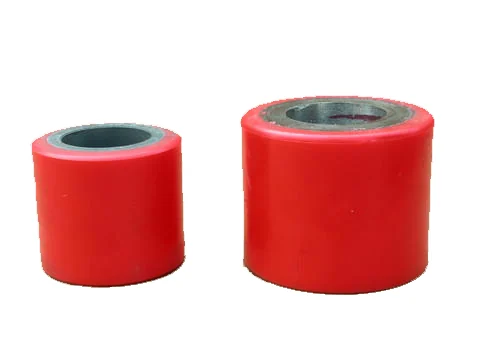
Caster Wheel
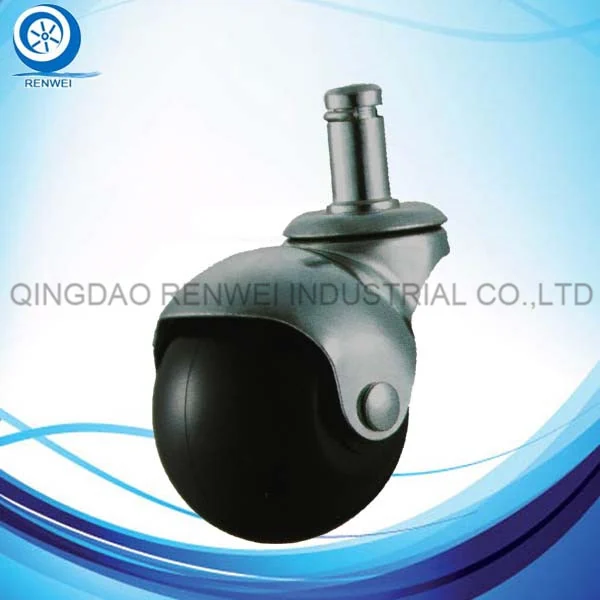
Light Heavy Caster
A Model From Each Family
Where This Equipment Works
Machining cells
Tool carts kept at the machine with the tooling that belongs to it.
Die and mould handling
Cast iron cored casters under tooling that stands for months between runs.
Fabrication and welding
Platform trucks moving weldments across a shop floor.
Maintenance rounds
Mobile kits across a large plant.
What Renwei Brings to This Industry
Claims about factory size, capacity, certification and lead time are not published by the company, so they are not made here. Everything below is checkable against the catalogue or the company's own statements.
- Casters published with material, diameter, width, overall height and capacity per diameter
- Cast iron cored options for static and hot-floor duty
- Tool carts published with footprint and, where stated, rated capacity
- Wheel-only supply for in-house caster rebuilds
Solutions for This Industry
Wheel and Caster Matching
Spare Parts and After Sales
Private Label and OEM
Technical Reading
Caster Load Ratings Explained
Matching Wheel Material to Your Floor
Wheel Bore Hub and Bearing Guide
Manufacturing and Workshops Questions
Why do wheels develop flat spots?
A solid wheel under sustained static load deforms at the contact patch and takes a set. A cast iron cored wheel resists this because the core does not deform. If equipment stands for weeks at a time, that is the family to specify.
What caster suits a rough workshop floor?
Go up in diameter before going up in hardness. A larger wheel bridges joints and damage far better, and a wider section spreads the point load across a worn slab.
Can we buy wheels for casters we assemble ourselves?
Wheel supply into in-house caster assembly is a normal enquiry. Send your drawing or sample dimensions and ask what can be produced.
Specify For Manufacturing and Workshops
Send the application, the loads involved and the surfaces the equipment runs on, and the sales desk will come back with suitable model numbers.