
Matching Wheel Material to Your Floor
Nylon carries most, polyurethane protects the floor, cast iron survives the yard. Pick the wrong one and facilities send you the cleaning bill.
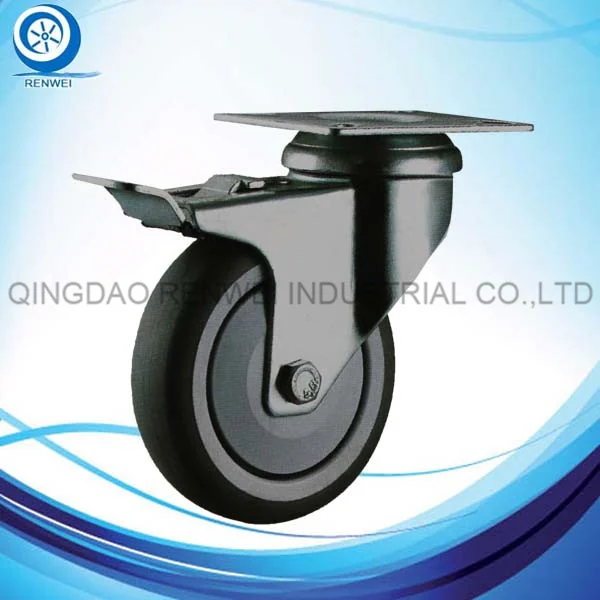
Wheel material is usually chosen from a capacity table, then regretted from a floor. Hardness is what carries load, and hardness is also what marks, rumbles and transmits shock.
The right way round is to start from the floor and work back to the capacity.
Hard Wheels Carry More and Cost More Elsewhere
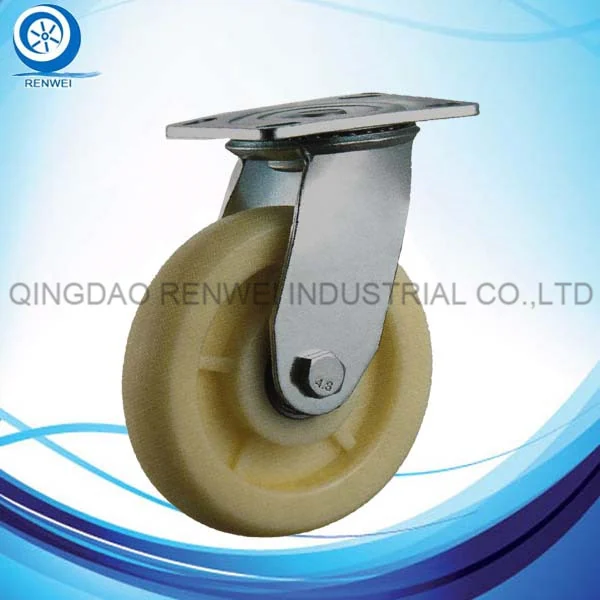
Nylon, polypropylene and cast iron cored wheels carry the highest loads at a given diameter, because they barely deform under load. That small contact patch is exactly why they roll easily on smooth concrete.
The same small contact patch concentrates force onto the floor, transmits every joint into the load, and leaves tracks on vinyl, epoxy and timber.
Polyurethane: The Default for Finished Floors
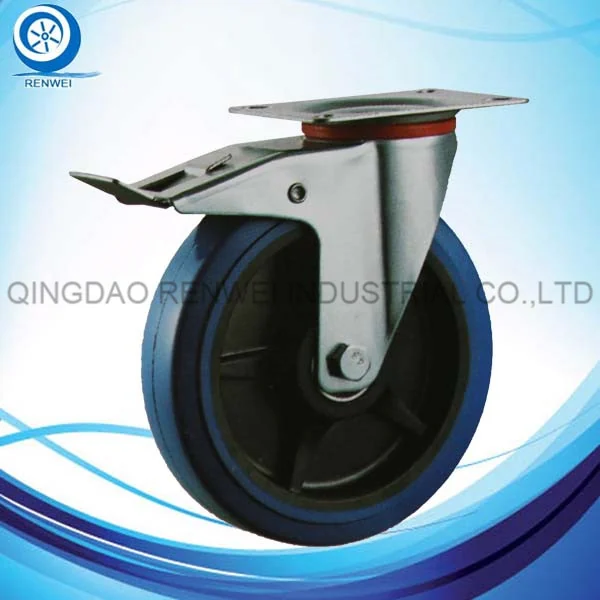
Polyurethane deforms slightly under load, spreading the contact patch. That makes it quieter, non-marking and much gentler on a coated floor, at the cost of some capacity compared with nylon of the same size.
For warehouses with epoxy floors, hospitals, laboratories, hotels and retail back-of-house, PU is usually the right default.
TPR and Rubber: Quiet and Forgiving
Thermoplastic rubber and solid rubber wheels are softer again. They run quietest of all, absorb floor irregularities and grip well on smooth surfaces.
Capacity is the lowest of the group, so they belong under service carts, display fixtures and light trolleys rather than under heavy transfer equipment.
Cast Iron Cored: Yards Foundries and Static Loads
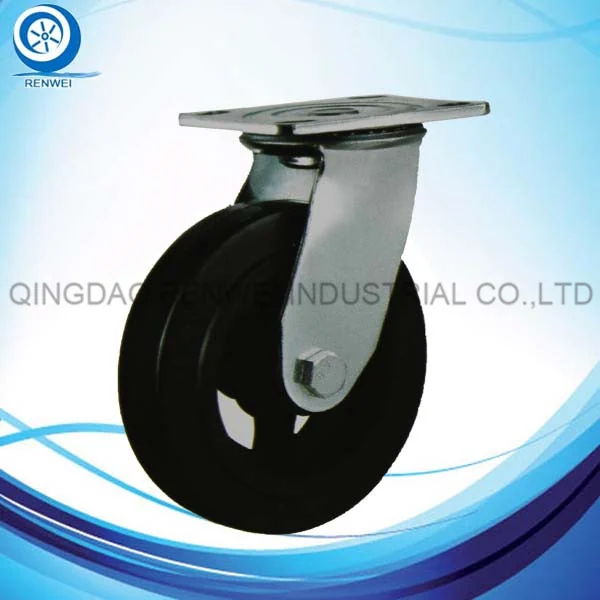
A cast iron cored rubber wheel puts a metal core inside a rubber tyre. The core stops the wheel deforming permanently when equipment stands in one place for weeks, which is what causes flat spots.
It also survives hot, rough and debris-covered floors that would destroy a plastic wheel. It has no place on a finished floor.
| Material | Relative capacity | Floor marking | Noise | Typical use |
|---|---|---|---|---|
| Cast iron cored rubber | Highest | Marks | High | Foundry, yard, long static loads |
| Nylon / PP / PA | High | Marks | High | Smooth industrial concrete |
| Polyurethane | Medium | Non-marking | Low | Epoxy, vinyl, clinical and retail floors |
| TPR / solid rubber | Lower | Non-marking | Lowest | Service carts, displays, quiet areas |
Start From the Floor
Write down the floor first: sealed concrete, epoxy, vinyl, tile, timber, tarmac or rough slab. Then note whether the equipment stands still for long periods and whether it crosses joints or dock plates.
Those three facts narrow the material choice to one or two options before capacity is even considered. Choosing the other way round is what produces the casters that carry the load and ruin the floor.
Key Takeaways
- Choose the material from the floor, then check the capacity
- PU and TPR are the non-marking options for finished floors
- Nylon and PP carry most on smooth industrial concrete but mark and rumble
- Cast iron cored wheels are for yards, hot floors and long static loads
Where to Go Next in the Catalogue
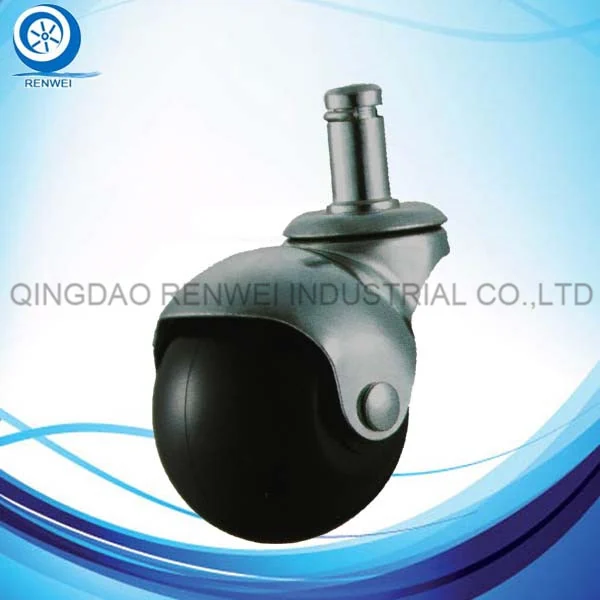
Light Heavy Caster
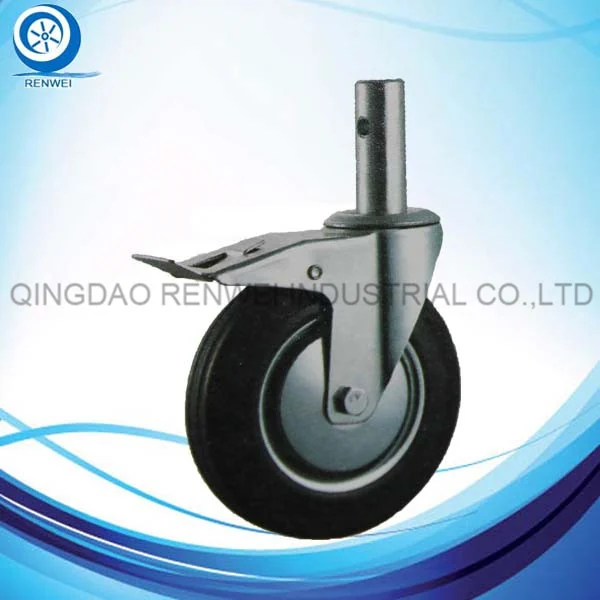
Heavy Caster
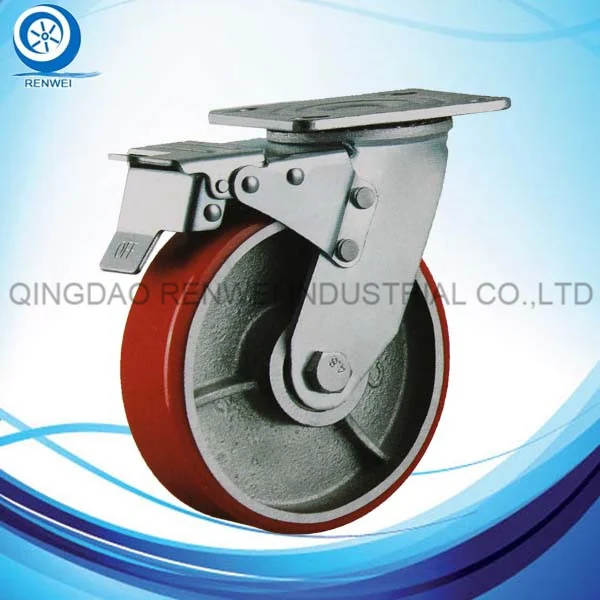
Big Heavy Caster
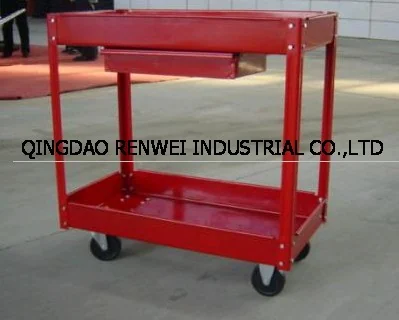
Service Cart
Questions About This Guide
Which caster will not mark an epoxy floor?
Polyurethane or TPR. Nylon, PP and cast iron cored wheels all leave tracks on coated floors.
What causes a flat spot on a wheel?
Sustained static load deforming a solid wheel at the contact patch. A cast iron cored wheel resists it because the core does not deform.
Which material is quietest?
TPR and soft rubber, followed by polyurethane. Nylon and cast iron are the noisiest.
Continue Reading
Rubber Products and Moulding Basics
OEM and Private Label Checklist
Container Loading for Bulky Goods
Apply This to Your Own Specification
Send the measurements, loads and surfaces described in this guide and the sales desk will come back with model numbers rather than a brochure.