
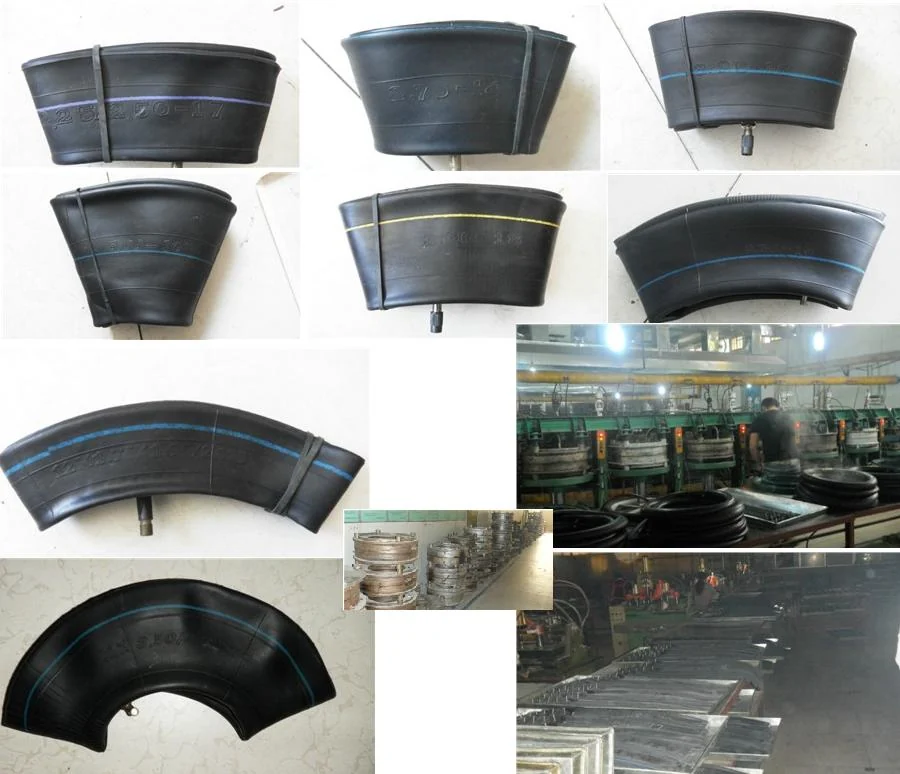
Butyl and Natural Rubber Inner Tubes
Two compounds, one decision: how long it has to hold pressure between checks.
Tire Tube Models
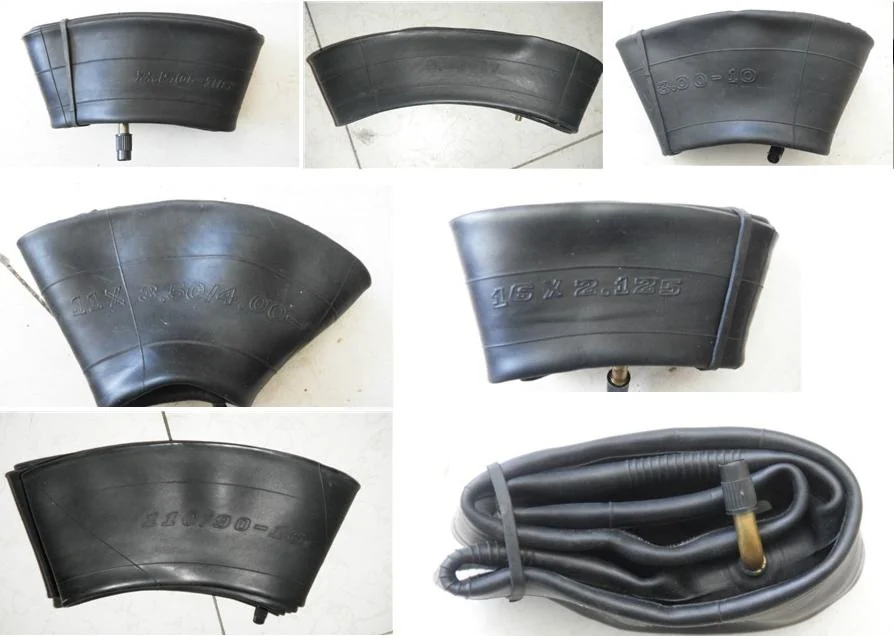
Sizes are published in the standard tube notation. Width is the section in millimetres and weight is given in grams.
About This Family
An inner tube is specified by size first and compound second. Butyl holds pressure far longer between checks; natural rubber is more elastic and easier to repair.
This category publishes both compounds with the tube size, section width and weight as listed in the source catalogue.
What Goes Wrong Without the Right Inner Tube
Problem 1
Tubes bought on diameter alone that are the wrong section for the tyre.
Problem 2
Natural rubber tubes fitted where equipment stands for months and is then found flat.
Problem 3
Valve type mismatched to the rim, discovered at fitting.
Buyers This Family Is Built Around
Wheel and tyre assemblers
Tube supply into wheel building for carts, barrows and trailers.
Spare parts distributors
Replacement tubes across a size range.
Equipment and hire fleets
Consumable stock for pneumatic wheels in service.
What the Published Specification Gives You
Butyl and natural rubber both offered
The choice can be made on how long the equipment stands between uses rather than on what happens to be available.
Size published in standard notation
Tube sizes are given in the format used on tyre sidewalls, so cross-referencing is direct.
Section width and weight published
Both figures are listed, which helps confirm a tube is the right section for a tyre rather than just the right diameter.
Matches the pneumatic wheel range
The same sizes appear under the pneumatic wheels sold on this site.
Where These Are Used
Wheelbarrow and cart wheels
Pneumatic wheels in the 3.50-4 and 4.00-8 classes.
Hand truck wheels
Air wheels used over kerbs and rough ground.
Trailer and jockey wheels
Small pneumatic tyres on trailers.
Motorcycle and small vehicle
Tube sizes published in the motorcycle range.
How to Choose Within This Family
- Match the tube to the tyre's full size marking, not just the rim diameter — section width has to be right too.
- Choose butyl where equipment stands between uses; it loses pressure far more slowly than natural rubber.
- Confirm the valve type and angle against the rim before ordering a batch.
What is not published
Minimum order quantity, lead time, payment terms, warranty and certifications are not published by Renwei, so none of them are stated on this site. Ask for them in writing with your model list before you plan a shipment.
Sourcing Questions This Family Raises
Spare Parts and After Sales
Wheel and Caster Matching
Container Load Planning
Reading Before You Specify
How to Read a Wheel Size
Pneumatic vs Solid vs Foam Wheels
Wheel Bore Hub and Bearing Guide
Tire Tube Questions
What is the difference between a butyl and a natural rubber inner tube?
Butyl is far less permeable, so a butyl tube holds pressure much longer between checks. Natural rubber is more elastic and can be easier to patch. For equipment that stands unused, butyl is the safer choice.
What size tube do I need?
Read the full size marking from the tyre sidewall, including the section width, and match all of it. A tube of the right diameter but the wrong section will fold or over-stretch.
What valve type do the tubes use?
Valve type is not published for every size in the source catalogue. Send the rim valve hole diameter and the valve angle you need with the tube size and ask for confirmation.
Do you supply tubes for the wheels sold on this site?
The pneumatic wheels in the rubber wheel category use standard tube sizes. Send the wheel model number and Renwei will confirm the matching tube size.
Other Families Buyers Pair With This One
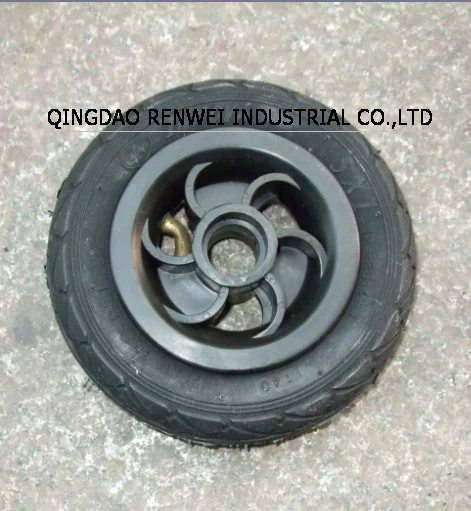
Rubber Wheel
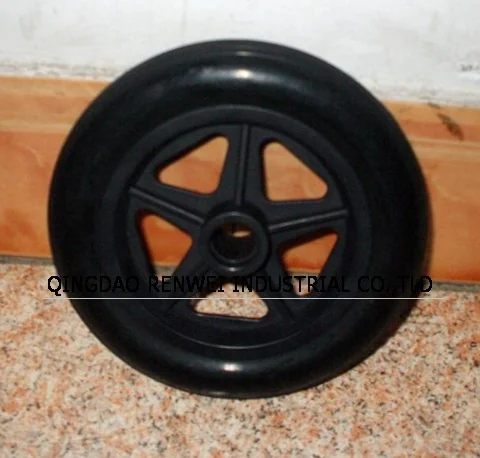
PU Wheel
Caster Wheel
Quote the Tire Tube Range
Send the model numbers you want from the 2 listed above, with quantities and your destination market.