
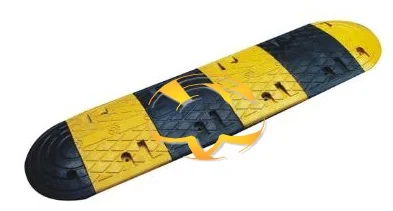
Rubber Speed Humps for Car Parks and Private Roads
Sold by the metre and installed by the bolt — weight per metre is the number that matters.
Rubber Speed Hump Models
Size is the section dimension in millimetres and weight is published per metre, which is how modular humps are compared and costed.
RW-A01 Rubber Speed Hump
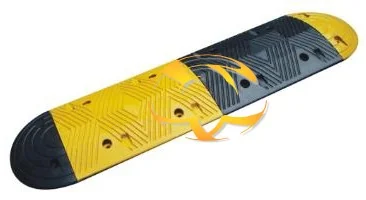
RW-A02-1 Rubber Speed Hump
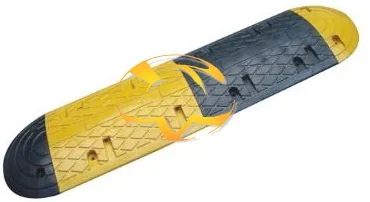
RW-A02-2 Rubber Speed Hump
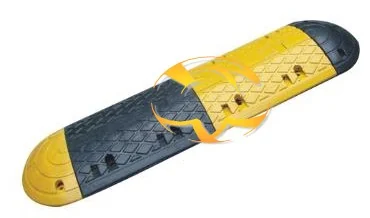
RW-A03 Rubber Speed Hump
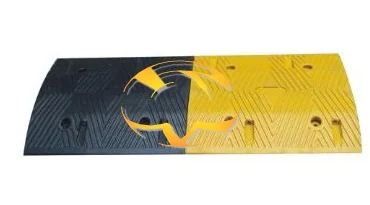
RW-A04 Rubber Speed Hump
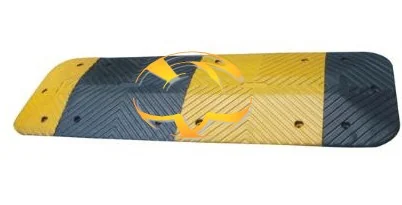
RW-A05 Rubber Speed Hump
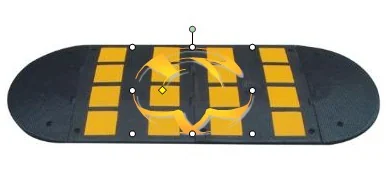
RW-A06 Rubber Speed Hump
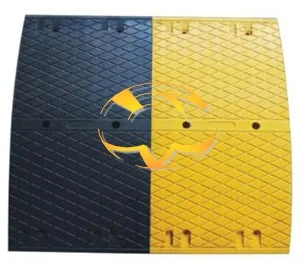
RW-A07 Rubber Speed Hump
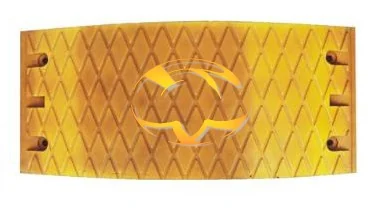
RW-A08 Rubber Speed Hump
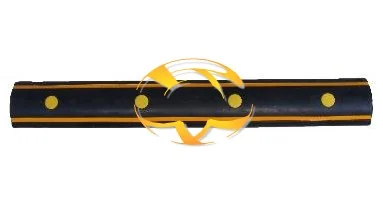
RW-A09 Rubber Speed Hump
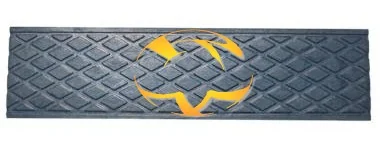
RW-A10 Rubber Speed Hump
About This Family
A modular rubber speed hump is bought in sections and bolted down to make a run across a road. Section size and weight per metre tell you both how it will perform and how many sections fit a pallet.
The RW-A series publishes section dimensions and weight per metre for every model in the range.
What Goes Wrong Without the Right Rubber Speed Hump
Problem 1
Cast concrete humps that cannot be moved when a car park layout changes.
Problem 2
Light sections that work loose under repeated heavy vehicle traffic.
Problem 3
Runs ordered by length without checking how end caps and fixings are supplied.
Buyers This Family Is Built Around
Car park and facilities operators
Speed control across sites that get reconfigured.
Traffic management contractors
Temporary and semi-permanent installations.
Industrial site managers
Yard and depot traffic control around pedestrian routes.
What the Published Specification Gives You
Weight per metre published
Mass per metre is what keeps a hump in place under traffic, and it is published for every model.
Modular sections
Runs are built to the road width and can be lifted and relaid when a layout changes.
Section dimensions in millimetres
Length, width and height are published so approach angle and pallet quantity can both be worked out.
Rubber rather than cast concrete
Rubber sections can be removed, re-laid and replaced individually.
Where These Are Used
Car parks
Speed control near entrances and pedestrian crossings.
Private roads and estates
Traffic calming without permanent civil works.
Industrial yards
Vehicle speed near loading and walking routes.
Construction sites
Temporary calming that moves with the site layout.
How to Choose Within This Family
- Measure the full road width and add end sections; a hump that stops short of the kerb will simply be driven around.
- Heavier sections per metre stay put better under HGV traffic; lighter sections suit car-only areas.
- Check the fixing method and the substrate — a hump is only as good as the bolts holding it to the surface.
What is not published
Minimum order quantity, lead time, payment terms, warranty and certifications are not published by Renwei, so none of them are stated on this site. Ask for them in writing with your model list before you plan a shipment.
Reading Before You Specify
Rubber Products and Moulding Basics
Container Loading for Bulky Goods
Rubber Speed Hump Questions
How do I work out how many sections I need?
Measure the road width, subtract the end caps, and divide by the section length published on the model page. Always order for the full width, including the kerb-to-kerb run.
What does weight per metre tell me?
It is the mass holding the hump to the road. Heavier sections resist movement under heavy vehicle traffic better. Each model publishes the figure in kilograms per metre.
Are fixings and end caps included?
The source catalogue does not publish what is included in each supply. Ask for the fixing kit and end cap arrangement against the model number before ordering.
Can the humps be lifted and relaid?
Modular rubber sections are bolted down rather than cast in, so they can be removed and relaid when a layout changes. Fixing holes will remain in the surface.
Other Families Buyers Pair With This One
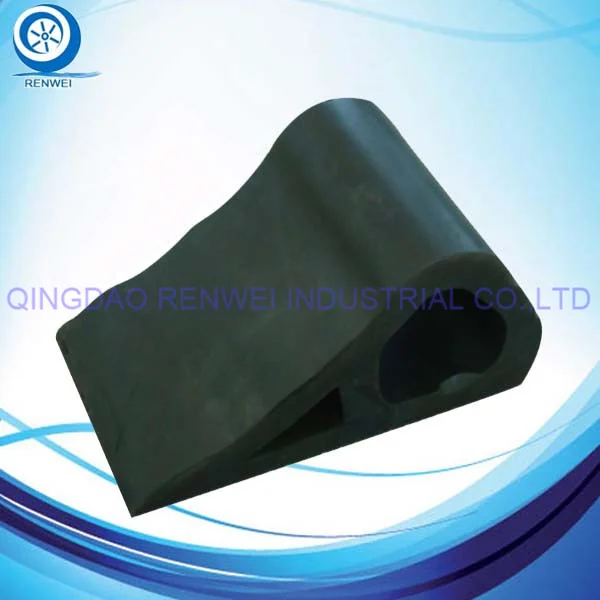
Quote the Rubber Speed Hump Range
Send the model numbers you want from the 11 listed above, with quantities and your destination market.