
Garden Cart or Wheelbarrow
One wheel turns anywhere and needs balancing. Four wheels stay level and need room. The right answer depends on the path, not the load.
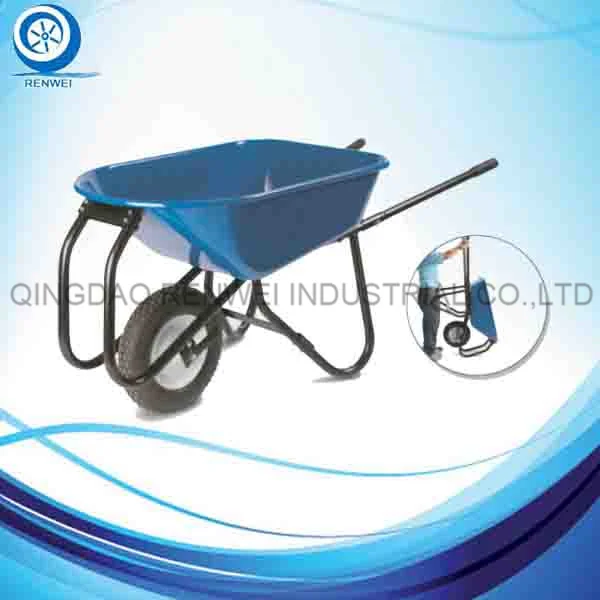
Both tools carry roughly the same material over roughly the same ground, and buyers often treat them as interchangeable. They are not.
The decision comes down to two things: how tight the route is, and whether the person loading it is working alone.
The Case for One Wheel
A wheelbarrow pivots on its front wheel. That lets it turn in a doorway, between scaffold legs or along a trench where nothing with a fixed axle could follow.
It also tips forward to empty, so the load is discharged without being lifted. On a building site that combination is why the barrow has never been replaced.
The Case for Four Wheels
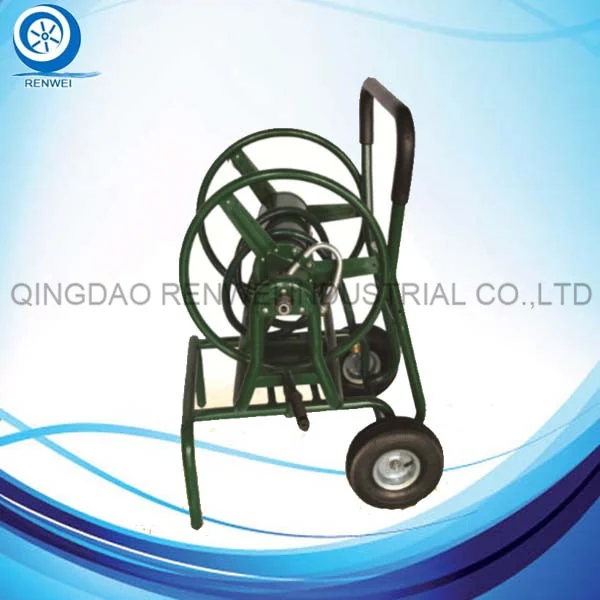
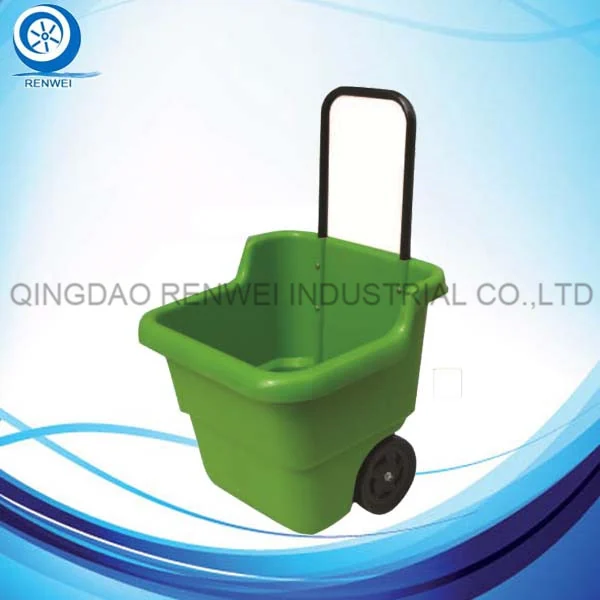
A four-wheel garden cart holds itself level. Nobody has to balance it while it is being filled, which matters enormously on a slope or when one person is loading with a shovel.
It parks where it is left, and it carries awkward items — trays of plants, long timber, tools — that would roll out of a barrow.
Ground Damage
Four wide wheels spread the load over more turf than one narrow wheel does. On finished lawns that is often the deciding factor, because a landscaping crew that leaves ruts ends up repairing what it came to build.
A barrow concentrates the whole load on one contact patch. On soft wet ground it cuts in.
Choosing for a Retail Range
For retail, the two are complements rather than alternatives. The barrow sells to the customer with a building project; the cart sells to the customer with a garden.
Both ranges are published here with wheel specifications, body dimensions and, where the source catalogue states them, rated loads — enough to build a price ladder across both.
| Wheelbarrow | Four-wheel garden cart | |
|---|---|---|
| Turning | Pivots in a doorway | Needs room to turn |
| Loading | Must be balanced | Stays level unaided |
| Emptying | Tips forward without lifting | Usually tipped or unloaded by hand |
| Ground damage | One narrow contact patch | Load spread across four wheels |
| Best for | Sites, trenches, tight routes | Lawns, slopes, working alone |
Key Takeaways
- Choose a barrow for tight routes and forward tipping
- Choose a four-wheel cart for slopes, lone working and finished lawns
- Wide wheels spread load and protect turf
- For retail, stock both — they serve different customers
Products Mentioned in This Guide
Where to Go Next in the Catalogue
Garden Cart
Wheelbarrow
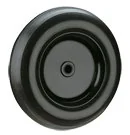
EVA Wheel
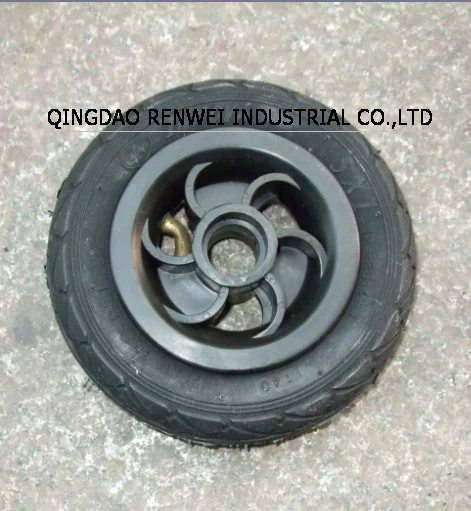
Rubber Wheel
Questions About This Guide
Which carries more, a cart or a barrow?
Published rated loads overlap heavily between the two families. The practical difference is not capacity but how easily the load is balanced and emptied.
Which is better on a lawn?
A four-wheel cart with wide wheels, because the load is spread across four contact patches rather than concentrated on one.
Can both take the same wheels?
Often, if the axle and hub dimensions match. The wheel families on this site cover both, which makes standardising across a range possible.
Continue Reading
Rubber Products and Moulding Basics
OEM and Private Label Checklist
Container Loading for Bulky Goods
Apply This to Your Own Specification
Send the measurements, loads and surfaces described in this guide and the sales desk will come back with model numbers rather than a brochure.