
Rubber Products and Moulding Basics
Why a rubber chock holds and a plastic one slides, why rubber tubs survive frost, and which specification to ask for when none is published.
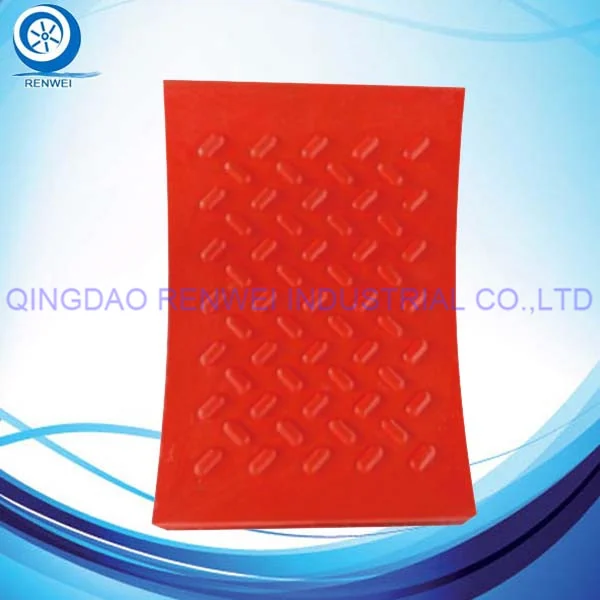
Moulded rubber turns up across this catalogue in forms that look unrelated: wheel chocks, cone bases, speed humps, flexible tubs and wheel tyres. They share the same reason for existing.
Rubber does two things plastic does not — it deforms and recovers, and it grips. Almost every product in this group exists because of one of those two properties.
Grip Is Why a Chock Works
A wheel chock holds a vehicle through mass and friction. Rubber's high coefficient of friction against wet concrete is what stops it sliding, and its mass is what stops the wheel climbing it.
A moulded plastic chock of the same shape weighs less and grips less, which is why it slides on a wet ramp. This is why chock specifications publish weight in kilograms — it is the performance figure.
Flex Is Why a Tub Survives
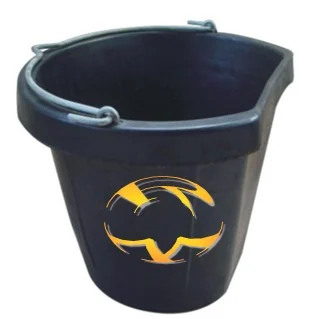
A rigid plastic bucket fails by cracking, usually in cold weather or when dropped full. A flexible rubber tub deforms and recovers instead.
That flex has a second benefit: frozen water or set material can be knocked out by flexing the tub, rather than chipped out of a rigid one. In a livestock yard in winter that is the whole argument.
Recovery Is Why Speed Humps Are Modular
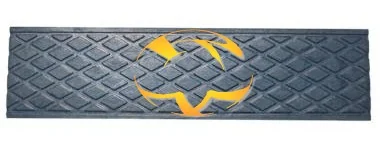
A rubber speed hump absorbs repeated impact and returns to shape. Cast concrete cracks and cannot be moved; rubber sections can be unbolted, relaid and replaced individually.
Weight per metre is the published figure because mass is what resists movement under traffic. Heavier sections stay put under heavy vehicles; lighter sections suit car parks.
What to Ask When Compound Is Not Published
The source catalogue behind this site publishes sizes and weights for its rubber products but not compounds or hardness figures. That is common for this product class and it is not a reason to guess.
If your application needs it, ask for four things against the model number: the compound, the hardness in Shore A, the temperature range, and whether recycled content is used. A supplier who can answer those can also supply the documentation your market may require.
| Ask for | Why |
|---|---|
| Compound | Natural, SBR, EPDM and recycled blends behave very differently outdoors |
| Hardness in Shore A | Sets grip, wear rate and how the part feels in use |
| Temperature range | Decides whether it stays flexible in a cold market |
| Recycled content | Often required for public sector and environmental declarations |
Where Rubber Is the Wrong Answer
Rubber is heavy for its volume, which makes it expensive to ship relative to its value, and it degrades under prolonged UV and ozone exposure unless the compound is chosen for it.
For dense products this weight is an advantage in container planning — rubber goods balance a load of bulky carts. For the product itself, it is a cost to be aware of.
Key Takeaways
- Chocks work by mass and friction — weight is the performance figure
- Flexible rubber tubs survive frost and dropping where rigid plastic cracks
- Modular rubber humps can be lifted and relaid; cast concrete cannot
- Ask for compound, Shore A hardness, temperature range and recycled content
- Rubber goods are dense and useful for balancing a bulky container
Products Mentioned in This Guide
Where to Go Next in the Catalogue
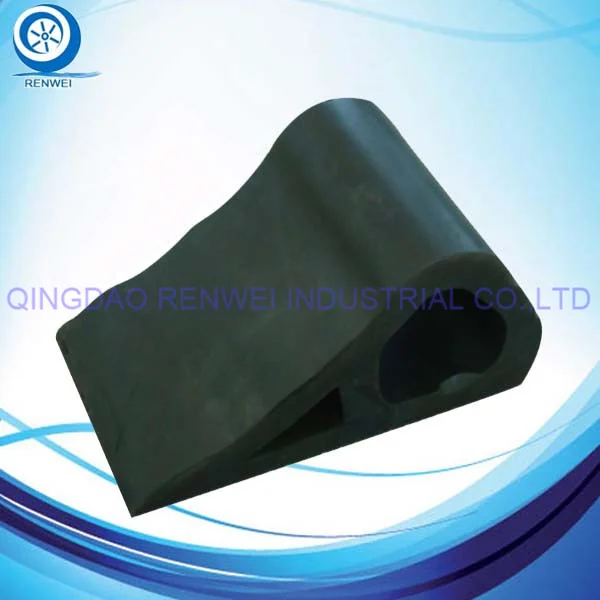
Rubber Wedge Chock / Rubber Cone Base
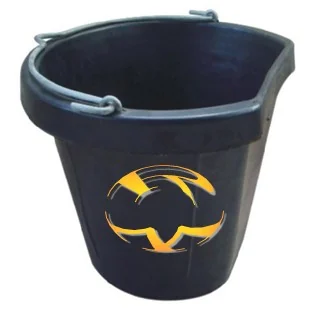
Rubber Bucket
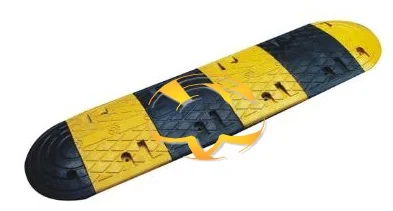
Rubber Speed Hump
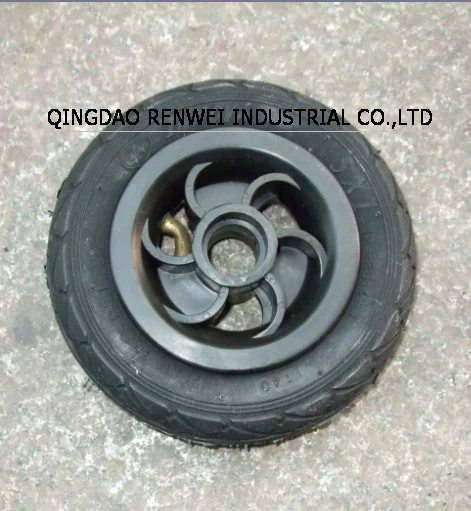
Rubber Wheel
Solutions Related to This Guide
Container Load Planning
Private Label and OEM
Export Packing and Documentation
Questions About This Guide
Why is the weight of a wheel chock published?
Because mass is what makes it work. A chock holds through weight and friction, and a light chock slides on wet concrete before the wheel stops.
What rubber compound do you use?
The source catalogue does not publish compounds. Ask for the compound, Shore A hardness and temperature range against the model number if your application depends on them.
Are rubber buckets frost resistant?
Flexible rubber tubs are widely used in cold climates because they flex rather than crack. No temperature rating is published, so ask if you need one stated.
Continue Reading
OEM and Private Label Checklist
Container Loading for Bulky Goods
Greenhouse Frame and Cover Specification Guide
Apply This to Your Own Specification
Send the measurements, loads and surfaces described in this guide and the sales desk will come back with model numbers rather than a brochure.